Okay, fellow tapeheads, let's rewind to a time when cinematic comedy could be unapologetically broad, theatrical, and powered by sheer human energy. Forget subtle nuance for a moment; we're diving into the glorious, gold-obsessed mania of Louis de Funès in his 1980 passion project, The Miser (L'Avare). Finding this on a dusty VHS shelf, perhaps nestled between an action flick and a forgotten horror B-movie, felt like unearthing a strange, vibrant treasure – a frantic piece of French farce beamed straight into your living room.
From Stage to Screen, with Gusto
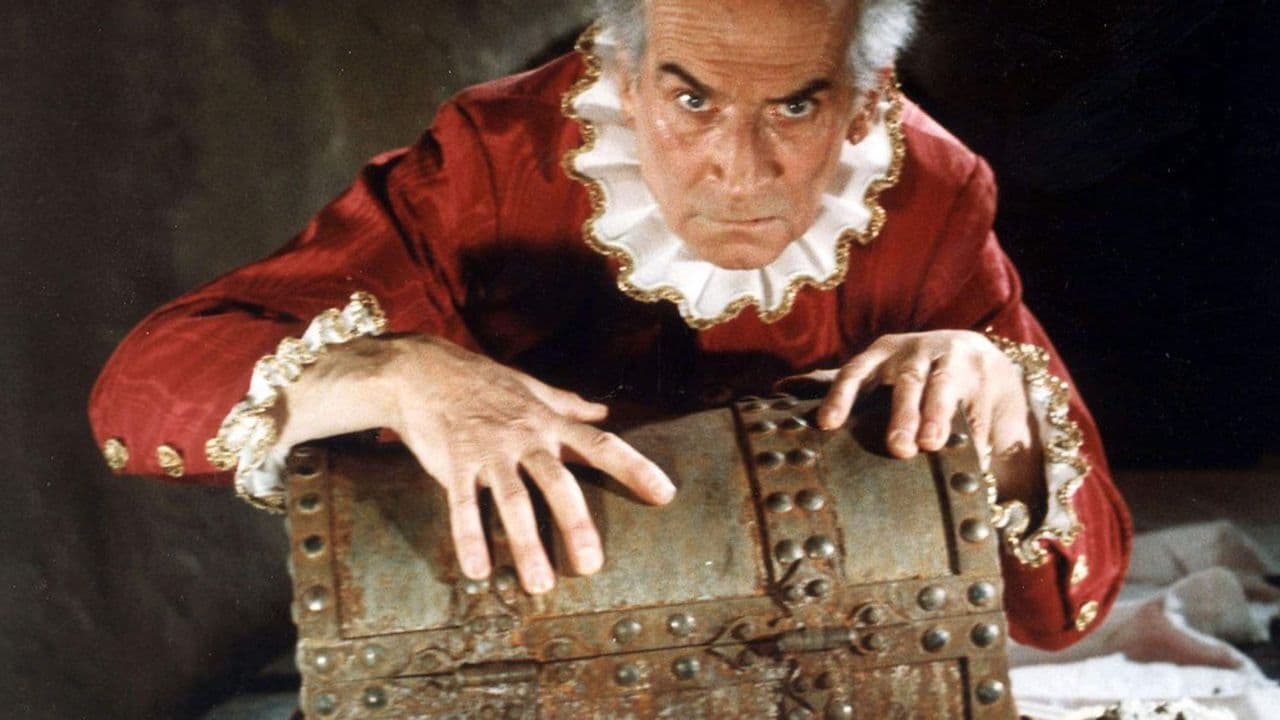
Based on Molière's classic 17th-century play, The Miser isn't just inspired by the stage; it often feels like the stage has burst its seams and spilled onto the screen. Co-directing with his frequent collaborator Jean Girault (known for the Gendarme series), de Funès doesn't just star as the pathologically stingy Harpagon; he is Harpagon, magnified to cartoonish proportions. This wasn't merely another role for the beloved French comedian; bringing Molière's miser to life was a long-held dream. It's fascinating to know de Funès also co-wrote the screenplay adaptation, pouring his own comedic sensibilities directly into the classic text. While filmed partly at the historic Studios de Billancourt near Paris, the production retains a deliberate, almost heightened theatricality in its sets and blocking, a choice that feels perfectly suited to the source material and de Funès’ performance style.
The Human Hurricane
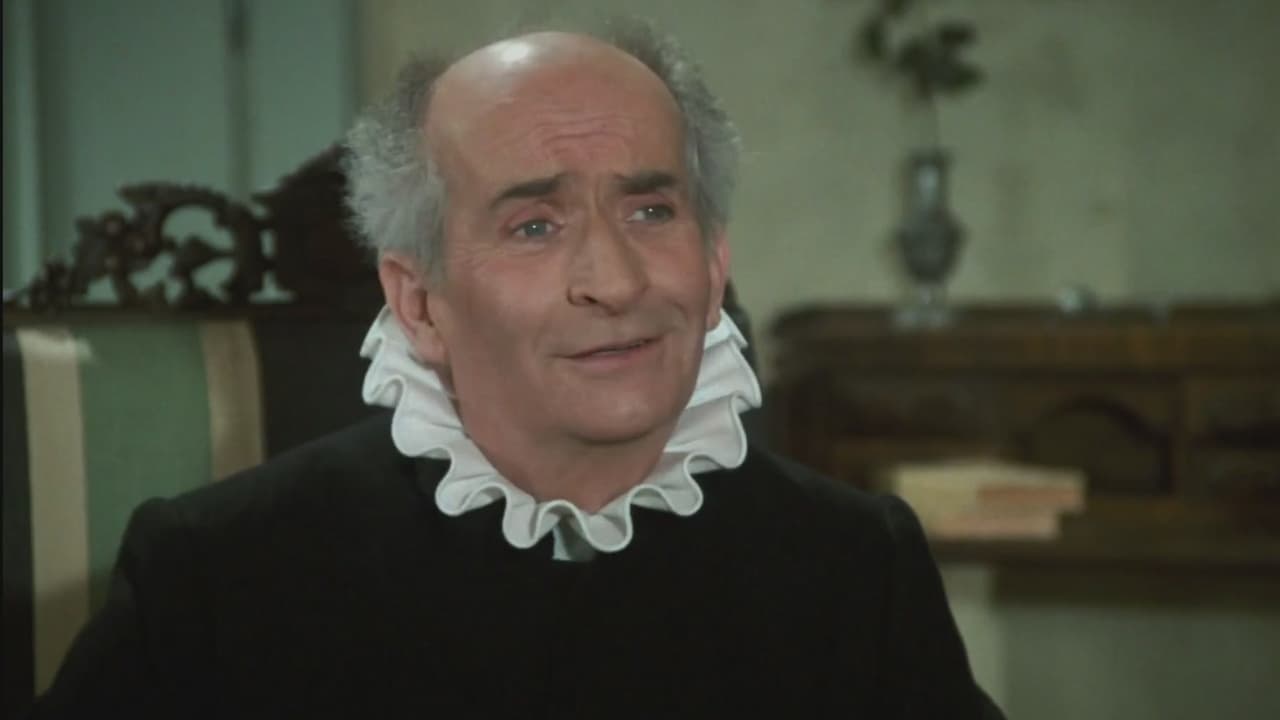
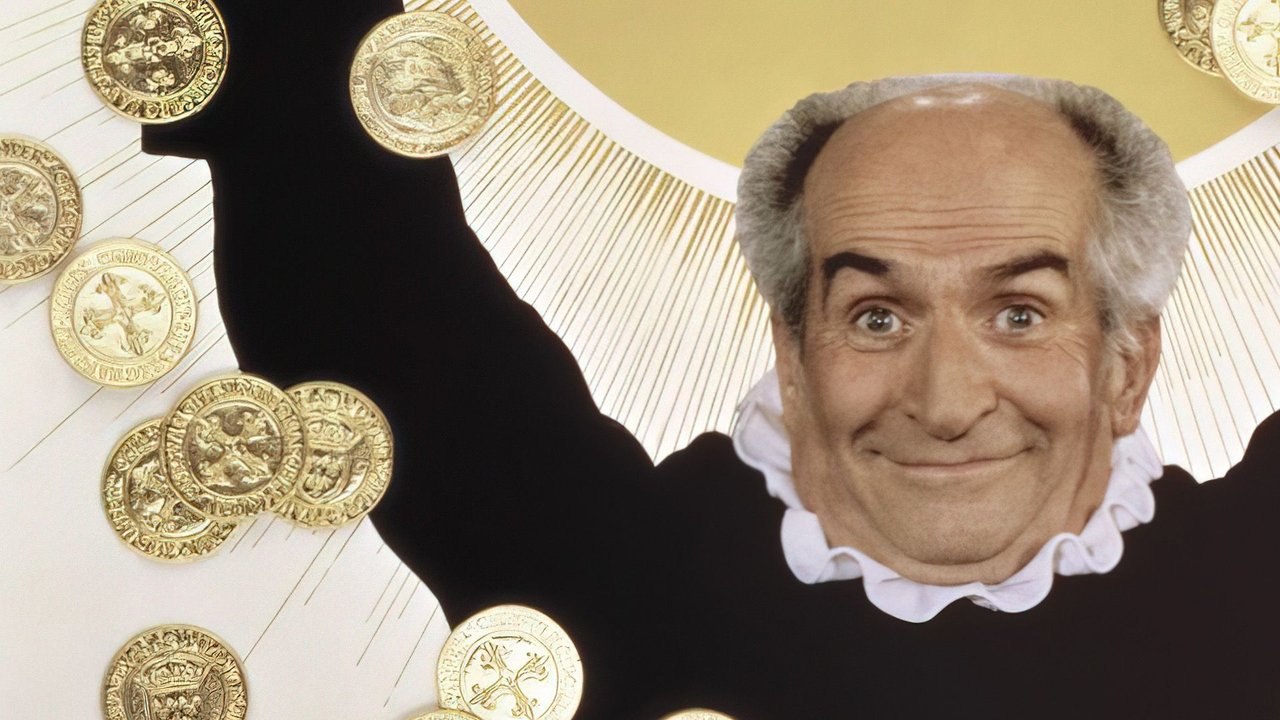
Let's talk about Louis de Funès. For audiences unfamiliar with his work, his performance here might be... a lot. He contorts his face, yelps, plots, gesticulates wildly, and throws himself around with the energy of a man half his age (he was in his mid-60s here, and sadly, this would be one of his final films). Harpagon isn't just cheap; he's a vortex of paranoia and greed, convinced everyone is after his hidden chest of gold coins. De Funès physicalizes this obsession brilliantly. Watch the scenes where he talks to his money, his eyes gleaming with more affection than he ever shows his own children (played with exasperated charm by Frank David and Anne Caudry). It’s pure comedic dynamite, relying entirely on the actor's commitment and timing – the kind of practical, performer-driven comedy that feels raw and immediate compared to today's often more polished, effects-aided gags.
His energy is infectious, often carrying scenes that might otherwise sag under the weight of the period dialogue. Remember how certain performances just felt bigger, almost leaping off the slightly fuzzy CRT screen? That's de Funès here. It's a performance style rooted in vaudeville and classic farce, something you rarely see anymore.
Surrounding the Storm
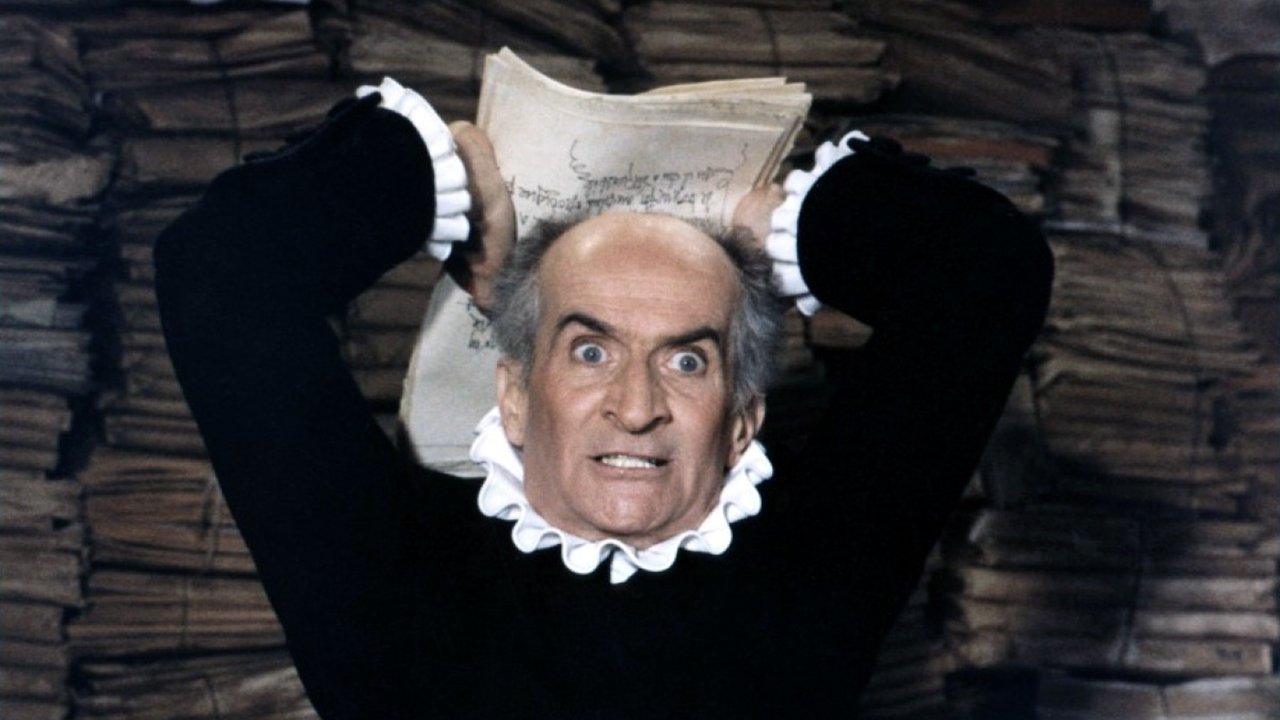
While de Funès is undoubtedly the whirlwind at the center, the film benefits from familiar faces from his cinematic universe. The ever-reliable Michel Galabru turns up as Master Jacques, Harpagon's long-suffering cook and coachman, delivering lines with a wonderful deadpan resignation that perfectly counters his boss's frenzy. And Claude Gensac, who so often played de Funès' wife on screen (famously in the Gendarme films), appears here as Frosine, the opportunistic matchmaker. Their chemistry, honed over years of collaboration, adds a layer of comfortable familiarity, even amidst the frantic plot machinations of arranged marriages, secret loves, and that all-important buried treasure. The score, too, often feels keyed directly into de Funès' manic rhythm, amplifying the comedic chaos.
A Labour of Love, Received with Gallic Shrugs?
Despite de Funès' passion and star power, The Miser wasn't a runaway smash hit in France upon release, unlike many of his previous films. Perhaps audiences found the blend of classic Molière and de Funès' signature modern mania a slightly awkward fit, or maybe the deliberately stagey presentation felt dated even in 1980. It certainly wasn't widely distributed internationally at the time, making those VHS copies feel even more like niche discoveries for North American viewers intrigued by the kinetic energy radiating from the box art. It’s a film that, arguably, plays better now as a fascinating time capsule – a snapshot of a particular brand of European comedy and a testament to a legendary comedian fulfilling a personal ambition.
Did some of the period costumes and hairstyles look a bit wild even back then? Absolutely. Does the pacing occasionally feel like it’s catching its breath between de Funès’ outbursts? Sure. But there’s an undeniable charm here, a commitment to the bit that’s hard not to admire. It's a film operating entirely on its own frequency.
Rating: 7/10
Why 7/10? This rating reflects the film's undeniable energy and Louis de Funès' powerhouse comedic performance, which is truly something to behold. It successfully captures the manic spirit of Molière's farce, and the supporting cast adds solid comedic value. However, its appeal might be somewhat niche; the extremely broad, theatrical style and de Funès' relentless energy won't be for everyone, and it occasionally feels more like a filmed play than a fully cinematic experience. It’s a vibrant, often hilarious curiosity piece and a must-see for de Funès fans, but perhaps not a universal crowd-pleaser.
Final Thought: The Miser is like finding that slightly battered, oversized novelty coin bank at a flea market – it’s loud, maybe a little gaudy, definitely a product of its time, but brimming with a peculiar, infectious energy that’s hard to forget. A monument to manic, practical comedy.