Alright fellow tape-heads, settle in. Remember that feeling? Scanning the 'New Releases' wall at Blockbuster, eyes glazing over the usual suspects, and then – BAM! – you spot something different. A cover that promises powdered wigs and pistols, but with an attitude that feels… modern. That’s the vibe I got stumbling upon Plunkett & Macleane back in the day, a 1999 slice of historical action that hit the screen with the swagger of a Britpop frontman crashing a costume drama. This wasn't your grandma's period piece; this was highway robbery by way of MTV.
Gentlemen of the Road, 90s Style
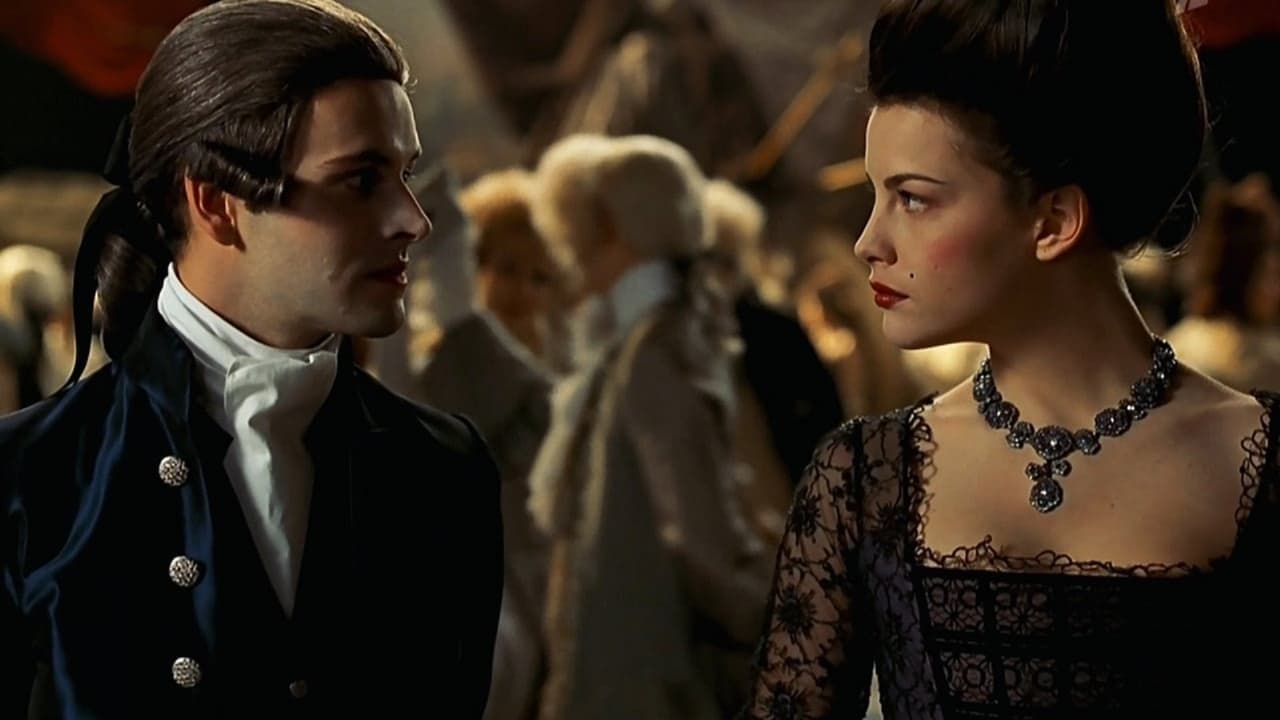
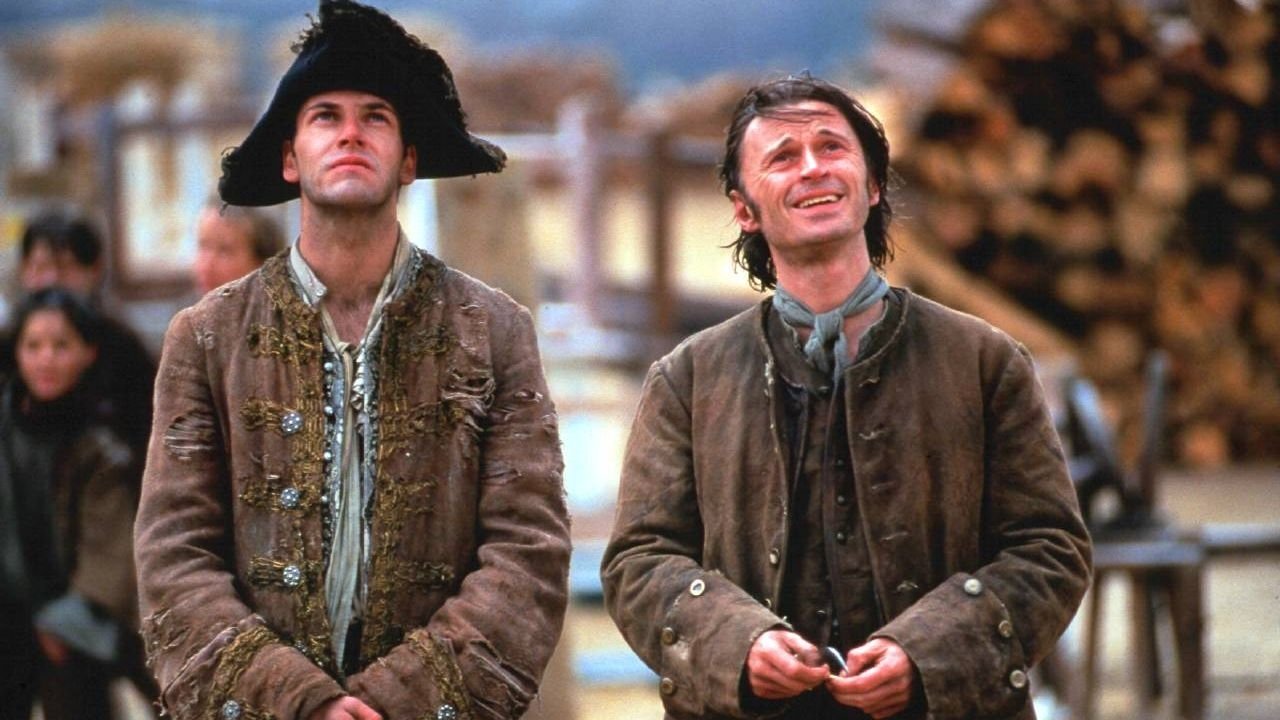
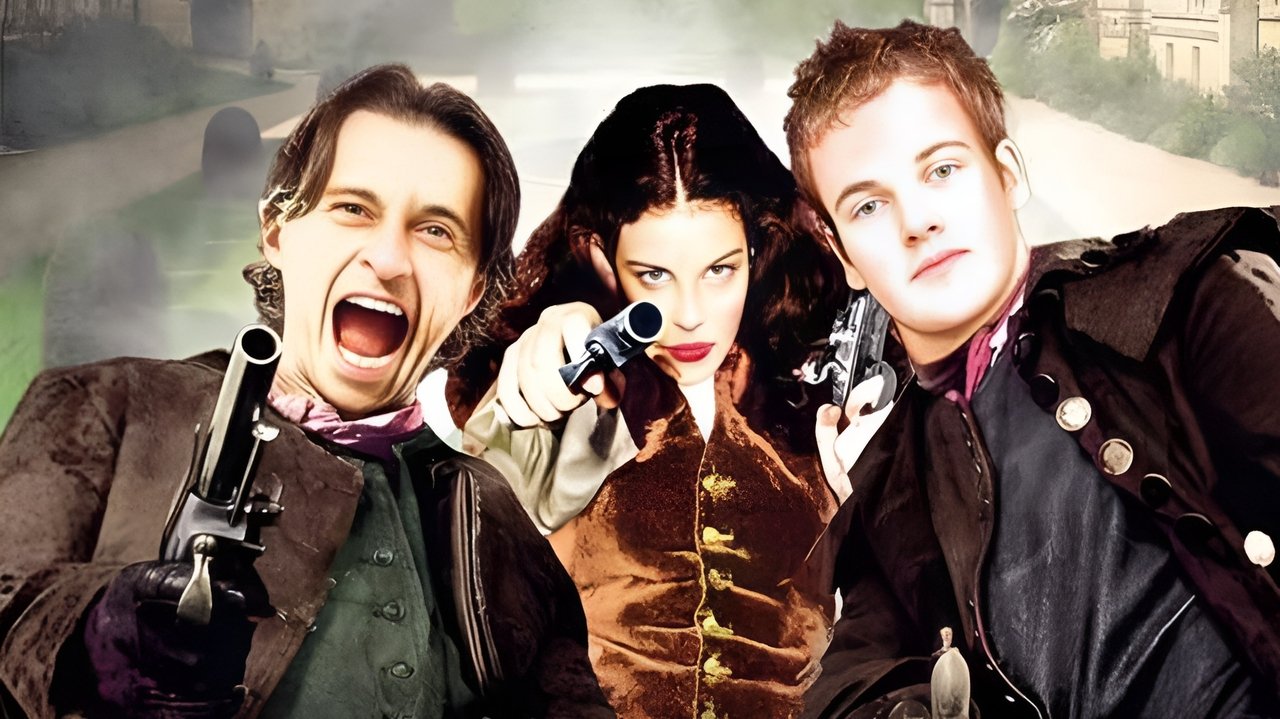
The setup is classic adventure fodder: London, 1748. Will Plunkett (Robert Carlyle), a rough-around-the-edges apothecary scraping by after a botched heist lands his partner in jail, bumps into Captain James Macleane (Jonny Lee Miller), a dashing but disgraced aristocrat drowning his sorrows. Plunkett has the street smarts and the grit; Macleane has the insider knowledge and the charm to navigate high society. Their plan? Become the most notorious highwaymen duo in England, robbing the rich under the noses of the powdered elite. It’s a partnership born of desperation and opportunity, fueled by Carlyle’s simmering intensity (hot off Trainspotting and The Full Monty) and Miller’s reckless charisma (also, famously, Trainspotting's Sick Boy). Their chemistry crackles – the pragmatic cynic versus the idealistic rogue.
But what truly set Plunkett & Macleane apart, especially on that slightly fuzzy CRT screen back then, was its sheer, unapologetic style. This was the feature debut of Jake Scott, son of the legendary Ridley Scott (who was busy prepping Gladiator around this time). Jake brought his extensive music video background (helming iconic videos for bands like R.E.M., Oasis, and Radiohead) directly into the DNA of this film. The editing is kinetic, the camera often handheld and prowling, and the whole thing is drenched in a cool, anachronistic aesthetic that felt thrillingly rebellious. Remember those freeze-frames and whip-pans during the robberies? Pure late-90s energy injected into the 18th century.
Gunpowder, Grit, and Practical Mayhem
Let's talk action, because Plunkett & Macleane delivered it with a raw energy that holds up surprisingly well. The highway robberies aren't polite affairs; they're sudden, chaotic bursts of violence. The carriage chases? Forget sleek, CGI-smoothed sequences. Here, you feel the precariousness, the splintering wood, the sheer weight of those lumbering vehicles careening through muddy tracks. It was grounded in a way that felt real, largely thanks to good old-fashioned practical stunt work. There's a tangible sense of danger when horses stumble or coaches overturn. That visceral quality, that feeling of actual metal crunching and real people potentially getting hurt, was the hallmark of great VHS-era action.
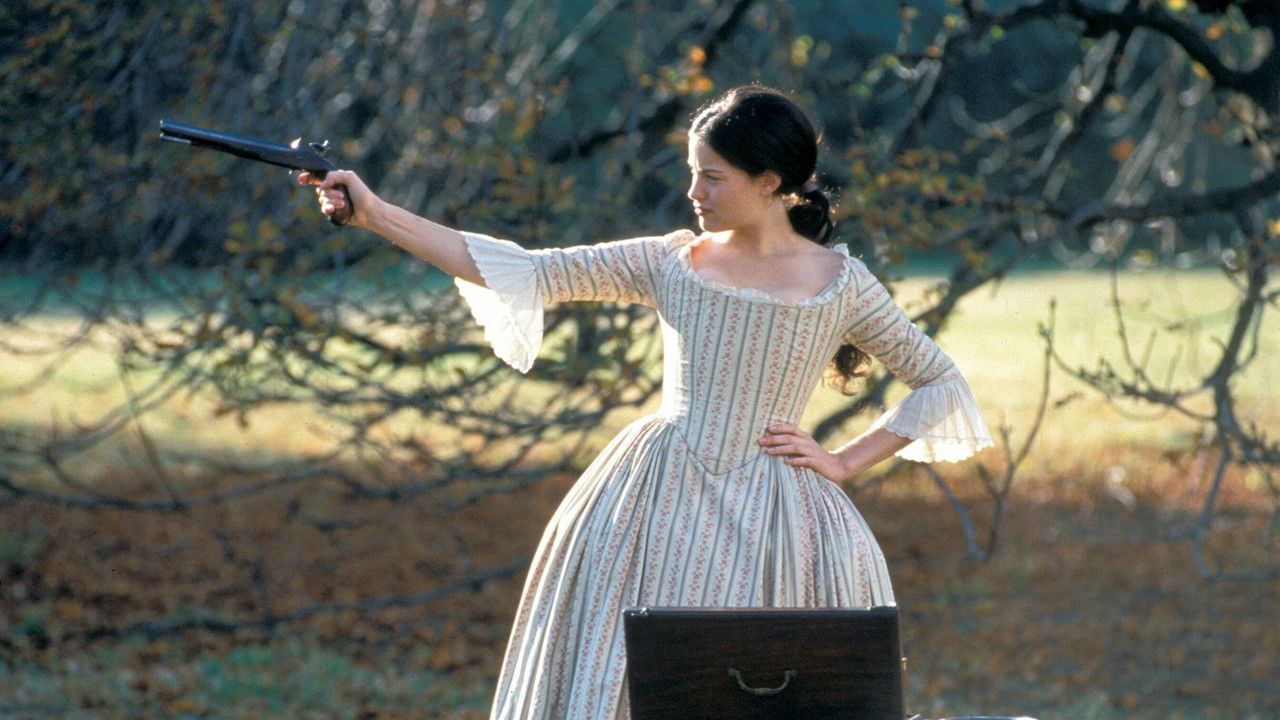
And the gunfights! They weren’t John Woo ballets, but they had a surprising brutality. Those flintlock pistols weren't just props; they roared, kicked, and belched smoke. Remember how loud and impactful those single shots felt compared to the endless bullet-hoses of today? The film captured that perfectly. It wasn't afraid to show the messy, dangerous reality of 18th-century combat, even amidst its stylish flourishes. Tracking them relentlessly is the grimly determined Thief Taker General Chance, played with gravelly menace by the always excellent Ken Stott, adding a constant threat that keeps the tension high.
Behind the Velvet and Cobblestones
This film was a fascinating product of its time. Penned by Neal Purvis and Robert Wade, who would, that very same year, launch their James Bond writing career with The World Is Not Enough, the script crackles with sharp dialogue even if the plot sometimes takes a backseat to the visuals. It’s loosely based on the exploits of real-life highwaymen, though considerably jazzed up for cinematic effect. A cool tidbit: much of the film’s grimy, atmospheric London was actually shot in and around Prague in the Czech Republic, a common cost-saving trick that lent European productions a unique visual texture often missing from Hollywood backlots. And while it wasn't a box office smash (earning back its modest budget but not much more), it quickly found its audience on home video, becoming a cult favorite for those who appreciated its audacious blend of history and rock 'n' roll. It even faced some minor tussles with censors over its violence and tone in some territories – always a badge of honour for a certain kind of 90s flick!
Of course, Liv Tyler features prominently as the aristocratic Lady Rebecca, Macleane's love interest, bringing her ethereal presence to the gritty proceedings. While perhaps slightly underwritten, she provides the crucial link between the underworld the duo inhabits and the high society they prey upon. The whole film is propelled by a fantastic score by Craig Armstrong (who also scored Moulin Rouge! and Love Actually later), cleverly blending orchestral sweep with modern beats and featuring licensed tracks that further cemented its unique identity.
Style Over Substance? Maybe. Fun? Definitely.
Look, critics at the time were divided. Some praised the energy and visual invention; others dismissed it as style over substance, complaining the historical setting was just window dressing for modern action tropes. And maybe they had a point. The plot isn't the most complex, and character motivations occasionally get lost in the shuffle. But for many of us discovering it on VHS, the style was the substance. It was exciting, different, and unapologetically cool. It dared to mess with the expected conventions of a period drama, injecting it with adrenaline and attitude.
VHS Heaven Rating: 7/10
Plunkett & Macleane earns a solid 7 for its sheer bravado, infectious energy, strong central performances, and its commitment to a unique visual and sonic identity. The action feels tangible, the style is unforgettable, and the central pairing of Carlyle and Miller is dynamite. It might lack the depth of a true historical epic, and its pacing occasionally wobbles, but its flaws are part of its charm. It’s a film that perfectly captures that late-90s desire to make everything feel edgy and contemporary, even history itself.
Final Take: A rollicking, stylish blast of highwayman action fueled by Britpop swagger and practical grit. It’s like finding a scuffed-up punk rock 7-inch tucked inside a dusty history book – maybe not high art, but undeniably cool and worth spinning again.