Okay, fellow tapeheads, settle in. Sometimes, digging through the metaphorical crates of late-90s cinema unearths something far stranger than a forgotten blockbuster or a quirky rom-com. Today, we’re not talking about comfortable nostalgia, but about a piece of celluloid shrapnel that still feels dangerous, a film that claws its way under your skin: Peter Tscherkassky’s 1999 experimental short, Outer Space. This isn't likely one you casually grabbed from the New Releases wall at Blockbuster – finding this gem likely meant seeking out the avant-garde fringes, maybe catching it on a grainy nth-generation VHS copy passed between enthusiasts. And perhaps that's fitting, because Outer Space feels less like a movie and more like witnessing the very medium of film tearing itself apart.
From Horror Trope to Celluloid Nightmare
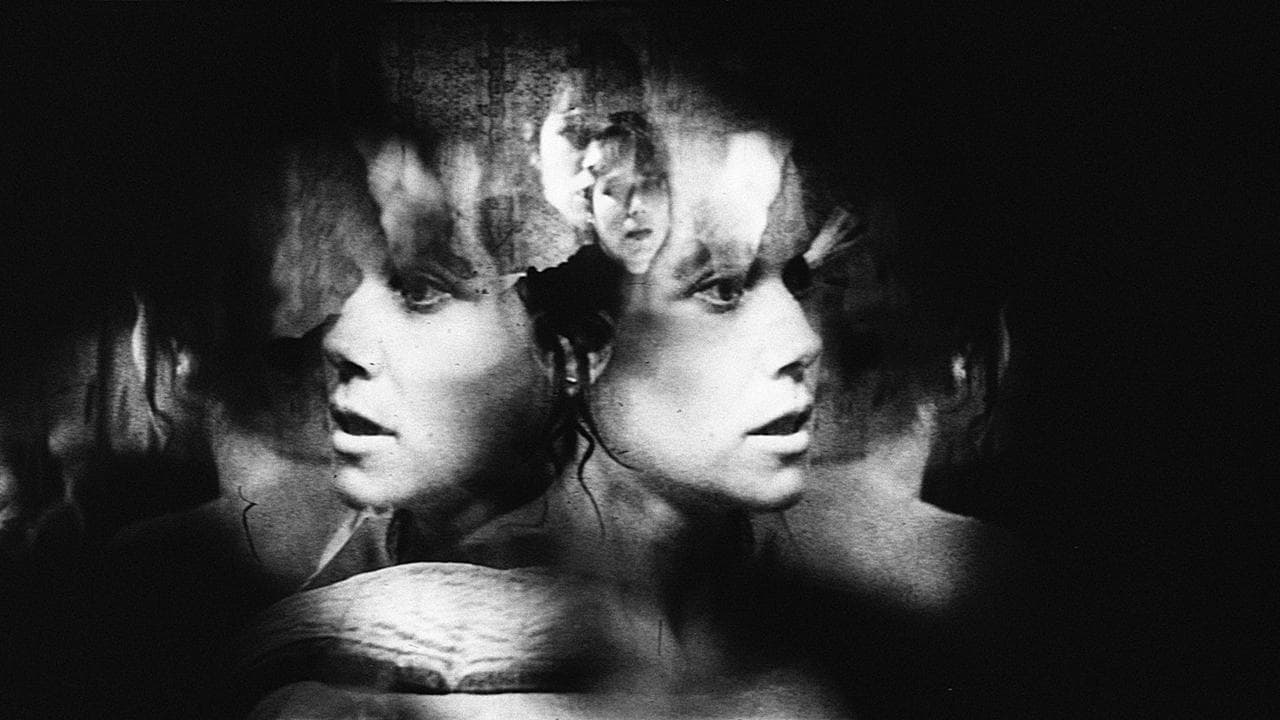
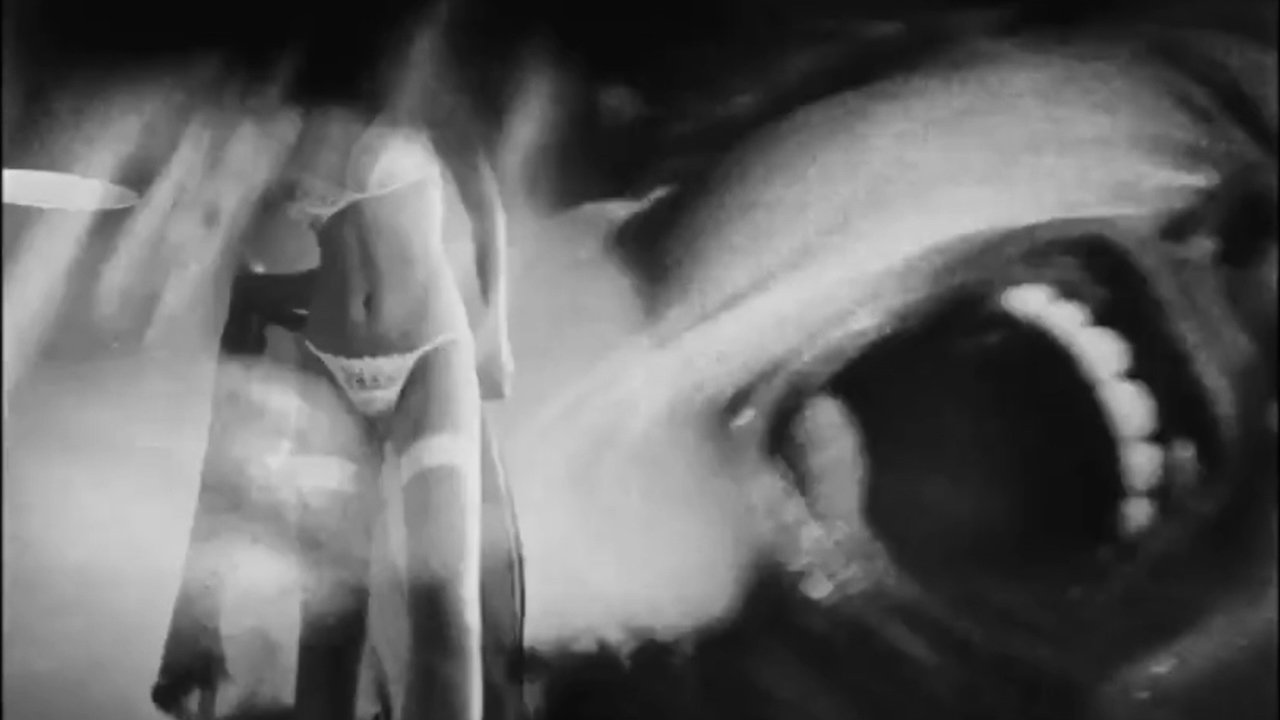
The first unsettling realization hits when you recognize the face amidst the visual chaos: it's Barbara Hershey. What Tscherkassky does here is audacious, almost parasitic. He takes footage from Sidney J. Furie's 1982 supernatural horror film The Entity – a film already deeply disturbing in its portrayal of a woman repeatedly violated by an unseen force – and subjects it to a brutal physical transformation. This isn't digital trickery; Tscherkassky worked directly with the filmstrips in the darkroom, using contact printing techniques to layer, fracture, and superimpose images, effectively attacking the emulsion itself. The result is a 10-minute assault where Hershey's image flickers, breaks, burns, and is overlaid with sprocket holes, frame lines, and optical sound patterns – the very architecture of film becomes an active participant in her terror. It’s a profound piece of trivia that illuminates the entire work: the source material about violation is itself visually violated in the process of creating Outer Space.
An Atmosphere of Pure Sensory Assault
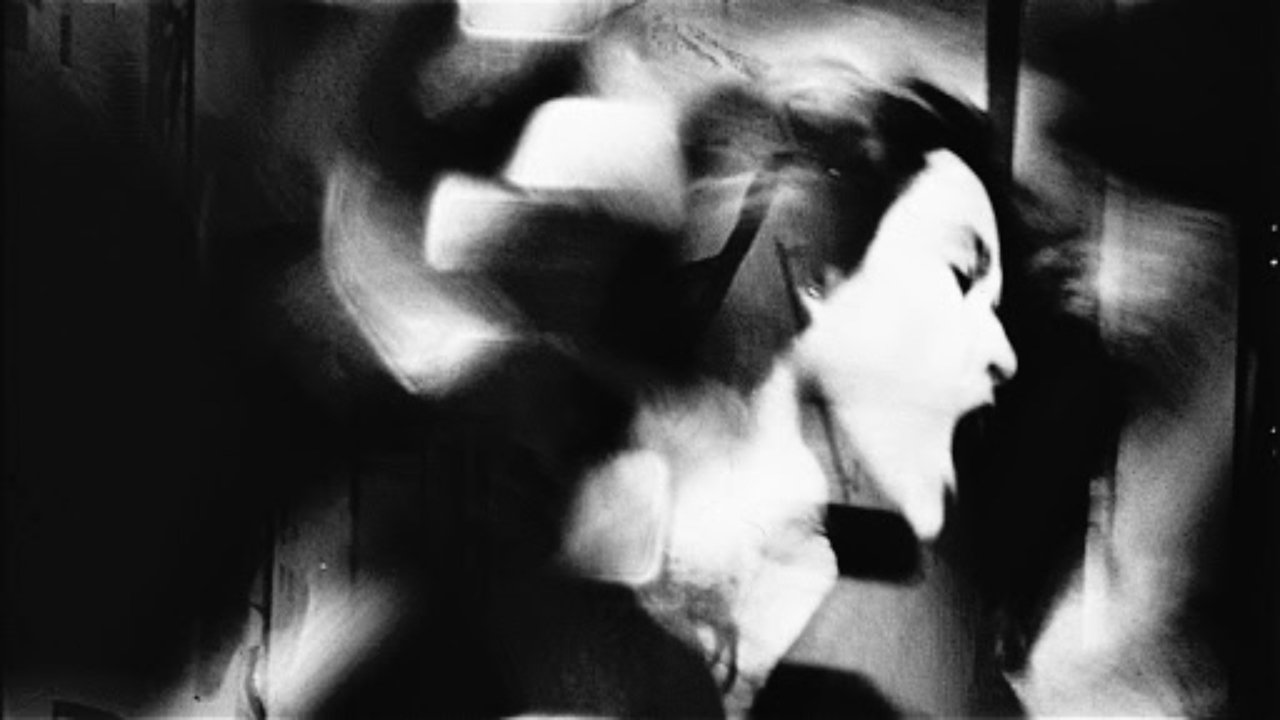
Forget plot. Forget character arcs in the traditional sense. Outer Space operates on the level of pure sensation, crafting an atmosphere thick with dread and disorientation. The screen becomes a battleground. Hershey's face, often trapped within the confines of a house (mirroring The Entity's setting), dissolves into abstract patterns. Windows shatter inwards not just visually, but seemingly across the very fabric of the film. The soundtrack is equally fragmented – snatches of sound, distorted screams, the amplified noise of the projector itself – creating a jarring, almost unbearable soundscape. Watching it feels like experiencing a transmission from a dying VCR, possessed by something malevolent. It's less a story being told and more a nervous system being directly stimulated, even overloaded. Doesn't it make you wonder about the limits of what film can convey, or perhaps inflict?
A Performance Refracted Through Violence
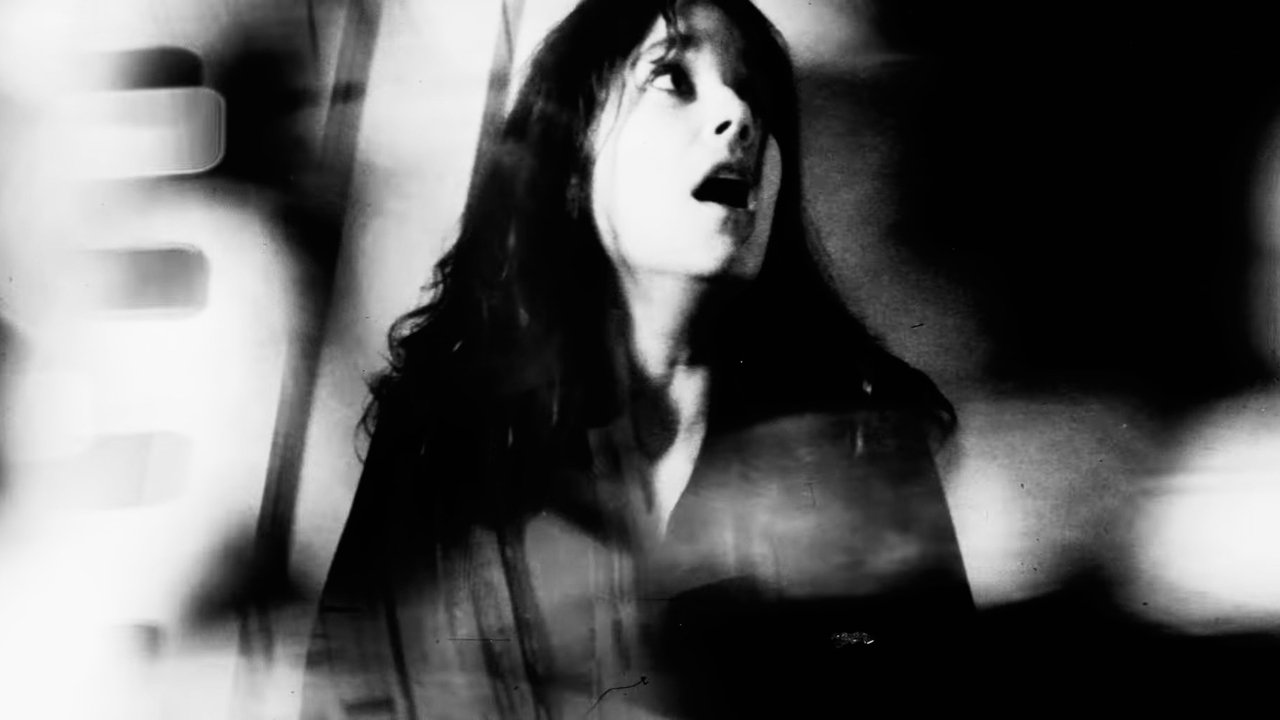
What becomes of Barbara Hershey's original performance? In The Entity, her portrayal of Carla Moran is raw, vulnerable, and deeply affecting. Tscherkassky isolates moments of her fear, her screams, her desperate glances, but refracts them through his destructive process. Her performance is no longer about embodying a character; it becomes a symbol of terror itself, multiplied and shattered. She’s both the subject and seemingly a victim of the film medium. It’s a challenging transformation – we see her terror, but it's decontextualized, repeated, and visually distorted until it becomes almost abstract, yet somehow more visceral. The authenticity of her original fear, captured for a different narrative entirely, fuels the nightmare here in a way manufactured scares rarely could.
The Medium is the Maelstrom
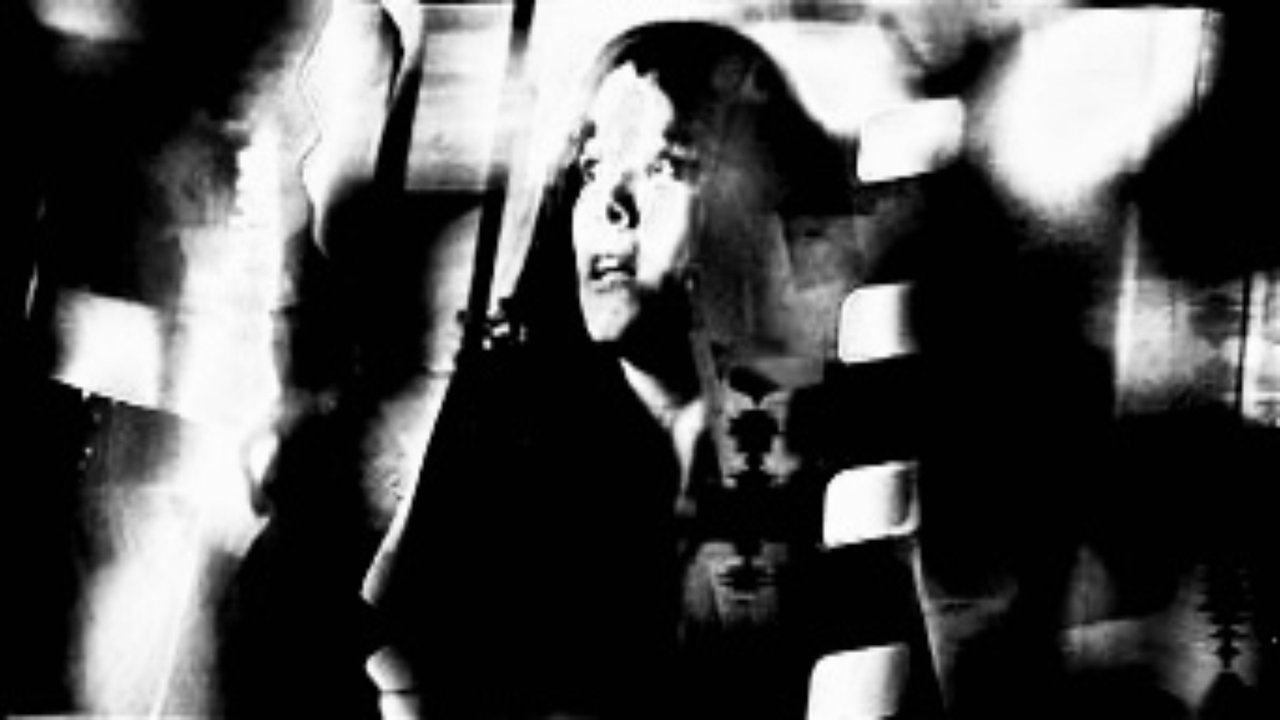
Ultimately, what lingers after the onslaught of Outer Space? It's a film intensely aware of its own materiality. In an era (1999) teetering on the edge of the digital revolution, Tscherkassky's work feels like a primal scream from the heart of analog filmmaking. It’s a testament to the physical, tactile nature of celluloid – something we implicitly understood with VHS tapes, their satisfying clunk into the machine, the occasional tracking adjustment needed. Here, that physicality is weaponized. The film strip isn't just a carrier of images; it is the image, scarred and tortured. It forces us to confront the act of looking, the relationship between the filmed subject and the apparatus capturing it. It's deeply unsettling, asking profound questions about representation and trauma without uttering a single coherent sentence.
Rating and Final Reflection
Outer Space is not entertainment in the conventional sense. It’s difficult, demanding, and potentially upsetting. Judging it against a typical narrative film feels like comparing apples and oranges that have been put through a blender. However, as a piece of experimental filmmaking, as a technical feat of darkroom alchemy, and as a powerful statement on the medium itself, it is undeniably brilliant and profoundly effective.
Rating: 9/10 – This score reflects its near-perfect execution as an experimental work. It achieves precisely what it sets out to do: to deconstruct, to disturb, and to showcase the violent potential latent within the film medium itself. It's a masterpiece of found footage manipulation, but its power is abrasive, not comforting.
This isn't a tape you'd pop in for a cozy night, but its flickering, fragmented images might just haunt the back corners of your mind long after the static fades. It’s a potent reminder that sometimes, the most powerful experiences in cinema come not from the stories told, but from the very way they are torn apart before our eyes. What does it say about cinema when its own building blocks can be turned into instruments of such visceral unease?