It’s impossible, isn't it, to think about EDtv without its shadow companion, The Truman Show, lurking nearby? Released within months of each other in that cusp-of-a-new-millennium haze of 1998-1999, both films tackled the burgeoning, slightly terrifying concept of life lived entirely under the camera's gaze. But where Truman felt like a meticulous fable, a philosophical puzzle box about free will and manufactured reality, EDtv grounded itself in something perhaps more unsettlingly familiar, even back then: the voluntary surrender of privacy for the intoxicating drug of fame. Rewatching it now, that worn tape hiss almost whispering forgotten anxieties, feels like excavating a strangely predictive time capsule.

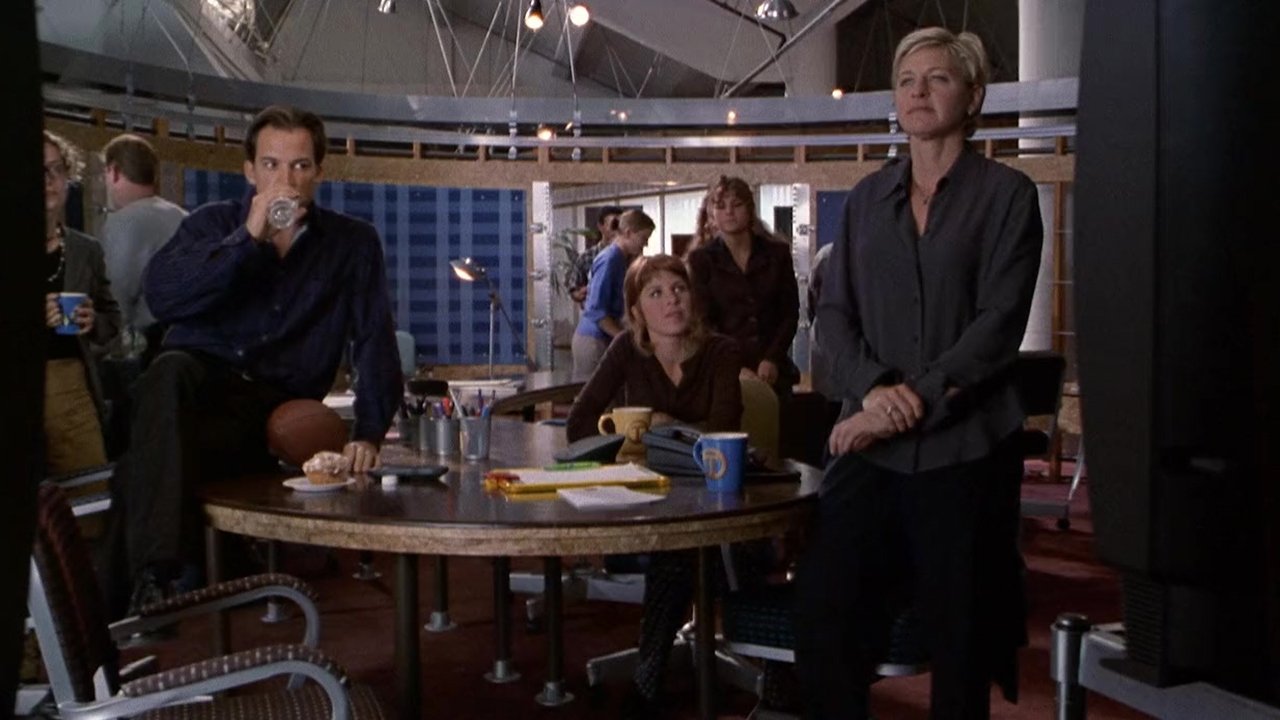
Directed by the ever-reliable Ron Howard – a filmmaker who always possessed a knack for finding the human heart within high concepts (Splash, Apollo 13) – and penned by his frequent collaborators Lowell Ganz and Babaloo Mandel (adapting the French-Canadian film Louis 19, le roi des ondes), EDtv dives headfirst into the chaotic world of late-90s cable television. Facing cancellation, the fictional True TV network, spearheaded by the ambitious Cynthia Topping (Ellen DeGeneres in a sharp, pre-talk-show turn), hatches a desperate plan: broadcast one ordinary person's life, 24/7, unedited. Their chosen everyman? Amiable, slightly goofy San Francisco video store clerk Ed Pekurny.
The Charisma and the Cage
Enter Matthew McConaughey as Ed. This was peak early-career McConaughey – all easy charm, infectious grin, and that laid-back Texas drawl. He perfectly embodies the kind of guy you could imagine becoming an accidental superstar. He’s relatable, watchable, and initially thrilled by the attention. The film captures that early honeymoon phase brilliantly – the sudden perks, the public adoration, the sheer novelty of it all. We, the audience, get swept up alongside Ed. It feels fun, exciting, a harmless adventure. Wasn't that the initial promise of so much reality TV that would follow?
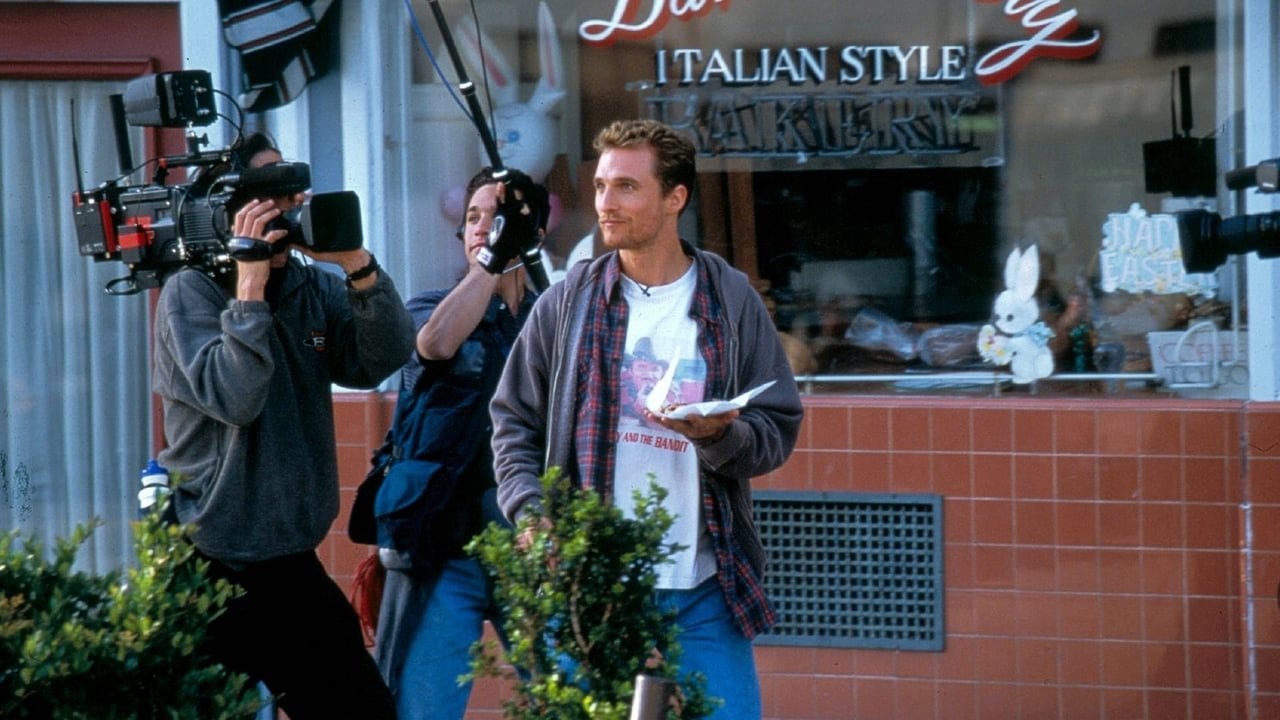
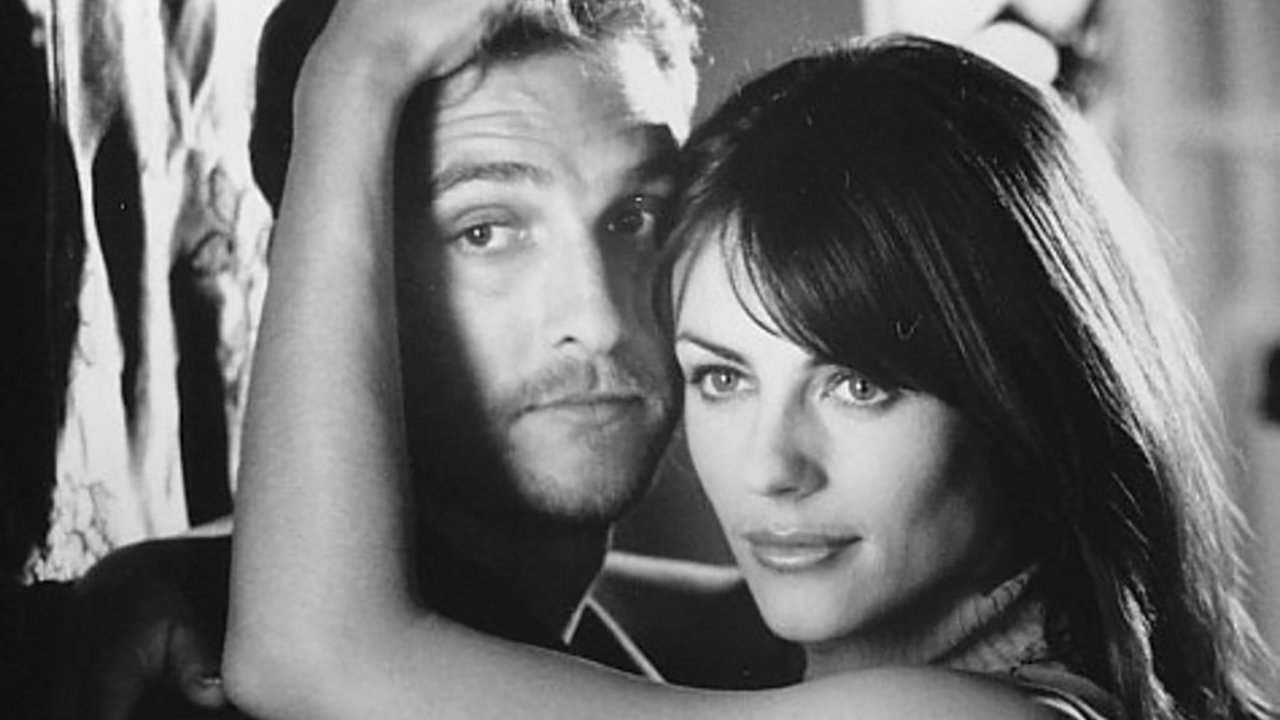
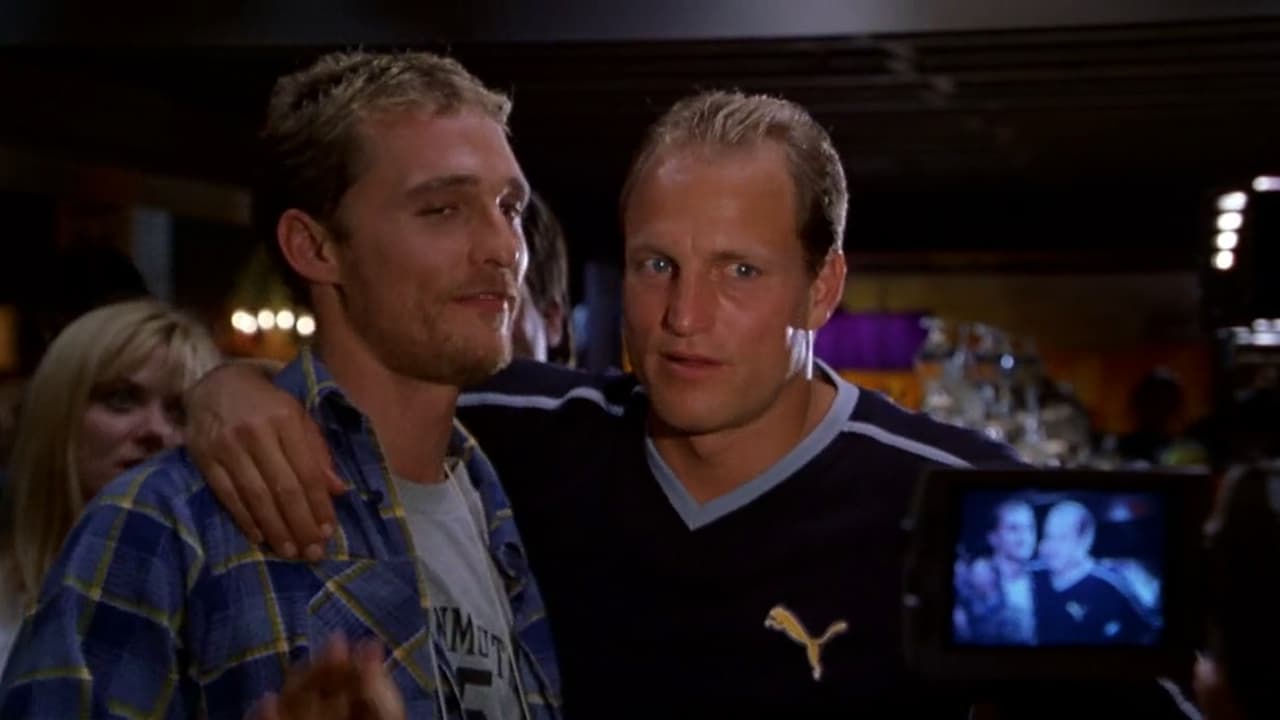
But Howard, Ganz, and Mandel are too smart to leave it there. The genius, and the discomfort, of EDtv lies in its slow, inevitable reveal of the true cost. Unlike Truman Burbank, Ed chose this. He signed the contract. And yet, the cage becomes just as real. His relationship with the down-to-earth Shari (Jenna Elfman, radiating warmth and believable frustration fresh off her Dharma & Greg success) fractures under the relentless scrutiny. His family dynamics – particularly with his loudmouth, scene-stealing brother Ray (Woody Harrelson, perfectly cast as the opportunistic sibling) and his estranged parents (Martin Landau delivering a typically nuanced performance and Sally Kirkland) – become public soap opera fodder. Privacy isn't just violated; it evaporates entirely.
A Prescient Look, Perhaps Too Soon?
Looking back from our hyper-connected, influencer-saturated present, EDtv's satire feels startlingly sharp, almost prophetic. The public's insatiable appetite for manufactured intimacy, the way personal lives become consumable content, the corporate exploitation masked as entertainment – it's all there. The film even touches on the manufactured drama and narrative shaping that define modern reality shows, with network executives (Rob Reiner chewing scenery as the ruthless boss) manipulating events for ratings. It begs the question, watching it flicker on a CRT screen again, did we heed any of its warnings?
Perhaps one of the film's biggest hurdles, commercially speaking, was its timing. Retro Fun Fact: Arriving so quickly after the critical and popular success of The Truman Show, EDtv inevitably suffered from comparisons. While Truman offered a more philosophical and visually distinct experience, EDtv's grounded, almost cinéma vérité approach (within its narrative) felt less like a high-concept allegory and more like a plausible, messy glimpse into a potential near-future. Budgeted around $80 million, its $35 million domestic gross suggests audiences might have felt they'd just seen this story, albeit told differently. Ron Howard himself noted wanting a more naturalistic feel compared to Truman's controlled world, focusing on the voluntary aspect of exposure.
Another interesting tidbit: the film’s source, Louis 19, le roi des ondes (1994), actually predates the initial buzz around The Truman Show’s development, highlighting how these ideas about media saturation were percolating independently in the cultural consciousness.
The Human Element Amidst the Circus
Despite the media circus swirling around Ed, the film works best when focusing on the human cost. McConaughey effectively charts Ed's journey from naive enthusiasm to desperate claustrophobia. Elfman provides the crucial emotional anchor, her portrayal of Shari’s struggle for normalcy amidst the chaos feeling deeply authentic. The supporting cast, including a memorable turn by Dennis Hopper as Ed's biological father, adds layers to the Pekurny family saga, making their dysfunction feel both comedic and genuinely painful under the public lens.
Howard's direction keeps the sprawling narrative focused, balancing the satirical jabs with genuine character moments. He uses the diegetic cameras – the ones supposedly broadcasting Ed's life – cleverly, often framing shots through them, immersing us in the relentless surveillance. While the late-90s tech feels almost quaint now (bulky cameras, the dominance of broadcast cable), it serves as a potent reminder of how rapidly our relationship with media and being "seen" has evolved. Could anyone then have truly envisioned the pocket-sized, self-broadcast studios we all carry today?
Final Reflection & Rating
EDtv might have been overshadowed upon release, but revisiting it offers a surprisingly resonant experience. It's a smart, funny, and ultimately cautionary tale about the allure and the trap of fame in the burgeoning age of mass media. While perhaps not as elegantly constructed as The Truman Show, its messy, grounded approach and focus on voluntary participation give it a unique and enduring relevance. The performances, particularly from McConaughey, Elfman, and Harrelson, anchor the satire in believable human emotion. It captures a specific moment – that late-90s, pre-social media anxiety about where television and celebrity were heading – with uncanny accuracy.
Rating: 7/10
Justification: EDtv earns a solid 7 for its sharp prescience regarding reality TV culture, strong central performances that ground the satire, and Ron Howard's capable direction. It successfully balances comedy and drama, asking pertinent questions about privacy and fame. It loses points primarily due to the unfortunate timing of its release relative to The Truman Show, which inevitably coloured its reception, and perhaps a slightly less focused narrative arc in its latter half compared to its stellar setup.
Watching EDtv today feels less like discovering a forgotten gem and more like unearthing a prophecy that partially came true, wrapped in the comfortable nostalgia of a late-90s video store find. It leaves you pondering not just the price Ed paid, but the one we all might be paying now, willingly or not, in our own constantly documented lives.