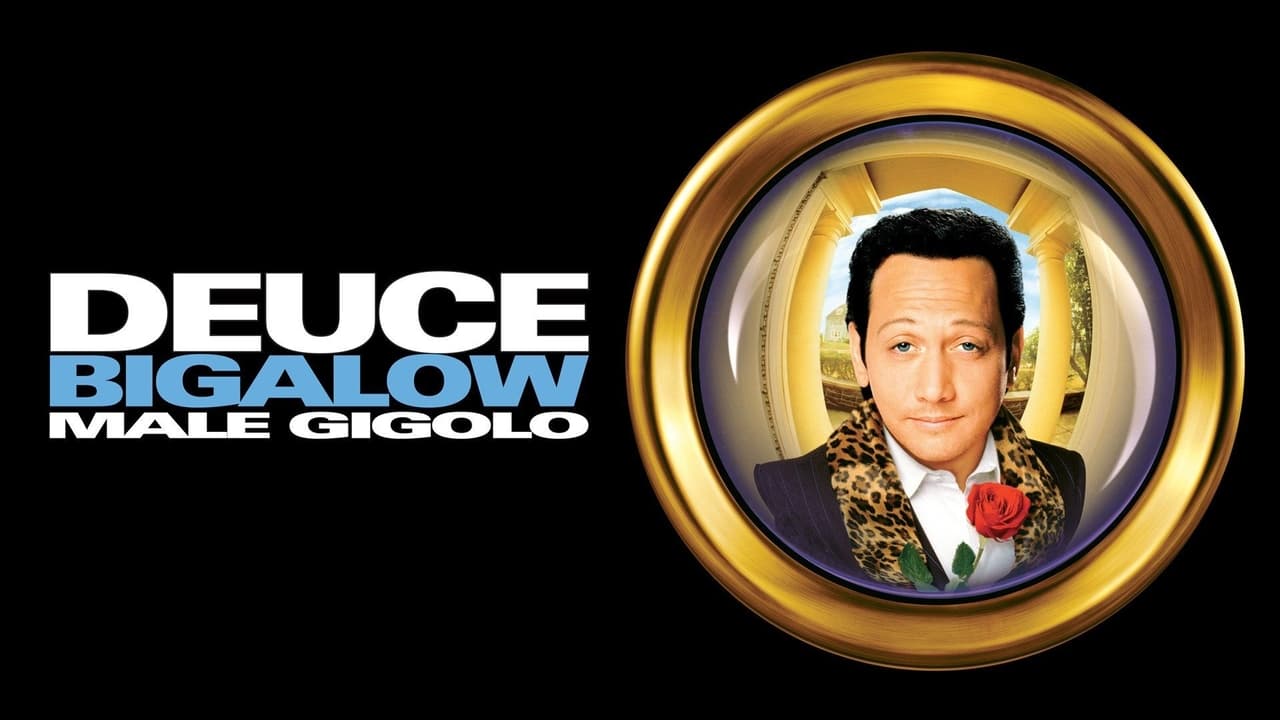
Alright, settle in, pop that tape in the VCR (you might need to adjust the tracking), and let's talk about a film that perfectly encapsulates the specific brand of goofy, sometimes questionable, but undeniably memorable comedy flooding video store shelves in the late 90s: 1999’s Deuce Bigalow: Male Gigolo. This wasn't high art, folks, and it never pretended to be. It was Rob Schneider, stepping out from the shadow of his buddy Adam Sandler's bigger hits, taking center stage in a premise so fundamentally silly it almost dared you not to chuckle.

Remember finding this box on the "New Releases" wall? The slightly sleazy grin, the promise of lowbrow antics? It felt like a quintessential Friday night rental, something you’d grab alongside a pizza, maybe hide from your parents, and watch with friends, ready to laugh at things you probably shouldn't. And honestly? Sometimes, it delivered exactly what it promised.
From Fish Tanks to... Well, That
The setup is pure high-concept fluff: Deuce Bigalow (Rob Schneider) is a dedicated but down-on-his-luck fish tank cleaner. He loves his aquatic charges, but life isn't exactly glamorous. Through a series of improbable events involving a trashed luxury apartment belonging to suave gigolo Antoine Laconte (Oded Fehr), Deuce finds himself needing to raise a ridiculous amount of cash, fast. His solution? Taking over Antoine's "man-whore" business, servicing a clientele that, shall we say, falls outside the typical Hollywood depiction of romantic interests.
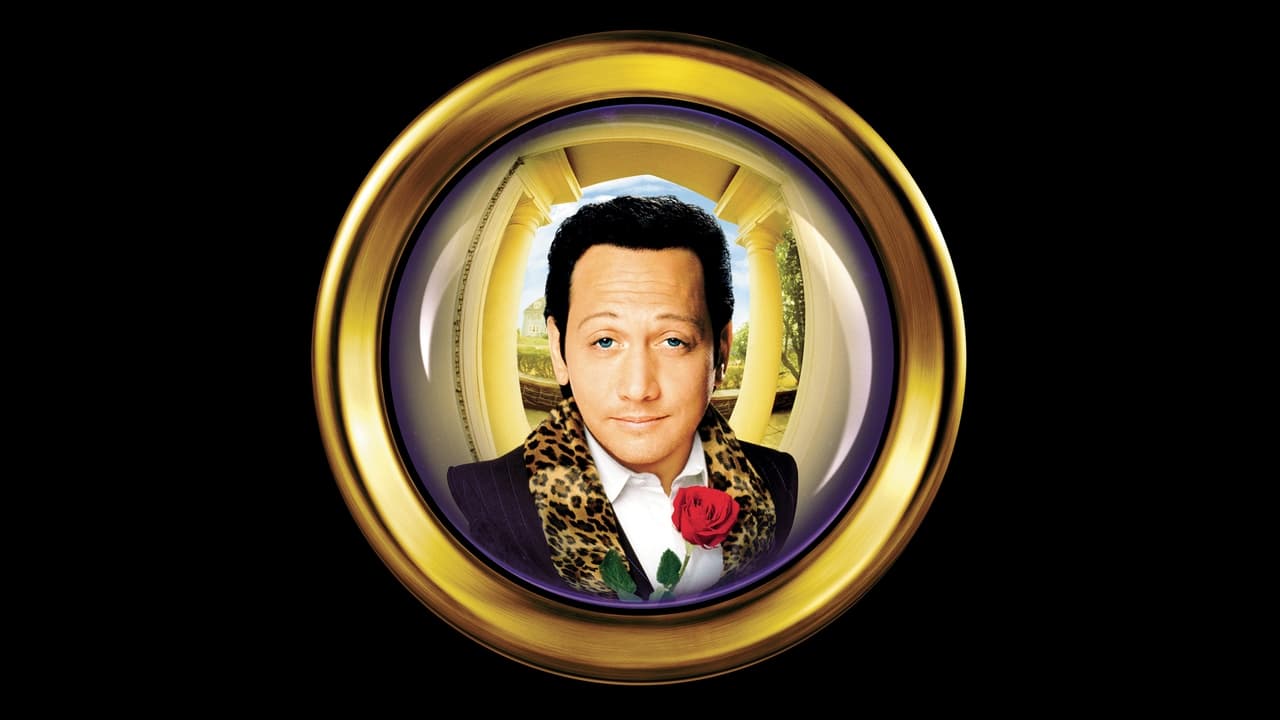
This premise was apparently sparked when Schneider and co-writer Harris Goldberg heard a true story (well, "true" in the Hollywood sense) about a friend's pool boy who dated one of his wealthy, less conventionally attractive clients. They ran with it, and under the banner of Sandler's fledgling Happy Madison Productions (this was their first non-Sandler starring film!), they crafted a vehicle perfectly tailored to Schneider's particular brand of awkward, physically committed comedy.
The Charm of the Absurd
Let’s be clear: the humor in Deuce Bigalow is broad. Very broad. We're talking narcolepsy jokes, Tourette's syndrome gags, giantism sight gags, and jokes centered around obesity and amputation. Watching it now, some of it feels decidedly dated, a product of a time when "edgy" often just meant "kind of insensitive." Yet, there's an odd sweetness sometimes bubbling under the surface. Deuce himself is portrayed as fundamentally decent, often bewildered by the situations but rarely cruel. He connects with these women, finding the person behind the peculiarity, even if the path there is paved with pratfalls and bodily function jokes.
Rob Schneider throws himself into the role with gusto. His background on Saturday Night Live served him well here; he’s adept at playing the put-upon everyman reacting to escalating absurdity. Whether he’s dealing with uncontrollable swearing or navigating a date with a woman who’s literally inches taller than him, his commitment sells the gags more often than they perhaps deserve. Remember that scene involving the prosthetic leg? Pure late-90s shock comedy, delivered with Schneider's signature wide-eyed panic.
Not Just Deuce
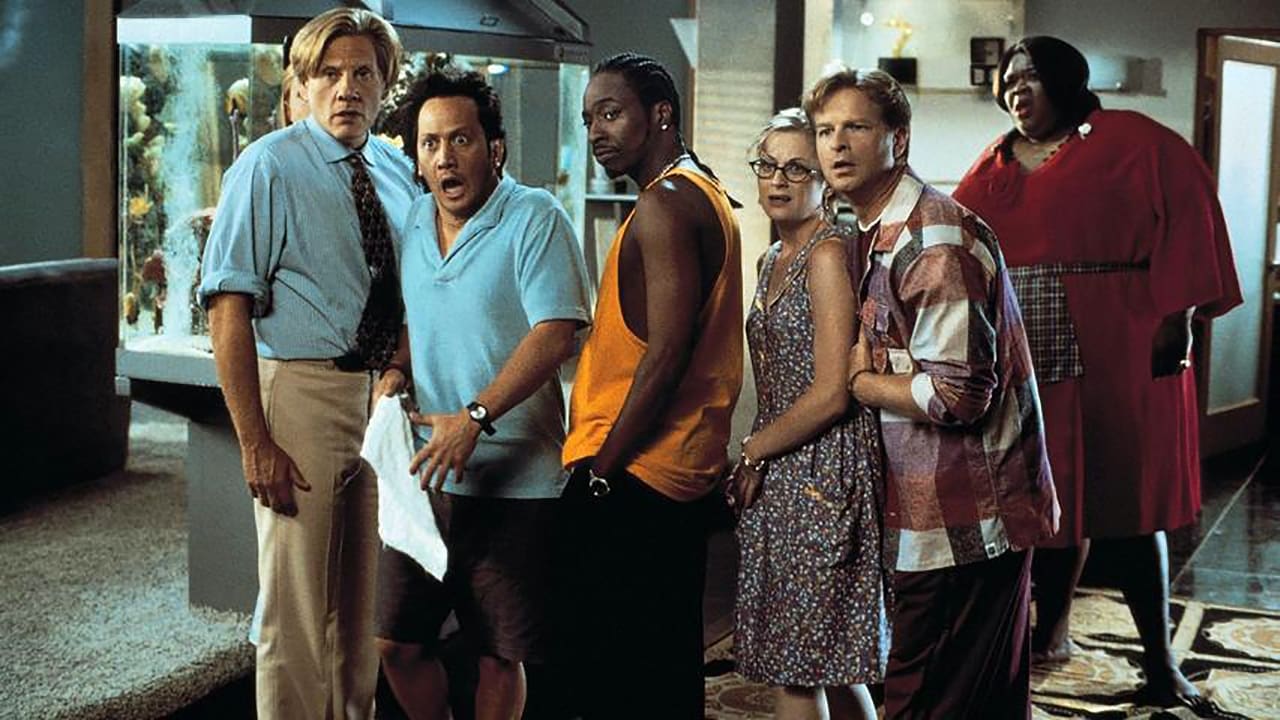
The supporting cast adds to the controlled chaos. William Forsythe, usually playing terrifying heavies (think Raising Arizona or Dick Tracy), is hilarious as the grumpy, obsessed Detective Chuck Fowler, convinced Deuce is involved in something far more sinister. His escalating frustration is a great counterpoint to Deuce's bumbling. And then there's Eddie Griffin as T.J. Hicks, the flamboyant and aggressively entrepreneurial pimp who takes Deuce under his wing. Griffin brings infectious energy, stealing scenes with his rapid-fire delivery and outrageous outfits. He became one of the most quoted parts of the movie ("That's a huge bitch!").
The direction by Mike Mitchell, making his feature debut, keeps things moving at a brisk pace. There’s no lingering artistry here; it’s functional, get-the-joke-across filmmaking, perfectly suited to the material. Mitchell would, surprisingly, go on to direct much bigger animated features like Shrek Forever After (2010) and The LEGO Movie 2: The Second Part (2019) – quite the career trajectory from male gigolo antics!
A Surprise Hit That Divided
Shot on a relatively modest budget of around $17 million, Deuce Bigalow became a sleeper hit, pulling in over $92 million worldwide. Audiences, particularly younger ones tuning into that specific wave of post-Something About Mary gross-out comedy, clearly connected with its goofy charm and quotable lines. Critics, however, were largely unimpressed, often savaging its lowbrow humor and perceived lack of sophistication. But isn't that often the case with these kinds of VHS staples? The movies critics dismissed but we wore out the tape watching? It definitely found its audience, enough to spawn the less-said-the-better sequel Deuce Bigalow: European Gigolo in 2005.
VHS Heaven Rating: 6/10
Look, Deuce Bigalow: Male Gigolo isn't aiming for the comedy hall of fame. It's crude, it's silly, and some of its humor hasn't aged gracefully. But judged on its own terms – as a late-90s studio comedy designed for easy laughs and showcasing Rob Schneider's specific talents – it largely succeeds. The supporting cast is fun, a few gags genuinely land, and there’s a weird, undeniable heart buried beneath the outrageousness. It perfectly captures that moment when comedies were pushing boundaries (sometimes clumsily) and Happy Madison was finding its footing.
Final Take: It’s a relic of a specific comedic era, powered by Schneider’s willingness to do just about anything for a laugh. Not essential viewing, but if you rented it back then and chuckled, revisiting it now might just spark that same goofy, slightly embarrassed nostalgia. Just keep the tracking steady.