Alright, fellow tapeheads, let's rewind to a time when franchise sequels didn't always hit the big screen, sometimes landing right on our fuzzy CRT TVs via the magic of network television. Remember scrolling through the guide and seeing a familiar title with a new number attached? That's exactly the vibe for 1994's Revenge of the Nerds IV: Nerds In Love, a Fox TV movie that brought back some beloved geeks for one more, significantly milder, adventure.
Return to Adams College... Sort Of
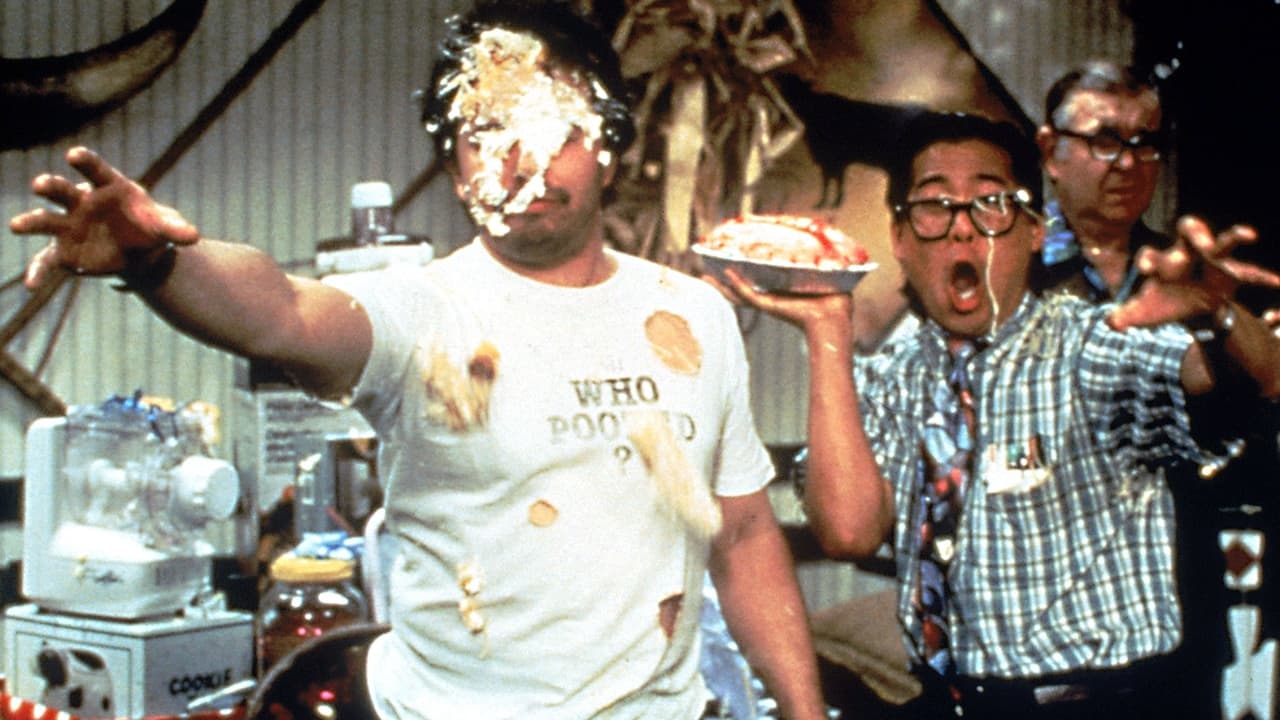
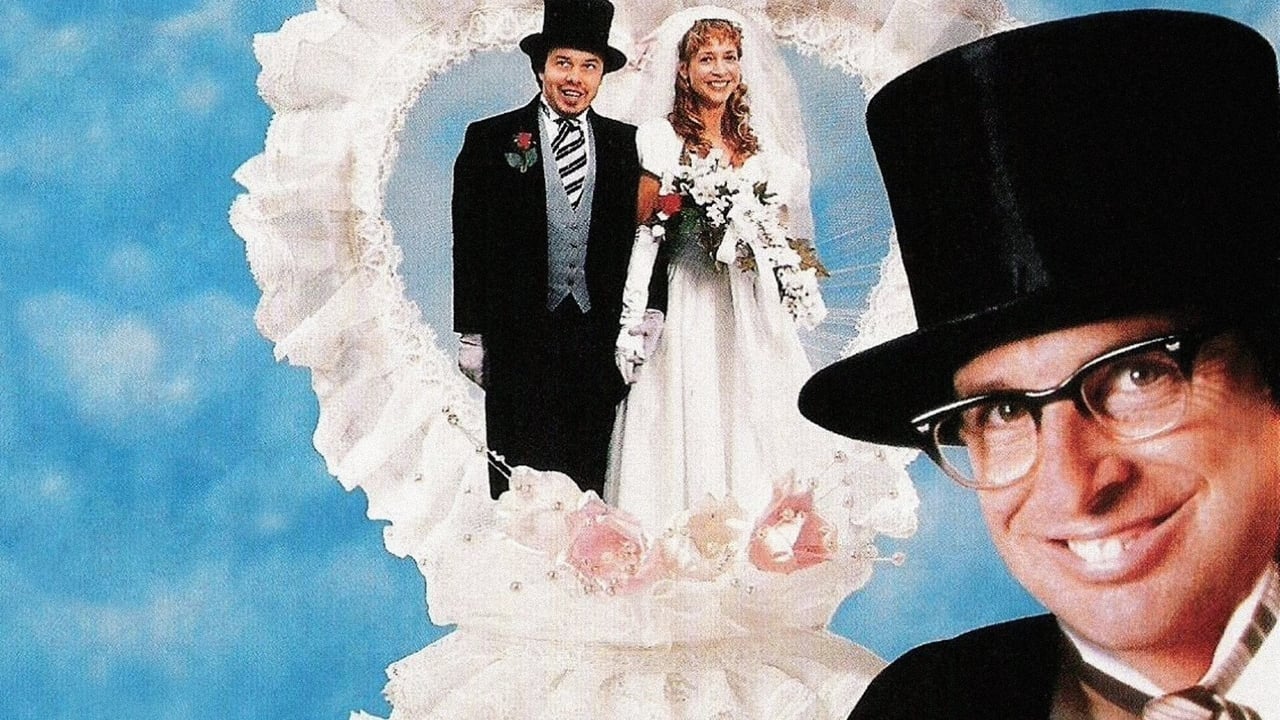
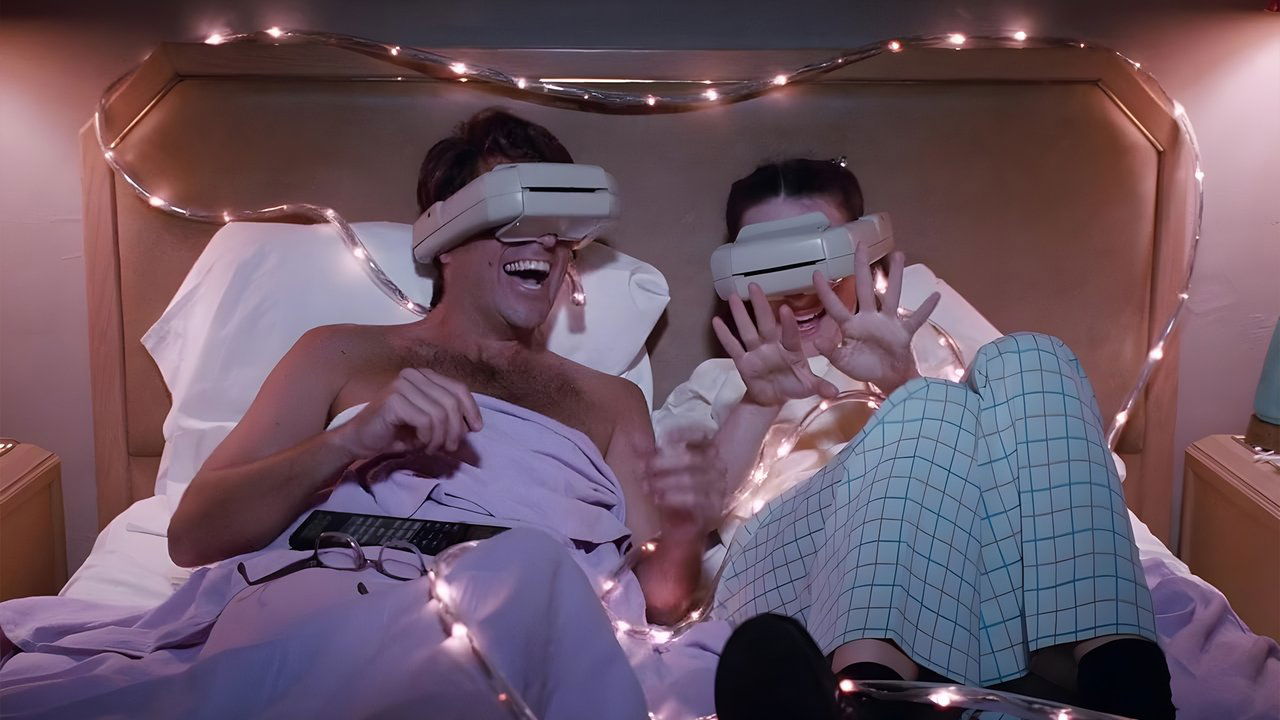
Landing a decade after the original anarchic classic, Nerds In Love feels less like a direct cinematic sequel and more like catching up with old friends who've, well, settled down a bit. The premise is simple: Dudley "Booger" Dawson (the irreplaceable Curtis Armstrong) is getting married! To the daughter (Jeannie, played by Corinne Bohrer) of a wealthy, snobby Republican (played with uptight relish by Joseph Bologna), no less. This naturally requires the Tri-Lambs, led once again by the ever-earnest Lewis Skolnick (Robert Carradine), to rally and ensure the wedding goes off... well, maybe not without a hitch, but at least with the nerds triumphant.
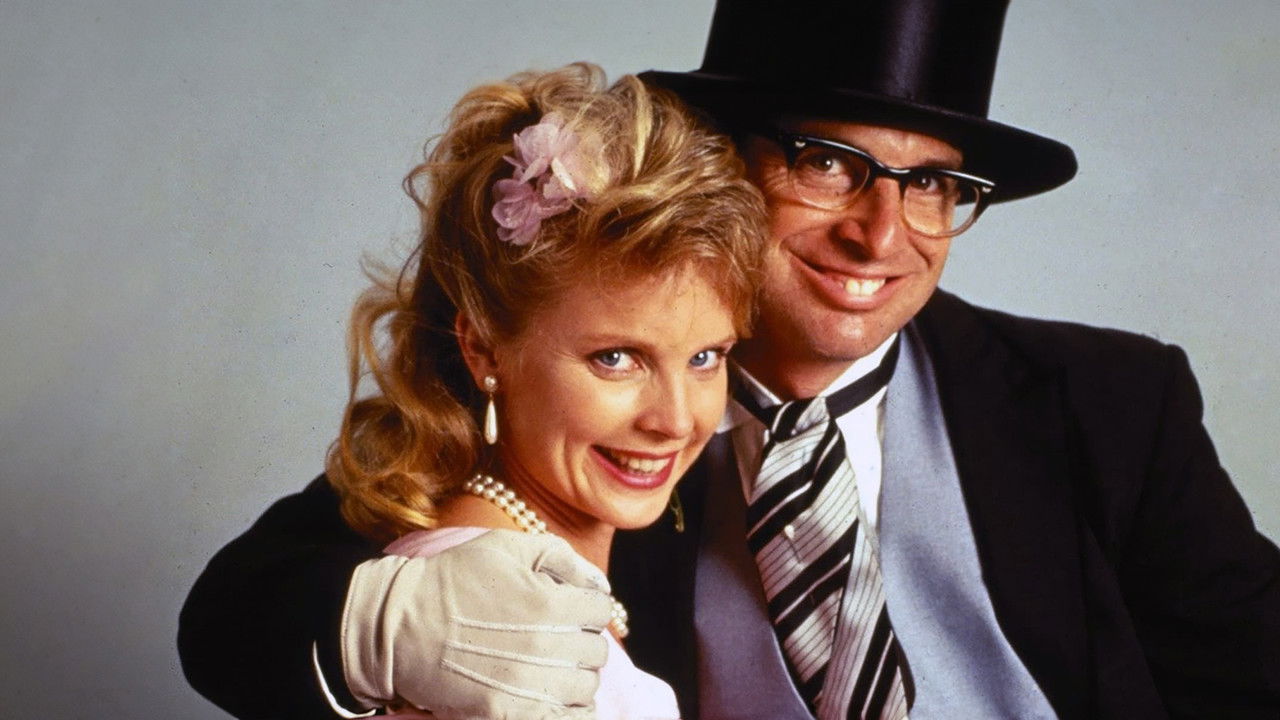
It’s comforting seeing Carradine and Armstrong slip back into these roles. They still have that chemistry, that shorthand that made Lewis and Booger such an iconic pair. Julia Montgomery also returns as Betty Childs (now Skolnick!), adding another welcome link to the original. But let's be honest, the energy is different. This isn't the raw, R-rated, underdog explosion of the first film. This is network TV in the mid-90s, folks. Think less beer-fueled belching contests and more slightly awkward misunderstandings and gentle slapstick.
The Made-for-TV Touch
One of the most interesting bits of trivia here is that Steve Zacharias, who co-wrote the original Revenge of the Nerds with Jeff Buhai, stepped into the director's chair for this one (and co-wrote it too). You'd think this would guarantee capturing the original spirit, but the constraints of television production are palpable. The budget feels tighter, the look is flatter, and the edge is considerably sanded down. Gone is the feeling of genuine rebellion; replaced by a more sitcom-esque rhythm. The absence of Anthony Edwards' Gilbert Lowell is also keenly felt, removing a core pillar of the original group dynamic. Apparently, Edwards was busy with a little show called ER around this time.
The humor aims for the familiar Nerds beats – pranks, nerd skills saving the day, clashes with bullies (this time primarily Booger's disapproving father-in-law-to-be) – but it often feels like a cover band playing the hits with slightly less amplification. Some gags land with a nostalgic chuckle, while others feel... well, like they were written for a 1994 Fox TV movie. Remember those? They had a certain... flavor.
A Softer Shade of Geek
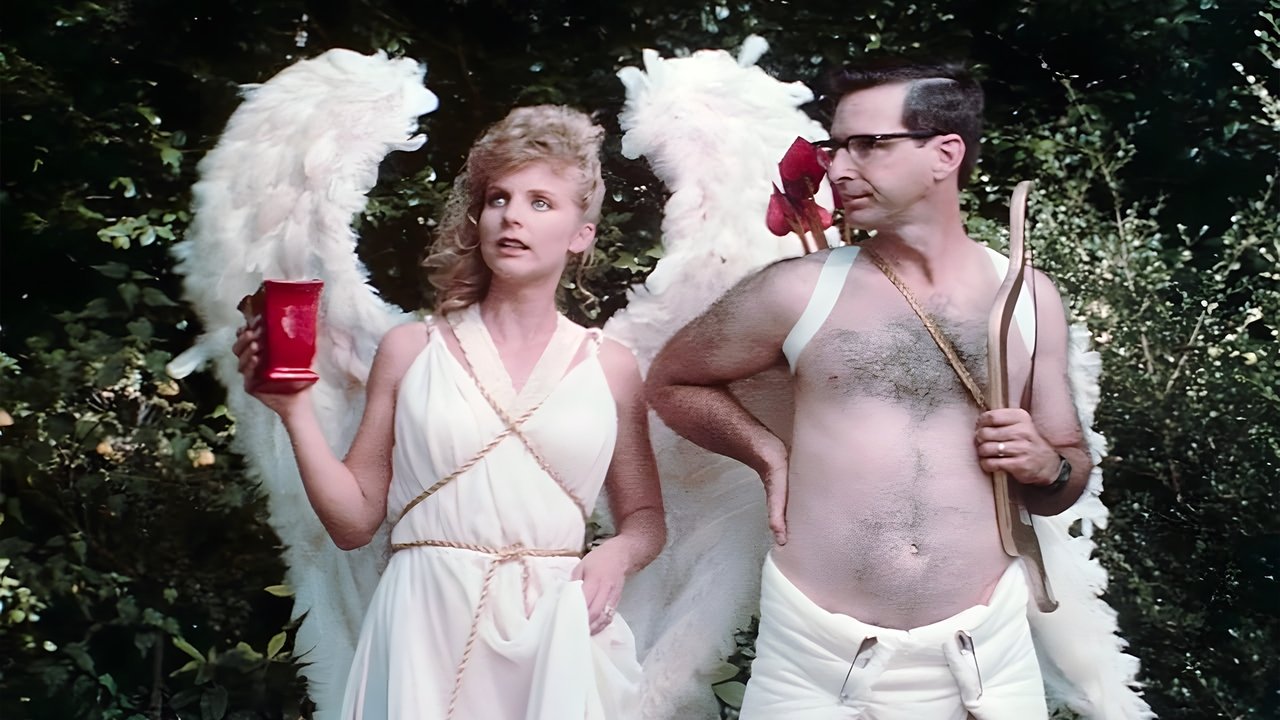
Despite the lowered stakes and toned-down humor, there's an undeniable, almost cozy charm to Nerds In Love. It leans heavily on the audience's affection for the characters. Watching Lewis try to navigate being the "best man" for the notoriously difficult Booger, or seeing the remaining Tri-Lambs (including familiar faces like Lamar Latrell and Wormser) band together, taps into that well-established camaraderie. It’s like visiting relatives you haven't seen in years; things have changed, maybe they're not as wild as they used to be, but it's still good to see them.
The film doesn’t feature the kind of practical effects or stunt work we usually rave about here, but it is a time capsule of early-to-mid 90s television aesthetics. The fashion, the sets, the very texture of the image screams "network movie of the week." It's a different kind of nostalgia – not for cinematic grandeur, but for the comfort viewing of a bygone TV era. This wasn't trying to recapture the lightning-in-a-bottle success of the 1984 original (which grossed over $40 million on a tiny budget, becoming a sleeper hit); it was aiming for reliable laughs on a Tuesday night.
Final Verdict
Revenge of the Nerds IV: Nerds In Love is undeniably the lesser light in the Tri-Lamb saga. It lacks the bite, the originality, and the surprisingly potent underdog heart of the first film (and even some of the sillier energy of the first sequel). The TV movie constraints are evident, softening the humor and lowering the ambition.
However, for fans who genuinely loved Lewis, Booger, Betty, and the gang, seeing them again offers a pleasant, if unremarkable, dose of nostalgia. Carradine and Armstrong remain a joy to watch together, and the film doesn't actively tarnish the legacy – it just doesn't add much to it.
Rating: 4/10
Justification: The score reflects the significant drop in quality and edge from the theatrical entries. It's hampered by its TV movie budget and toned-down approach. Points are awarded almost entirely for the nostalgic value of seeing Carradine, Armstrong, and Montgomery reprise their roles, providing a faint echo of the original's charm, even if it feels more like a diluted reunion special than a proper sequel.
Final Thought: It's the TV dinner version of a beloved cinematic meal – comforting in its familiarity, but you know it's not the real deal. Still, sometimes a TV dinner hits the spot when you just want to see old friends, even on a smaller screen.