Okay, VHS comrades, gather 'round. Let’s talk about those trips to the video store, scanning the shelves past the big blockbusters, maybe venturing into that slightly dusty 'World Cinema' section. Sometimes, you’d grab a tape purely on the cover art or a vaguely intriguing title, pop it in the VCR late at night, and uncover something… unexpected. For me, one of those finds was Giovanni Veronesi’s 1998 Italian road trip flick, Viola Kisses Everybody (Viola bacia tutti). Not exactly Die Hard, but stick with me – this one has its own kind of chaotic energy perfect for a fuzzy CRT glow.
### Three Strangers, One Cramped Camper
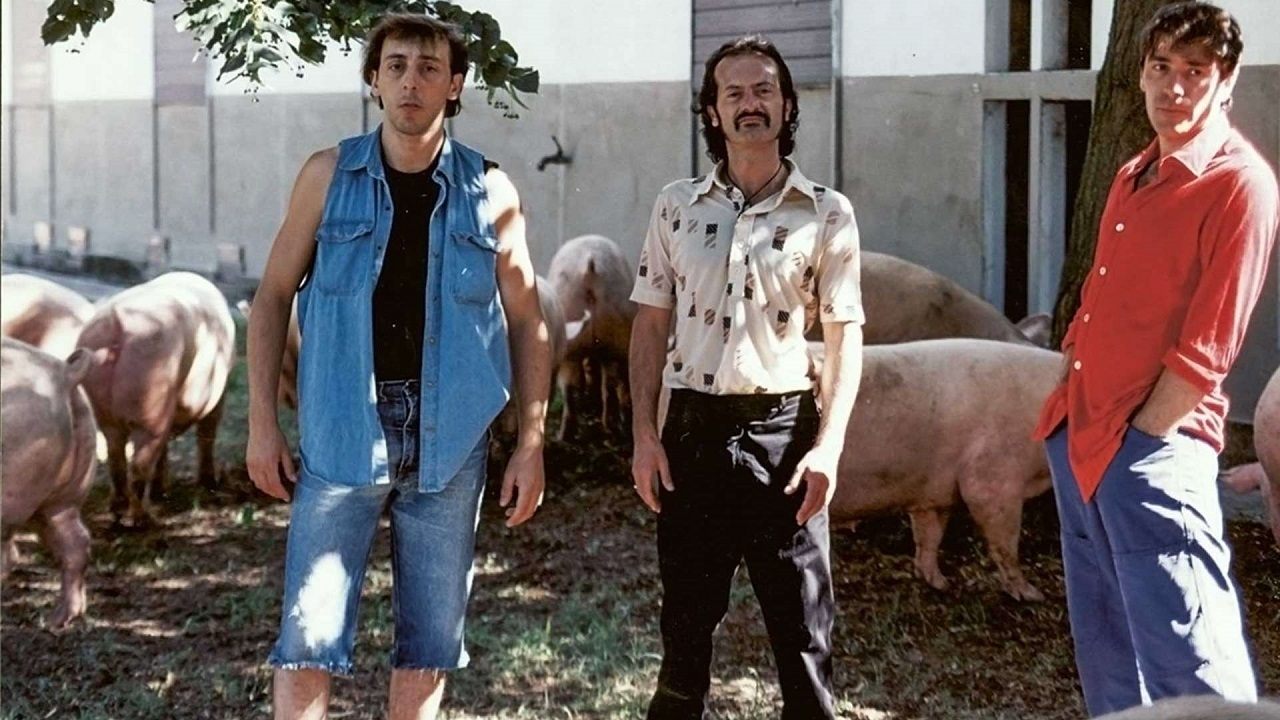
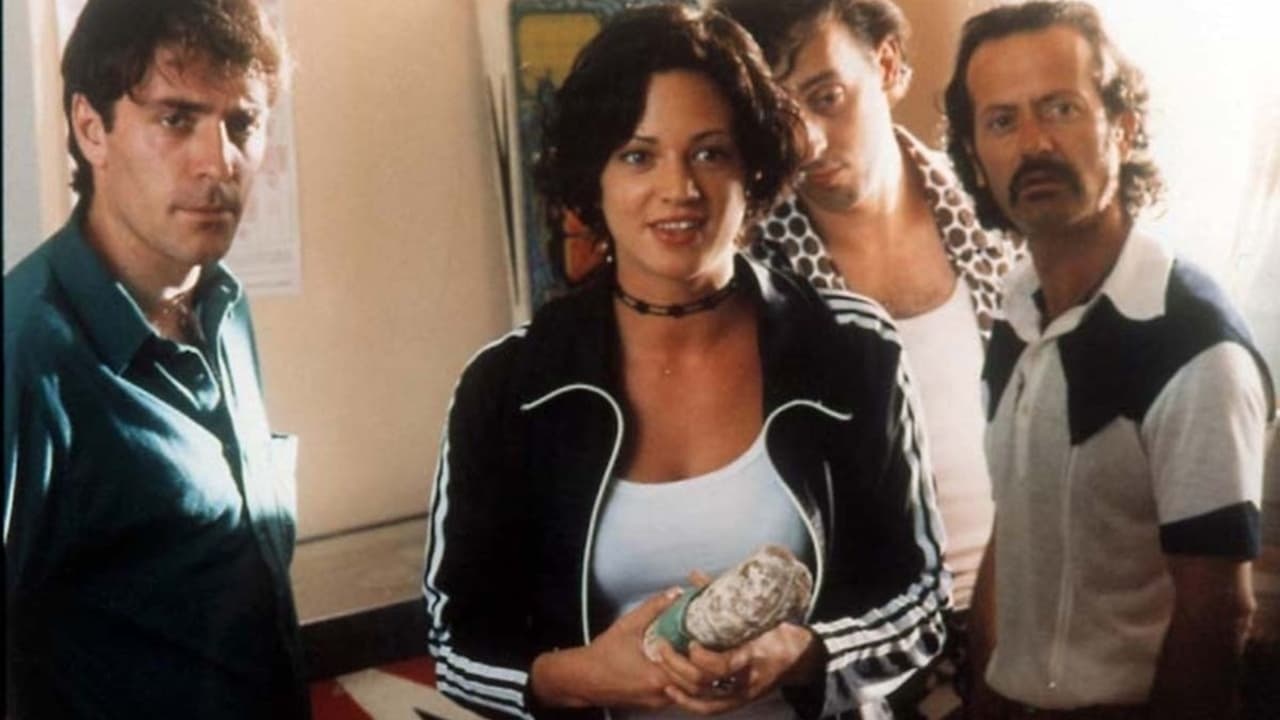
Picture this: a bright yellow camper van, sputtering its way across the Italian landscape. Inside? Three people who barely know each other, thrown together by circumstance and maybe a touch of late-90s ennui. There’s Viola, played by the magnetic and already quite formidable Asia Argento, radiating a kind of impulsive, free-spirited energy that borders on reckless. Then you have the two guys sharing the driving and the simmering tension: Samuele (Valerio Mastandrea, who became a fixture in Italian cinema) is the more grounded, perhaps slightly melancholic one, while Max (Massimo Ceccherini, a recognizable face from Italian comedies like Il Ciclone) is louder, needier, more prone to comedic outbursts.
Their goal? Ostensibly, to reach Sicily. Their journey? Well, that's the film. Directed by Giovanni Veronesi, who later found huge success with the Manual of Love series, Viola Kisses Everybody feels less like a tightly plotted narrative and more like eavesdropping on a real, slightly messy road trip. And there’s a good reason for that authentic, almost documentary vibe.
### The Raw Feel of the Road
Here’s where the "practical effects" of a different sort come in, folks. Forget meticulously planned explosions for a moment. This film's magic lies in its practical reality. Veronesi reportedly shot much of the movie during an actual camper van trip from Tuscany down to Sicily, encouraging improvisation among the actors. That feeling of cramped quarters, unexpected stops, frayed nerves, and spontaneous moments? It wasn't just acting; it was practically happening. This "Retro Fun Fact" explains so much about the film's loose, sometimes meandering structure. It gives Viola Kisses Everybody a raw, unpolished feel that’s miles away from the digitally smoothed look of travel movies today. You can almost smell the stale cigarette smoke and cheap coffee in that van.
This improvisational approach, born partly from necessity (rumor has it the budget was modest, a common tale for indie flicks of the era!), means the film sometimes feels like it's searching for its own destination along with the characters. Some scenes sparkle with genuine chemistry and humor, while others… well, they feel like you’re stuck in traffic with people you’re not sure you like yet. It’s a product of its guerilla-style filmmaking. It’s interesting to note that celebrated actor/director Francesco Nuti, who co-wrote the script with Veronesi and Ugo Chiti, was apparently intended for a role but couldn't participate due to personal issues. One wonders how his presence might have shifted the dynamic in that already packed camper.
### An Argento Anchor and 90s Italian Vibes
Even amidst the chaos, Asia Argento holds the centre. Just a few years after making waves internationally in films like Queen Margot (1994) and before her own striking directorial debut Scarlet Diva (2000), she embodies Viola's enigmatic allure. Is she a manic pixie dream girl prototype, an agent of chaos, or just deeply lost? The film leaves it ambiguous, and Argento leans into that unpredictability. Mastandrea and Ceccherini do their best as foils, representing different shades of male bewilderment and desire orbiting Viola's sun. Their interactions provide the film's comedic and dramatic sparks, even if the overall character arcs feel somewhat underdeveloped thanks to the fly-on-the-wall style.
Watching it now, Viola Kisses Everybody feels distinctly like a late-90s European indie piece. There’s a certain aimlessness, a questioning of connection, filtered through a very specific Italian cultural lens. The fashion, the music, the dialogue – it’s a time capsule. Unsurprisingly, its reception back in Italy was mixed. Some critics praised its freshness and authenticity, while others found it self-indulgent and narratively thin. It wasn’t a box office smash but, like many quirky VHS finds, it developed a quiet cult following among those who appreciated its offbeat charm. Finding this on a Blockbuster shelf felt like discovering a secret postcard from someone else's weird vacation.
***
Rating: 6/10
The Lowdown: Viola Kisses Everybody isn't a lost masterpiece, let's be clear. Its improvisational nature makes it uneven, sometimes frustratingly so. The plot ambles, and character motivations can feel hazy. However, watching it feels like unearthing a genuine artifact from the late-90s Italian indie scene. The commitment to the real road trip gives it a raw texture you rarely see anymore, and Asia Argento's performance is undeniably captivating. It earns its points for sheer audacity, capturing that feeling of restless youth and uncertain destinations, flaws and all.
Final Take: It’s the cinematic equivalent of that friend’s rambling but strangely compelling story about their backpacking trip – messy, maybe pointless, but undeniably real and remembered with a certain fondness. A quirky detour for the adventurous VHS hunter.