Okay, fellow tape travellers, pull up a comfy chair, maybe grab a hot cocoa – because we're heading to the frosty climes of Wabasha, Minnesota for a film that felt like finding comedic gold on the New Releases shelf back in '93. I'm talking about Grumpy Old Men, a movie that proved legendary screen pairings only get better, and funnier, with age. Slipping this tape into the VCR felt like settling in for a cozy, laugh-filled winter evening, even if the tracking lines occasionally danced across the screen.
### Ice Fishing and Insults
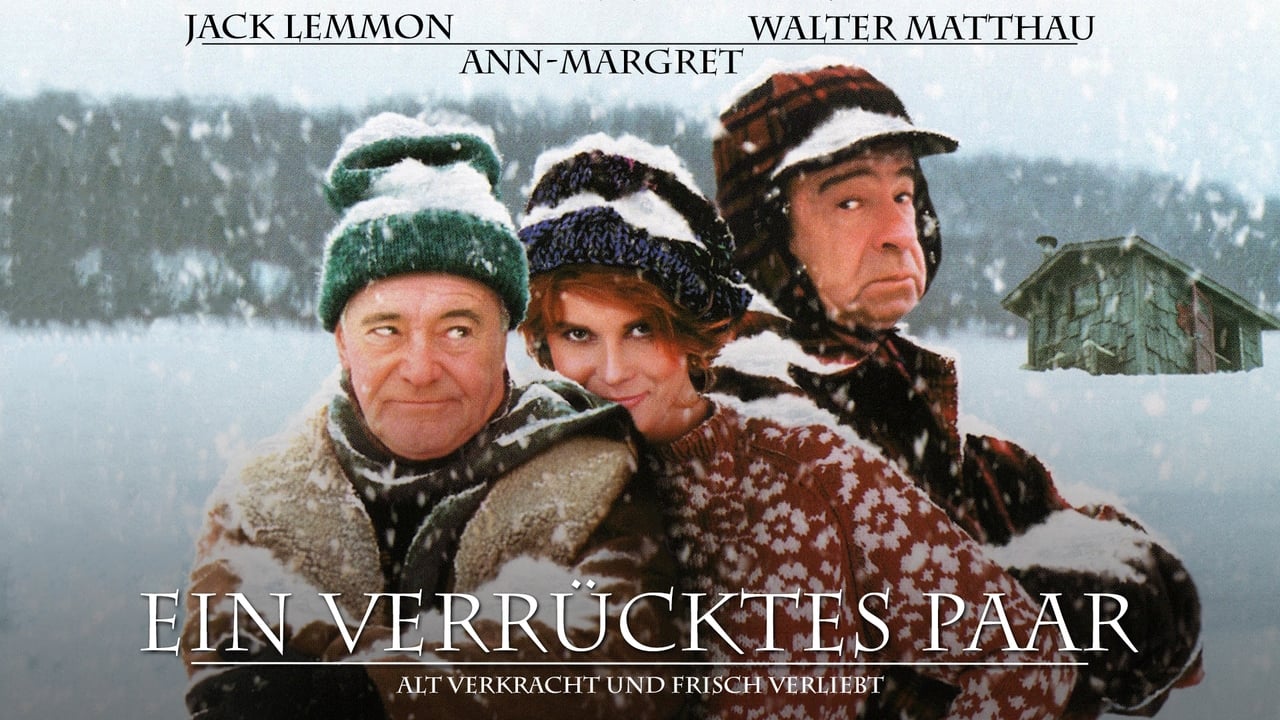
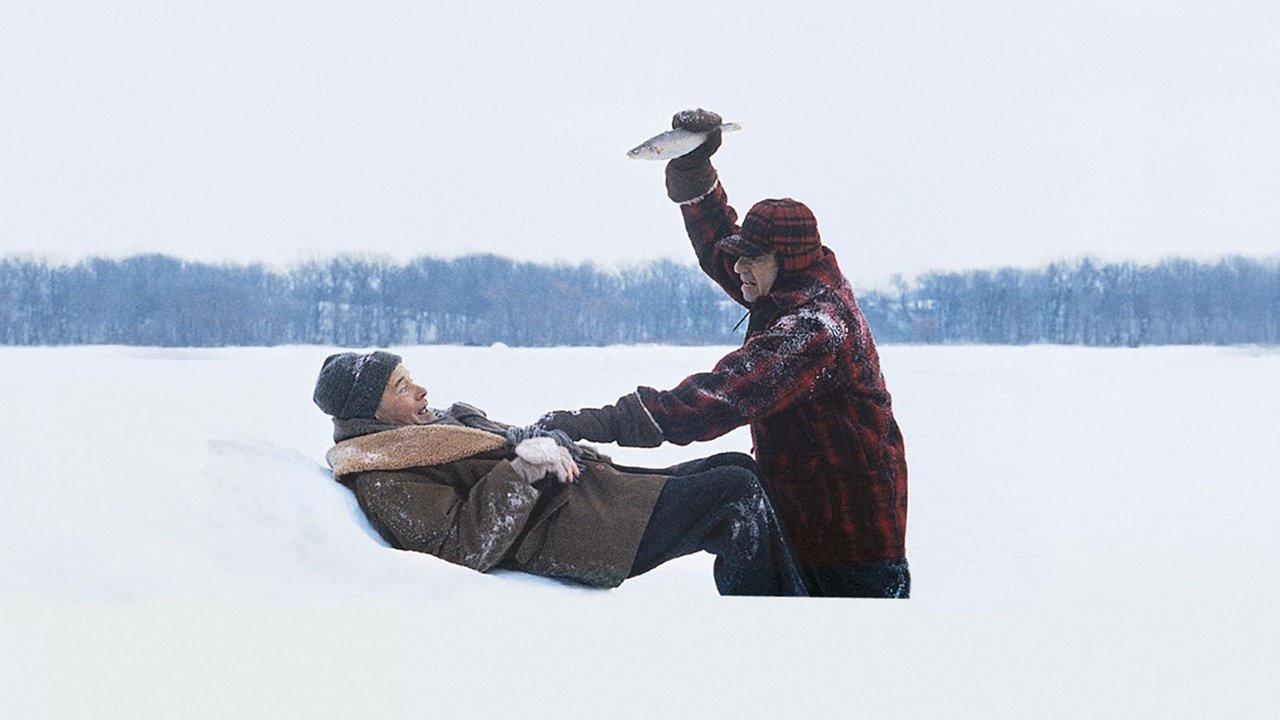
The premise is simple, yet timeless: next-door neighbours John Gustafson (Jack Lemmon) and Max Goldman (Walter Matthau) have been locked in a state of perpetual, hilariously petty warfare for over fifty years. Their days are filled with trading insults sharper than Minnesota icicles, sabotaging each other's ice fishing attempts, and generally making life miserable for one another. It’s a feud born of history, proximity, and sheer, stubborn cantankerousness. Director Donald Petrie, who’d previously charmed audiences with Mystic Pizza (1988), knew exactly how to capture the slightly absurd, yet deeply familiar dynamic of lifelong rivals who, deep down, probably couldn't imagine life without each other. The frosty Minnesota setting isn't just backdrop; it's practically a character itself, amplifying the feeling of two old bears hibernating in their dens, only emerging to snarl at each other. Remember how genuinely cold those outdoor scenes looked? They weren't faking it; filming took place during a particularly bitter Minnesota winter, adding a layer of authentic chill to the proceedings.
### The Masters at Work

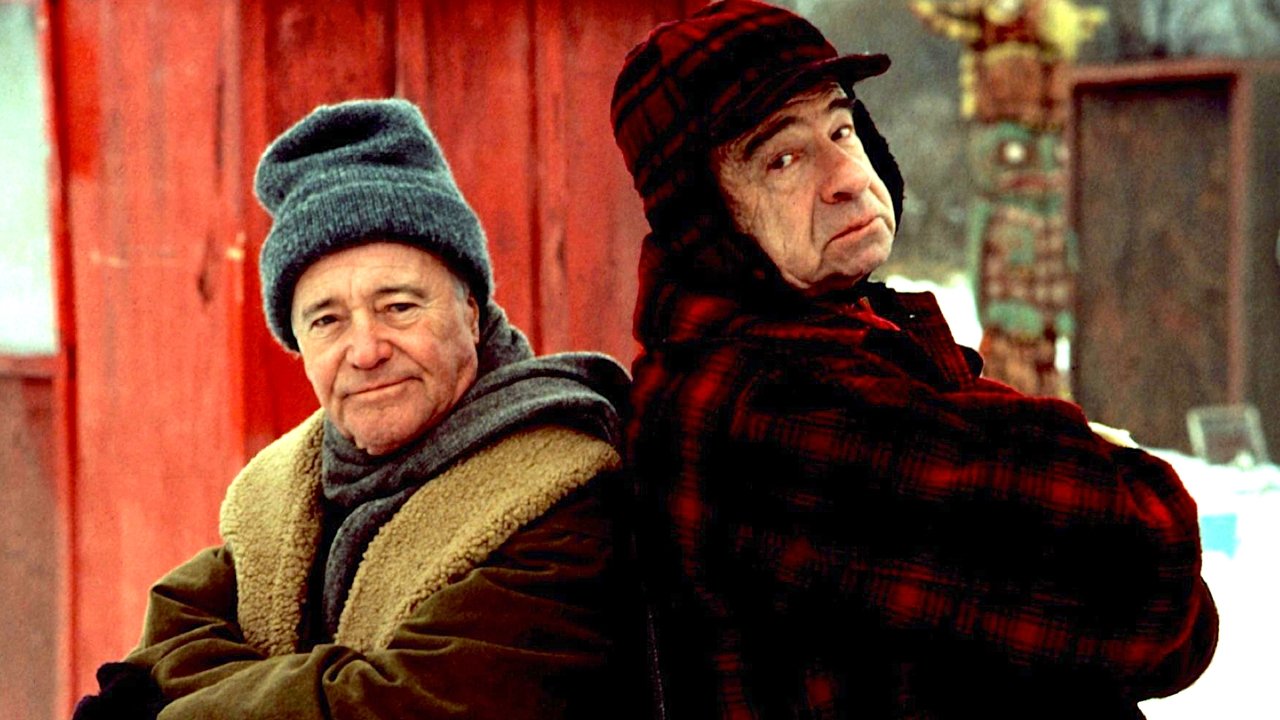
Let’s be honest, the main draw here is the reunion of Lemmon and Matthau. Their on-screen chemistry was legendary, honed over decades in classics like The Odd Couple (1968) and The Fortune Cookie (1966). Seeing them back together, older but no less brilliant, felt like a gift. Lemmon, as the slightly more flustered and sensitive John, and Matthau, as the gloriously crass and unapologetic Max, play off each other with the effortless timing of jazz musicians. Their insults are brutal, their pranks juvenile, yet beneath it all, you sense the bedrock of a shared history. It’s a masterclass in comedic performance, relying on facial expressions, impeccable delivery, and a shared rhythm that few screen duos ever achieve. Writer Mark Steven Johnson (who later directed Daredevil and Ghost Rider) reportedly based the characters on his own squabbling grandfathers, giving the banter that ring of authentic, lived-in animosity.
### A Vivacious Disturbance
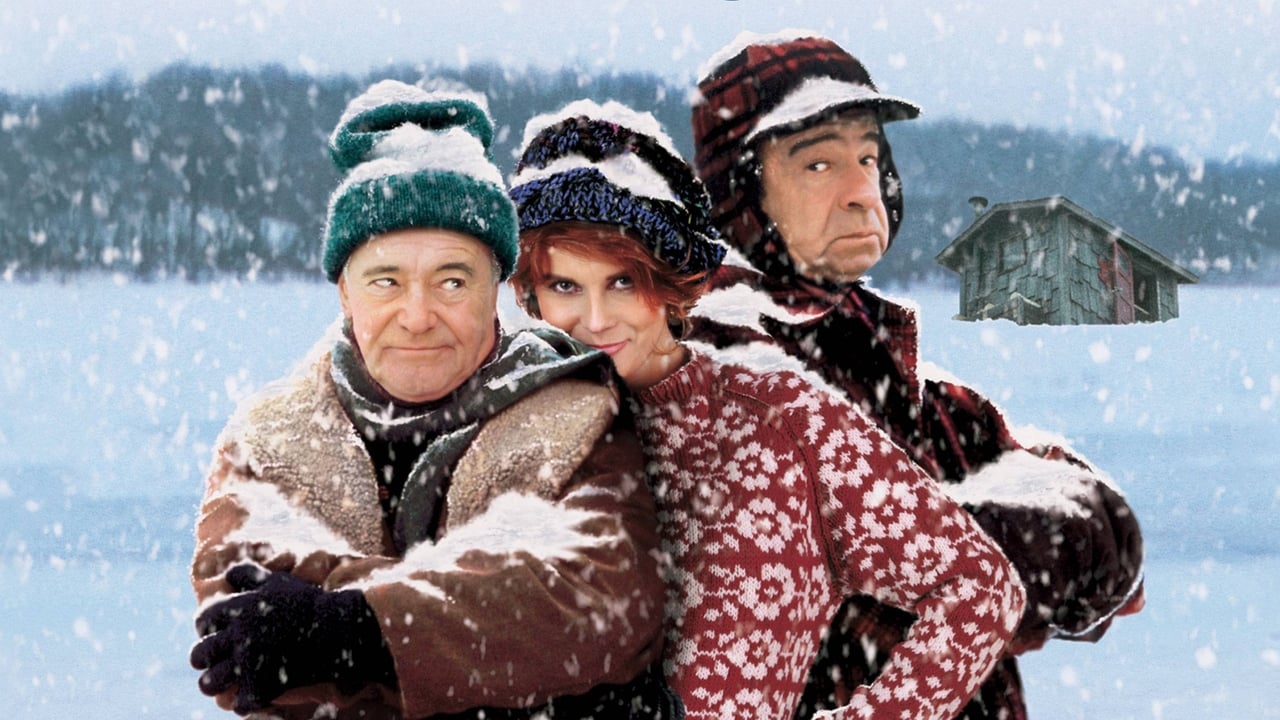
Into this frozen battlefield strolls Ariel Truax, played with irresistible vibrancy by Ann-Margret. As the free-spirited, slightly bohemian new neighbour, she’s the catalyst that escalates the Gustafson-Goldman war to new heights. Both men are instantly smitten, competing for her affections with the same childish intensity they apply to everything else. Ann-Margret is luminous here, bringing warmth, energy, and a touch of glamour that contrasts perfectly with the grumpy protagonists. She’s not just a prize to be won; she’s a force of nature who challenges their set ways and reminds them there’s life beyond their mutual antagonism. It's genuinely fun watching these two old rivals suddenly trying (and often failing hilariously) to be charming.
### More Than Just Jokes
While the laughs come thick and fast – often courtesy of the scene-stealing Burgess Meredith as John's truly ancient, lecherous father (delivering lines that still make you chuckle and gasp simultaneously) – Grumpy Old Men has a surprising amount of heart. Meredith, by the way, reportedly ad-libbed many of his most outrageous lines, much to the delight (and occasional shock) of the cast and crew. The film subtly touches on themes of aging, loneliness, the importance of companionship (even antagonistic companionship), and the fear of change. It doesn’t shy away from the fact that life gets complicated and sometimes sad as you get older, but it frames these moments with warmth and humour rather than gloom. The supporting cast, including Ossie Davis as the pragmatic bait shop owner Chuck, Daryl Hannah as John's daughter Melanie, and Kevin Pollak as Max's son Jacob, all contribute to the film's cozy, small-town feel.
### A 90s Comfort Classic
Watching Grumpy Old Men now definitely evokes that early 90s vibe – the slightly chunky knitwear, the landline phones, the complete absence of the internet complicating their feud. It’s a simple story, told well, without flashy effects or convoluted plots. Its success ($70 million at the US box office against a $35 million budget) felt well-earned, tapping into audience affection for its legendary stars and providing genuine laughs and warmth. It wasn't trying to reinvent the wheel; it was delivering classic character comedy, and audiences loved it, paving the way for the equally enjoyable sequel, Grumpier Old Men, just two years later. I distinctly remember renting this one multiple times from the local Blockbuster; it was reliable feel-good viewing.
Rating: 8/10
The score reflects the film's sheer comedic power, driven by the unparalleled chemistry of Lemmon and Matthau, bolstered by a fantastic supporting cast and Ann-Margret's radiant presence. It blends laugh-out-loud moments with genuine heart, perfectly capturing the absurdity and affection of lifelong rivalry. While perhaps not deep cinematic art, it's expertly crafted comfort food cinema that achieves exactly what it sets out to do.
Final Thought: Grumpy Old Men is like that favourite old sweater you pull out every winter – familiar, maybe a little worn, but guarantees warmth and a smile. A perfect reminder that sometimes, the sharpest barbs hide the deepest bonds, especially when viewed through the warm, fuzzy glow of a CRT screen.