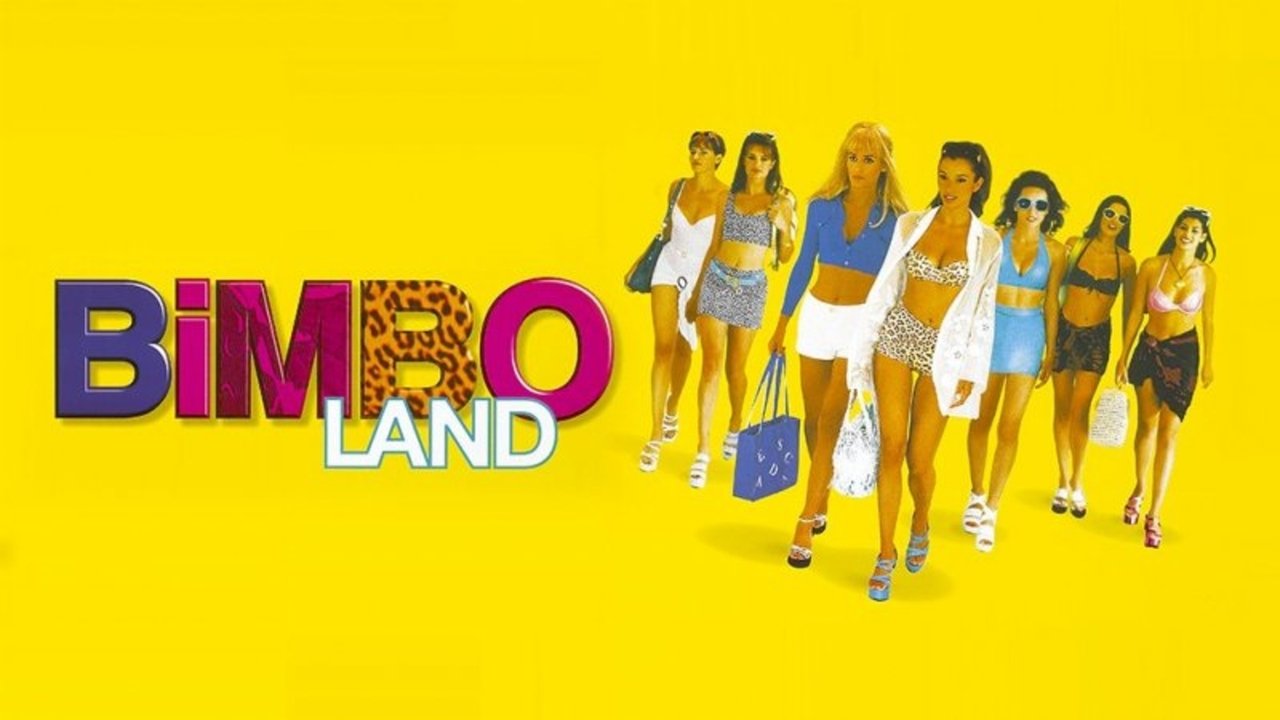
Alright, fellow tape travelers, let's rewind to the late 90s, a time when the local video store aisles held treasures from across the globe, sometimes with covers that made you do a double-take. Remember grabbing a brightly coloured box, maybe with a slightly baffling title, purely on instinct? That’s the energy surrounding Ariel Zeitoun’s 1998 French comedy, Bimboland. The title alone probably raised eyebrows then and definitely does now, promising a certain flavour of late-millennium silliness that feels both foreign and strangely familiar. Forget explosions for a moment; the 'action' here is pure, unadulterated culture clash and comedic transformation.
### Undercover Anthropologist
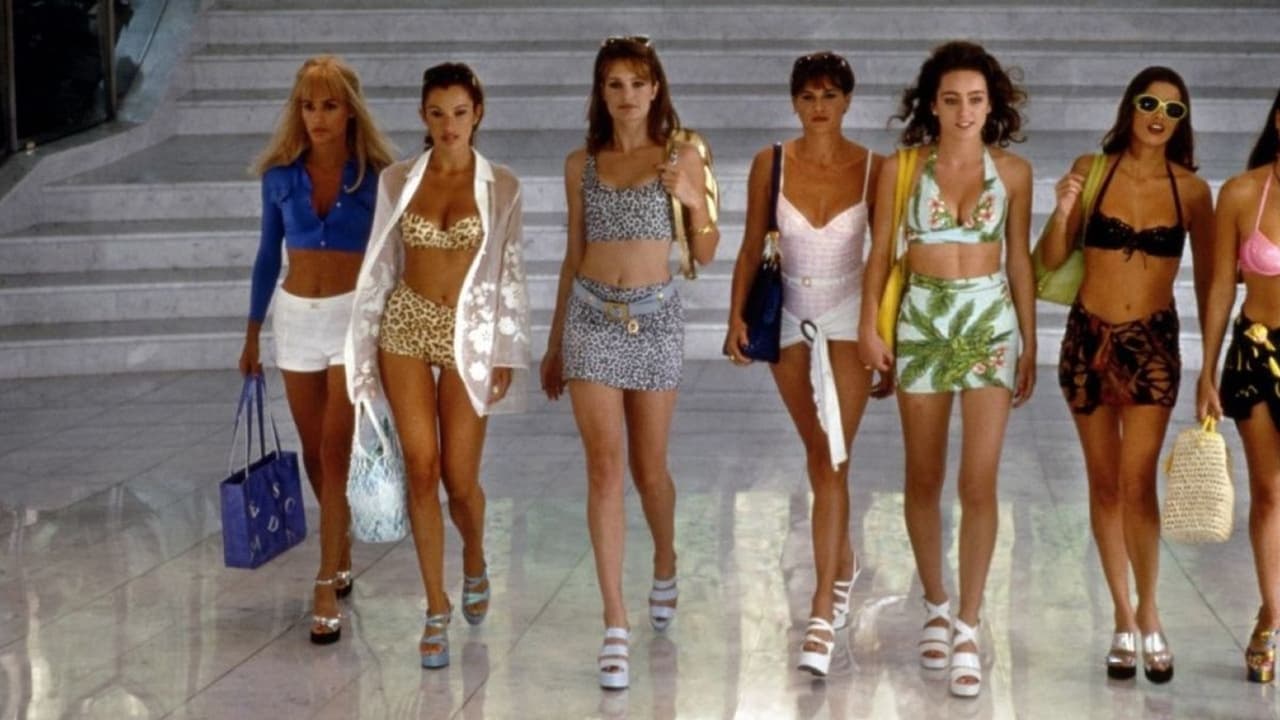
Our entry point into this colourful world is Cécile Bussy, played with delightful earnestness by Judith Godrèche. Cécile is a bright, somewhat mousy ethnology student struggling to find a compelling thesis topic. Her world is dusty libraries and serious academic debate. That is until she stumbles upon a vibrant, seemingly alien subculture: the effortlessly glamorous, party-loving women she and her cynical friend (Sophie Forte) dub 'bimbos', frequenting the pulsing nightclubs of Paris. Inspired (or perhaps desperate), Cécile decides her thesis will be an immersive study: she will become a bimbo to understand their codes, rituals, and social structures. It's a premise that screams high-concept 90s comedy, a sort of Pygmalion meets National Geographic special, filtered through a Gallic lens.
### Transformation Station
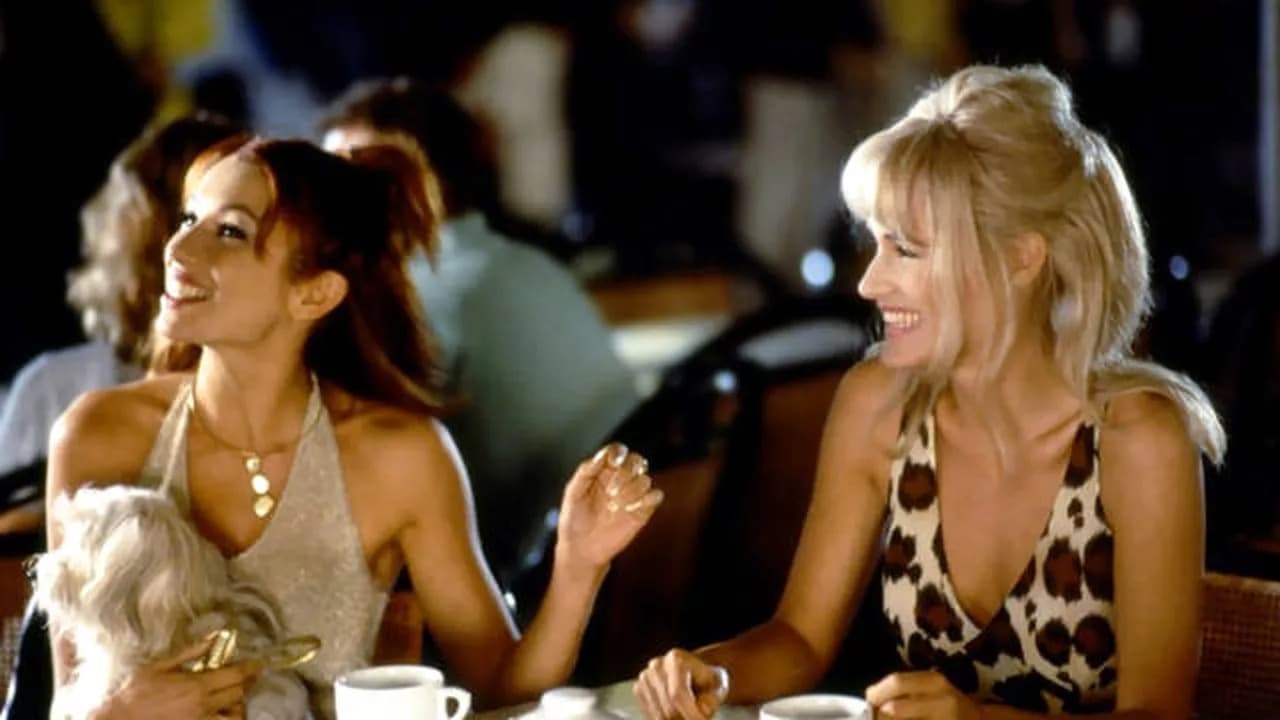
The heart of the film, and much of its charm, lies in Cécile’s awkward metamorphosis into 'Brigitte'. Guided by the queen bee of the scene, Alex (Aure Atika, radiating confidence), Cécile navigates the treacherous terrain of push-up bras, towering heels, flirting techniques, and the complex social hierarchy of nightclub regulars. Godrèche sells both sides of the character beautifully – the studious observer meticulously taking notes (sometimes literally mid-party) and the increasingly convincing bombshell who starts enjoying the attention a little too much. The physical comedy of her initial attempts at bimbo-dom is genuinely funny, tapping into that universal feeling of trying to fit into a world not quite your own. Remember those makeover montages that were almost obligatory in 90s comedies? Bimboland delivers, contrasting Cécile’s drab academic gear with Brigitte’s eye-popping, figure-hugging ensembles.
It’s fascinating to note that the script was co-written by Roselyne Bosch, who only a few years earlier penned the grand historical epic 1492: Conquest of Paradise (1992). Talk about range! Here, the territory being explored isn't the New World, but the equally baffling landscape of modern dating and social tribes. Director Ariel Zeitoun, who would later go on to produce high-octane French action films like District 13 (2004), keeps the pacing brisk and the tone light, focusing on situational humour and character interactions rather than biting satire.
### Enter Depardieu
And then there’s Laurent Gassman, played by the legendary Gérard Depardieu. Fresh off massive international roles but always game for a French comedy, Depardieu plays a charming but somewhat roguish police officer who finds himself entangled with both Cécile and her alter-ego, Brigitte. His presence adds a certain weight and star power, though his character feels slightly tangential to Cécile’s core journey of self-discovery (and anthropological research!). Still, seeing Depardieu navigate the comedic chaos is always a pleasure, lending the film a credibility it might otherwise lack. It’s one of those roles that feels like a favour to the director, perhaps, but he brings his undeniable charisma to the screen.
### A Slice of Late 90s France
Watching Bimboland now is like opening a time capsule. The fashion, the music, the specific brand of optimistic, slightly glossy filmmaking – it feels very late 90s. The portrayal of the 'bimbo' lifestyle is, naturally, viewed through the lens of that era. While the film tries to give Alex and her friends some agency and warmth, avoiding making them purely caricatures, there's no denying the premise skates on thin ice by today's standards. It aims for gentle fun rather than sharp social commentary, exploring stereotypes more than truly dismantling them. This wasn't a film trying to spark a revolution; it was aiming for laughs and romance in the aisles of French cinemas, where it actually performed quite respectably upon release.
The film visually contrasts the muted tones of the university with the neon glow and vibrant chaos of the nightclubs, effectively creating two distinct worlds for Cécile to navigate. There’s a certain tactile quality to it all – the crowded dance floors, the specific textures of the very 90s outfits – that feels grounded, even within the heightened comedic reality. It lacks the CGI sheen of modern comedies; the humour comes from the situations, the performances, and the sheer absurdity of an anthropologist treating dating like fieldwork.
### Final Thoughts & Rating
Bimboland is undeniably a product of its time, a quirky French comedy with a high-concept premise that delivers more charm than deep insights. Judith Godrèche is immensely likeable in the lead, carrying the film through its sillier moments, and Aure Atika provides a strong, charismatic counterpoint. Gérard Depardieu adds familiar star power, even if his role feels a little tacked on. It’s light, breezy, and possesses that specific energy of late 90s European comedies trying to find laughs in social observation.
Rating: 6/10
Justification: The rating reflects the film's genuine charm, strong lead performance from Godrèche, and its value as a distinctively late-90s French cultural artefact. It loses points for a somewhat underdeveloped supporting cast (beyond Alex), a premise that hasn't aged perfectly, and a plot that holds few real surprises. It's enjoyable, but not essential viewing.
Final Take: For those nights you fancy a nostalgic trip back to a time when anthropologists wore push-up bras for science, Bimboland is a perfectly pleasant, if slightly shallow, dip into the cinematic Euro-pop pool of the late VHS era. Just don’t expect groundbreaking ethnography.