Alright, fellow tapeheads, pull up a beanbag chair and let’s talk about a curious entry in the annals of late-90s action, specifically the bulging VHS shelf dedicated to one Steven Seagal. Remember grabbing a Seagal flick? You knew what you were in for: Aikido throws, maybe a ponytail, definitely some bad guys getting their wrists snapped in ways that defied physics. But then came 1998's The Patriot. Sliding this tape into the VCR often resulted in… well, something different. This wasn't quite the hard-hitting urban justice we'd come to expect; instead, we got Seagal as a small-town doctor battling a deadly virus unleashed by militia extremists. Huh.
### Doc Hollywood Meets Bio-Hazard
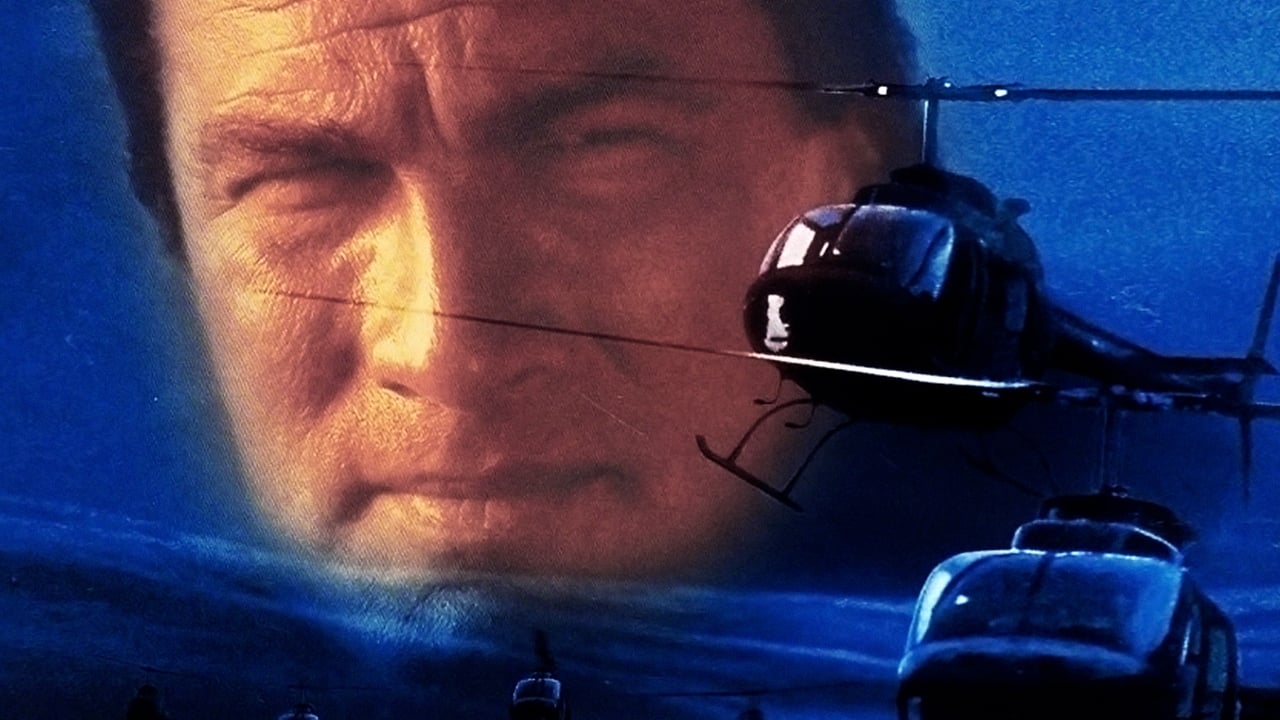
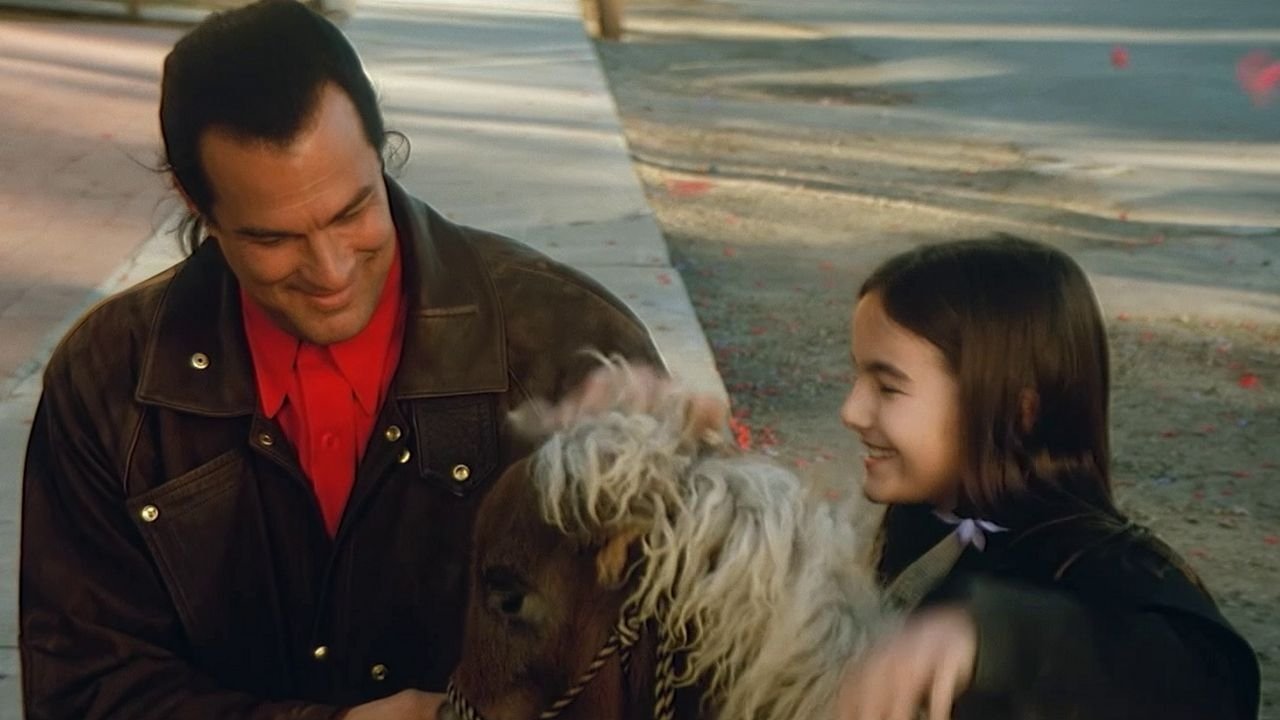
Let's be honest, the premise itself feels like a strange brew. Steven Seagal plays Dr. Wesley McClaren, an immunologist (yes, you read that right) living a quiet life in rural Montana, complete with a daughter (a young Camilla Belle) and a knack for Native American remedies. Gone is the slicked-back hair and leather jacket, replaced by flannel and folksy wisdom. It’s jarring, initially, like seeing Rambo suddenly take up competitive gardening. The plot kicks off when a dangerous militia leader, Floyd Chisolm (played with the requisite intensity by L.Q. Jones, a familiar face from many a Western and Sam Peckinpah film), gets his hands on a weaponized virus and threatens to unleash biological hell. It’s up to Doc McClaren, seemingly the only person immune thanks to his knowledge of herbal medicine (again, huh), to save the day.
It’s a setup that feels more aligned with the eco-thriller trend Seagal leaned into with On Deadly Ground (1994), but without that film's budget or sheer bonkers ambition. The Montana locations look authentic enough, lending a certain rustic charm that contrasts sharply with the impending doom. And having reliable character actors like Gailard Sartain (Mississippi Burning, the Ernest movies) pop up adds a touch of quirky local flavour that feels… surprisingly un-Seagal-like.
### Where Did the Action Go?
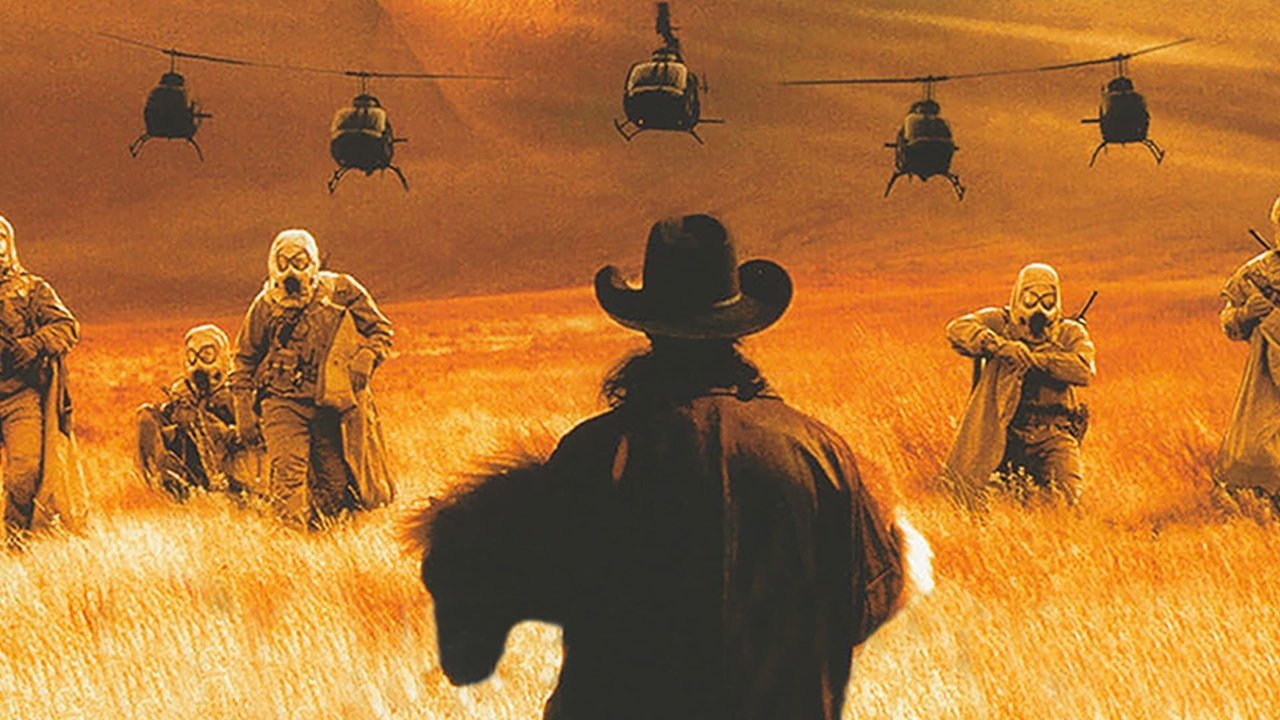
Now, the big question for any Seagal venture: what about the action? This is where The Patriot really throws viewers a curveball. Directed by Dean Semler, an incredibly accomplished cinematographer who won an Oscar for Dances with Wolves (1990) and shot action classics like Mad Max 2: The Road Warrior (1981), you'd expect a certain visual flair. And while the film looks competent, the action is notably… subdued. There are bursts of violence, some tense standoffs, and a few requisite explosions, but the elaborate, bone-crunching Aikido set pieces that defined Seagal's earlier career (Above the Law, Hard to Kill, Under Siege) are largely absent.
Instead, the focus shifts towards suspense and a race-against-time narrative. Remember how those practical squibs and bullet hits looked so visceral back then, adding a jolt of reality before digital blood spray became the norm? You get some of that here, particularly in the militia confrontations, but it feels less frequent, less inventive. It’s almost as if the film is trying to be a more serious thriller, sidelining the star's signature moves. Was this an intentional shift, or a sign of production limitations? It certainly felt different watching it on that slightly fuzzy CRT screen, expecting one thing and getting another.
### Straight-to-Video Limbo: A Retro Fun Fact Detour
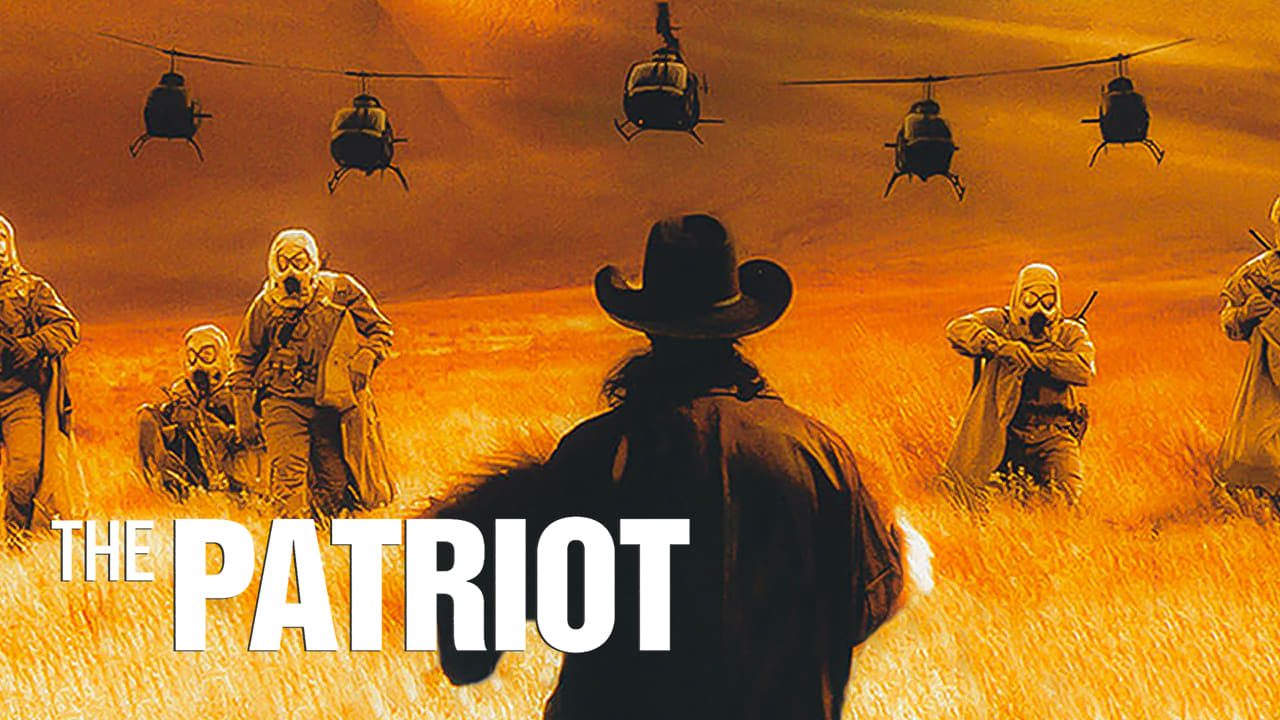
Here’s where things get interesting behind the scenes. The Patriot wasn't initially destined for the video store shelves where most of us likely found it. It was filmed in 1997 with theatrical release in mind, based on the novel "The Last Canadian" by William C. Heine. However, the film sat gathering dust for nearly two years before Warner Bros. ultimately decided to bypass cinemas entirely in the US and dump it straight onto home video in 1998 (though it did see theatrical release in some international markets). Whispers of creative clashes and studio dissatisfaction surrounded its delay. This direct-to-video (DTV) fate instantly branded it as a lesser effort in the Seagal canon for many, regardless of its actual merits. Finding it felt less like discovering a blockbuster hit and more like unearthing a slightly mysterious artifact from the back shelves of Blockbuster.
### A Different Kind of Seagal Flavor
Watching The Patriot today offers a fascinating glimpse into a transitional period for Seagal. The eco-warrior themes are present, the stoic delivery is intact, but the shift towards a more plot-driven, less action-centric role (relatively speaking) is undeniable. It's not a bad film, necessarily, just… unexpected. The supporting cast does decent work, L.Q. Jones brings grizzled menace, and the premise, while odd for the star, taps into late-90s anxieties about domestic terrorism and biological threats.
The pacing can feel a bit slow compared to his earlier, more propulsive thrillers, and the reliance on McClaren's almost magical immunity via flower power stretches credibility even for an action movie. But there's an earnestness to it, perhaps stemming from Dean Semler's more grounded approach or Seagal's own investment in the environmental message. It lacks the kinetic thrill of his peak years, but offers a different, more subdued, and arguably stranger, flavour.

Rating: 5/10
Justification: The rating reflects the film's status as a significant departure from prime Seagal action, its troubled production history leading to a DTV release, and its comparatively muted action sequences. It earns points for its decent supporting cast, atmospheric Montana setting, and for being such a curious anomaly in the star's filmography. However, it loses points for sluggish pacing at times, the underdeveloped plot mechanics (especially the magical immunity), and for ultimately failing to deliver the kind of high-impact thrills fans expected, making it feel underwhelming compared to his earlier classics.
Final Word: The Patriot is the Seagal VHS you rented expecting martial arts mayhem but got a folksy bio-thriller instead; a fascinatingly off-brand experiment worth revisiting chiefly for its sheer late-90s DTV oddity.