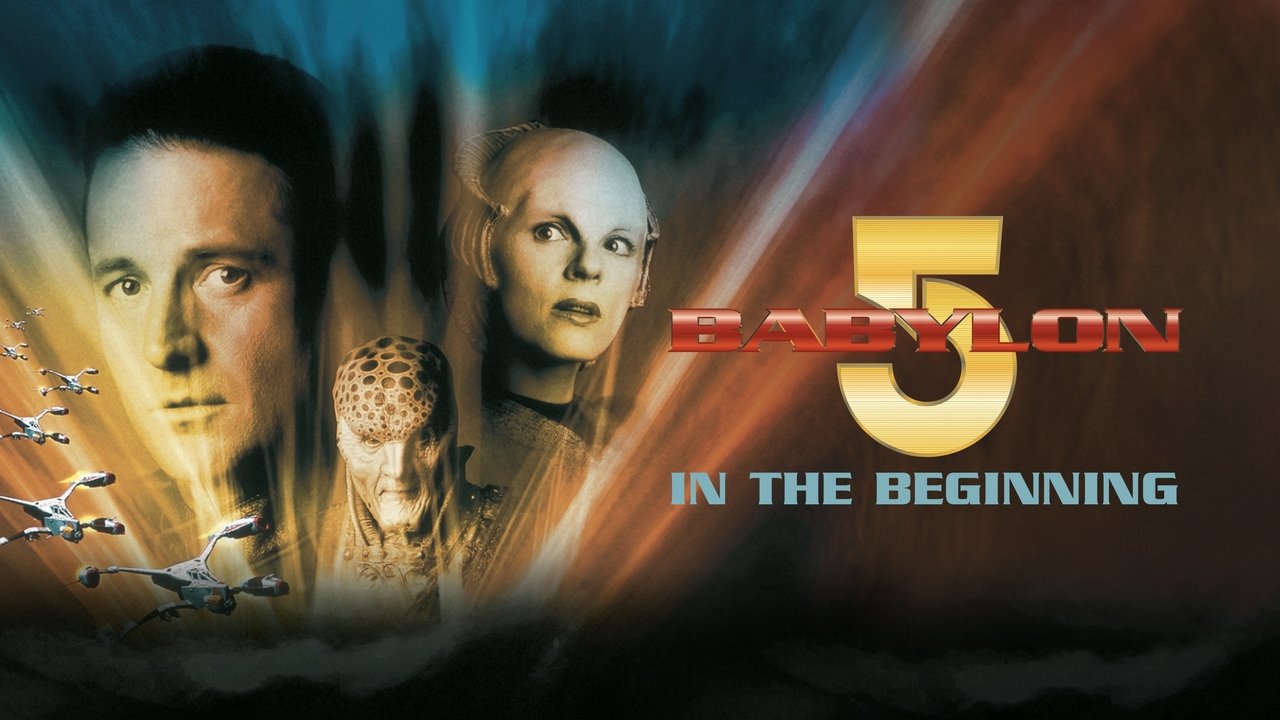
Okay, grab your Centauri Brandy (or maybe just a strong cup of coffee), settle into that worn spot on the couch, and let’s talk about a piece of television history that felt monumental when it first flickered onto our CRT screens back in 1998: Babylon 5: In the Beginning. This wasn't just another TV movie; for fans already immersed in the intricate tapestry J. Michael Straczynski was weaving, this felt like finally receiving a crucial, long-lost chapter. It promised the origin story we'd only heard whispers of – the catastrophic Earth-Minbari War.
Echoes from a Future Emperor
What immediately sets In the Beginning apart is its framing device. We don’t just dive into the past; we’re guided there by the weary, regretful voice of Emperor Londo Mollari (Peter Jurasik) in the year 2278, recounting the saga to ensure history doesn’t forget… or repeat itself. This choice is masterful. Jurasik, even buried under the aged Londo makeup, conveys such profound sadness and wisdom. It instantly lends the unfolding events a tragic weight, transforming historical exposition into a deeply personal confession. We know where Londo ends up, and hearing the war's origins from his perspective adds layers of irony and pathos. It’s a powerful reminder that history isn't just dates and battles; it's lived experience, often recalled through a filter of sorrow.
A Spark Ignites the Galaxy
At its core, the film meticulously details the 'spark' – that fateful first contact between EarthForce explorers and a Minbari cruiser carrying their revered leader, Dukhat. Straczynski’s script excels at portraying the incident not as simple malice, but as a catastrophic misunderstanding born from cultural differences, fear, and maybe a touch of arrogance on both sides. The EarthForce captain, eager to make a mark, misinterprets the Minbari ship's defensive posture (opening gunports as a sign of respect and strength) as aggression. The resulting firefight kills Dukhat, unleashing the full, terrifying wrath of the Minbari Federation upon an unsuspecting Earth.
It’s a chilling depiction of how quickly diplomacy can shatter and how easily miscommunication can spiral into galaxy-altering conflict. Doesn't that resonate, even today? The way pride and ignorance fuel devastation feels disturbingly timeless. Watching the Minbari war machine systematically dismantle Earth's defenses is genuinely unsettling, even knowing the eventual outcome from the series.
Bringing the War Home (on a TV Budget)
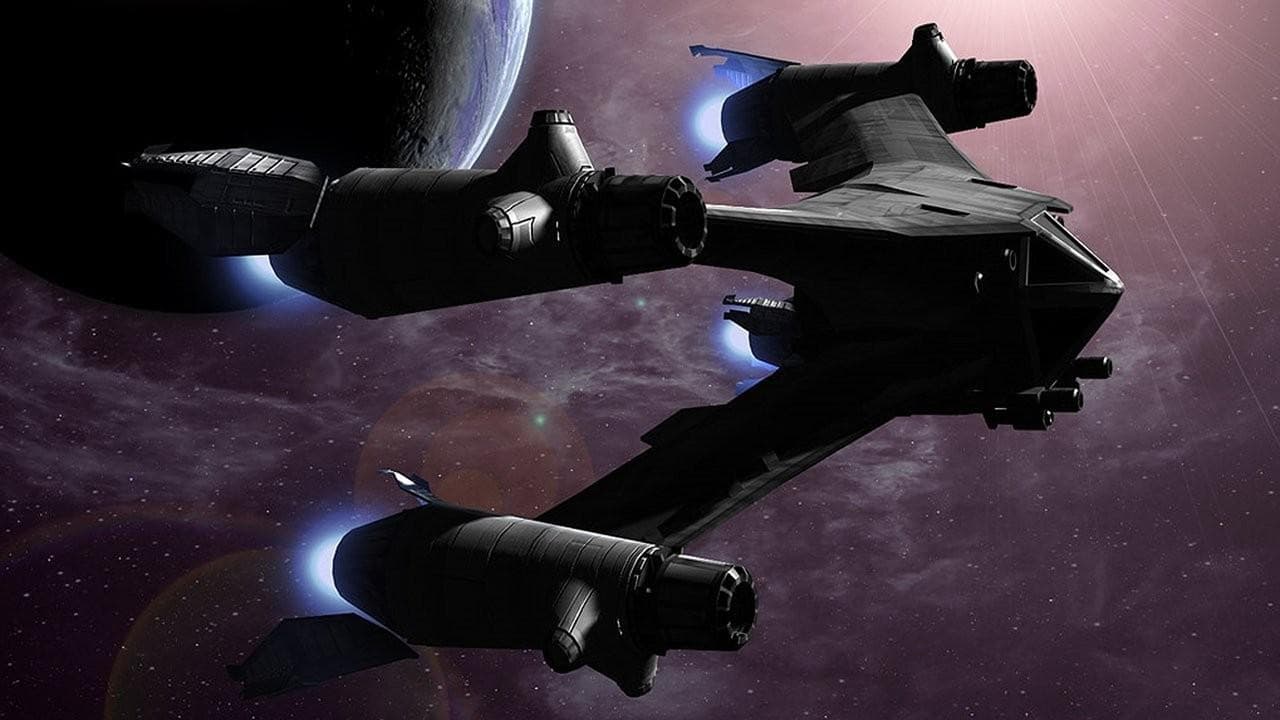
Directed by Michael Vejar, a veteran hand who guided many of the best Babylon 5 episodes, the film does an admirable job of depicting large-scale conflict on a television budget. Let’s be honest, the CGI, while groundbreaking for syndicated television sci-fi in the late 90s (building on the techniques pioneered by the main series), certainly shows its age now. Those sharp polygons and slightly plasticky textures are pure 90s nostalgia fuel. Yet, there's an undeniable ambition here. The space battles, particularly the desperate final stand known as the Battle of the Line, carry a genuine sense of scale and despair. Vejar focuses on the human (and Minbari) cost, cutting between the strategic displays, the frantic bridges, and the terrifying emptiness of space lit by weapons fire. It wasn't Star Wars, but for fans who meticulously recorded episodes off TNT onto VHS tapes, it felt epic.
Familiar Faces in Darker Times
Seeing familiar actors reprise their roles lends the story significant weight. Bruce Boxleitner as Sheridan is present, though more as a witness to the war's early horrors than the central figure he becomes later. We see a younger, perhaps slightly more rigid Delenn (Mira Furlan), grappling with her people's crusade and the prophecies surrounding humanity's destiny. Furlan subtly conveys the internal conflict beneath the Minbari poise. We also get glimpses of Richard Biggs as Dr. Franklin and Andreas Katsulas as G'Kar, grounding the interstellar conflict with faces we deeply connect with from the main narrative. Their presence reinforces the idea that this history directly shaped the characters and universe we already knew. It’s a testament to the strength of the ensemble that even in these earlier contexts, their portrayals feel authentic.
The Writer's Hand
This film is pure J. Michael Straczynski. His fingerprints are all over it – the tight plotting, the thematic depth exploring cycles of violence and the burden of choice, the foreshadowing that resonates so powerfully with the main series. It seamlessly integrates established lore while providing essential context, enriching the overall Babylon 5 narrative. It’s a prime example of his "novel for television" approach, where even prequel stories feel purposeful and integral, not just tacked-on fan service. Reportedly, JMS had this story mapped out early on, seeing it as vital connective tissue for his five-year arc. In the Beginning demonstrates the payoff of that long-term planning.
Why It Endures on the Shelf
Babylon 5: In the Beginning wasn’t just a movie; it was an event. It filled a crucial gap for fans, delivering answers with emotional depth and narrative complexity. Watching it back then, probably on a slightly fuzzy VHS recording, felt like unlocking a secret history. While the effects might elicit a nostalgic chuckle now, the power of the story – the tragedy of misunderstanding, the horror of war, the weight of destiny – remains undiminished. It stands as a testament to ambitious television storytelling and its vital role in enriching the already incredible universe of Babylon 5. It clarified motivations, deepened character arcs, and made the eventual peace brokered in the series feel even more hard-won and miraculous.
Rating: 8.5/10
The justification? While the late-90s TV-level CGI anchors it firmly in its era, the storytelling is exceptional, the performances are solid, and its contribution to the overall Babylon 5 saga is immense. It achieves exactly what it sets out to do, delivering a compelling, emotionally resonant origin story that deepens appreciation for the main series. It's essential viewing for any B5 fan and a strong piece of sci-fi television in its own right.
What lingers most isn't just the battles, but Londo's haunted gaze across time, reminding us that the beginnings of conflict are often seeded in moments we barely notice until it's far too late.