Snow White: A Tale of Terror
Forget the poisoned apple offered with a painted smile. Forget the cheerful dwarves singing their way through the forest. The Brothers Grimm penned tales steeped in shadow, and 1997’s Snow White: A Tale of Terror rips the comforting Disneyfied veil clean off, plunging us headfirst into the icy, gothic heart of the original story. The title itself is a declaration: this isn't your childhood fairy tale. This is something altogether more primal, more unsettling, a story that lingers like frostbite long after the credits roll.
Into the Black Forest
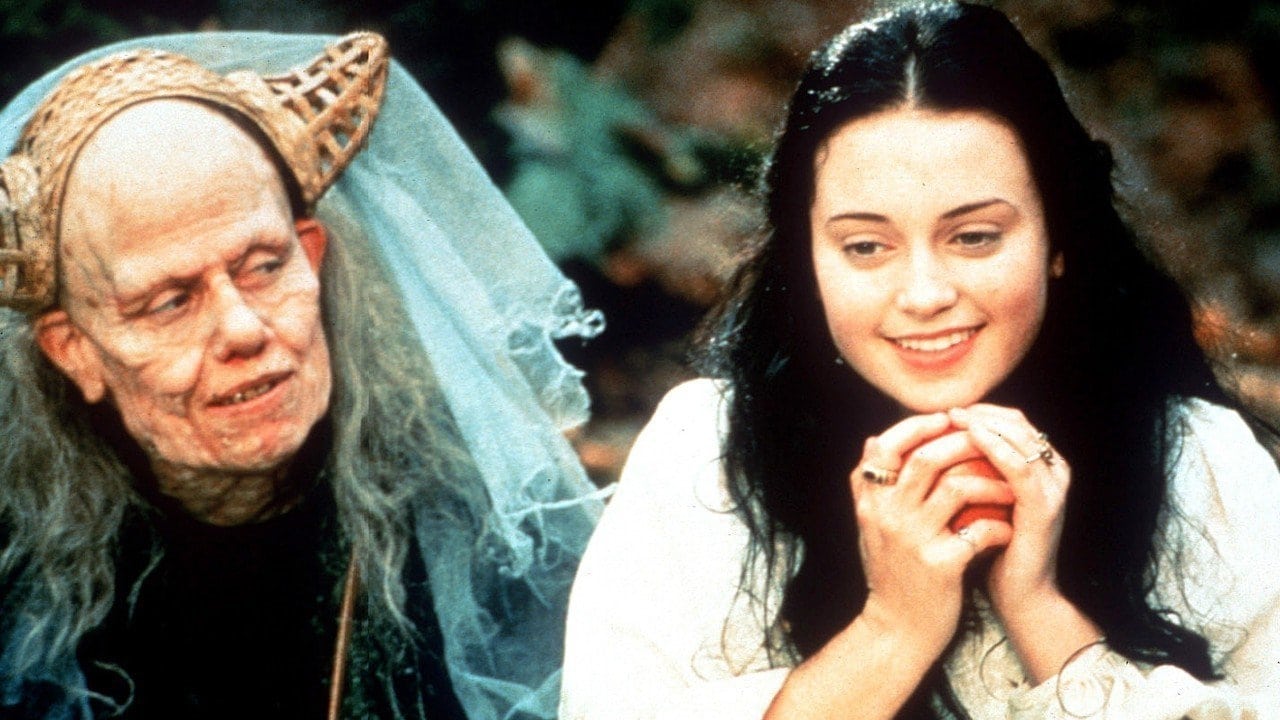
From the outset, director Michael Cohn establishes a world choked by grief and superstition. We open not with songbirds, but with a harrowing carriage accident that claims the life of Lilli Hoffman’s mother, leaving her infant daughter stained with blood and her father, Lord Frederick Hoffman (Sam Neill, bringing his dependable gravitas fresh off ventures like Jurassic Park), emotionally scarred. Years later, Frederick remarries, bringing Lady Claudia (Sigourney Weaver) into their imposing, isolated castle. The stage is set not for enchantment, but for psychological warfare fueled by jealousy, vanity, and a creeping sense of dread. The film was actually born from an idea for a Tales from the Crypt feature, and that pedigree of morbid storytelling permeates every frame. Filmed largely in the starkly beautiful, history-haunted landscapes and castles of the Czech Republic, the production design itself feels like a character – oppressive, ancient, and secretive.
A Queen of Nightmares
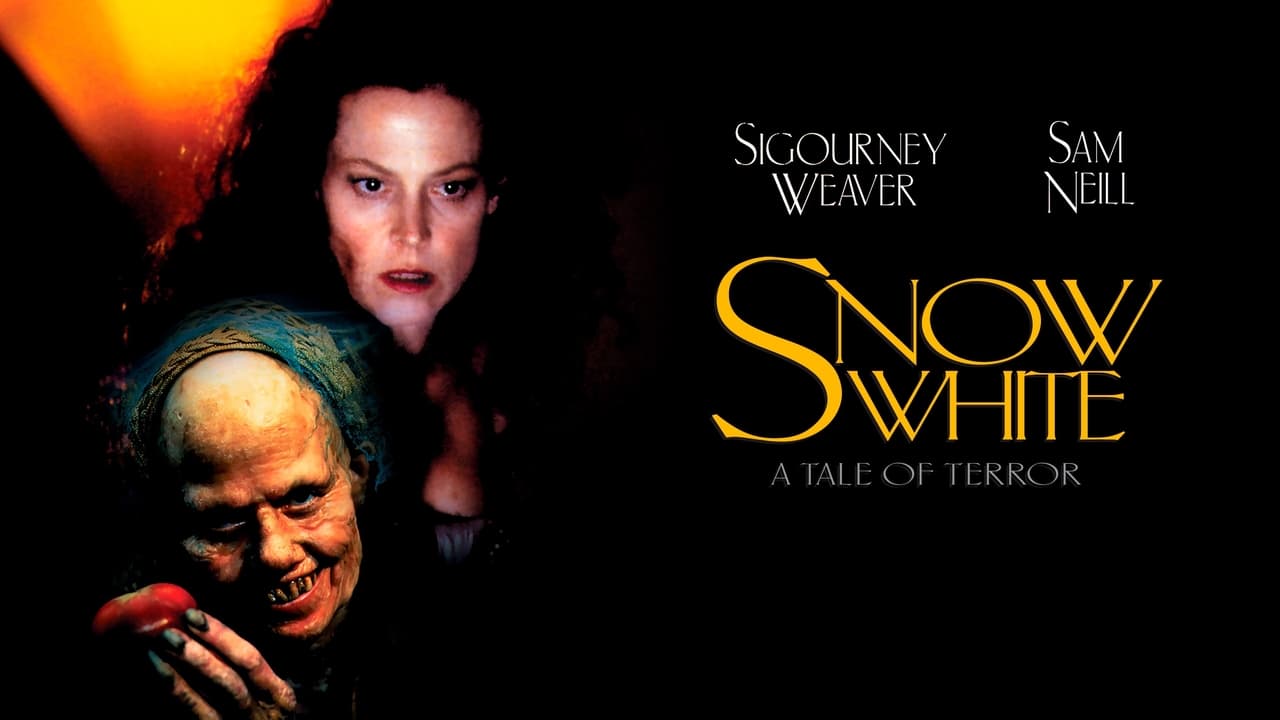
Let's be frank: the magnetic dark star of this production is Sigourney Weaver. Shedding the heroic resilience of Ellen Ripley (Alien series), Weaver dives headfirst into villainy with a terrifying relish. Her Lady Claudia isn't just vain; she's a portrait of fractured narcissism, her insecurities festering beneath a veneer of aristocratic poise. Her obsession with the ornate, demonic-looking vanity mirror – a truly unsettling piece of practical effects work that reportedly required intricate puppetry and projection techniques – becomes the chilling focal point of her descent. Weaver reportedly embraced the chance to play such a complex antagonist, and it shows. Her performance elevates the film beyond simple horror, grounding the supernatural elements in palpable human darkness – the desperate need for validation, the corrosive envy towards her stepdaughter Lilli (Monica Keena, portraying a more resilient and less passive Snow White than tradition dictates). The infamous miscarriage scene, stark and brutal, remains genuinely shocking, adding a layer of tragic, twisted motivation to Claudia's cruelty. It’s a performance that should have earned far more recognition at the time.
Gothic Beauty and Brutality
Snow White: A Tale of Terror leans heavily into its gothic horror aspirations. The cinematography favors shadows and candlelight, emphasizing the isolation of the castle and the menacing nature of the surrounding woods. The score is suitably ominous, eschewing fairy tale lightness for a more oppressive, brooding soundscape. Cohn doesn't shy away from the brutality inherent in the original tale. The attempted murders aren't softened; they feel visceral and desperate. The seven dwarves are reimagined as rough-around-the-edges miners, outcasts led by the rugged Will (Gil Bellows), adding a gritty realism that further distances the film from lighter interpretations. One particularly memorable sequence involves Claudia attempting dark magic, hinting at deeper, more sinister forces at play beyond mere vanity. This dedication to a darker, more adult tone is what made it stand out on the video store shelf back in the day – a familiar title promising something dangerously unfamiliar. Remember picking up that VHS box, seeing Weaver’s icy stare, and knowing this wasn’t for kids?
A Flawed but Fascinating Relic
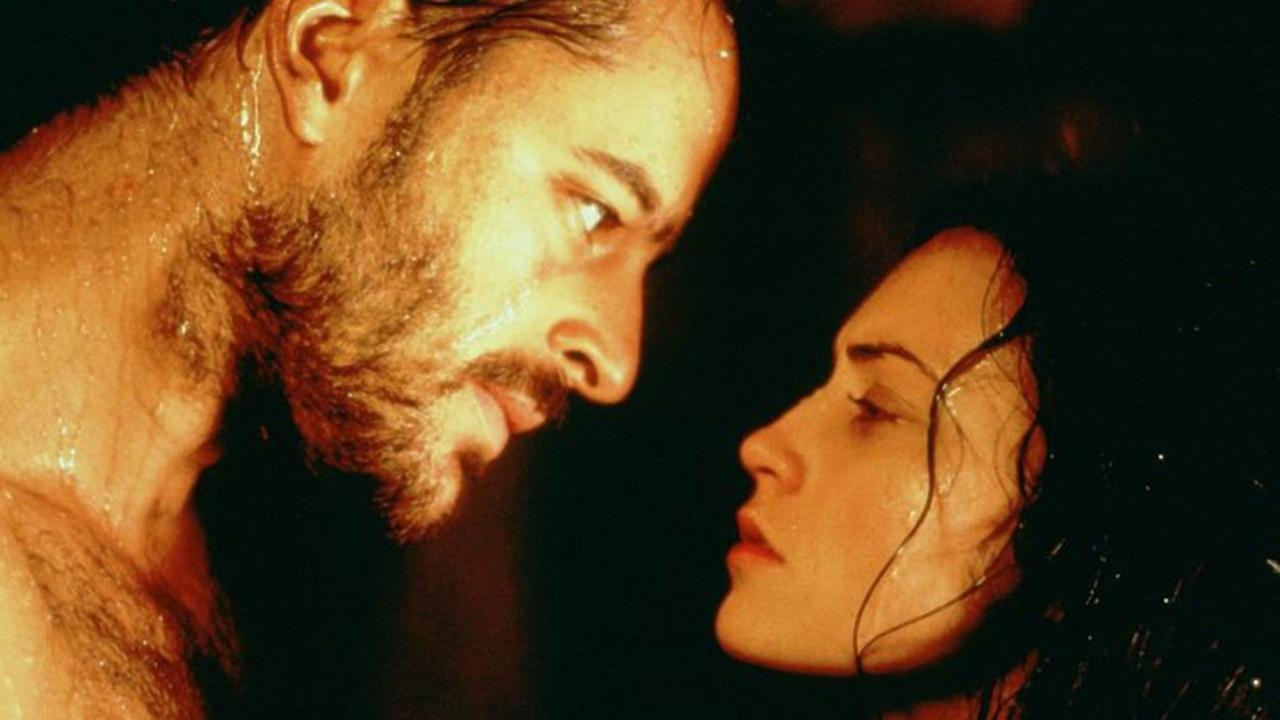
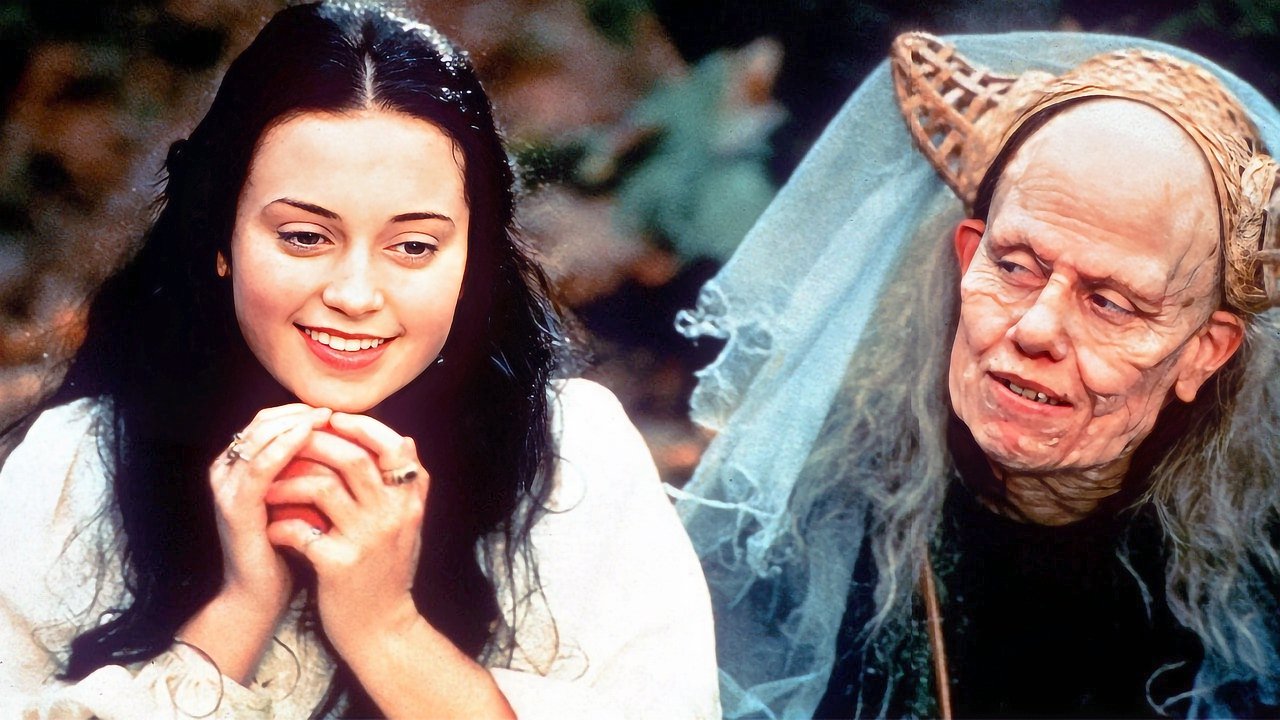
The film isn't perfect, of course. The pacing occasionally lags, and some of the supporting characters feel somewhat underdeveloped compared to the powerhouse duo of Weaver and Neill. Monica Keena does a commendable job as Lilli, giving her agency and spirit, but the script sometimes struggles to give her relationship with the miners, particularly Will, the depth it needs. However, these are minor quibbles in the face of the film's undeniable strengths. Costing a respectable $26 million (around $48 million today), it certainly put its budget on screen, creating a convincing, tangible world. While critical reception was mixed upon release – often praising Weaver while finding the overall tone uneven – it's found a dedicated following among fans of dark fantasy and 90s horror precisely because of its bleakness and its refusal to compromise.
Final Verdict
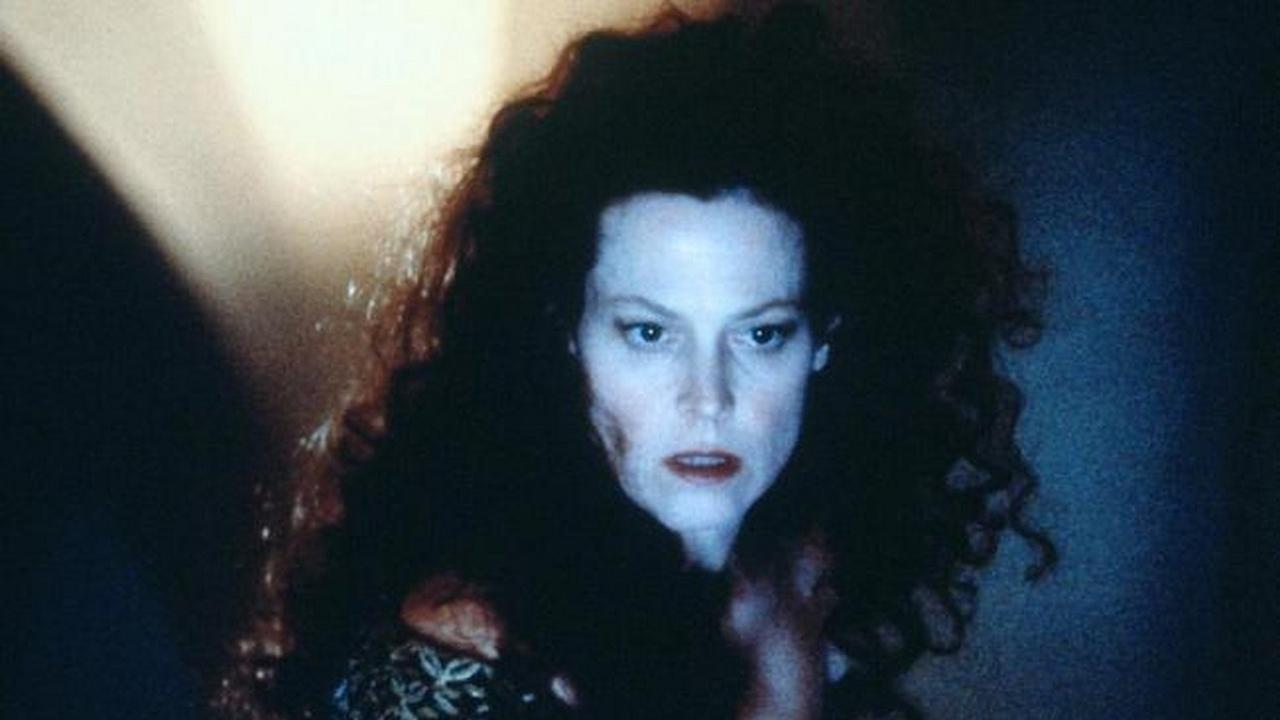
Snow White: A Tale of Terror remains a potent piece of 90s gothic horror. It's a film that understands the darkness lurking beneath the surface of seemingly simple stories. Driven by a mesmerizingly wicked performance from Sigourney Weaver and drenched in a genuinely unnerving atmosphere, it takes the familiar Snow White narrative and twists it into something sharp, cold, and dangerous. It might lack the polish of bigger studio fantasies, but its grim conviction and willingness to embrace the 'terror' in its title make it a standout artifact from the VHS era – a grim fairy tale told with chilling commitment. Doesn't Weaver’s portrayal still send a shiver down your spine?
Rating: 7.5/10
Final Thought: A wonderfully dark antidote to saccharine fairy tales, proving that sometimes the most unsettling monsters wear the most beautiful faces. This tape definitely earned its rewind fee back in the day.