The button-eyed mask. That stark, zippered void staring back from the screen. Even now, decades after first glimpsing it on a worn VHS tape rented from some dimly lit store corner, Dr. Decker’s chilling disguise remains etched in the mind. It’s an image that perfectly encapsulates the unsettling promise of Clive Barker’s ambitious, troubled, and ultimately beloved cult classic, Nightbreed (1990). This wasn't just another slasher; it whispered of darker, stranger things lurking beneath the surface of reality.
Where the Monsters Go
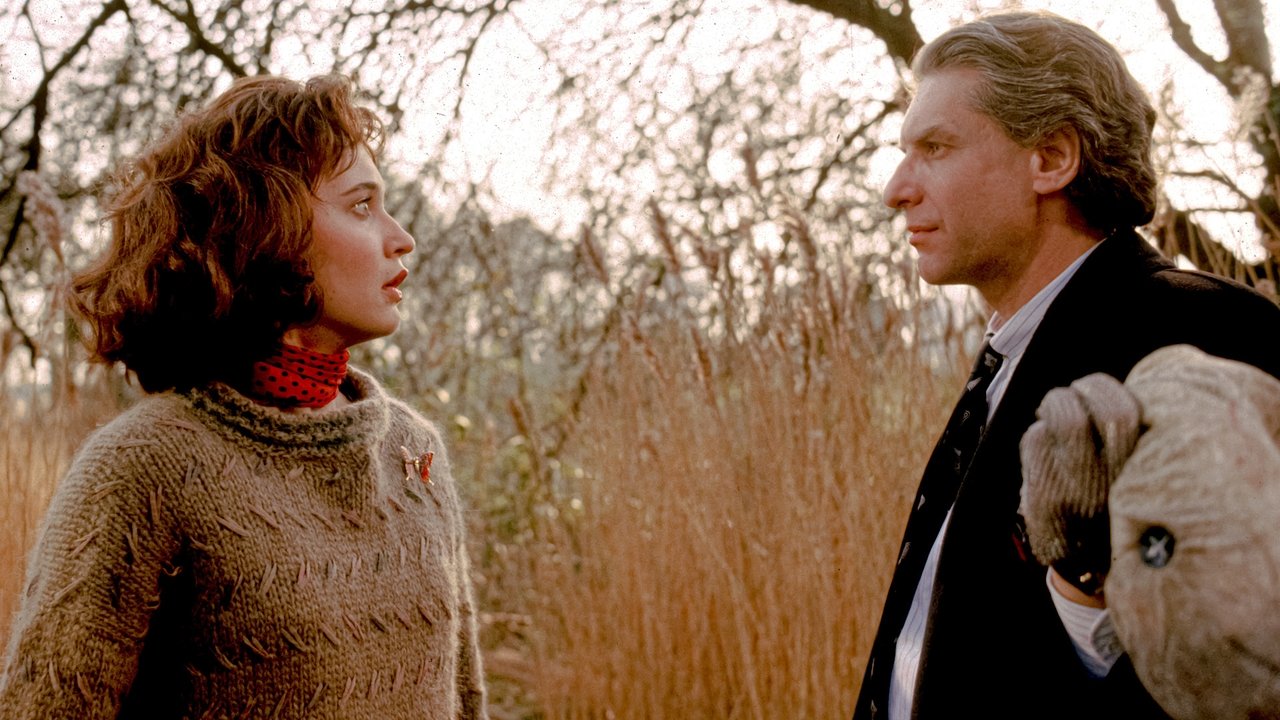
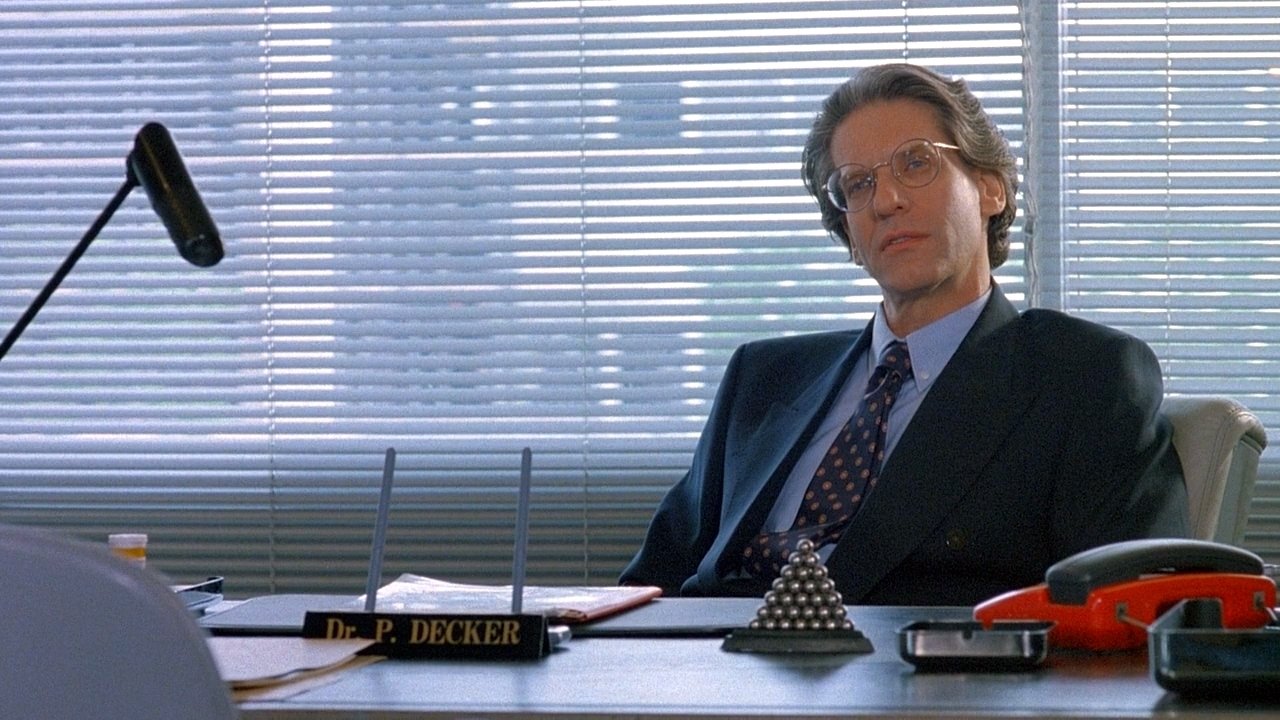
Nightbreed, based on Barker's own novella Cabal, flips the monster movie script. Our protagonist, Aaron Boone (Craig Sheffer), is plagued by terrifying visions of Midian, a subterranean city offering sanctuary to monstrous beings, the titular Nightbreed. Driven there by his manipulative psychiatrist, Dr. Philip K. Decker (David Cronenberg – yes, that David Cronenberg, director of visceral nightmares like The Fly (1986)), Boone finds himself caught between a world that rejects him and a hidden society that might offer belonging, albeit steeped in the grotesque. It’s a film that asks you to sympathize with the freaks and fear the 'normal' human hunting them down. Doesn’t that core idea still feel potent today?
Barker, fresh off the visceral shock of Hellraiser (1987), envisioned Nightbreed as the Star Wars of horror movies – an epic fantasy populated by a dazzling array of unique creatures. The sheer imagination poured into the physical creation of the Breed is staggering, especially viewed through the lens of the practical effects era. Forget CGI homogeneity; Midian pulses with latex, paint, and palpable texture. Remember creatures like the sensual Shuna Sassi, the needle-headed Kinski, or the imposing Peloquin demanding Boone prove his worth? These weren't just masks; they were intricate works of art brought to life by Bob Keen and the Image Animation team, requiring hours upon hours of painstaking application. Sheffer himself reportedly found the process grueling but essential to Boone's transformation. Each denizen feels distinct, a testament to Barker’s fertile imagination and the tangible craft of 90s practical effects.

The Doctor is In(sane)
While the Breed are visually arresting, the film’s true source of bone-chilling dread comes from its human antagonist. Casting fellow horror maestro David Cronenberg as Dr. Decker was a stroke of genius. Cronenberg delivers a performance of icy calm and terrifying detachment. His therapy sessions with Boone are masterclasses in manipulation, dripping with a quiet menace far more disturbing than any overt jump scare. When he dons that horrifying mask and wields his uniquely cruel blade, Decker becomes an unforgettable slasher icon, embodying the film's theme that humanity can be the most terrifying monster of all. Barker specifically sought out Cronenberg, believing another director deeply familiar with the horrific could best embody Decker's clinical evil. He wasn't wrong. The performance feels unnervingly authentic, devoid of theatrics, making Decker’s calculated violence feel chillingly real.
A Troubled Birth, A Cult Rebirth
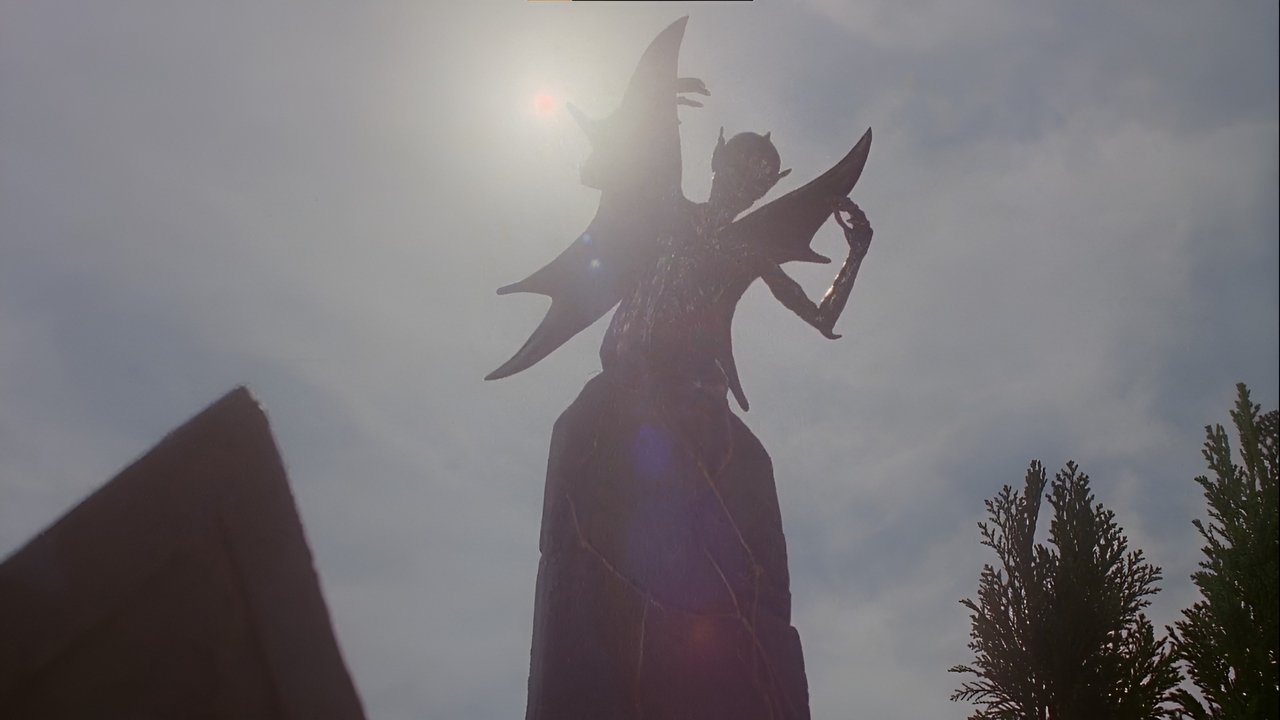
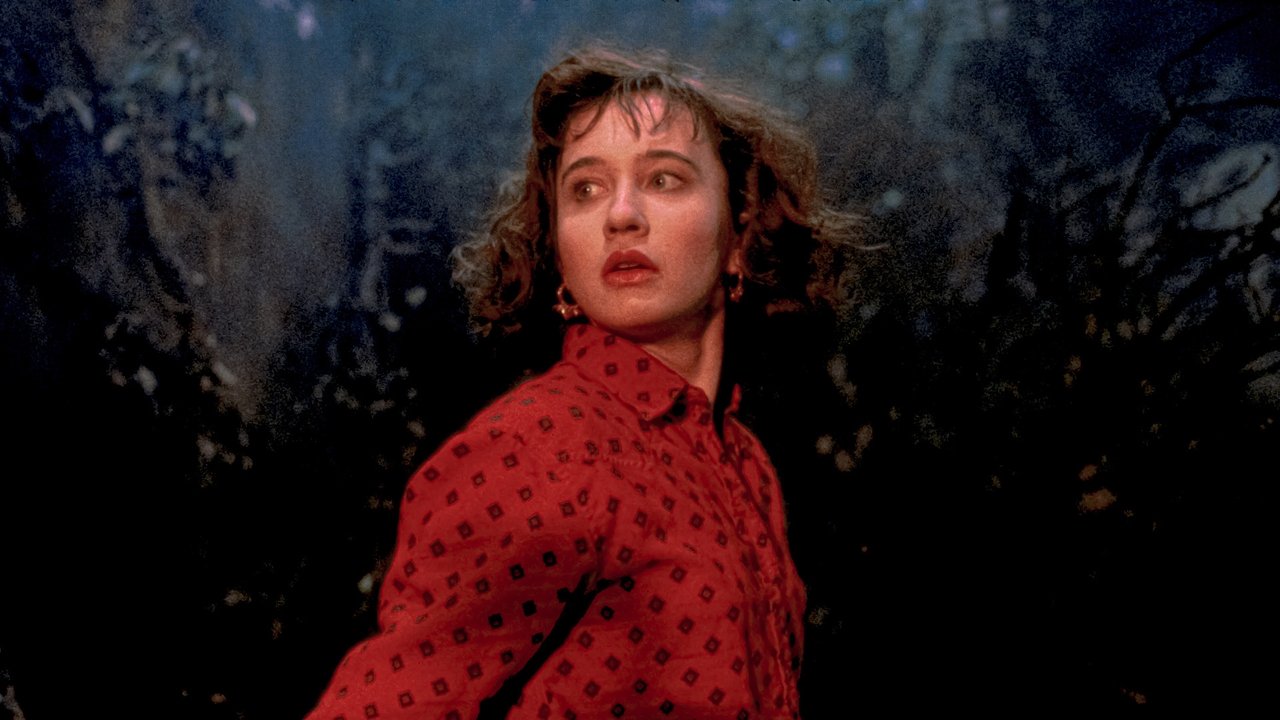
It's impossible to discuss Nightbreed without acknowledging its notoriously troubled production and release. The studio, Morgan Creek Productions, simply didn’t understand Barker’s vision. They wanted a straightforward slasher flick focusing on Decker, not an expansive dark fantasy where the monsters were the heroes. Extensive cuts were demanded, drastically altering the film's scope, character arcs (especially for Anne Bobby's loyal Lori), and thematic depth. Reportedly, over 20 minutes were excised from the theatrical cut, with rumors of nearly an hour of lost footage circulating for years. The marketing campaign further compounded the issue, selling it as a generic horror movie with taglines like "Lori thought she knew everything about her boyfriend. Lori was wrong," completely misrepresenting its unique appeal. The result? A box office disappointment ($8.9 million against a $11 million budget) and initial critical confusion.
Yet, like the denizens of Midian itself, Nightbreed refused to stay buried. Whispers grew among fans who sensed the fractured brilliance beneath the studio-mandated compromises. Bootleg workprints circulated, hinting at Barker’s original intentions. This dedication eventually culminated in the restoration efforts known as the "Cabal Cut," and later, an official Director's Cut released on Blu-ray, restoring significant footage and bringing the film closer to Barker’s intended epic. This journey from misunderstood flop to celebrated cult horror classic is a testament to the film's enduring power and the passion of its fanbase. Watching the restored versions now feels like uncovering a hidden treasure, finally seeing the rich tapestry Barker meant to weave.
The Pulse of Midian
Adding to the film's unique atmosphere is the score by Danny Elfman. Fresh off his iconic work on Batman (1989), Elfman brings his signature blend of gothic whimsy and driving intensity. The music captures both the wonder and the terror of Midian, shifting seamlessly between Boone’s desperate flight and the mystical allure of the Breed’s hidden world. It’s a score that feels perfectly suited to Barker’s strange mythology.
Final Verdict
Nightbreed is a flawed masterpiece, especially in its original theatrical form, but its ambition, stunning creature design, and Cronenberg's terrifying performance elevate it far beyond typical genre fare. It’s a film brimming with ideas about persecution, acceptance, and the beauty found in the grotesque. The practical effects remain a marvel, a glorious high-water mark of the pre-digital age. While the studio interference undeniably hampered its initial impact, the passion behind Barker’s vision shines through, particularly in the restored cuts. It’s a film that rewards those who seek out the strange and find sanctuary in the shadows. I distinctly remember the bizarre allure of that VHS cover, promising something dark and different – and despite the studio's meddling, it delivered a world I couldn't easily forget.
Rating: 8/10 (Based on the Director's Cut/Cabal Cut - the theatrical version might score lower, maybe a 6.5)
For those who champion the monstrous and the misunderstood, Nightbreed remains a vital, vibrant piece of 90s cult cinema, a testament to practical effects artistry and the enduring power of a singular, dark vision. Midian truly is where the monsters go, and sometimes, you just want to go with them.