It begins with the light. An unrelenting, oppressive glare that bleeds into every frame, every thought. This isn't the warm embrace of summer sun; it's the stark, clinical daylight of the Arctic Circle's midnight sun, a phenomenon that becomes a character in itself in Erik Skjoldbjærg's stunningly original 1997 Norwegian thriller, Insomnia. For those of us who combed the "Foreign Films" section of the video store, hoping for something beyond the usual Hollywood gloss, finding a tape like Insomnia felt like uncovering a hidden gem – stark, intelligent, and deeply unsettling.
Under the Unblinking Eye
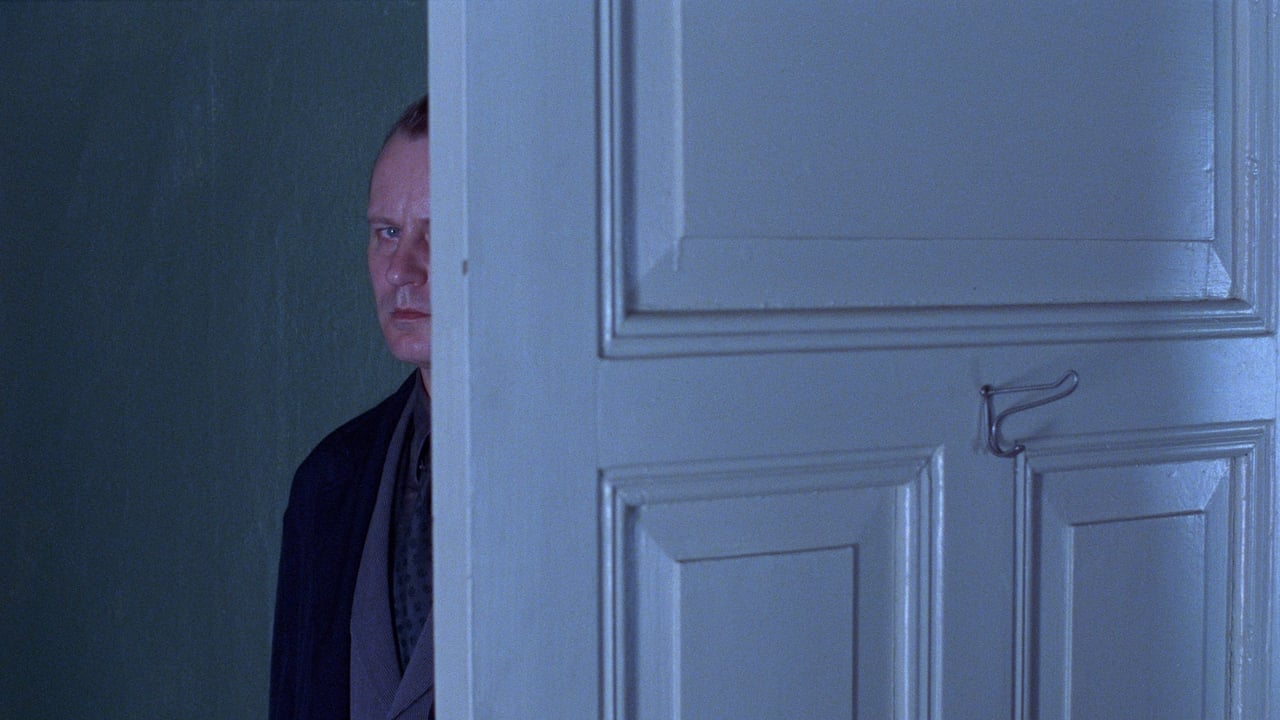
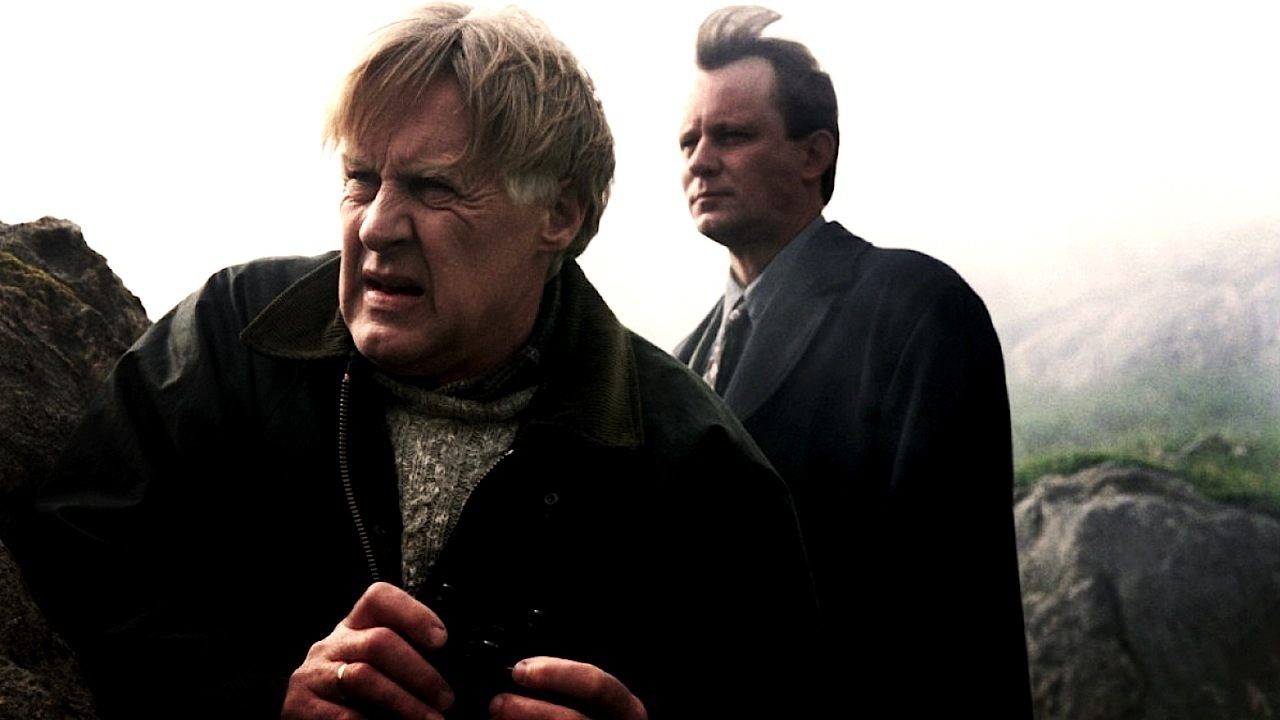
The premise sounds familiar enough: a seasoned detective, Jonas Engström (Stellan Skarsgård), arrives from Sweden with his partner Erik Vik (Sverre Anker Ousdal) in a remote Norwegian town north of the Arctic Circle to investigate the brutal murder of a teenage girl. But Skjoldbjærg, working from a sharp script co-written with novelist Nikolaj Frobenius, quickly steers away from standard procedural tropes. The perpetual daylight isn't just a scenic quirk; it's a catalyst for disorientation, mirroring the moral fog that soon engulfs Engström. The lack of night denies rest, erodes judgment, and forces a confrontation with truths that thrive in darkness but are bleached raw under this constant exposure.
Engström, haunted by past professional stains hinted at but never fully detailed, finds himself increasingly frayed. The pressure mounts, sleep becomes impossible, and in a disastrously foggy pursuit of the killer, a fatal mistake occurs. This single, shocking moment pivots the film from a murder investigation into a harrowing study of guilt, compromised ethics, and the desperate measures one man takes to conceal his own culpability while still pursuing the original killer.
A Masterclass in Deterioration
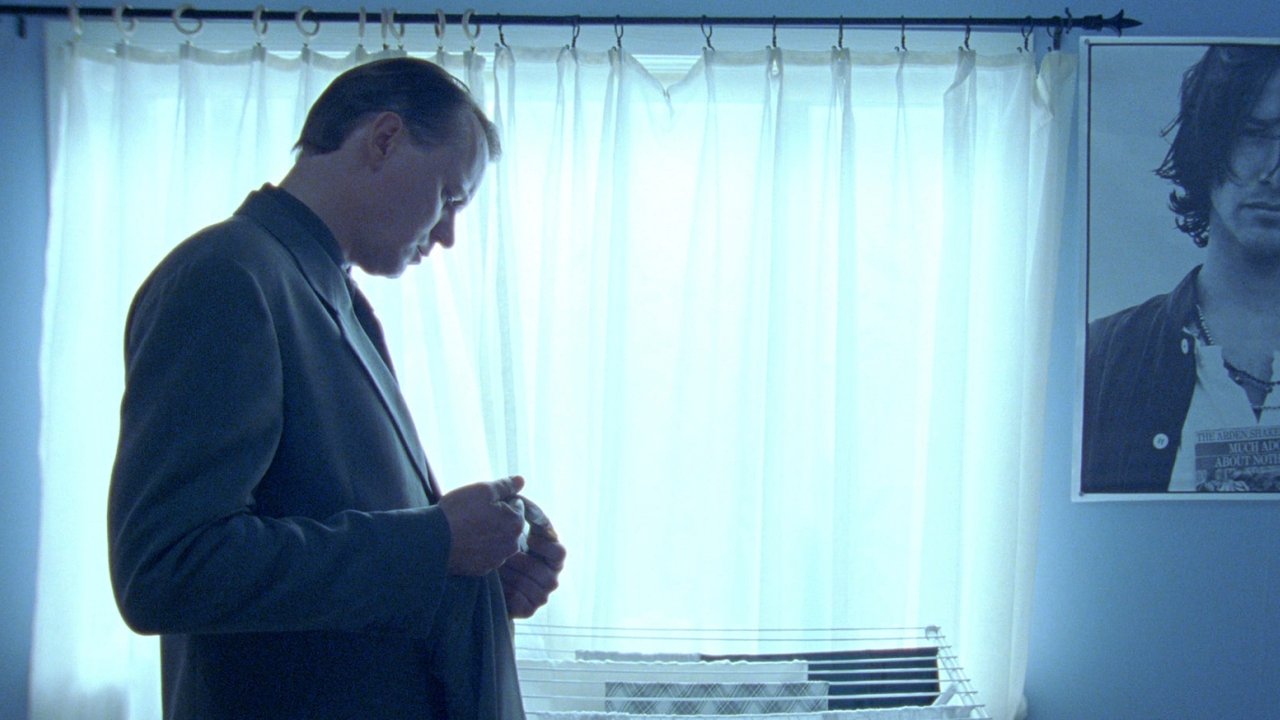
At the heart of Insomnia's chilling power is Stellan Skarsgård. Long before his more globally recognized roles, he delivers a career-defining performance here. It’s not just the physical weariness – the bloodshot eyes, the increasingly erratic behaviour – but the profound internal decay he conveys. Engström isn't simply tired; he's morally exhausted, his internal compass spinning wildly. Skarsgård masterfully portrays the calculated manipulations Engström employs to divert suspicion, the flashes of panic beneath the surface, and the slow poisoning of his soul. We watch a man simultaneously hunting a killer and becoming ensnared in his own web of deceit, and Skarsgård makes every agonising step utterly believable. His interaction with the quietly menacing suspect, Jon Holt (Bjørn Floberg), becomes a tense dance of shared secrets and shifting power dynamics.
Crafting the Chill
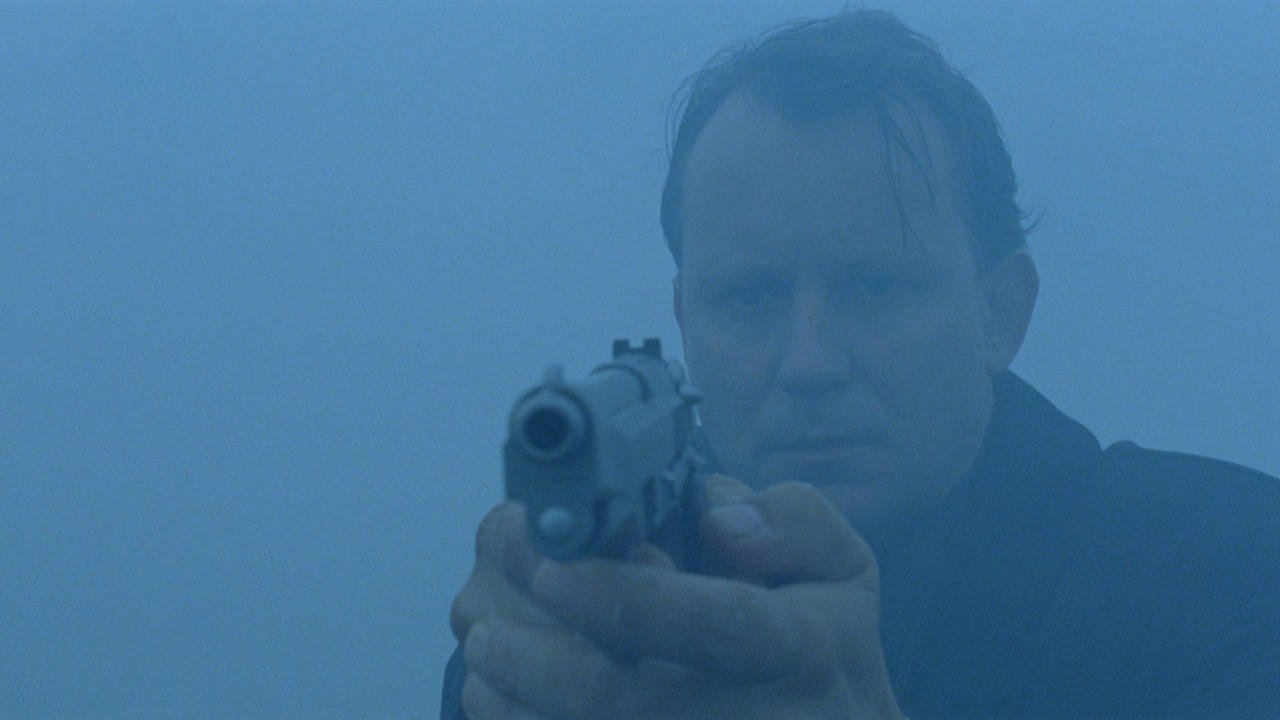
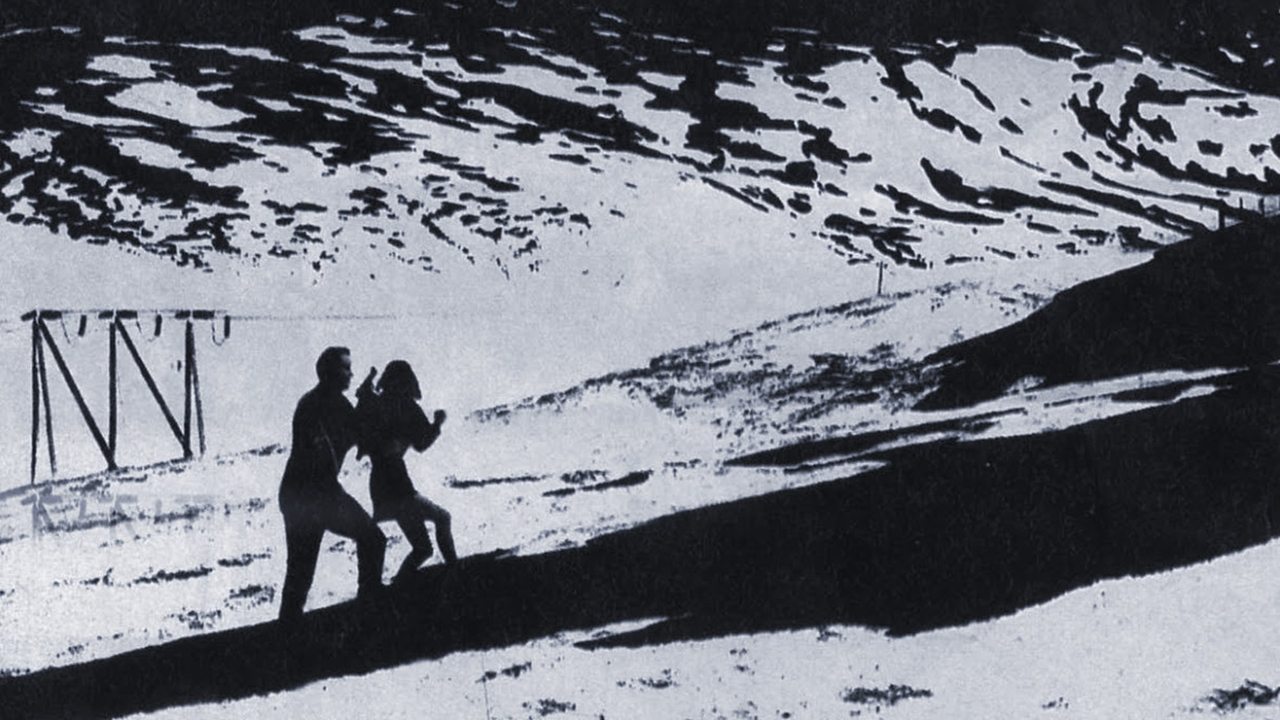
Director Erik Skjoldbjærg crafts an atmosphere thick with unease. Filming in Tromsø, Norway, during the period of midnight sun wasn't just a logistical choice; it was integral to the film's thematic core. Reports from the production mention the deliberate use of overexposure, washing out colours and creating that uniquely harsh, inescapable light that mirrors Engström’s inability to hide from his actions or find mental peace. The reported budget was modest (around $3 million USD), yet the film achieves a visual and psychological impact many bigger productions miss. The stark landscapes, the functional but sterile interiors, and the disorienting effect of constant daylight contribute to a palpable sense of dread. There’s a rawness here, a lack of polish that feels authentic and serves the story perfectly. It’s the kind of detail-oriented filmmaking that rewards close attention – the subtle shifts in Engström’s demeanour, the loaded glances, the way the environment itself seems to press in on him.
This film belongs to a specific strain of 90s thrillers – those that favoured psychological depth and moral ambiguity over explosive action. It feels less like a product of its time and more like a precursor to the sophisticated, character-driven crime dramas that would gain prominence later. You can see why it caught the eye of Christopher Nolan, who famously remade it in 2002 with Al Pacino. While Nolan’s version is a fine film in its own right, bringing a larger budget and Hollywood stars, it inevitably smooths some of the original's rougher, more disturbing edges. The Norwegian original retains a unique, icy potency.
Retro Fun Facts
- The title Insomnia isn't just about lack of sleep; it reflects the inability to find darkness, both literally and metaphorically, making escape from one's conscience impossible under the perpetual gaze of the sun.
- Stellan Skarsgård reportedly embraced the complexity of Engström, finding the character's moral ambiguity far more compelling than playing a straightforward hero, allowing him to explore the darker facets of human nature under pressure.
- The film’s critical reception in Norway was strong, and it quickly gained attention on the international festival circuit, marking Skjoldbjærg as a director to watch and further cementing Skarsgård's reputation as a formidable actor.
The Verdict
Insomnia isn't a comfortable watch. It doesn't offer easy answers or clear-cut heroes. Instead, it burrows under your skin, forcing you to confront uncomfortable questions about morality, guilt, and the slippery slope of compromise. Skarsgård's central performance is magnetic in its depiction of gradual unraveling, and Skjoldbjærg's direction masterfully uses the unique setting to amplify the psychological tension. It’s a film that leverages its environment – that relentless, unforgiving light – to expose the darkness within. For its chilling atmosphere, complex character study, and Skarsgård's phenomenal performance, Insomnia remains a standout piece of 90s neo-noir. It’s a reminder that sometimes the most chilling horrors aren't supernatural, but born from human frailty under extraordinary pressure.
Rating: 9/10 - A near-perfect execution of a psychological thriller, leveraging its unique setting and a powerhouse central performance to create a lasting sense of unease. Its starkness and moral ambiguity might not be for everyone, but its craft is undeniable.
What haunts more: the crime committed, or the darkness revealed within the man investigating it? Insomnia leaves you pondering that long after the harsh light finally fades.