Okay, settle in, grab a lukewarm cup of coffee – remember those? – and let’s talk about a film that maybe didn’t scream from the New Releases wall at Blockbuster, but once you found it, tucked away perhaps, it left a mark. I’m thinking about Lee Chang-dong’s astonishing 1997 debut, Green Fish (초록물고기 - Chorok Mulgogi). This isn't your typical neon-soaked 90s thriller; it’s something heavier, something that digs under your skin and stays there, much like the grit of the rapidly changing cityscapes it portrays.

Remember that feeling of coming home after being away, only to find home isn't quite home anymore? That's the gut punch that hits Mak-dong (Han Suk-kyu) right at the start. Fresh out of his military service, he returns to Ilsan, a newly developed satellite city near Seoul, to find his family displaced, their old farmhouse overshadowed by soulless apartment blocks, and the familiar rhythms of life replaced by the frantic pulse of modernization. It's a dislocation that sets the stage for everything that follows, a quiet tragedy brewing before the first real storm hits.
A World Off-Kilter
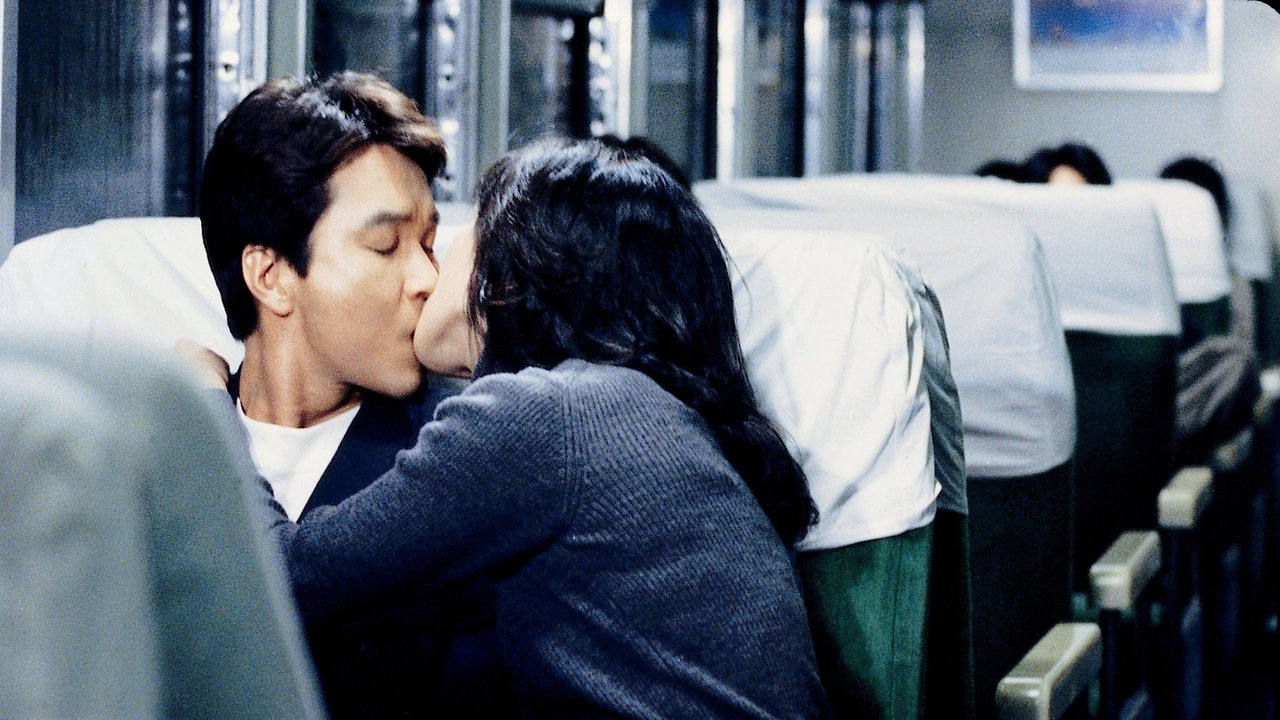
The film catches Mak-dong at his most vulnerable. He’s adrift, disconnected from the past he remembers and ill-equipped for the future rushing towards him. It's on a train back home that his fate takes a sharp turn. An encounter with the enigmatic Mi-ae (Shim Hye-jin), a nightclub singer with trouble clinging to her like cheap perfume, leads him inadvertently into the orbit of her gangster boss boyfriend, Bae Tae-gon (Moon Sung-keun). This chance meeting isn't just plot mechanics; it feels like the pull of a dark tide, dragging Mak-dong into depths he never intended to navigate.
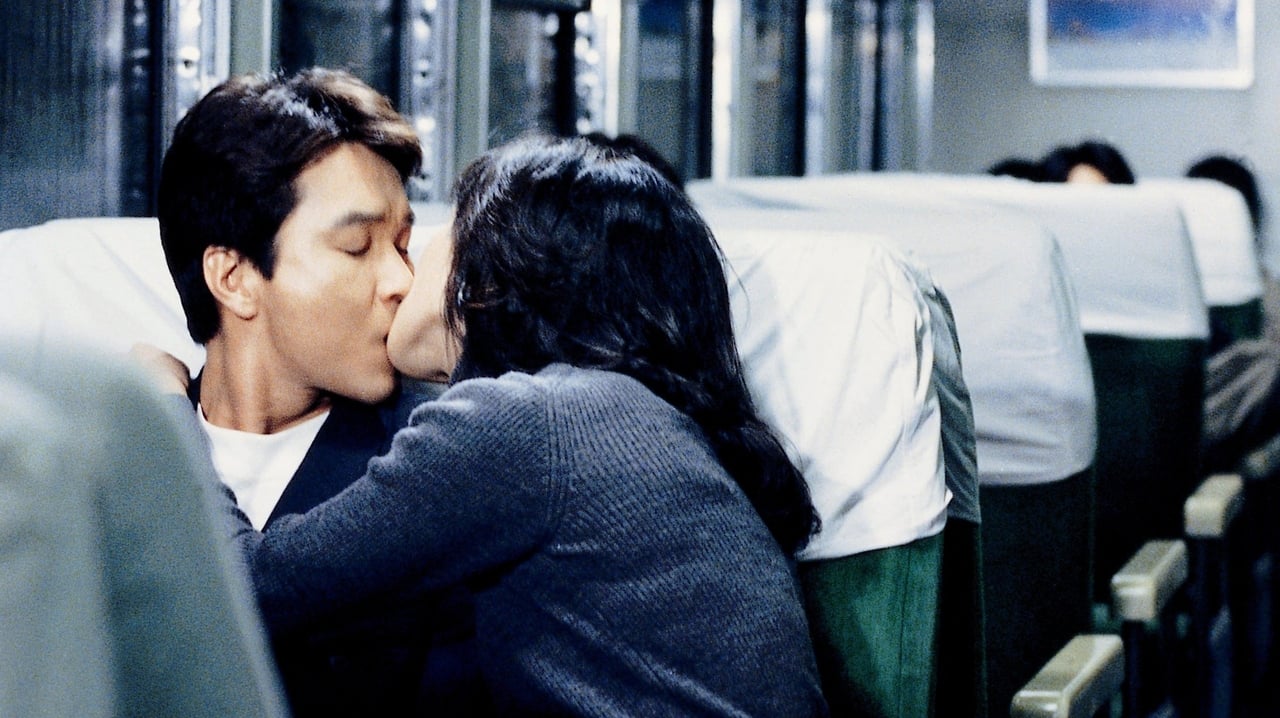
What makes Green Fish resonate so powerfully, even decades later, is its unflinching portrayal of this descent. This isn't a glamorous rise through the criminal ranks; it’s a desperate scrabble for belonging, for respect, for a foothold in a world that seems determined to erase him. Lee Chang-dong, coming to filmmaking after a successful career as a novelist, brings a writer's eye for character and social nuance. He's less interested in the mechanics of crime than in the psychology of those caught in its web. The film subtly captures the anxieties of South Korea in the mid-90s – a nation grappling with rapid economic growth and the social fragmentation that often accompanies it. The constant construction, the impersonal concrete structures replacing familiar landscapes, it all mirrors Mak-dong’s internal erosion.
Raw Nerves and Unforgettable Faces
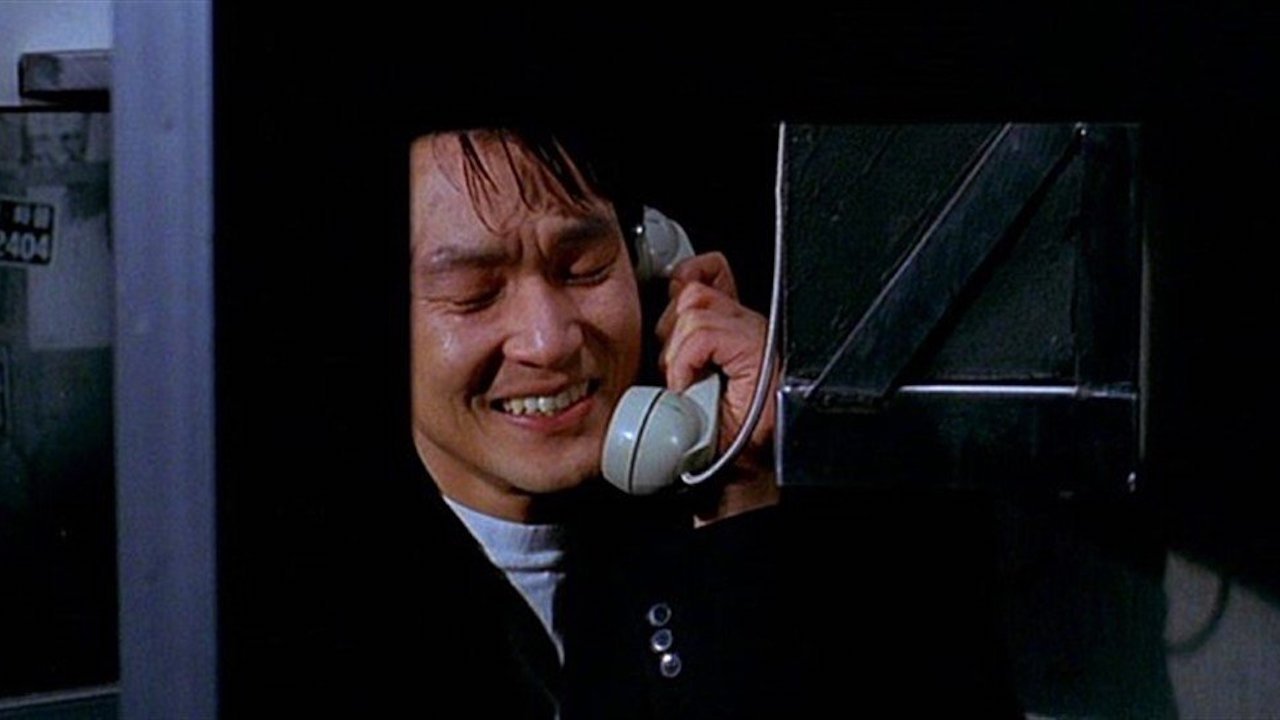
And the performances… oh, the performances. This film rests heavily on the shoulders of its cast, and they deliver with a raw intensity that’s almost uncomfortable to watch. Han Suk-kyu, who was arguably the biggest male star in Korea at the time, coming off hits and heading towards blockbusters like Shiri (1999), is simply devastating as Mak-dong. He embodies the character’s initial wide-eyed naivety, the simmering resentment that grows with each compromise, and the final, heart-wrenching explosion of despair. You see the hope drain from his eyes, replaced by a hardened resignation. It's a performance devoid of vanity, utterly grounded in truth.
Opposite him, Moon Sung-keun crafts Bae Tae-gon not as a cartoon villain, but as a chillingly pragmatic operator. He possesses a certain weary charisma, a paternalistic air that masks a ruthless core. His calm demeanor makes his capacity for violence all the more unnerving. And Shim Hye-jin as Mi-ae is the tragic heart of the triangle. She’s trapped, using her allure as both shield and weapon, yearning for an escape that seems perpetually out of reach. Her vulnerability makes her complicity all the more painful.
The Director's Hand
As a debut feature, Green Fish is remarkably assured. Lee Chang-dong establishes the hallmarks that would define his later masterpieces like Peppermint Candy (1999) and Oasis (2002): a patient, observational style, a deep empathy for marginalized characters, and a willingness to confront uncomfortable social realities. There’s a distinct lack of flashy editing or ostentatious camerawork. Instead, the camera often holds, forcing us to sit with the characters in their moments of quiet desperation or simmering tension. This directorial choice amplifies the film's realism and emotional weight. It's fascinating to know Lee reportedly drew inspiration from a real-life incident involving a young man caught between rival gangs, grounding the film's noir-inflected plot in a tangible, tragic reality. It swept major awards in Korea, including Best Film at the prestigious Blue Dragon Film Awards, announcing a major new voice in cinema.
The film doesn't offer easy answers or neat resolutions. The title itself, Green Fish, refers to a creature Mak-dong remembers from his childhood river, a symbol of a lost, perhaps idealized, past – an innocence that can't survive in the murky waters of his present. Does it represent hope, or the impossibility of return? The film leaves that beautifully, achingly ambiguous.
Legacy in a Worn Cardboard Sleeve
Finding Green Fish back in the day, maybe on a copied tape passed between friends who were digging into the burgeoning world of Korean cinema, felt like uncovering something vital and real. It wasn’t trying to emulate Hollywood; it was telling a Korean story with a universal resonance – the story of dreams curdling, of innocence lost in the shadow of progress, of the desperate human need for connection, even in the most dangerous places. It’s a tough watch, undeniably bleak, but its honesty and the sheer power of its performances make it unforgettable. It stands as a crucial starting point for one of modern cinema's most important directors and a high-water mark for Korean film in the 90s.
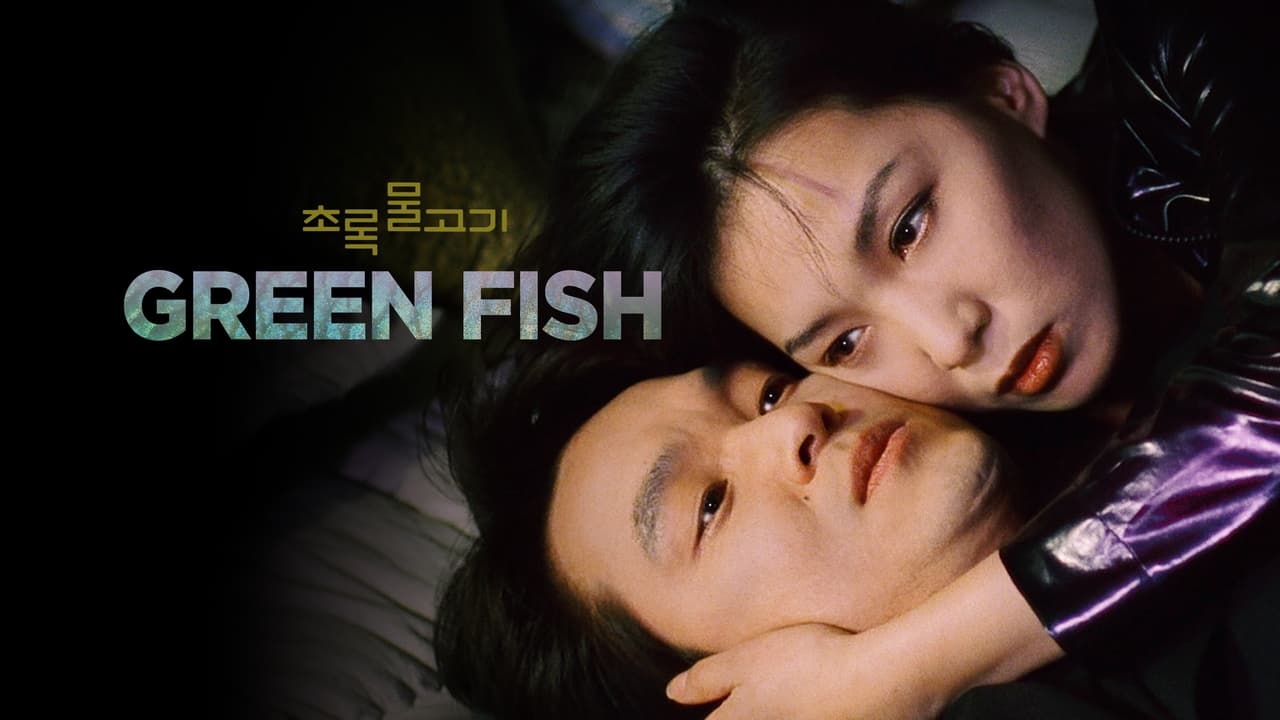
Rating: 9/10
This rating reflects the film's exceptional performances, particularly from Han Suk-kyu, its powerful thematic depth, and Lee Chang-dong's masterful directorial debut. It’s a near-perfect distillation of character-driven neo-noir, grounded in potent social commentary. It loses a single point only perhaps for its unrelenting bleakness, which, while integral to its vision, makes it a film you admire profoundly rather than revisit casually for comfort.
Green Fish is more than just a movie; it's a haunting reflection on the human cost of change, leaving you with the lingering image of a young man lost in a concrete jungle, searching for waters that no longer exist.