The grain on the tape flickers, the tracking lines waver, and a particular kind of dread begins to seep from the screen. It’s not the jump-scare jolt of a slasher flick, but something deeper, more insidious. It’s the feeling you get when confronting the outer limits of cinematic transgression, a territory well-trod by Japanese V-Cinema maestro Hisayasu Satô. And perhaps nowhere is his exploration of the body’s limits and the psyche’s darkest corners more viscerally rendered than in 1996’s Splatter: Naked Blood (also known, perhaps more luridly, as Guts of a Virgin 3: Assault! Jack the Ripper). This isn't a film you stumble upon casually; finding it back in the day often meant navigating the whispered recommendations and traded tapes of the truly dedicated gorehound underground.

The Thin Line Between Agony and Ecstasy
At its cold, beating heart, Splatter: Naked Blood revolves around a chillingly simple premise: what if pain could be chemically transformed into overwhelming pleasure? Eliga (played with a disturbing intensity by Mika Kirihara), a young medical student assisting the brilliant but disturbed Dr. Tatsuya Mizuno (Sadao Abe, years before his mainstream Japanese fame in films like Maiko Haaaan!!!), becomes entangled in his obsessive research. Mizuno believes he's on the verge of isolating the endorphin trigger that can flip agony into ecstasy, a discovery with potentially world-altering (or world-ending) implications. The narrative spirals as his experimental drug finds its way into unsuspecting victims, unleashing a wave of self-mutilation fueled not by madness, but by an insatiable pursuit of chemically induced bliss.
This central concept elevates Splatter beyond mere shock value, tapping into primal anxieties about bodily autonomy, scientific hubris, and the terrifying fragility of our own sensory perception. Satô, a director known for his staggering prolificacy (often churning out multiple films a year for the direct-to-video market), frequently used the narrative freedom and low-budget constraints of V-Cinema to explore themes mainstream filmmaking wouldn’t touch. Here, the body isn't just a vessel for violence; it's a canvas for exploring the absolute extremes of human experience.
A Symphony of Viscera
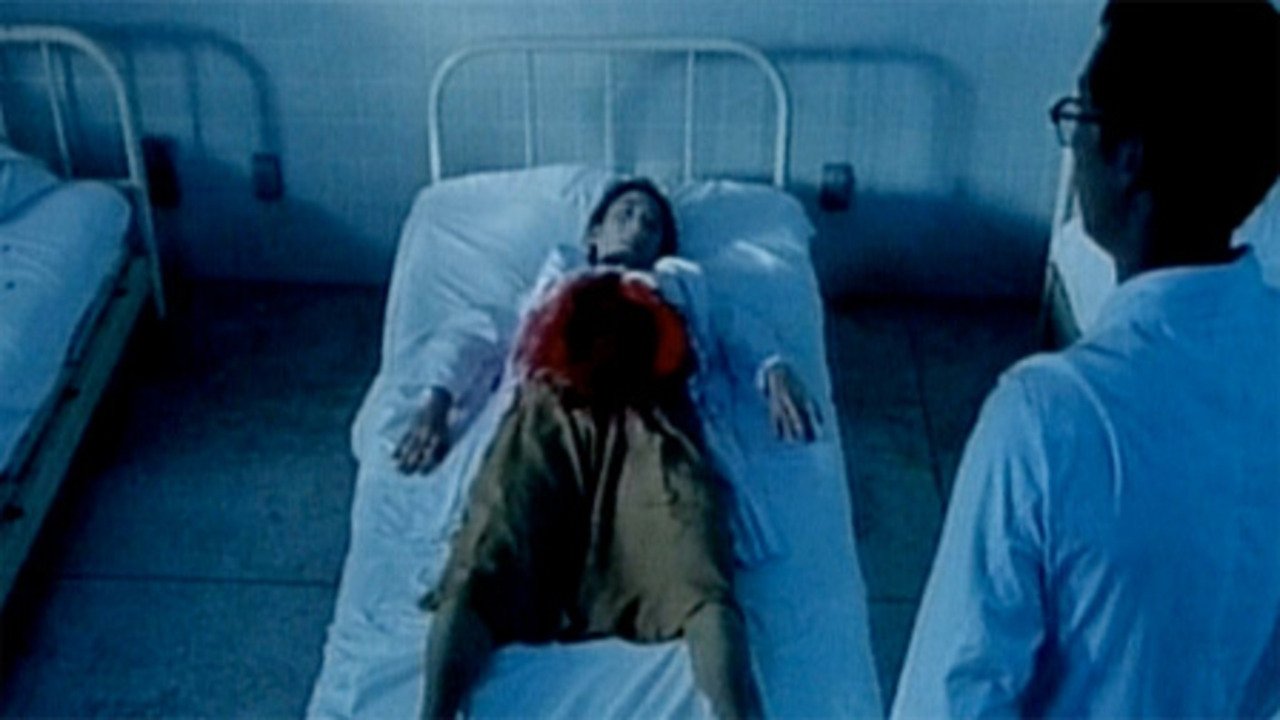
Let's mince no words: Splatter: Naked Blood lives up to its name. The film features sequences of graphic self-harm and body horror that are genuinely difficult to watch, even for seasoned viewers of extreme cinema. Yet, unlike some of its contemporaries, the gore here feels disturbingly purposeful, intrinsically linked to the film's thematic core. The practical effects, while clearly products of their low-budget origins, possess a raw, tactile quality that CGI often lacks. There’s a disturbing intimacy to the flesh-rending, a stomach-churning verisimilitude achieved through latex, tubing, and gallons of fake blood that feels unnervingly real on a flickering CRT screen.
Remember the feeling of watching something you knew you shouldn't be seeing on VHS? That illicit thrill mixed with genuine revulsion? Splatter embodies that sensation. Satô's direction is often stark and unflinching, forcing the viewer to confront the grotesque consequences of Mizuno's discovery. The washed-out colours, the claustrophobic interiors, and the often unsettlingly calm demeanor of characters succumbing to the drug create an atmosphere of profound unease. It's rumored that the effects team faced significant challenges achieving the desired level of graphic detail on their budget, leading to inventive, if gruesome, solutions that somehow make the horror feel even more grounded and unpleasant.
Beyond the Gore: A Lingering Chill
While the extreme content is the film's most immediate talking point, there's a bleak philosophical undercurrent that lingers. Satô isn't just trying to shock; he's probing the relationship between physical sensation and emotional response, questioning the very nature of suffering and desire. Sadao Abe's performance as Mizuno captures the chilling detachment of a scientist lost in his obsession, blind to the human cost. The narrative structure, while sometimes feeling episodic as the drug affects different individuals, builds a cumulative sense of dread and inevitability.
Watching Splatter: Naked Blood today is a specific kind of retro experience. It's a reminder of a time when filmmakers operating on the fringes pushed boundaries with a raw, unfiltered intensity. It belongs to that strange category of films whispered about in hushed tones, often discovered via poorly subtitled, multi-generational copies that added another layer of unsettling mystery. It’s not "fun" in the conventional sense, nor is it trying to be. It aims to provoke, disturb, and lodge itself uncomfortably in your memory. Did the sheer audacity of its premise and execution leave you cold, or strangely fascinated?
Verdict:
Splatter: Naked Blood is a demanding and deeply unsettling piece of 90s Japanese extreme cinema. It's relentlessly graphic, philosophically bleak, and executed with a low-budget ferocity characteristic of Hisayasu Satô's V-Cinema output. The film succeeds entirely in its goal of exploring the horrific potential of transforming pain into pleasure, utilizing visceral body horror not just for shock, but to underscore its disturbing themes. The performances, particularly from Abe and Kirihara, effectively convey the unsettling narrative. However, its extreme nature and rough-around-the-edges production make it inaccessible and potentially repulsive to many viewers. It’s a landmark within its specific, blood-soaked niche, but far from a casual watch.
Rating: 6/10 – A rating reflecting its undeniable effectiveness in achieving its extreme goals and its significance within underground horror circles, balanced by the fact that its graphic content and low-budget aesthetic create a significant barrier to entry. It delivers exactly what it promises, for better or worse.
Final Thought: This is the kind of tape that, once ejected, might make you stare at the VCR for a moment, wondering what exactly you just subjected yourself to – a potent, if punishing, dose of 90s transgression that still feels dangerous today.