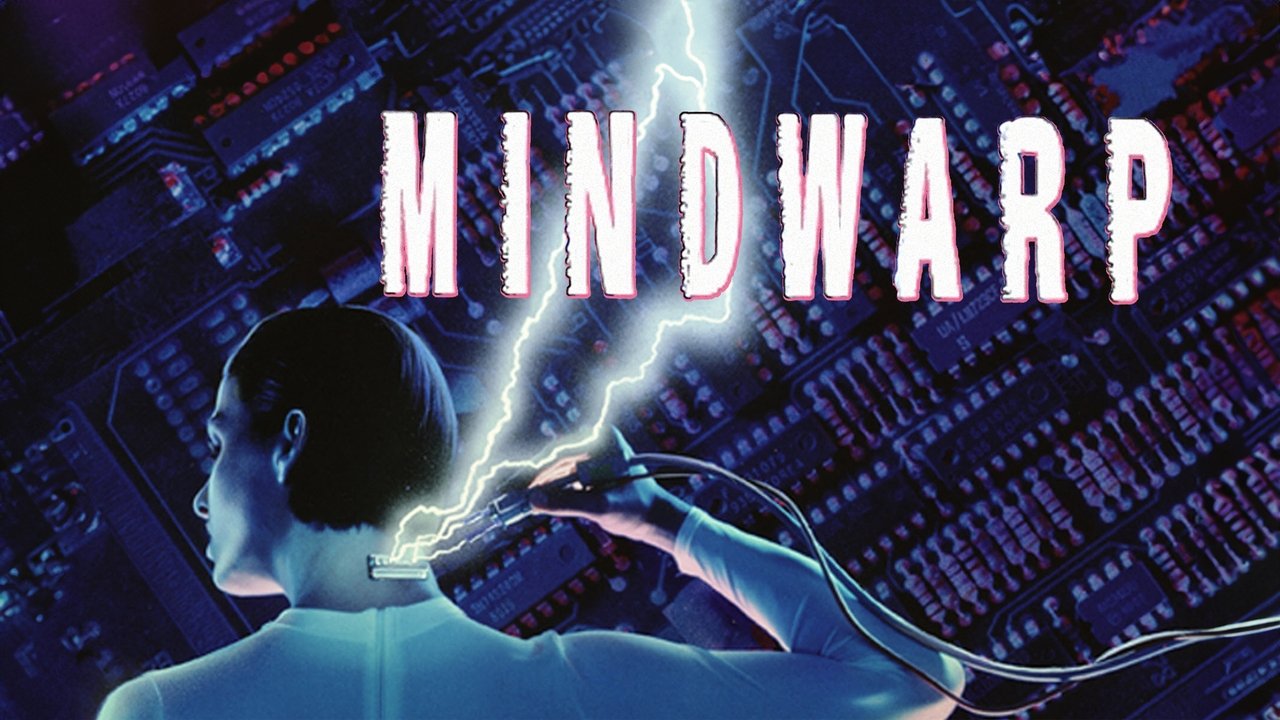
The flickering static of the tube TV resolves into a sterile, synthetic paradise. But behind the pleasing pixels, a different kind of static hums – a low thrum of discontent, a yearning for something tangible, something real. That’s the unease that permeates Mindwarp (1992), a film that crawled out of the early 90s post-apocalyptic muck, leaving a distinctively grimy residue on the shelves of video stores everywhere. It wasn't just another sci-fi romp; it carried a chill, a bleakness that felt uncomfortably close to home, even projected through the comforting glow of a CRT.

Escaping the Dreamweave
The year is 2037. Humanity, or what’s left of it after environmental collapse, plugs into "Inworld," a vast VR simulation offering endless customizable fantasies. Our guide is Judy (Marta Martin), a young woman suffocating in the digital perfection, hacking her experiences to feel something, anything, raw. Her rebellion earns her exile to the poisoned surface, the "Outworld"—a radioactive hellscape stalked by mutated scavengers. It’s a stark contrast: the clean, sterile prison of the mind versus the filthy, tangible horror of the wasteland. The film wastes little time establishing this grim dichotomy, plunging Judy, and us, into a world stripped bare of comfort. Remember the specific brand of lo-fi dread these early 90s dystopias conjured? Mindwarp bottles it effectively.
Legends of the Wasteland
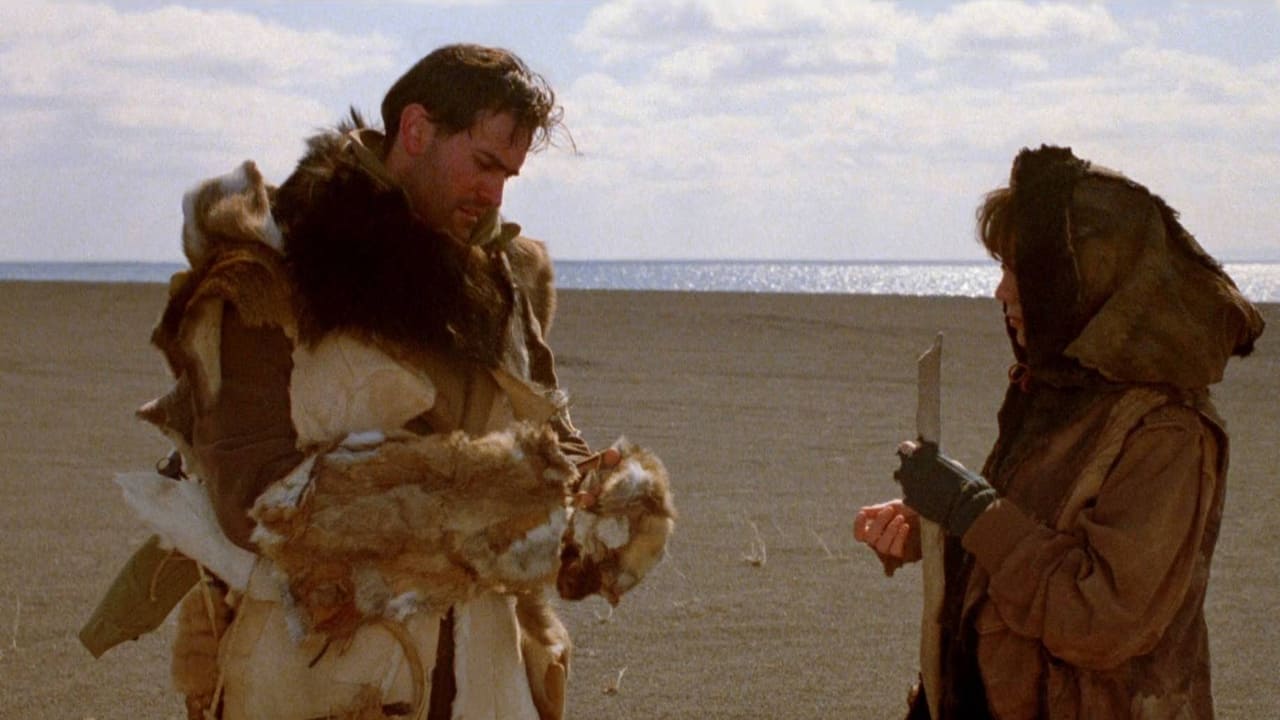
Judy’s harsh awakening is softened, barely, by the appearance of Stover, played by none other than the chin himself, Bruce Campbell. Fresh off his boomstick-wielding heroics in Army of Darkness (released around the same time, though Mindwarp was filmed earlier), Campbell brings his signature charisma, but it’s tinged with the weariness of this broken world. He's not Ash Williams here; Stover is a scavenger, a survivor clinging to sanity. It’s a more grounded performance, showcasing Campbell’s range beyond the slapstick horror he perfected with Sam Raimi.
But the real unsettling presence arrives with the Crawlers, the cannibalistic mutants who rule the surface. Leading them is the Seer, portrayed with chilling, skeletal authority by Angus Scrimm. Known universally as the Tall Man from Don Coscarelli's Phantasm series, Scrimm brings an inherent sense of otherworldly menace. His casting feels almost preordained; who better to embody the twisted prophet of a degenerate future? Funnily enough, this was the very first production from Fangoria Films, the cinematic arm of the legendary horror magazine. Landing Campbell and Scrimm for their debut? That felt like a statement – they understood the genre and its icons.
Embracing the Grime
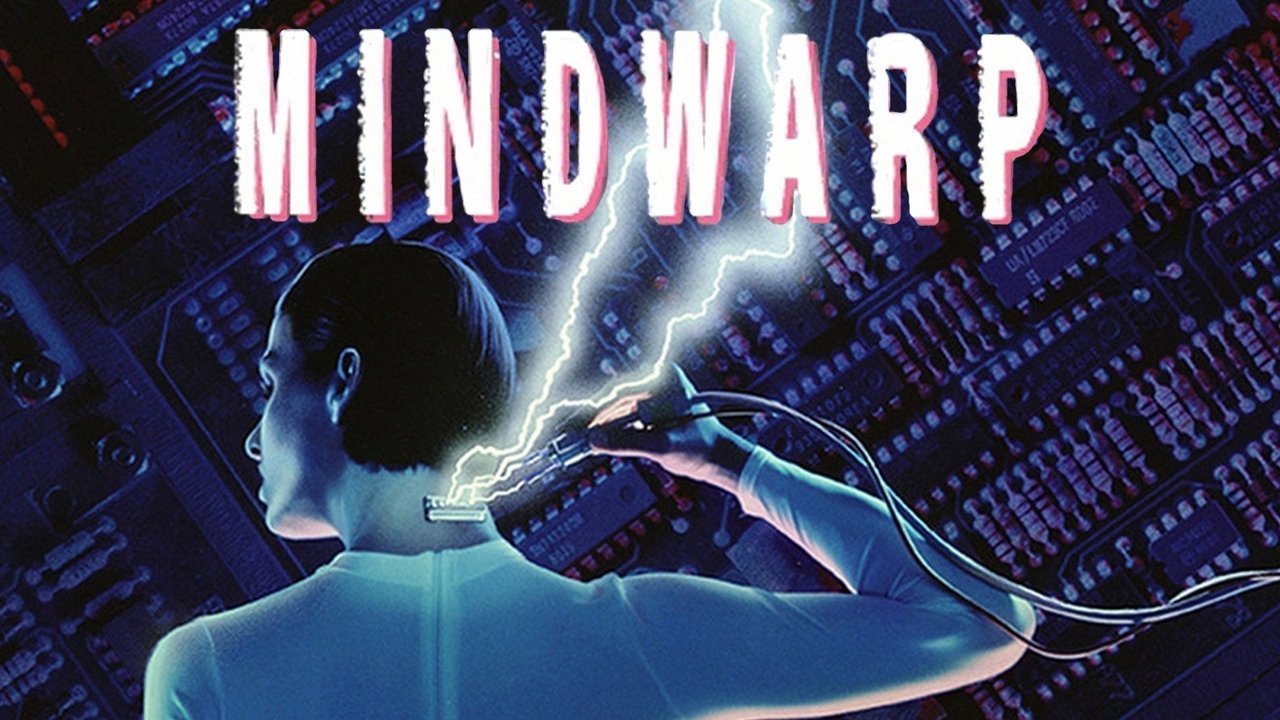
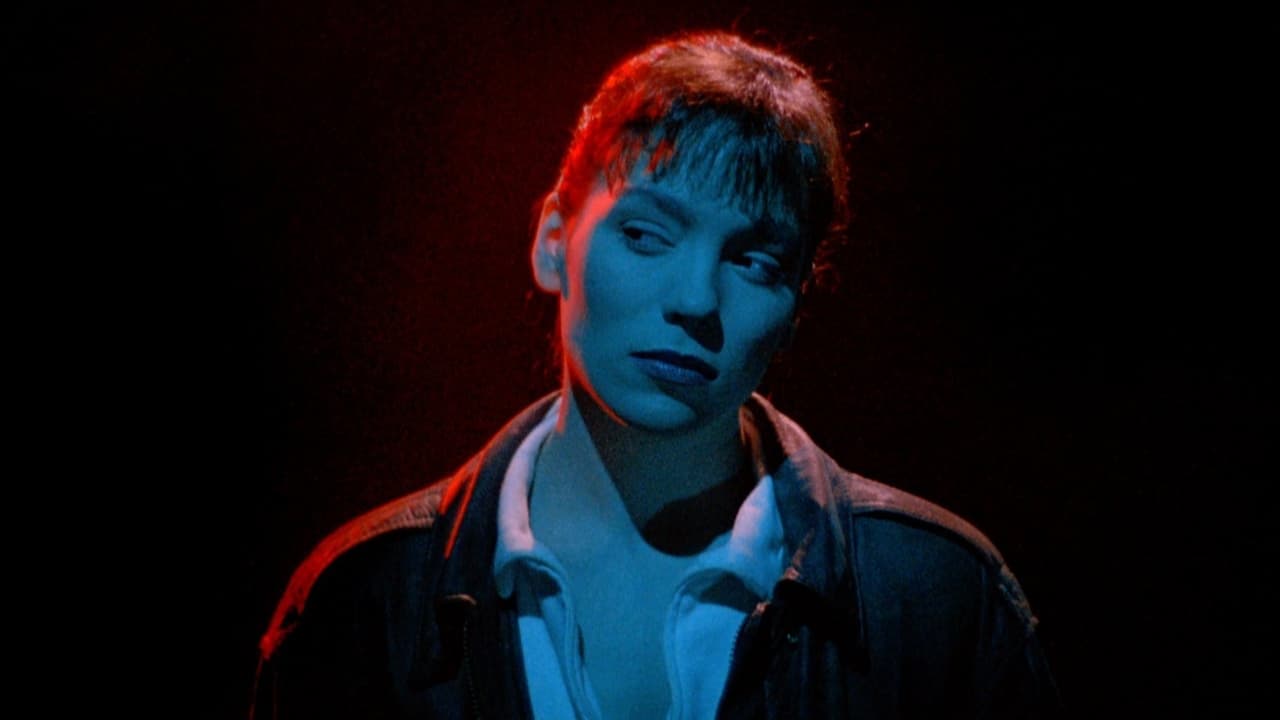
Let’s talk about the look and feel. Mindwarp isn't slick. Filmed on a relatively meager budget (reportedly around $1 million) primarily in the rugged landscapes and abandoned industrial sites of Michigan, the film feels dirty. The Outworld sets are ramshackle and decayed, the mutant designs realized through often grotesque practical effects and makeup that possess a certain visceral quality lost in today's CGI dominance. Does some of it look rubbery now? Sure. But back then, watching on VHS, those glistening, lumpy mutants felt disturbingly physical. The effects team, including contributors who worked on Evil Dead II, clearly reveled in the muck and gore, crafting moments designed to make you squirm rather than jump. The dedication to practical, tactile horror is part of what gives films like this their enduring charm for us VHS hunters. The filmmakers, including director Steve Barnett and writers John Brancato and Michael Ferris (who would later script much bigger sci-fi action flicks like Terminator 3: Rise of the Machines (2003)), lean into the limitations, creating an atmosphere of genuine decay and desperation.
The Bitter Pill
Spoiler Alert! If you haven't seen Mindwarp, you might want to skip this paragraph, because the ending is infamous among those who remember it. The film pulls a rug-pulling twist in its final moments that reframes everything we’ve witnessed. Judy seemingly wakes up back in Inworld, her entire Outworld ordeal revealed as just another simulation… or is it? The final shot suggests her reality might now be permanently, horrifyingly merged with the system's control. It’s a gut-punch ending, deeply cynical and refusing any easy resolution. Did it genuinely shock you back then? For many, it landed with the force of a sledgehammer, a bleak commentary on escapism and control that felt particularly potent in the burgeoning digital age. It wasn't the feel-good sci-fi adventure some might have expected grabbing that Fangoria-branded box off the shelf.
A Cult Relic from the Digital Dawn
Mindwarp never set the world on fire. After a very limited theatrical run, it found its audience, as so many genre films did, on home video. It remains a fascinating, if flawed, piece of early 90s sci-fi horror. It’s ambitious in its themes of virtual reality versus harsh existence, themes that feel even more relevant today. The presence of Campbell and Scrimm elevates it beyond typical B-movie fare, and its commitment to a grimy, practical aesthetic and relentlessly downbeat tone makes it stick in the memory. It's not a comfortable watch, nor is it trying to be. I distinctly remember renting this from a local store, drawn by Campbell's name and the intriguing Fangoria connection, and being left with a lingering sense of unease long after the tape auto-rewound.
Rating: 6/10
Justification: Mindwarp earns points for its iconic genre cast (Campbell, Scrimm), its surprisingly dark and relevant themes, and its commitment to a grimy, practical effects-driven aesthetic that feels authentically early 90s. The Fangoria Films pedigree adds historical interest. However, it's hampered by its visible budget limitations, sometimes uneven pacing, and a plot that, while conceptually strong, occasionally feels underdeveloped. The bleakness, especially the ending, is memorable but can also feel overly nihilistic, bordering on unpleasant. It's a solid, atmospheric slice of VHS-era sci-fi horror, but not quite a lost masterpiece.
Final Thought: It’s a film that reminds you that sometimes, the escape we crave can become its own kind of prison—a chilling message delivered with B-movie grit and gore, perfectly preserved on those magnetic tapes of yesteryear.