The phone rings. A simple question hangs heavy in the silence: "What's your favorite scary movie?" With those chilling words, echoing through countless late-night viewings and sleepovers since 1996, Wes Craven didn't just launch another slasher flick; he detonated a meta-bomb within the genre itself. Scream landed like a knife twist in the ribs of horror complacency, its sharp wit and sharper blade carving out a new space in the pantheon of terror. Watching it again now, that familiar static hum of the VHS tracking perhaps adding an extra layer of unease, its power to unsettle feels remarkably undiminished.
### Welcome to Woodsboro. Don't Answer the Phone.
Forget foggy summer camps or desolate cabins for a moment. Scream brings the horror home, to the seemingly idyllic suburban sprawl of Woodsboro, California. This familiarity is perhaps the film's first masterstroke. The terror isn't lurking in some gothic unknown; it's wearing a cheap dime-store mask, calling you on your cordless phone, and quoting movie trivia before gutting you like a fish. Kevin Williamson's screenplay, famously sparking a bidding war that Miramax ultimately won, crackles with a self-awareness that was revolutionary at the time. Characters didn't just stumble into horror movie clichés; they discussed them, debated the "rules" for survival, even while desperately trying to follow them. Didn't that feel like a breath of fresh, albeit blood-tinged, air back then?
The opening sequence remains a masterclass in tension and shock. Drew Barrymore, initially slated to play the lead role of Sidney Prescott, brilliantly opted for the doomed Casey Becker instead, knowing her star power would make the brutal, abrupt demise hit audiences like a physical blow. And it did. I vividly remember the stunned silence in the theater (and later, the living room during countless rentals) as the bubbly popcorn-making preamble twisted into sheer, agonizing terror. Craven, a master craftsman returning to the genre he helped define with A Nightmare on Elm Street (1984), knew exactly how to orchestrate the dread, stretching moments thin until they snapped.

### The Rules of the Game
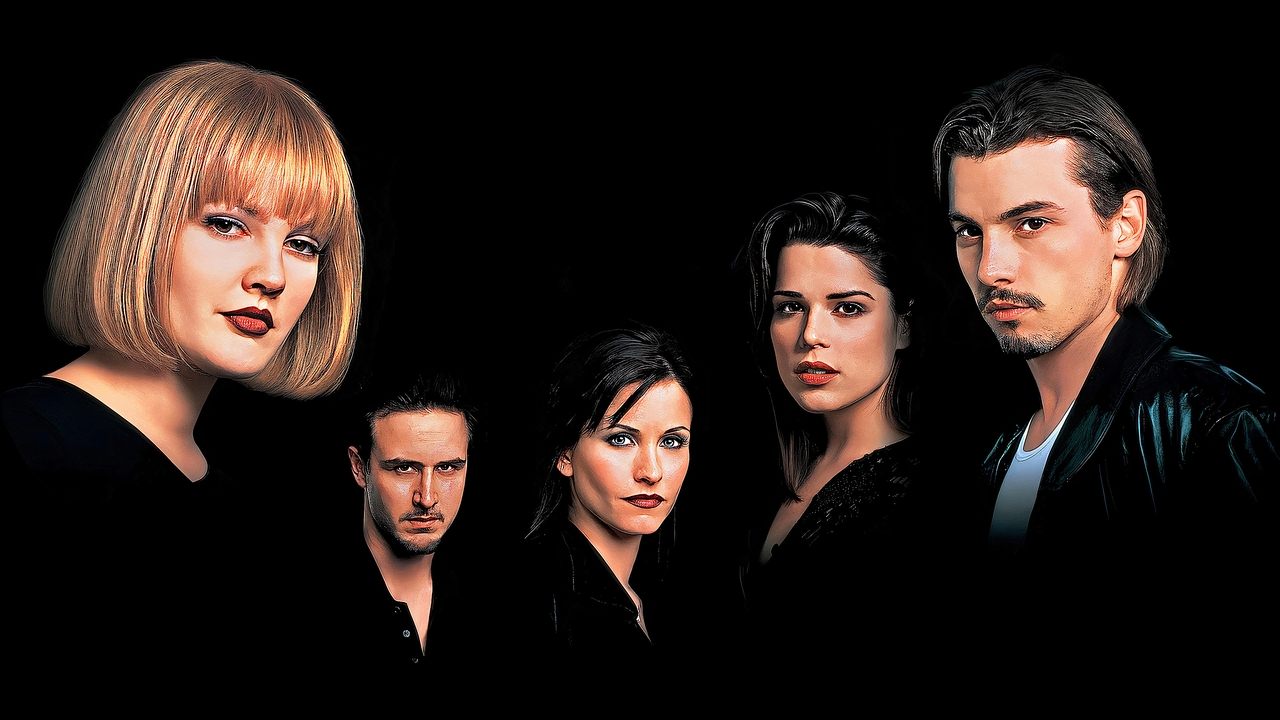
At its heart, Scream is a whodunit wrapped in slasher clothing. The Ghostface killer, whose iconic mask was famously discovered by producer Marianne Maddalena in a random house during location scouting (a slightly modified Fun World "Peanut-Eyed Ghost" design), isn't a supernatural force. It's someone – or someones – within the core group of high school friends, turning suspicion inward and making trust a fatal liability. Neve Campbell anchors the film as Sidney Prescott, a final girl forged in trauma but possessing a steely resilience that felt distinct from her predecessors. She’s flanked by the ambitious, scene-stealing reporter Gale Weathers, played with relish by Courteney Cox (then deep into Friends fame), and the endearingly awkward Deputy Dewey Riley, brought to life by David Arquette, whose off-screen romance with Cox began on this very set.
The supporting cast, including Skeet Ulrich, Matthew Lillard, and Rose McGowan, populates Woodsboro High with characters who feel both archetypal and specific, spitting out Williamson's pop-culture-savvy dialogue. The killer's voice, that distorted, menacing rasp provided by Roger L. Jackson, added another layer of chilling authenticity. Craven cannily kept Jackson separated from the actors during the phone call scenes, ensuring their fearful reactions were often genuine responses to the disembodied voice taunting them in real-time through their earpieces. It's a small production detail that pays dividends in palpable onscreen tension.

### More Than Just Blood and Guts
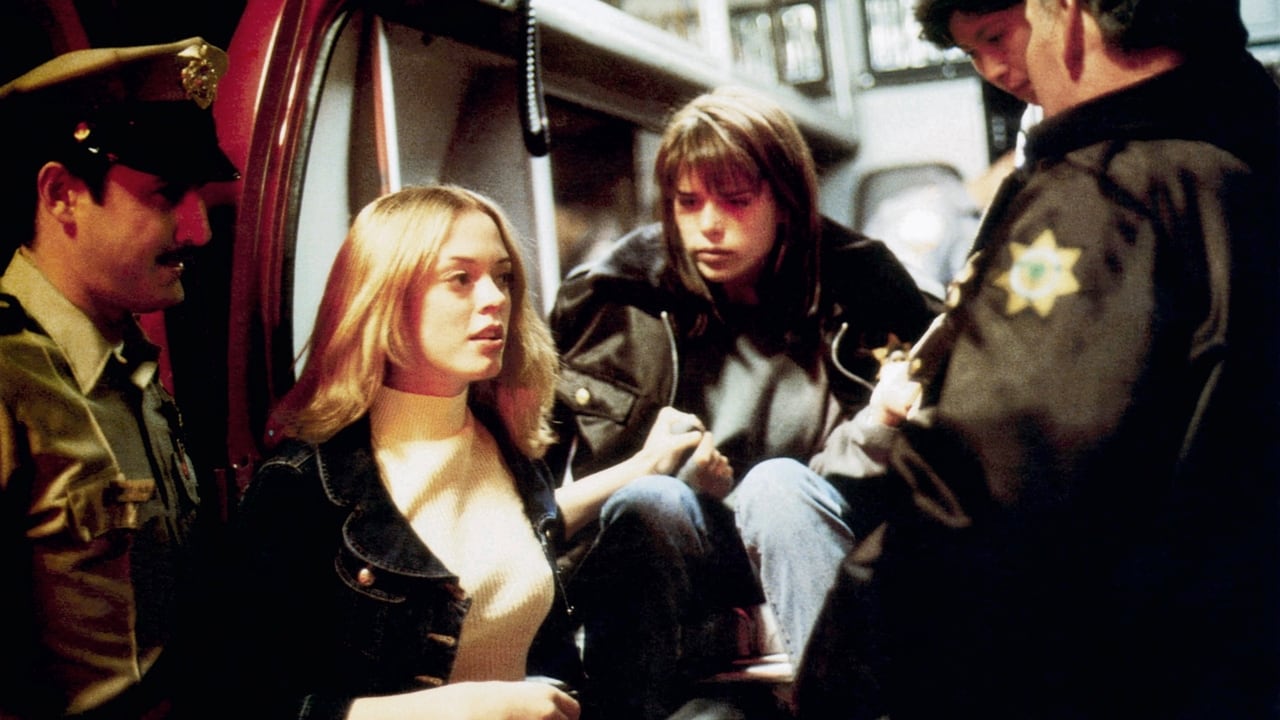
While the kills are certainly graphic – Craven reportedly had significant battles with the MPAA to secure an R-rating without gutting the film's visceral impact – Scream is more than just gore. It's about the way media consumes tragedy, the desensitizing effect of horror movie violence (ironically debated within a violent horror movie), and the secrets lurking beneath pristine suburban surfaces. The film’s sleek look, a departure from the grittier aesthetic of many 80s slashers, feels distinctly 90s, aided by Mark Irwin's cinematography and Marco Beltrami's now-iconic score. It was shot primarily in Santa Rosa and Sonoma County, California, giving Woodsboro that sun-drenched, slightly unreal quality that makes the darkness all the more jarring.
Even the trivia surrounding Scream feels part of its charm. Originally titled Scary Movie (a title later cheekily adopted by the parody franchise it inadvertently inspired), the film was produced for a relatively modest $15 million but became a runaway success, grossing over $173 million worldwide and revitalizing a genre many thought was dead. Its influence was immediate, kicking off a new wave of teen-centric slashers like I Know What You Did Last Summer (1997) and Urban Legend (1998), and spawning a durable franchise of its own, including numerous sequels and a television series that continued to play with horror conventions long after the original hit the shelves of Blockbuster. Craven himself even makes a cameo as a janitor named Fred, sporting a very familiar striped sweater and hat – a fun nod for fans tucked within the carnage.
### The Verdict
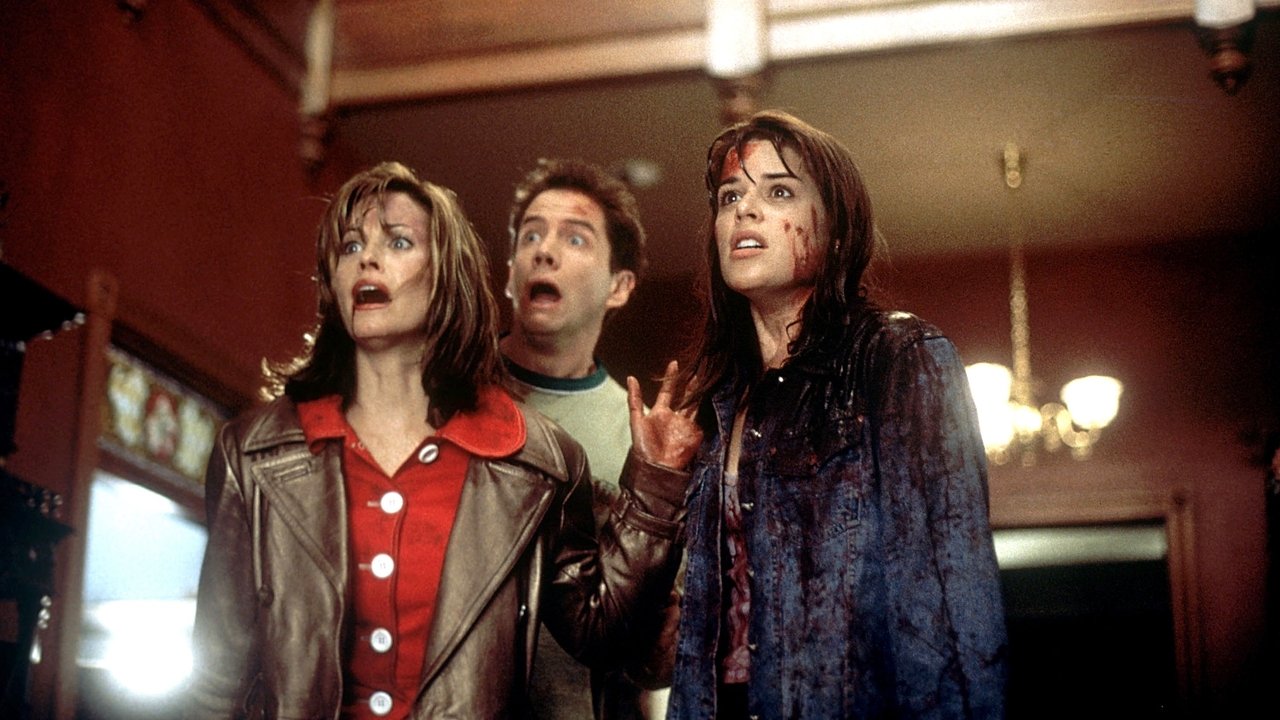
Scream didn't just understand the rules of the horror genre; it rewrote them with a wicked grin and a bloody knife. It managed the near-impossible feat of being genuinely terrifying while simultaneously poking fun at the very tropes it employed. The blend of suspense, sharp dialogue, surprising twists (did that final act genuinely shock you on first viewing?), and memorable characters cemented its place not just as a 90s horror landmark, but as an enduring classic. Even now, removed from the initial hype and the sea of imitators, it holds up remarkably well – a smart, scary, and relentlessly entertaining ride that reminds us why we fell in love with scary movies in the first place. That tape got worn out in my VCR for a reason.
Rating: 9/10
Its impact is undeniable, its execution masterful. While perhaps some elements feel very '90s' now, its intelligence, tension, and game-changing approach to the slasher film ensure Scream remains eternally sharp. It’s a film that demands you know the rules, even as it breaks them all.