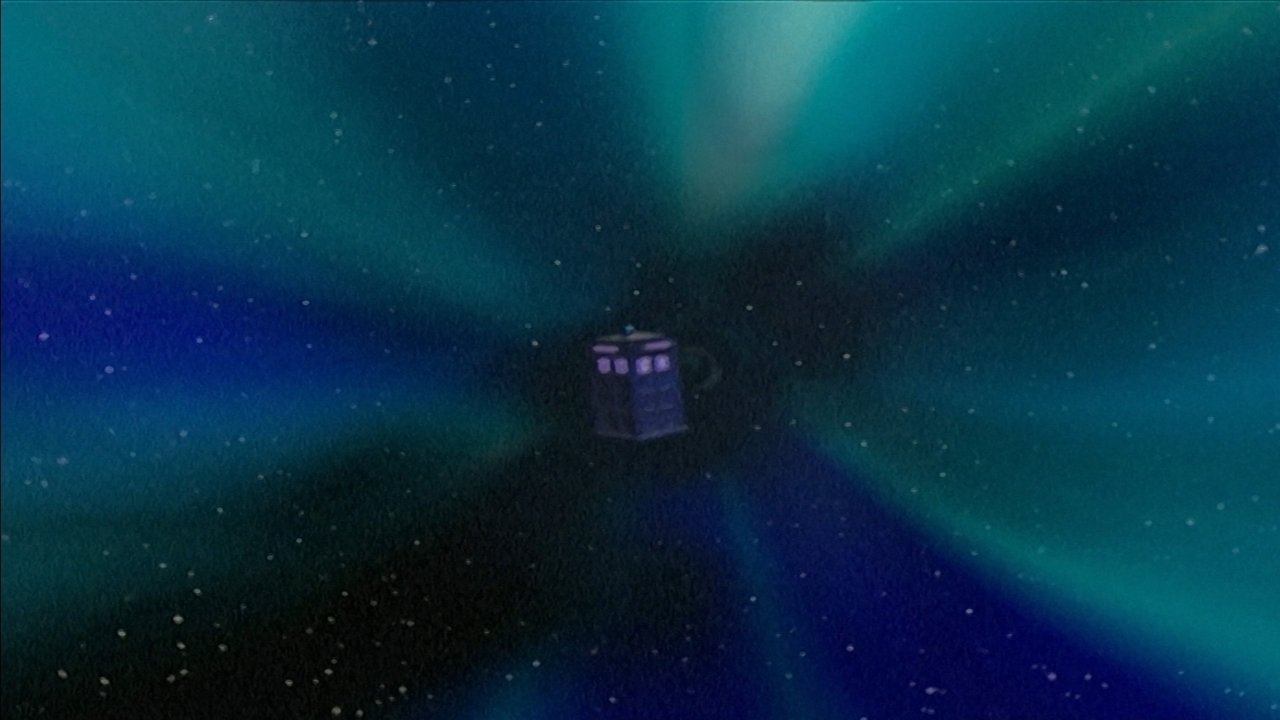
It wasn't just another Friday night flick picked up from the Blockbuster shelves. No, the arrival of the Doctor Who television movie in 1996 felt different, heavier with anticipation. After seven long years off the air (an eternity in TV time!), the TARDIS was finally materializing back onto our screens, promising a continuation, a regeneration, maybe even a brand new beginning. For fans who’d grown up with the Doctor's adventures echoing from grainy CRT TVs, this wasn't just a movie; it felt like a potential lifeline for a beloved universe. The air crackled with that specific brand of hope and anxiety only a long-awaited revival can generate.
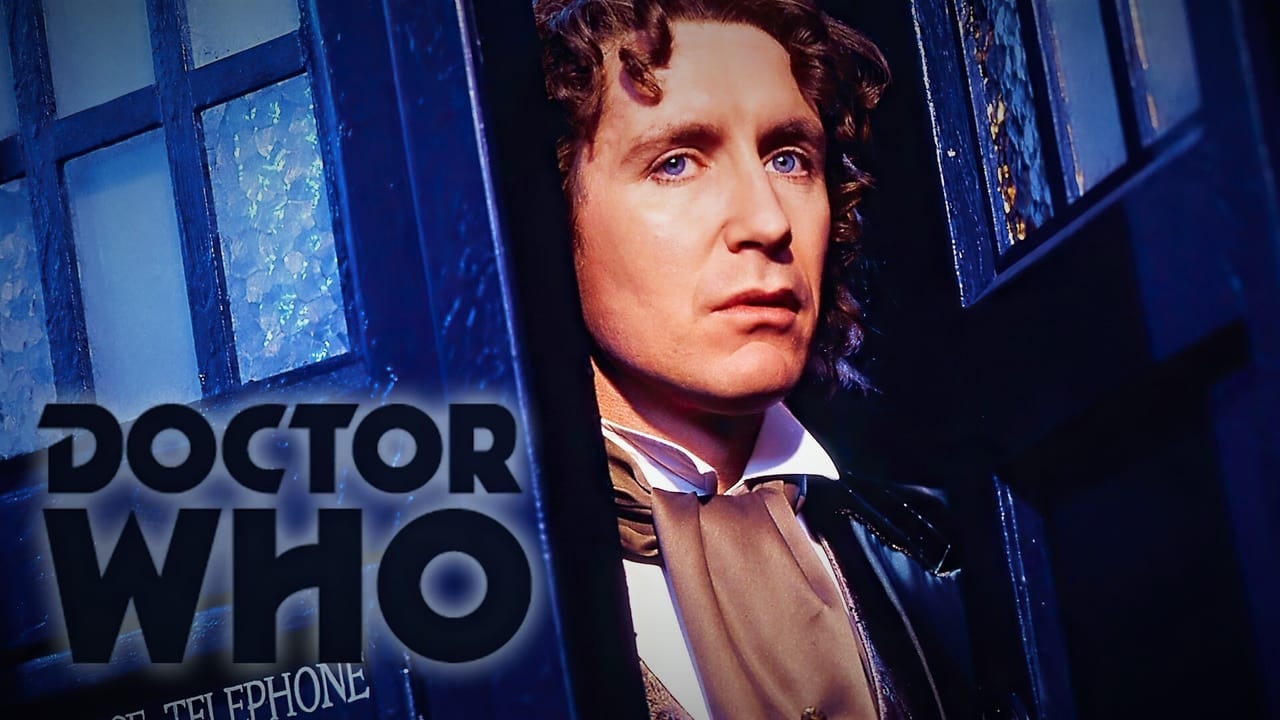
### Regeneration Anew
The film wastes little time, thrusting us straight into the action. We get a brief, poignant farewell to Sylvester McCoy's Seventh Doctor, gunned down in San Francisco's Chinatown amid gang warfare – a rather jarringly mundane end for a Time Lord. But his regeneration, initially botched by well-meaning but clueless hospital surgeons, gives way to the arrival of Paul McGann as the Eighth Doctor. And what an arrival! McGann bursts forth with a captivating, Byronic energy – youthful, romantic, and initially suffering from amnesia, piecing together his identity with wide-eyed wonder. His performance remains a highlight; instantly charismatic and embodying a Doctor brimming with life and a touch of melancholy, he felt both familiar and refreshingly different. Many fans, myself included, were immediately won over, lamenting that this would be his only televised outing.
### San Francisco Showdown
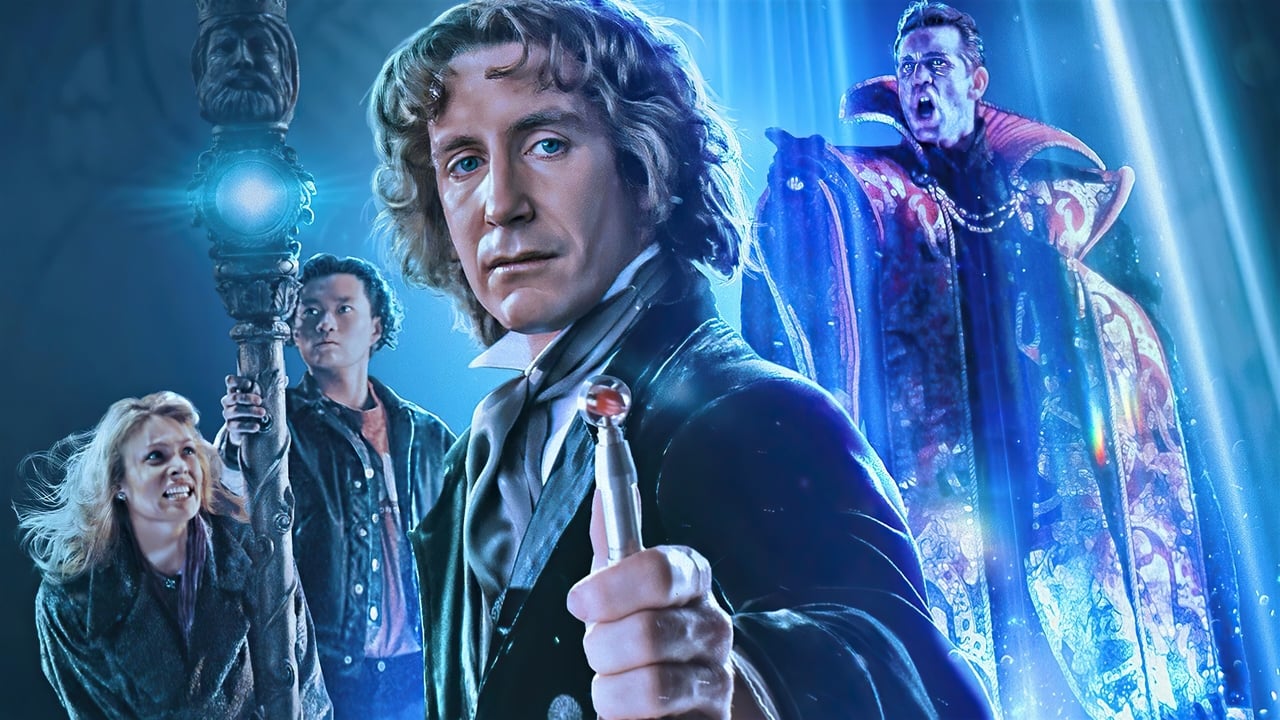
Helmed by director Geoffrey Sax and penned by Matthew Jacobs (whose father, Anthony Jacobs, ironically appeared in the classic series!), the story sees the newly regenerated Doctor racing against time – quite literally. His old nemesis, the Master, has escaped execution and exists as a strange, spectral snake-like entity, seeking a new body. He finds one in paramedic Bruce (Eric Roberts), setting the stage for a campy yet menacing showdown as the Master attempts to steal the Doctor’s remaining regenerations and destroy the Earth by tampering with the TARDIS’s Eye of Harmony. Caught in the middle is cardiologist Dr. Grace Holloway (Daphne Ashbrook), who becomes the Doctor's reluctant companion. The dynamic between McGann and Ashbrook has a spark, offering a more modern, emotionally open relationship than seen in much of the classic series – though the kiss they shared proved famously divisive amongst longtime fans, breaking an unwritten rule.
Retro Fun Fact: The path to this TV movie was long and fraught. Numerous attempts to revive Doctor Who had fizzled out during the "wilderness years." This joint production between the BBC, Universal Television, and Fox Network was budgeted at around $5 million (a hefty sum compared to the classic series, roughly split between the US and UK partners), aiming for a pilot that could launch a full American-led series.
### A Transatlantic Experiment
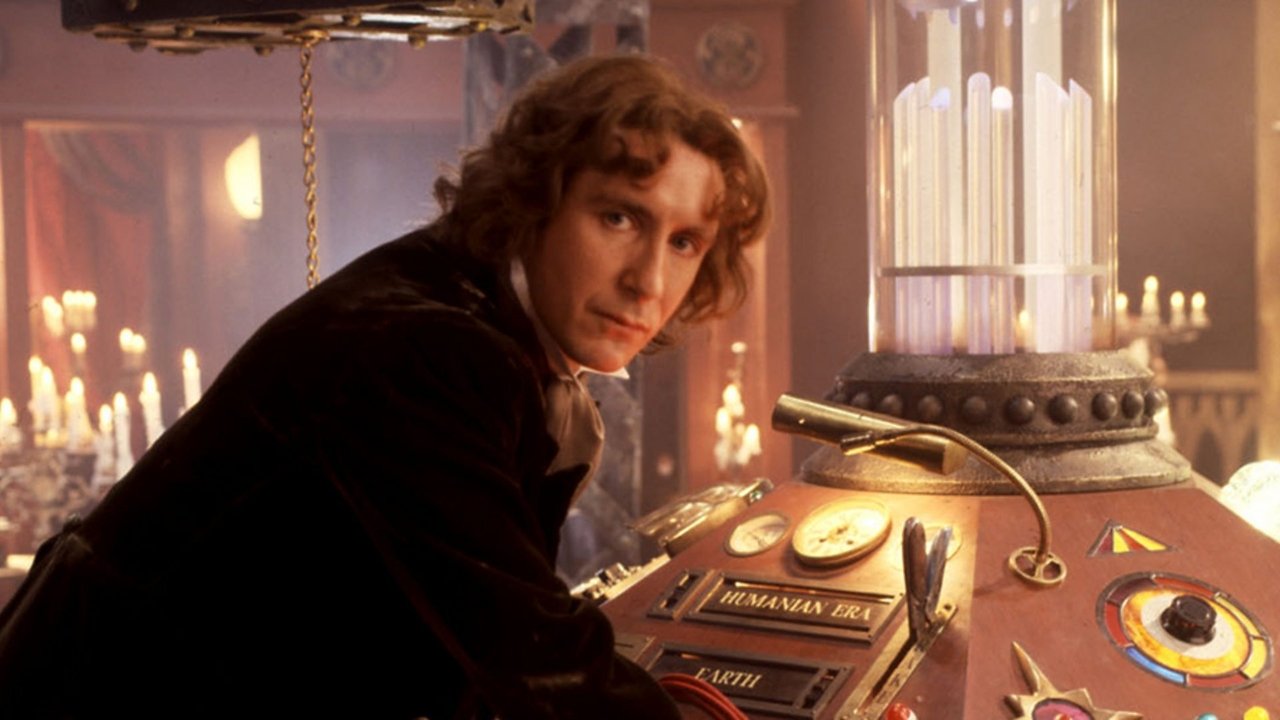
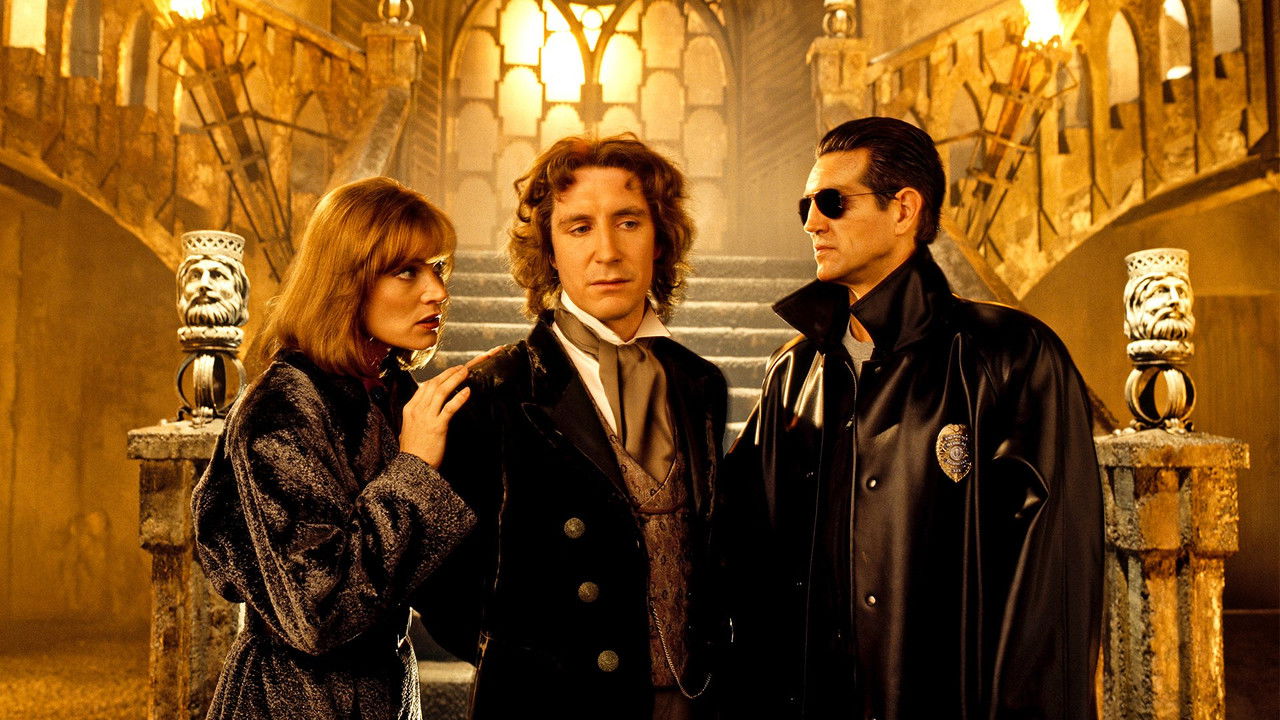
The American setting and co-production undeniably influenced the film's tone. San Francisco provides a glossy backdrop, and Eric Roberts chews the scenery with glorious abandon as the Master. Decked out in sunglasses (even indoors!) and leather, his performance is… memorable. Let's call it theatrical. It's a far cry from the chilling subtlety of Roger Delgado or Anthony Ainley, leaning hard into action-movie villainy. While some find it wildly entertaining, others felt it clashed with the established character. This blend of British sci-fi eccentricity and American blockbuster sensibilities doesn't always mesh perfectly, leading to some tonal unevenness. Yet, there's an undeniable ambition here. The production values were a significant step up; the redesigned TARDIS interior, a vast, gothic, almost steampunk cathedral of clocks and brass, was particularly stunning, even if controversial for its departure from the classic console rooms. The visual effects, a mix of practical work and the era's burgeoning CGI, hold up reasonably well, contributing to the intended cinematic feel.
More Retro Fun Facts: The initial UK broadcast on BBC One drew an impressive audience of over 9 million viewers, signaling strong domestic interest. However, its performance on Fox in the US was unfortunately lackluster (around 5.6 million viewers), effectively dashing hopes for the intended ongoing series. Despite the San Francisco setting, much of the filming actually took place in Vancouver, Canada – a common practice for budget-conscious productions then and now. Also, Matthew Jacobs intentionally included nods for longtime fans, like the Doctor’s love for jelly babies and referencing past companions, trying to bridge the old and new.
### Legacy in the Wilderness
Despite its failure to launch a new series, the Doctor Who TV movie occupies a crucial, if slightly awkward, place in the franchise's history. For nearly a decade, it was the only new televised Who adventure, keeping the flame flickering during the long wait for the eventual 2005 revival. It introduced Paul McGann, an actor widely regarded as a brilliant Doctor who deserved more screen time. Thankfully, his Doctor found a vibrant second life in countless audio dramas produced by Big Finish, fleshing out his adventures far beyond this single 90-minute story. The movie itself remains a fascinating artefact – a bold, if flawed, attempt to bridge the classic era and a potential future, blending British charm with Hollywood scale. It has its awkward moments, certainly, and the plot occasionally strains credulity (even for Doctor Who), but McGann’s performance and the sheer thrill of seeing the TARDIS back on screen gave it a special energy back in '96. Watching it again on a well-worn tape (or perhaps a slightly less worn DVD) brings back that unique mix of excitement and uncertainty.
Rating: 6/10
Justification: While Paul McGann is fantastic and the production values were a welcome upgrade, the sometimes jarring blend of US/UK sensibilities, Eric Roberts's over-the-top Master, and a slightly convoluted plot hold it back. It’s a crucial piece of Who history and has undeniable nostalgic charm, but ultimately feels like a tantalizing glimpse of a series that never was, rather than a fully satisfying standalone adventure.
Final Thought: A noble, ambitious failure perhaps, but one that gave us a wonderful Doctor and kept the blue box spinning, however briefly, through the long night before the dawn of a new era.