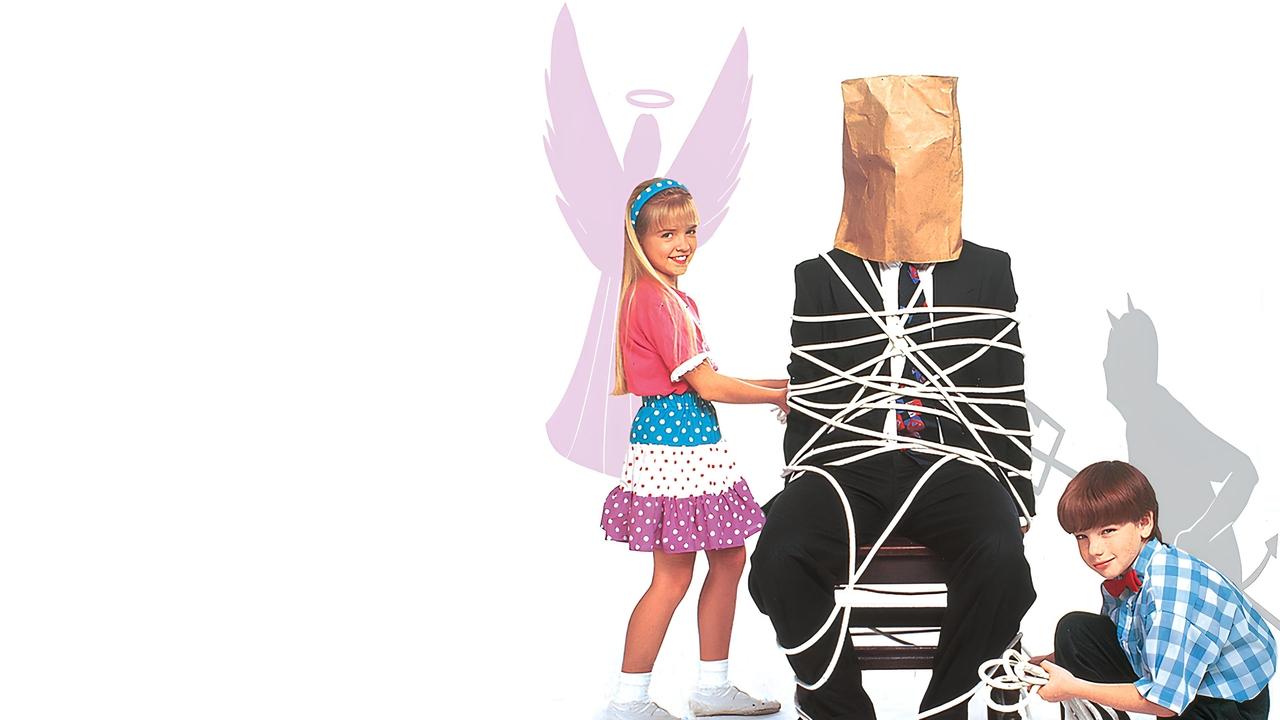
Alright, fellow tape trackers, gather ‘round. Let’s talk about that moment, browsing the aisles of Blockbuster or maybe your local mom-and-pop video haven, when your eyes landed on a familiar, mischievous face… but something felt… off. You saw the title: Problem Child 3: Junior in Love. Wait, three? And who were these guys on the cover? It wasn’t quite the anarchic energy promised by the first two rentals that probably worried your parents. This, my friends, was the 1995 made-for-TV installment, a different kind of beast lurking in a familiar cardboard sleeve.
### The Elephant (or Healy) in the Room
Let's get the big one out of the way immediately. No, that’s not John Ritter looking exasperated, and no, that’s not Michael Oliver gleefully plotting chaos. For this third outing, the endlessly patient Ben Healy is played by William Katt – yes, Ralph Hinkley himself from The Greatest American Hero (1981-1983)! And the titular terror, Junior, is portrayed by newcomer Justin Chapman. It’s a jarring shift, like finding out your favorite punk band suddenly replaced their lead singer with a folk artist. Katt brings a certain earnestness, but he lacks Ritter’s unique gift for frantic, rubber-faced panic that made the original pairing so electric. Chapman, meanwhile, faces the impossible task of replicating Oliver’s iconic blend of demonic glee and faux innocence. The chemistry just isn't the same, and that's the first hurdle this sequel stumbles over.
### Junior Gets… Sentimental?
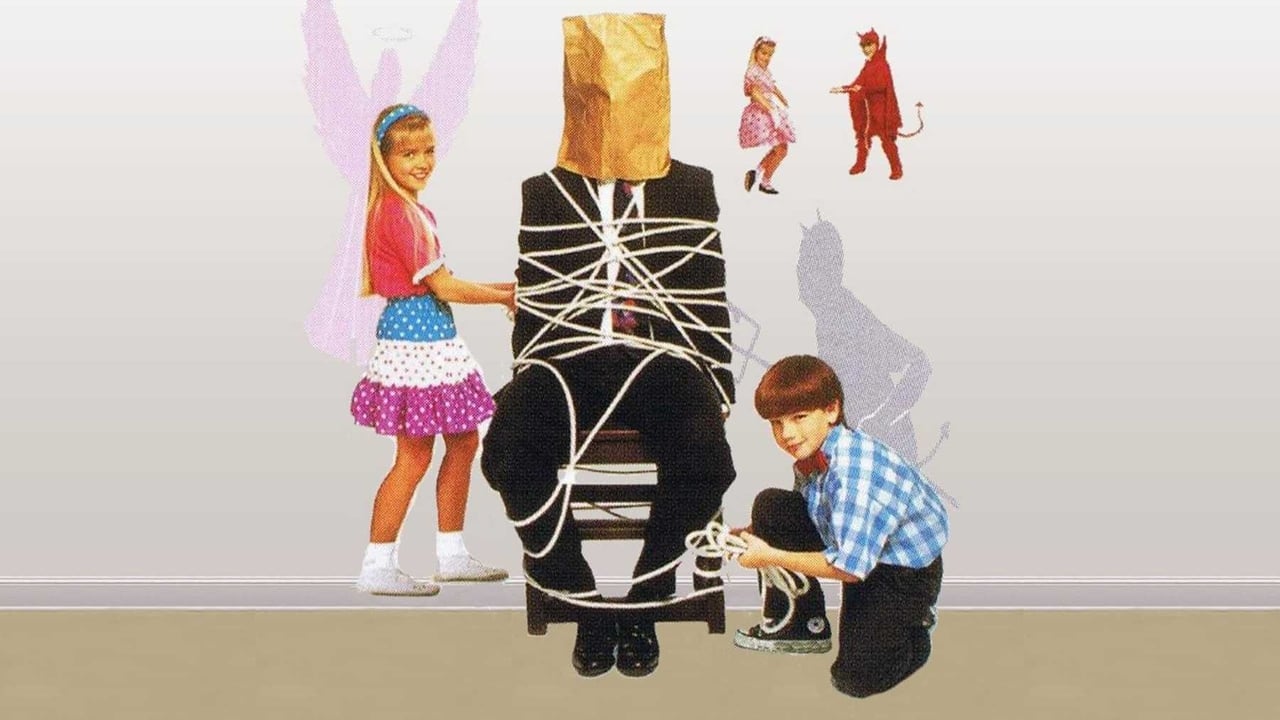
The plot ditches the pure, unadulterated mayhem of the originals for something decidedly more… standard 90s family fare. Junior develops a crush on a classmate, Tiffany (Jennifer Ogletree), leading him into conflict with three rival boys and, more significantly, Tiffany’s overbearing father, the brilliantly named Sgt. Phlim (played with delightful scenery-chewing gusto by Sherman Howard, forever etched in horror fans’ minds as Bub in George A. Romero’s Day of the Dead (1985)). There’s also a subplot involving Ben dating a suspiciously aggressive dentist, played by Carolyn Lowery, who naturally clashes with Junior.
While there are attempts at the signature Problem Child destructive humor – think go-kart races escalating wildly, inventive pranks, and confrontations with bullies – it all feels noticeably softer around the edges. The script, co-penned by Michael Hitchcock (later of Glee and Christopher Guest film fame) alongside original Problem Child scribes Scott Alexander and Larry Karaszewski (who, astonishingly, would go on to write acclaimed biopics like Ed Wood (1994) and Man on the Moon (1999)), feels caught between trying to recapture the old magic and fulfilling the safer requirements of a network TV movie. It’s a strange pedigree for such a watered-down entry, making you wonder what conversations happened behind the scenes. Did the network demand a tamer Junior?
### That Distinctive 90s TV Movie Sheen
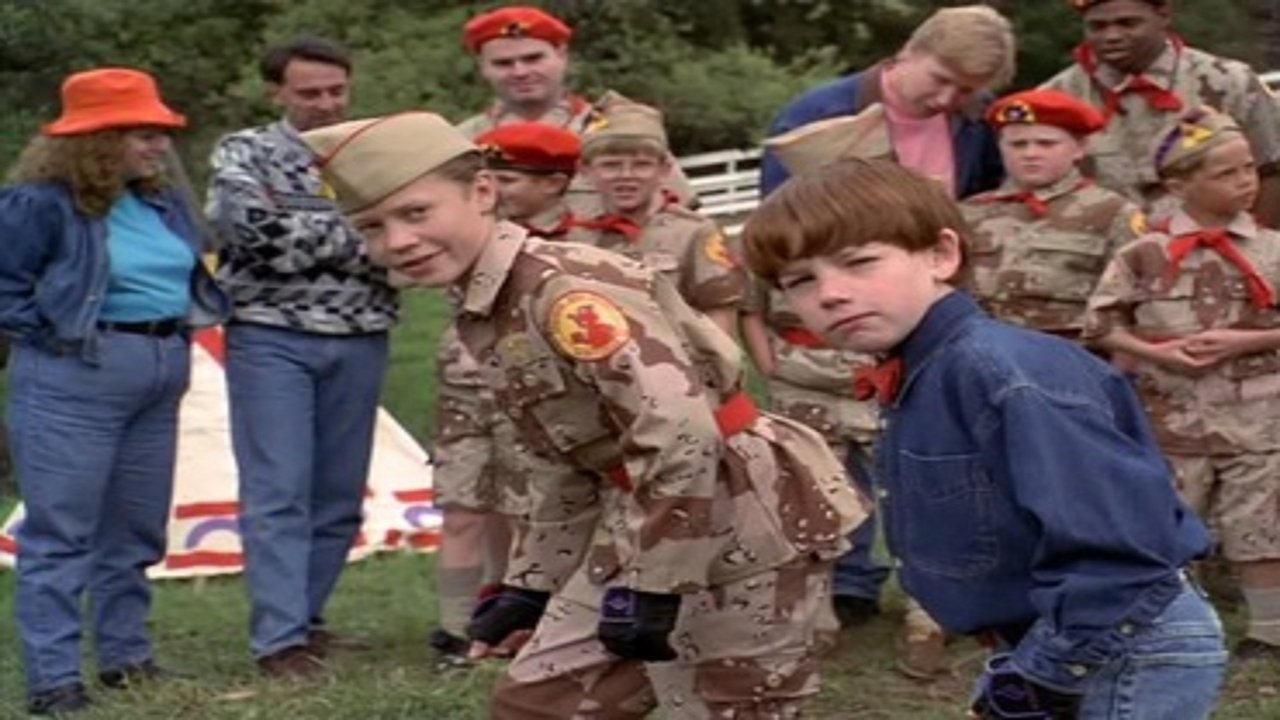
Directed by Greg Beeman, a prolific TV director with credits ranging from JAG to Smallville, Problem Child 3 absolutely looks and feels like a mid-90s television production. The lighting is brighter, the camera work more conventional, and the budget constraints are palpable compared to its theatrical predecessors. Watching it on VHS back in the day, possibly taped off the air complete with fuzzy tracking lines, cemented this feeling. It lacked the grimy, slightly dangerous edge of the first two films. There are no real practical effects spectacles here; the chaos is more contained, the "stunts" more akin to school play antics than the borderline-insane sequences orchestrated by Dennis Dugan in the first two films. Even the absence of Gilbert Gottfried's screeching Mr. Peabody feels like a missing piece of the chaotic puzzle.
Was this the Problem Child we remembered, the one that caused parental pearl-clutching and playground reenactments? Not really. It felt more like a distant cousin, trying on the familiar clothes but not quite filling them out. The shock value is diluted, replaced by a more predictable rhythm of setup-punchline gags typical of the era's family sitcoms.
### So, Does the Tape Deserve Rewinding?
Look, let's be honest. Compared to the anarchic glee of the original Problem Child (1990) or the genuinely unhinged sequel Problem Child 2 (1991), this third chapter is undeniably a lesser entry. The recasting is a major hurdle, and the shift to a TV movie format inherently tones down the very elements that made the franchise notorious. It trades raw mayhem for something more palatable, more… network-friendly.
However, viewed purely as a piece of 90s direct-to-video/TV movie nostalgia, it has its own peculiar charm. William Katt is inherently likeable, even if he’s not John Ritter. Sherman Howard clearly enjoys playing the over-the-top antagonist. And there’s a certain comfort-food quality to its predictable structure and sanitized shenanigans, especially if you grew up during the era when finding any sequel to a favorite movie felt like uncovering treasure, regardless of the cast changes. It’s less a ‘problem child’ and more a ‘mildly mischievous nephew’.
VHS Heaven Rating: 3/10
Justification: The rating reflects its status as a significant step down from the originals, primarily due to the recasting and the sanitized, made-for-TV feel that neuters the franchise's core appeal. It lacks the dangerous energy and memorable performances of the first two. However, it avoids lower scores due to competent (if uninspired) production for its format, a game performance from Sherman Howard, and its undeniable status as a specific type of 90s artifact that some viewers might find nostalgically amusing for its sheer existence and deviation from the source.
Final Take: Problem Child 3 is less a forgotten gem and more a curious footnote, the kind of tape you’d rent when all the copies of the ‘good ones’ were already checked out. It’s a testament to the weird and wonderful world of 90s TV sequels – a pale imitation, perhaps, but a fascinating relic of a time when even problem children eventually had to clean up their act for prime time.