Some films feel less like watching a story unfold and more like sinking into a warm, familiar armchair, surrounded by the comforting murmur of voices sharing secrets and wisdom earned over lifetimes. Jocelyn Moorhouse's How to Make an American Quilt (1995) is precisely that kind of film – a cinematic patchwork of female experience, stitched together with threads of love, loss, joy, and regret. Watching it again now, decades after pulling that distinctive VHS box off the rental shelf, feels like revisiting old friends, their stories settling comfortably around you like a well-loved blanket.
A Summer of Seeking
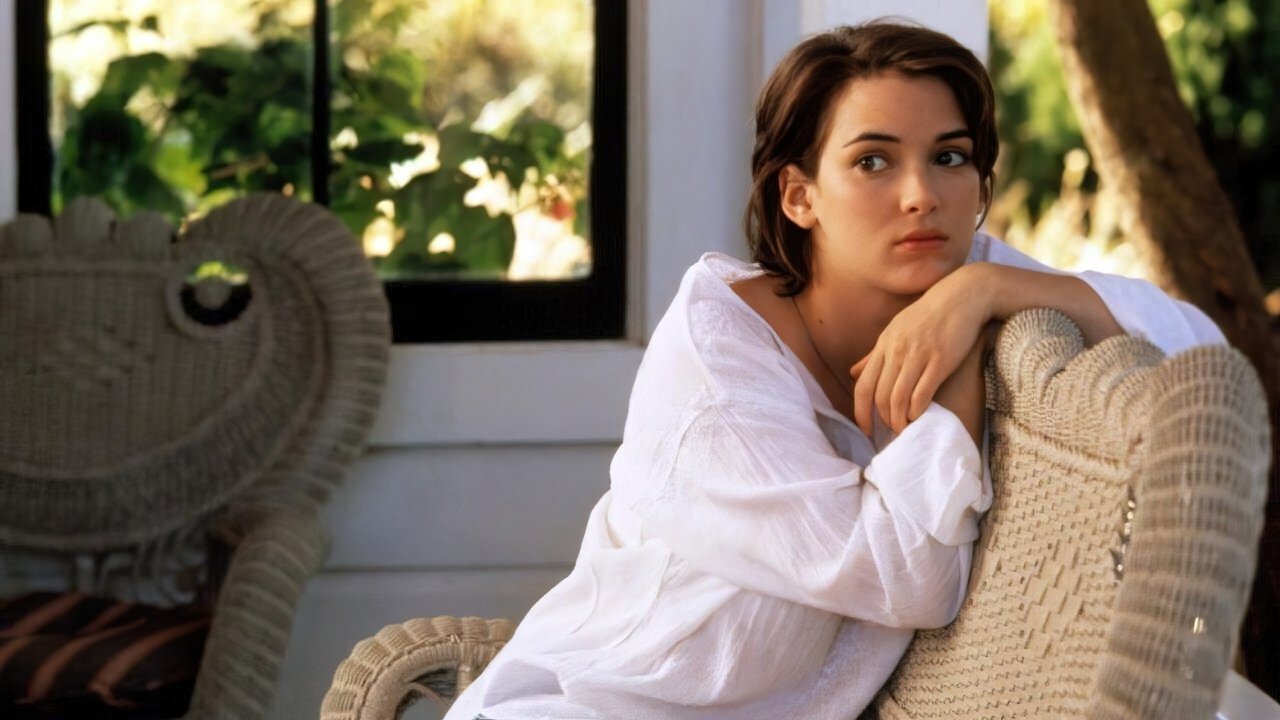
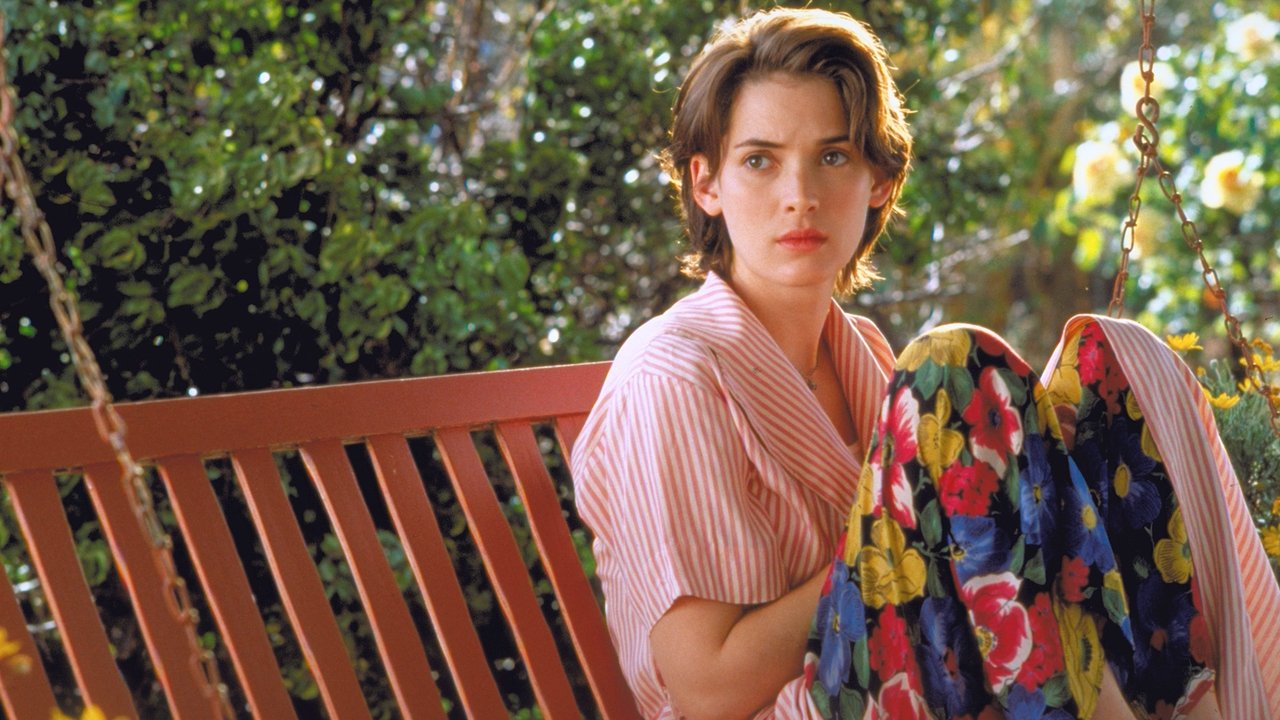
The premise is simple yet resonant. Grad student Finn Dodd, played with a perfect blend of vulnerability and uncertainty by Winona Ryder (already a beloved 90s icon from films like Heathers (1988) and Edward Scissorhands (1990)), finds herself facing a marriage proposal from her dependable boyfriend Sam (Dermot Mulroney). Overwhelmed and questioning the very nature of lifelong commitment, she retreats to the sprawling, sun-dappled California home of her grandmother Hy (Ellen Burstyn) and great-aunt Glady Joe (Anne Bancroft) for the summer. There, amidst the annual gathering of the Grasse Quilting Circle, Finn hopes to finish her thesis and find some clarity. Instead, she finds herself absorbing the intricate, often messy patterns of the lives woven into the quilt they are making for her wedding – a quilt aptly titled "Where Love Resides."
Voices in the Thread
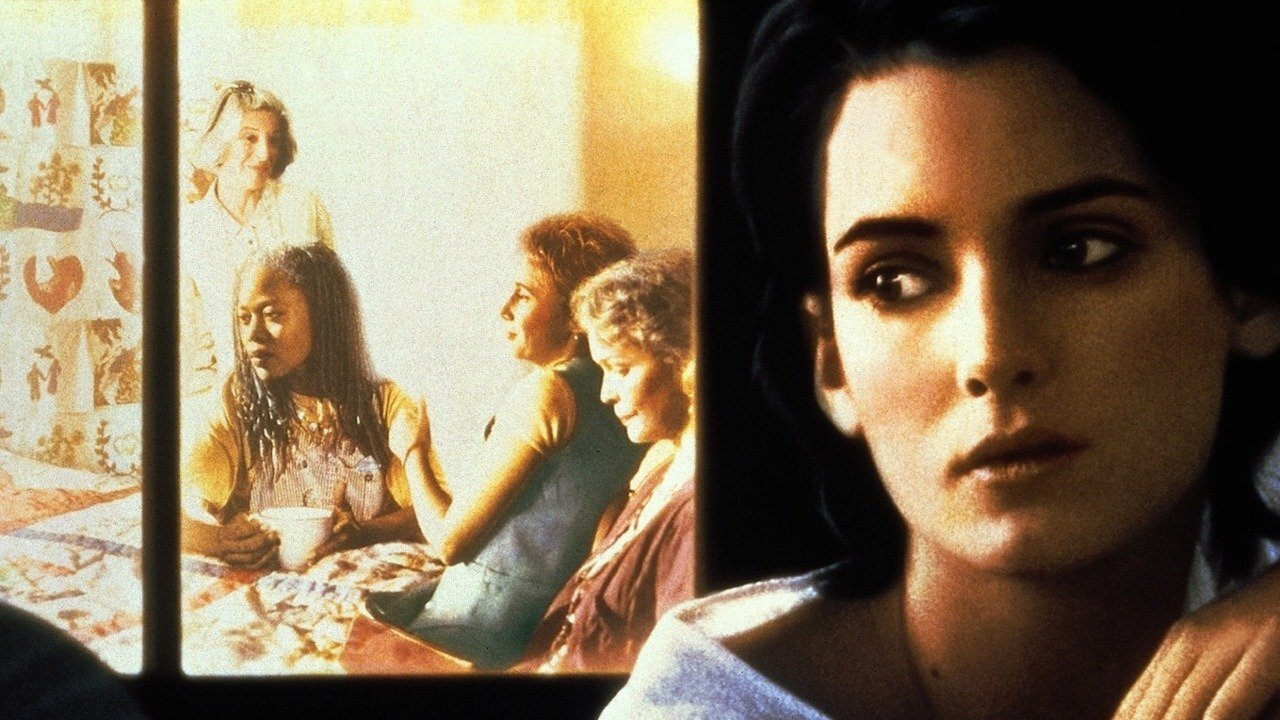
What truly elevates How to Make an American Quilt beyond a simple coming-of-age story is its extraordinary ensemble cast, a gathering of legends who infuse each narrative thread with profound authenticity. Anne Bancroft and Ellen Burstyn, as the bickering but deeply connected sisters, provide the film's grounding humour and wisdom. Their dynamic feels lived-in, effortless. Then there are the other quilters, each revealing chapters of their own love stories through flashbacks: Lois Smith as the stoic Sophia, haunted by a past diving passion; Jean Simmons as Em, still carrying the weight of her husband's infidelities; Kate Nelligan as Constance, finding unexpected solace; and the luminous Alfre Woodard as Marianna, whose story of vibrant love and painful betrayal feels particularly poignant. Even the esteemed poet and author Maya Angelou, in a significant role as Anna, the former maid and now leader of the circle, lends an incredible gravitas. Her presence anchors the film's deeper reflections on memory and legacy. It’s genuinely remarkable that the filmmakers managed to assemble such a powerhouse cast; securing this lineup felt like capturing lightning in a bottle, a testament to the strength of Jane Anderson's adapted screenplay (based on Whitney Otto’s novel).
Each flashback is a miniature film in itself, directed with sensitivity by Moorhouse, who had previously shown her skill with character studies in the brilliant Australian film Proof (1991). She allows each story space to breathe, capturing the distinct atmosphere of different eras without resorting to caricature. The transitions are handled gracefully, often prompted by a shared memory or a piece of fabric, mirroring the way stories naturally surface in conversation. It's said that the main quilt itself, "Where Love Resides," required the work of numerous skilled artisans – a fitting reflection of the collaborative storytelling happening on screen.
More Than Just a "Women's Picture"
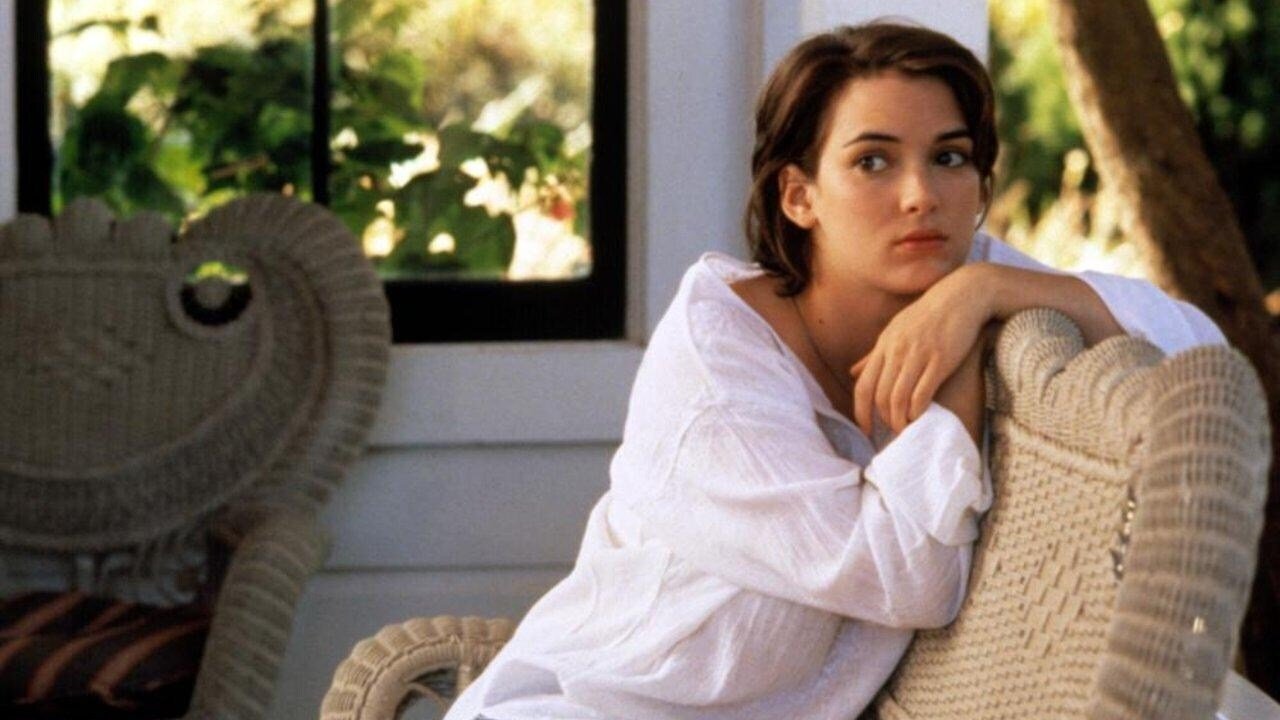
Dismissed by some critics at the time as merely a "women's picture," the film offers something far more universal. It delves into the complexities of partnership, the compromises we make, the secrets we keep, and the enduring strength found in female fellowship. Does finding "the one" guarantee happiness? Can love survive betrayal? Is passion enough? The film doesn't offer easy answers. Instead, like the quilt itself, it presents a mosaic of experiences, suggesting that love isn't a neat, prescribed pattern but something unique and often imperfectly crafted by each individual. Finn's journey isn't about finding a magic formula from these women; it's about realizing that ambiguity and imperfection are part of the human condition, and perhaps part of love itself.
Watching it now, there's a distinct gentleness that feels characteristic of certain mid-90s dramas – a warmth amplified by Thomas Newman's evocative score. It’s a film paced for contemplation, not rapid-fire plot twists. Its modest $10 million budget yielded a respectable $23.5 million at the box office, suggesting it found an audience seeking exactly this kind of thoughtful, character-driven narrative, a quiet counterpoint to the era's bigger blockbusters. It's the kind of movie you'd rent on a quiet Friday night, maybe brew some tea, and just let wash over you. That slightly soft focus, the deliberate unfolding of stories – it feels like a VHS memory brought to life.
The Enduring Pattern
Does every storyline land with equal impact? Perhaps not. Finn's own brief flirtation feels a little underdeveloped compared to the rich histories of the older women. But the cumulative effect is deeply moving. The performances are the main draw – watching Bancroft, Burstyn, Simmons, and the others is like attending a masterclass in screen acting. They don't just recite lines; they inhabit lifetimes. Ryder, as the audience surrogate, beautifully channels the confusion and yearning of youth standing at a crossroads.
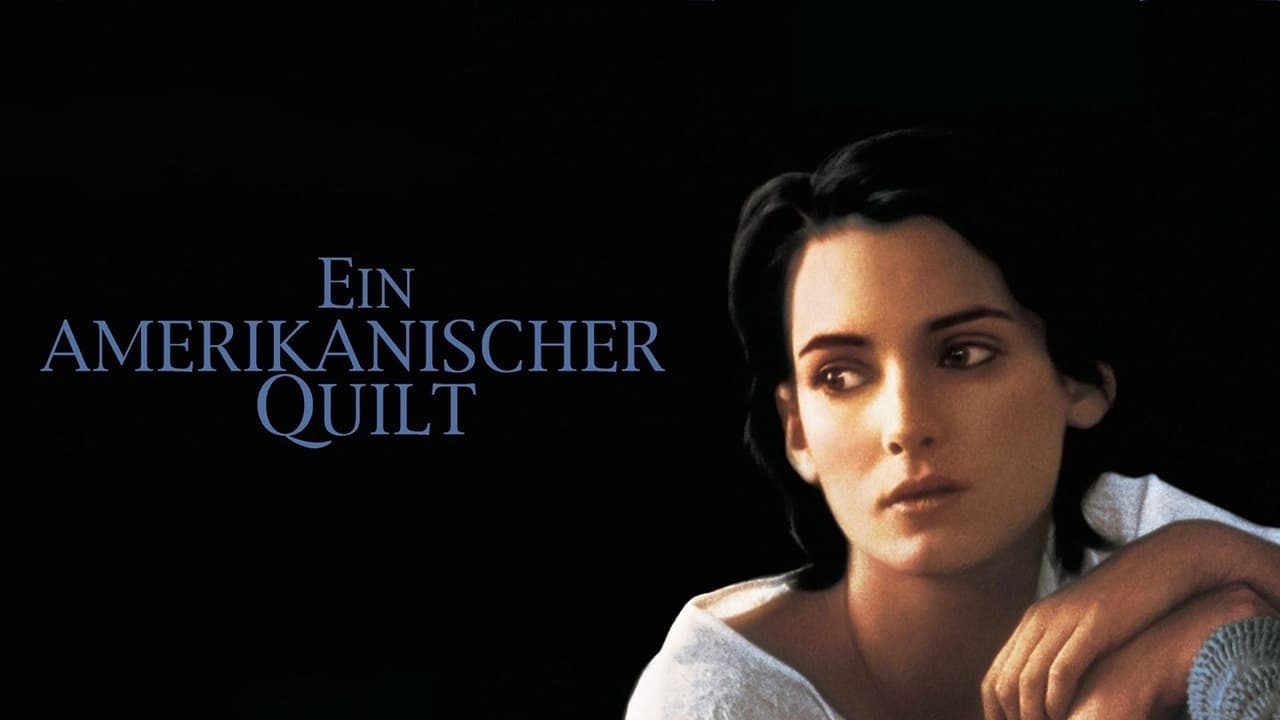
How to Make an American Quilt is a film that offers comfort not through simple solutions, but through shared experience and the understanding that life, like quilting, is made up of disparate pieces – some bright, some dark, some plain, some intricately patterned – sewn together with the enduring thread of human connection.
Rating: 8/10
This score reflects the film's exceptional ensemble cast, its heartfelt exploration of complex themes, and its warm, enduring atmosphere. While the pacing is gentle and some narrative threads are stronger than others, the collective power of the performances and the resonant central metaphor make it a standout piece of 90s character drama, perfectly suited for reflective viewing. It leaves you with a quiet sense of warmth and the gentle wisdom that love, much like a handmade quilt, is rarely perfect, but often beautiful in its imperfections.