Here’s a look back at a mid-90s television film that dared to ask some uncomfortable questions, finding its way onto many a taped-off-cable VHS back in the day.
### The Peril of Perfect Sameness
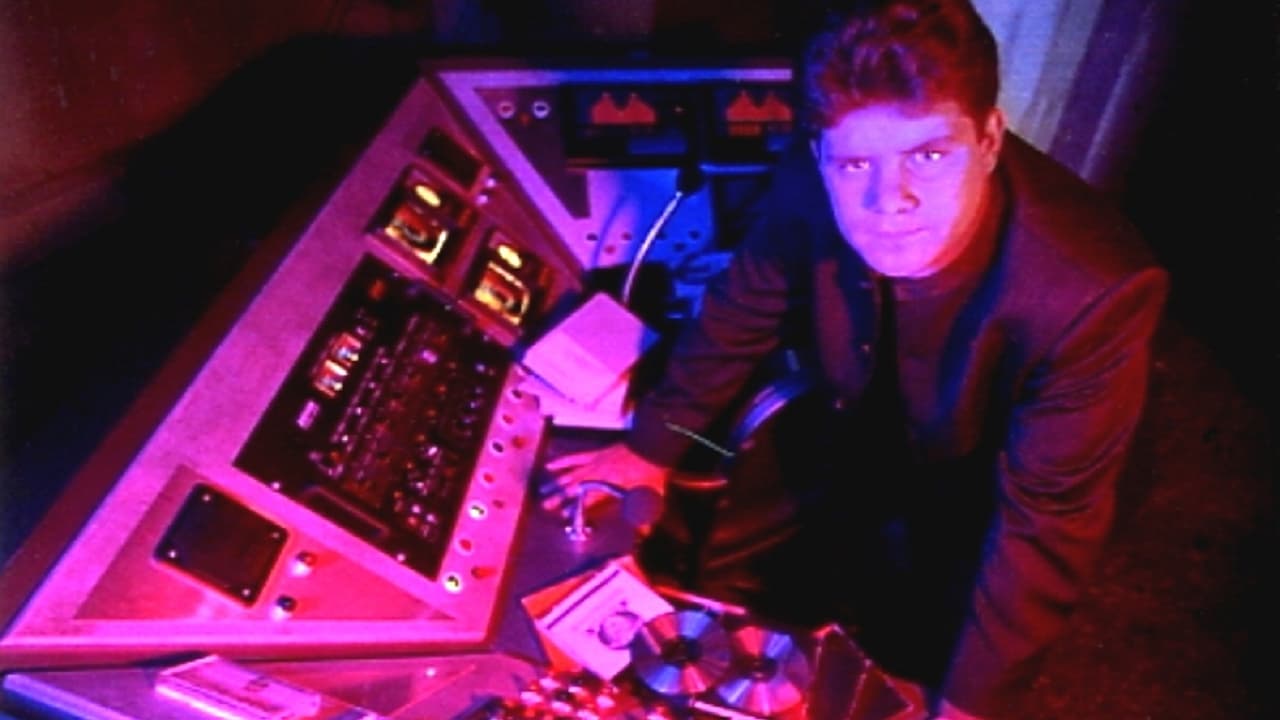
What happens when the pursuit of equality goes too far? When difference itself becomes the enemy? This unsettling question lies at the heart of Harrison Bergeron, the 1995 Showtime adaptation of Kurt Vonnegut's biting short story. It presents a future – 2053, looking decidedly mid-90s – where the US government enforces absolute equality not of opportunity, but of outcome. Intelligence is stifled by painful headset buzzers, beauty masked, strength weighed down. It’s a premise that chills precisely because it twists a noble ideal into a dystopian nightmare, forcing us to confront the value we place on individual excellence, even as we strive for fairness. Seeing this again, decades later, its central conflict feels perhaps even more resonant.
### Expanding Vonnegut's Vision
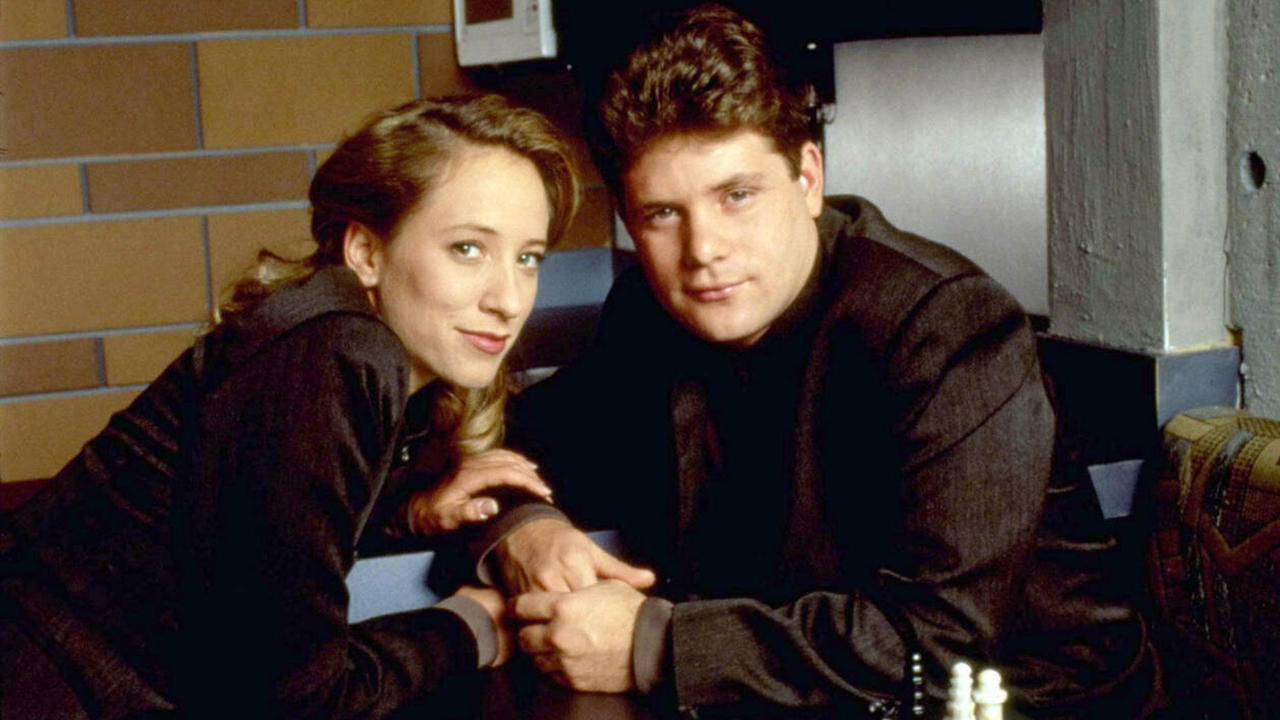
Directed by Bruce Pittman (known for various TV movies and series work) and adapted by Arthur Crimm, this version significantly fleshes out Vonnegut's stark six-page story. Where the original is a potent, concentrated burst of satire, the film builds a more conventional narrative structure around its protagonist. We meet Harrison Bergeron, played by a post-Rudy (1993) Sean Astin, not just as the escaped genius of the story, but as a young man gradually awakening to the crushing conformity of his world. This expansion allows for deeper character exploration but inevitably dilutes some of the original's ferocious punch.
Filmed in Toronto, which often stood in for American cities in productions of this era seeking budget advantages, the film creates its homogenized future with a certain utilitarian aesthetic. The "handicaps" – the clunky headsets, the distracting glasses, the weighted bags – are physical manifestations of the societal ideology. They look precisely like the kind of props a mid-90s TV movie budget could afford, yet their low-tech nature somehow makes the oppression feel more banal, more chillingly bureaucratic, than gleaming futuristic tech might have. It wasn't about sleek control, but cumbersome, enforced mediocrity.
### Astin's Awakening
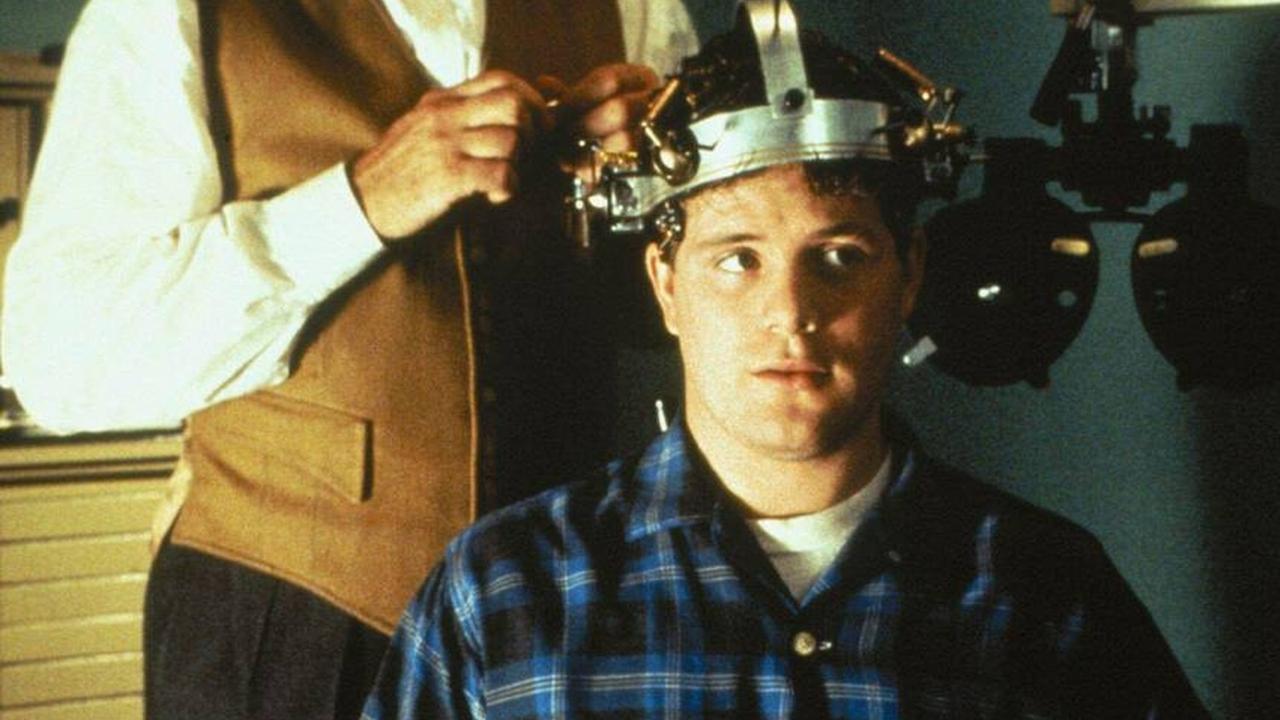
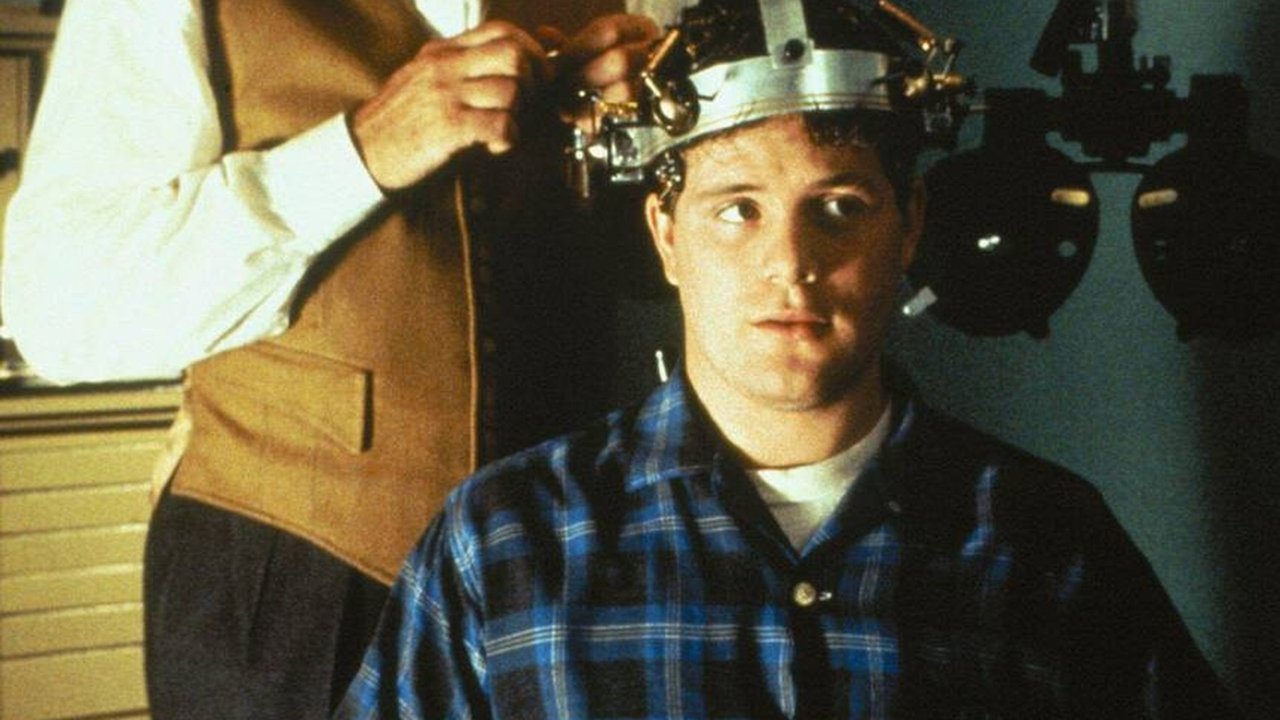
Sean Astin carries the film capably. He embodies Harrison's journey from a vaguely discontented, intellectually average citizen (thanks to his government-mandated inhibitors) to a young man rediscovering his innate brilliance. There's a sincerity to Astin's performance, a core likability that makes Harrison's plight relatable, even as his abilities become extraordinary. We see the flicker of confusion turn into the fire of understanding, and Astin sells that internal transformation well. Does his rebellion feel earned? Mostly, yes, though the script occasionally simplifies the path to enlightenment.
He's joined by Miranda de Pencier as Phillipa, a potential love interest who works within the system but finds herself drawn to Harrison's dangerous ideas. Their relationship adds a human dimension often absent in purely dystopian tales, providing an emotional anchor amidst the ideological struggle. And then there’s Eugene Levy, cast somewhat against type. Known primarily for his iconic comedic roles, seeing him here as President McCloskey, a figure upholding this oppressive system, is intriguing. He brings a weary gravitas, suggesting a man perhaps trapped by the very equality he champions, though the role itself isn't deeply explored. It's a reminder of Levy's range, often glimpsed between his more famous comedic turns like those found later in American Pie (1999) or Best in Show (2000).
### The Weight of Ideas (and Handicaps)
What lingers most about Harrison Bergeron isn't necessarily groundbreaking filmmaking, but the sheer potency of its core concept. The film uses its expanded runtime to explore the how and why of this society more than the short story could. It introduces elements like secret "Head Houses" where the intelligent elite live without handicaps, orchestrating the dull contentment of the masses – a slightly more conventional conspiracy twist than Vonnegut offered. This addition, while providing plot mechanics, perhaps muddies the stark purity of the original satire, which suggested the drive towards mediocrity was more deeply ingrained in the societal psyche itself.
One interesting production note often surfaces: the challenge of portraying intelligence being actively suppressed. How do you show someone being forcibly made average? Astin relies on subtle physical cues – winces with the headset buzzes, moments of forced distraction – to convey the mental shackles Harrison wears. It’s a tricky thing to act, and he navigates it effectively. The film also doesn't shy away from the physical discomfort implied by the handicaps, grounding the sci-fi premise in a relatable sense of burden.
Does the adaptation fully capture Vonnegut's sardonic wit? Perhaps not entirely. The translation to a more earnest, character-driven TV movie format inevitably softened some edges. Yet, it stands as a commendable effort to bring a challenging piece of literature to a wider audience, particularly in an era when thoughtful science fiction often found a home on cable television rather than in multiplexes. I remember catching this on TV, likely recorded onto a T-120 VHS tape, and being genuinely provoked by its ideas – a testament to the strength of the underlying story.
### Final Thoughts
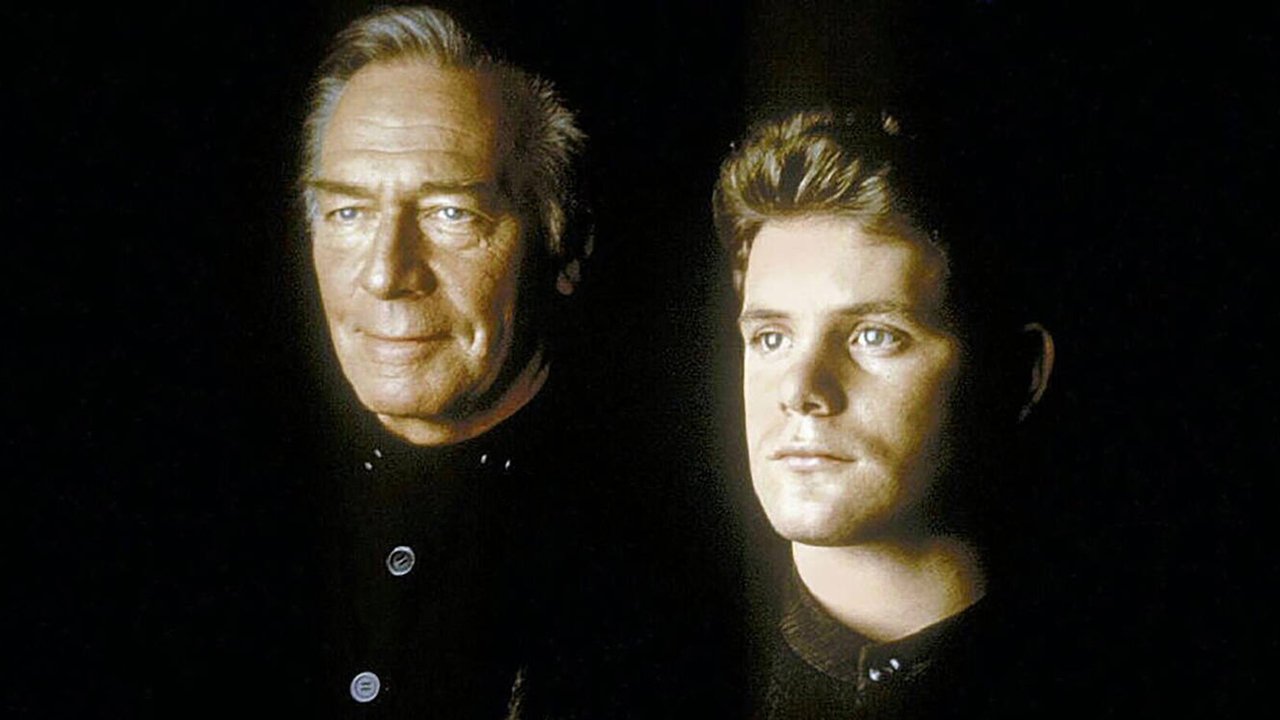
Harrison Bergeron isn't a lost masterpiece of 90s cinema, but it's a valuable and thought-provoking adaptation that deserves to be remembered, especially for fans of speculative fiction that tackles big ideas. It treats its source material with respect while expanding it into a more accessible narrative, anchored by a strong central performance from Sean Astin. The production values are typical of its TV movie origins, but the core message about the potential tyranny of enforced sameness remains powerful and unsettlingly relevant.
Rating: 7/10 - This score reflects a well-acted, intelligent adaptation that successfully translates a potent literary concept to the screen, even if it softens some of the original satire and bears the hallmarks of its TV movie budget. It provokes thought and features a compelling lead performance, making it a worthwhile watch for fans of the era's thoughtful sci-fi.
What price are we willing to pay for equality, and where does the line blur between fairness and the suppression of the human spirit? Harrison Bergeron leaves you pondering that delicate, dangerous balance long after the static fills the screen.