Alright, fellow travelers back to the land of tracking adjustments and late fees, let's pop a tape in the VCR that always felt like a slightly dangerous, unpredictable party guest: 1995's Four Rooms. Forget neatly wrapped narratives; this flick was a chaotic, often brilliant, sometimes baffling anthology experiment dropped right into the middle of the explosive mid-90s indie film scene. Remember the buzz around this one? Four hot directors, one hotel, one very stressed bellhop on New Year's Eve. It felt like grabbing a bootleg compilation tape – you weren't sure what you’d get, but you knew some tracks would hit hard.
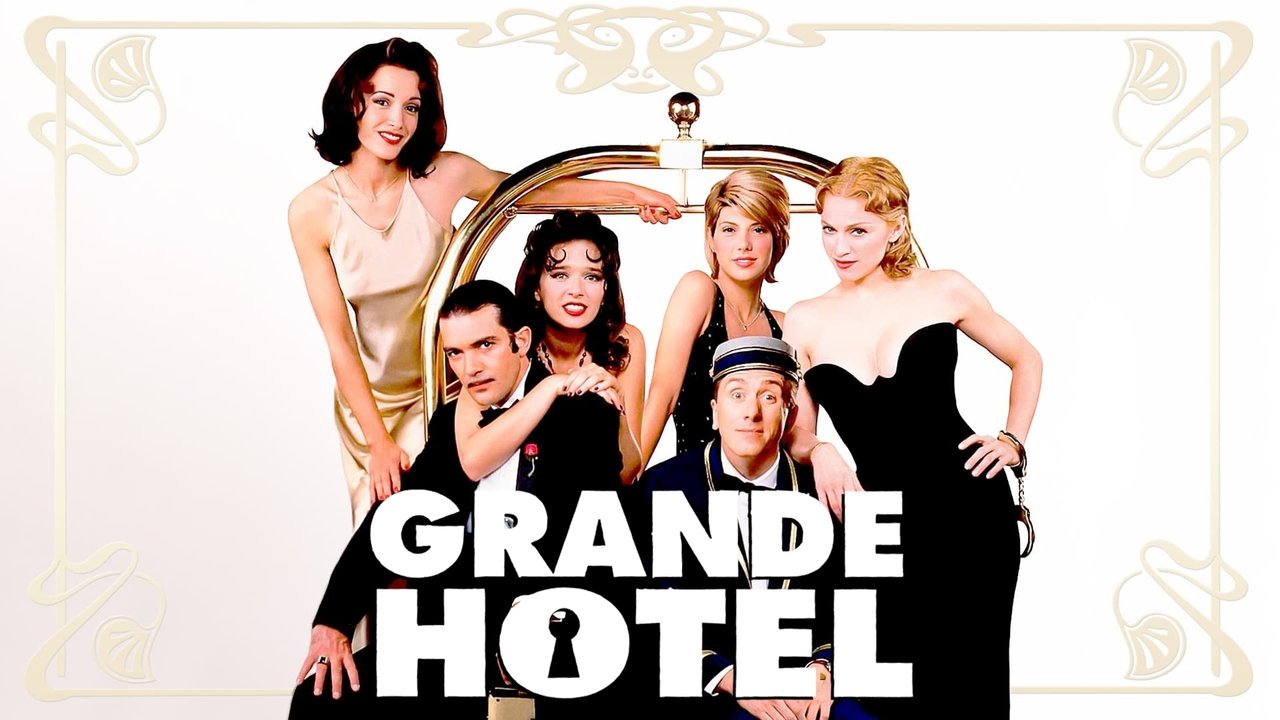
### Checking In with Ted
The entire madcap evening pivots on the twitchy, brilliantly physical performance of Tim Roth as Ted the Bellhop. Thrust into his first night on the job at the decaying Hotel Mon Signor, Ted is our guide through this L.A. purgatory. Roth, fresh off his memorable turn in Quentin Tarantino's Pulp Fiction (1994), is a whirlwind of flustered energy, channeling classic silent comics with his rubber-faced expressions and near-balletic stumbles. It's said Roth specifically studied Chaplin and Keaton for the role, and it shows – his largely reactive performance is the sometimes-shaky glue holding these disparate tales together. He’s less a character and more a catalyst, absorbing the escalating weirdness room by room.
### Room 1: The Honeymoon Suite's Coven
First up is "The Missing Ingredient," directed by Allison Anders (Gas Food Lodging). Ted stumbles upon a coven of witches (including Madonna, Valeria Golino, and Lili Taylor) trying to resurrect their goddess Diana for New Year's. They need... well, let's just say Ted provides an essential component, albeit reluctantly. Anders brings a distinctly feminine, slightly woozy energy to her segment. It feels smoky, strange, and maybe a little undercooked, but the sight of Madonna vamping it up as the head witch was certainly a talking point back when this tape was making the rental rounds. It sets a peculiar tone, promising a night far stranger than Ted anticipated.
### Room 2: A Wrong Number and a Right Hook
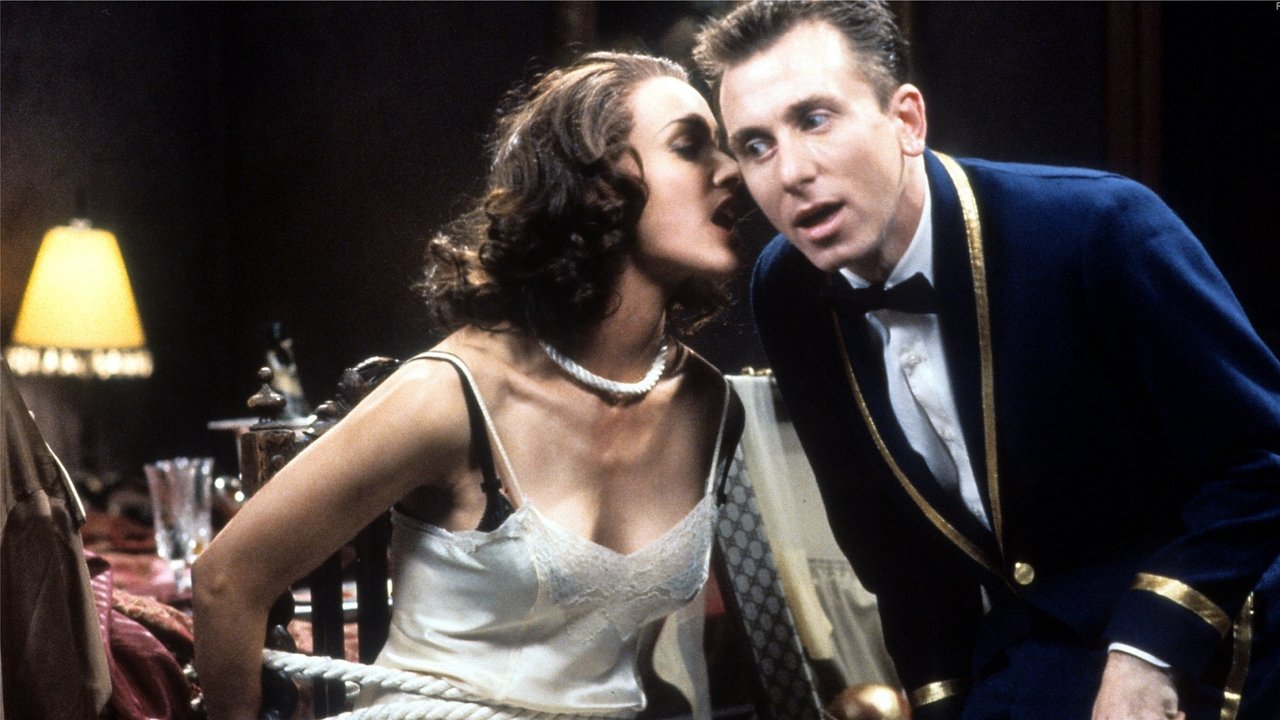
Next, Ted is mistakenly summoned to Room 404 for "The Wrong Man," helmed by Alexandre Rockwell (In the Soup). Here, he walks into a bizarre domestic psychodrama involving a paranoid husband (a tightly wound David Proval), his bound-and-gagged wife Angela (Jennifer Beals, who was actually married to Rockwell at the time – a fun little piece of trivia), and a very pointed gun. This segment dips into darker, more claustrophobic territory. It’s playing with film noir tropes but filtered through a quirky, uncomfortable lens. Beals radiates intensity even while tied up, and the tension feels genuinely awkward, though maybe not quite as funny as intended. It’s a jarring shift, showcasing the anthology format's potential for whiplash.

### Room 3: Pint-Sized Problems, Full-Sized Chaos
Then comes the adrenaline shot: "The Misbehavers," courtesy of the ever-energetic Robert Rodriguez (Desperado, From Dusk Till Dawn). Tasked with watching the two unruly children of a gangster (Antonio Banderas, oozing effortless cool), Ted finds himself presiding over pure anarchy. Champagne corks fly like missiles, a syringe is discovered, and a dead body turns up under the mattress (in classic Rodriguez fashion). This segment feels the most purely fun, capturing that manic energy Rodriguez brought to his early work. Reportedly shot with characteristic speed and efficiency, it’s a blast of physical comedy and escalating disaster that lets Roth really cut loose. Remember how that discovery under the bed felt both shocking and hilarious back then? Pure Rodriguez.
### Room 4: The High Stakes Finale
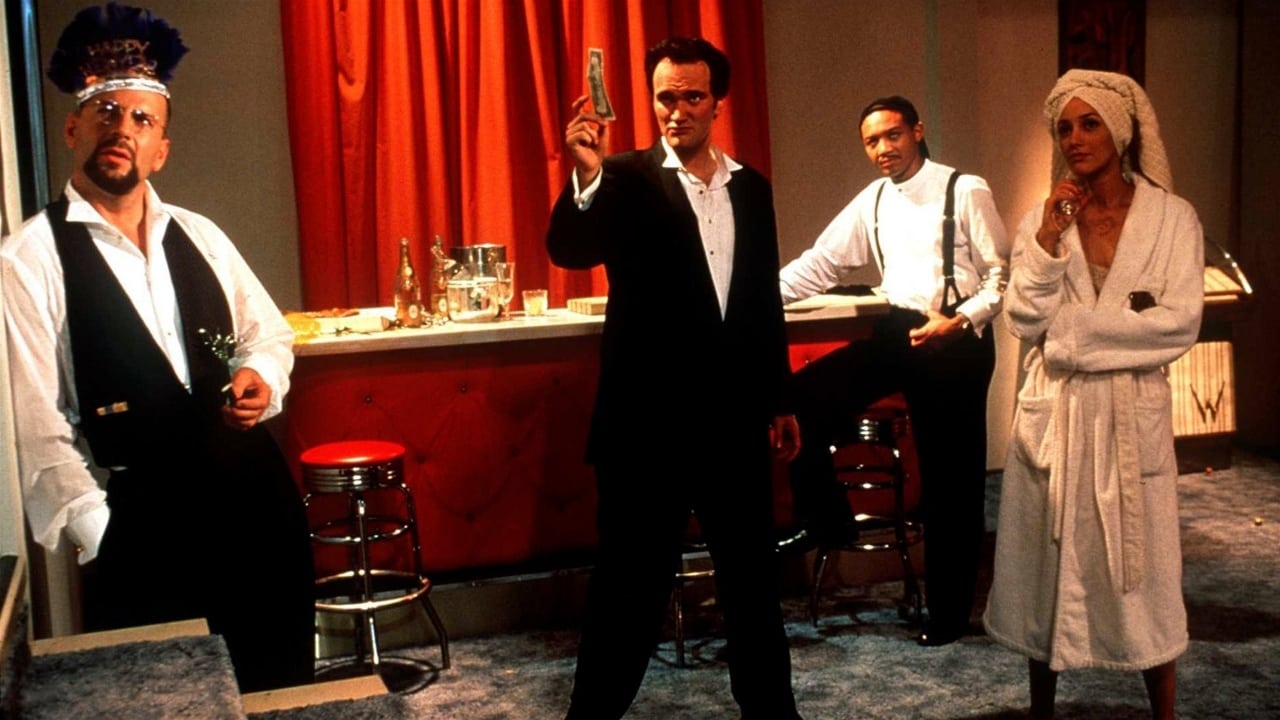
Finally, Ted arrives at the penthouse for "The Man from Hollywood," written and directed by Quentin Tarantino. This is peak 90s Tarantino: verbose, pop-culture-drenched, and crackling with nervous energy. Ted finds himself refereeing a high-stakes bet proposed by smug film director Chester Rush (Tarantino himself) involving a Zippo lighter, a pinky finger, and a hatchet. Based on Roald Dahl’s chilling short story "Man from the South" (famously adapted for Alfred Hitchcock Presents), this segment benefits immensely from the sheer star power involved, including an uncredited Bruce Willis (who apparently worked for union scale as a favour to Quentin) playing the drunk, wealthy husband. The dialogue snaps, the tension builds expertly, and it provides a suitably explosive (and darkly funny) climax to Ted's nightmarish shift. It feels the most polished, benefiting from Tarantino's post-Pulp Fiction confidence.
### Checkout Time
So, what’s the verdict on Four Rooms after all these years? It’s undeniably a product of its time – a snapshot of the mid-90s indie boom where directors with heat could get ambitious, sometimes messy projects greenlit (this one cost about $4 million, barely making it back domestically, finding its audience mostly on video). The tonal shifts between segments can be jarring, and not every story lands perfectly. Anders' segment feels mystical but slight, Rockwell's is tense but perhaps overly mannered, while Rodriguez and Tarantino deliver the most crowd-pleasing punches.
Yet, there’s an undeniable charm to its chaotic energy and its commitment to its central conceit. Tim Roth's performance is a masterclass in physical comedy under duress, and seeing these directors flex their styles side-by-side remains fascinating. Finding this on the shelf at Blockbuster felt like unearthing something a bit dangerous, a bit adult, and definitely not your standard Hollywood fare.
Rating: 6.5/10
The rating reflects the film's uneven nature – moments of brilliance and genuine laughs sit alongside segments that don't quite connect. However, Roth's central performance, the standout Rodriguez and Tarantino chapters, and its sheer audaciousness as a 90s indie artifact earn it solid points. It’s a fascinating experiment, even if the formula wasn't entirely stable.
Final Take: Four Rooms is like that wild New Year's Eve party you vaguely remember – chaotic, uneven, some parts unforgettable, others best left hazy, but damn if it wasn't an interesting night. A must-see curio for fans of 90s indie filmmaking and anyone who appreciates a bellhop pushed to the absolute brink.