Here we go, sliding another tape into the VCR of memory… but this time, it’s something a little different. Not an explosion-filled blockbuster or a synth-scored slasher, but a small, perfectly formed jewel of animation that might have flickered across your screen late one night or nestled amongst other shorts on a curated tape. I’m talking about Michaël Dudok de Wit’s enchanting 1994 short film, The Monk and the Fish. Forget dialogue; this one speaks purely through movement, music, and masterful ink strokes.
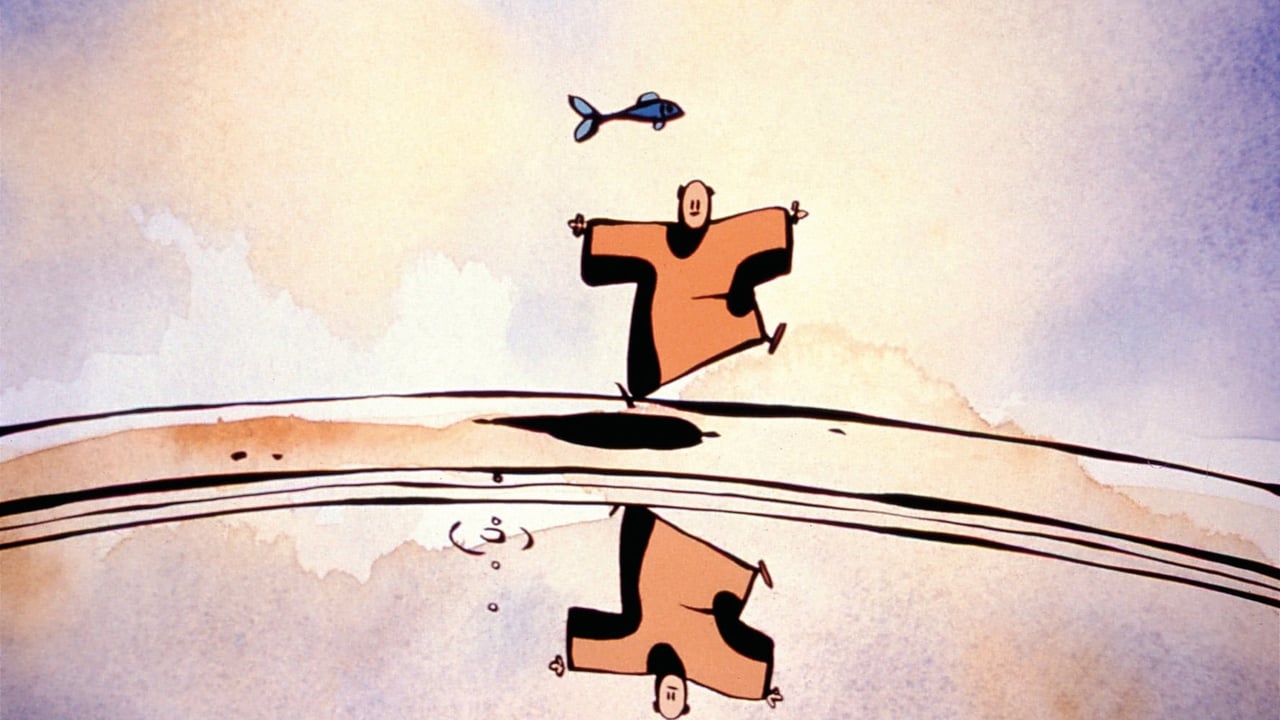
Watching The Monk and the Fish feels like uncovering a secret watercolour painting that suddenly springs to life. Rendered in beautifully fluid, expressive brushwork – a signature style for Dudok de Wit – it tells a simple, almost fable-like story. A monk, living a seemingly peaceful life in a monastery nestled near water, becomes utterly captivated, then obsessed, with a playful fish darting just beyond his reach. What starts as curiosity quickly spirals into a frantic, near-slapstick pursuit that takes him further and further from his tranquil existence.
### Drawn into Obsession
The animation itself is the star here. Created at the French studio Folimage, known for nurturing distinctive artistic voices, the film uses a technique that feels both traditional and incredibly dynamic. Those energetic ink washes and bold outlines give the monk such character – his growing frustration, his leaps, his splashes, all conveyed with remarkable economy and flair. You can almost feel the dampness of the monastery walls and the cool spray of the water. There’s a tangible quality to the animation, a welcome contrast to the often slicker, more uniform styles that were becoming prevalent even by the mid-90s. It feels hand-made, imbued with the artist's touch on every frame.
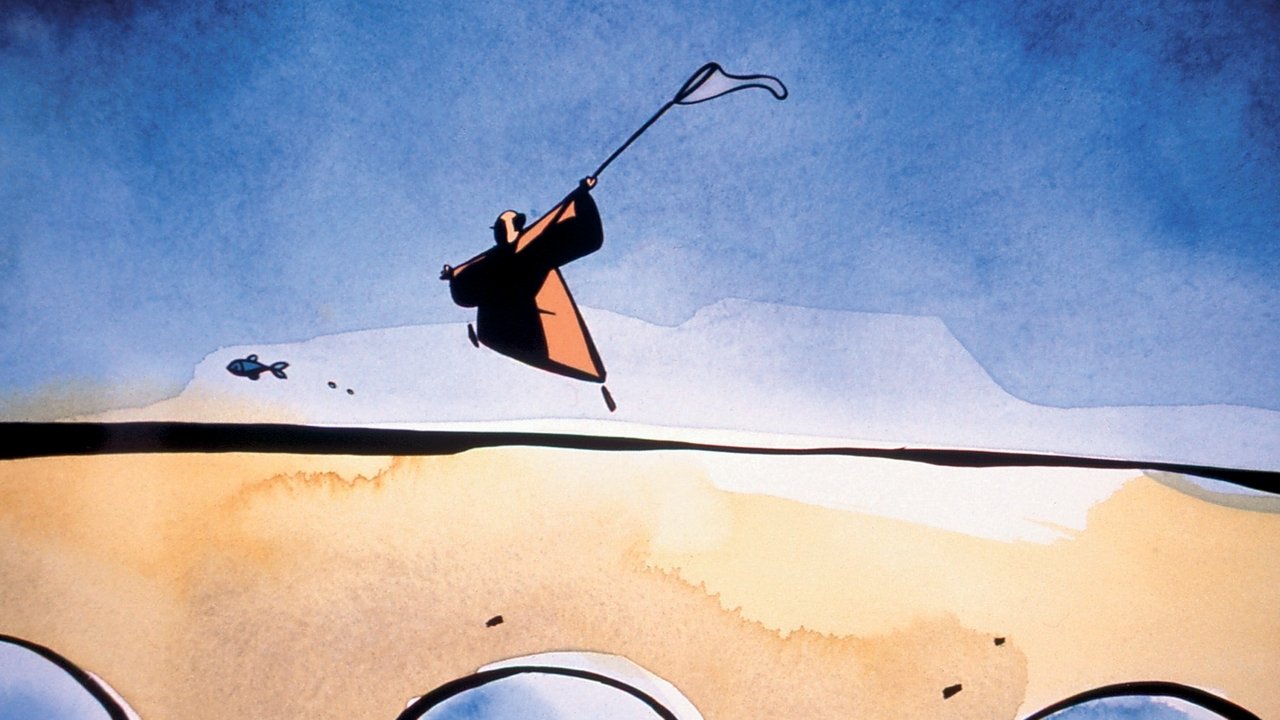
The narrative unfolds without a single word spoken, relying instead on visual storytelling and the absolutely crucial score by Serge Besset. The music, often featuring playful woodwinds and strings, perfectly mirrors the monk's escalating mania and the fish's elusive dance. It’s a masterclass in how sound and image can intertwine to create meaning and emotion. Remember those silent cartoons of old? This carries that torch but with a sophisticated, almost spiritual undercurrent.
### A Splash of Recognition
Though perhaps not a tape many rushed to Blockbuster to rent on a Friday night, The Monk and the Fish made significant waves in the animation world. It snagged numerous awards, including the prestigious César Award for Best Short Film and, crucially, earned Michaël Dudok de Wit his first Academy Award nomination for Best Animated Short Film in 1995. While it didn't take home the Oscar that year (losing out to Bob's Birthday), the nomination certainly put Dudok de Wit on the map globally. This little film, running just six minutes, announced the arrival of a major talent – one who would later win the Oscar for Father and Daughter (2000) and direct the stunning feature The Red Turtle (2016).


Watching it now, you can see the seeds of his later work: the fascination with nature, the exploration of human desire and connection (or lack thereof), and that distinctive, elegantly minimalist visual style. The monk’s single-minded pursuit is comical, yes, but also hints at deeper themes – obsession, the disruption of peace, perhaps even the pursuit of the unattainable or the divine. It’s surprisingly rich for such a brief, wordless piece.
### Retro Fun Facts
Digging into the creation reveals the dedication behind its seemingly effortless flow. Dudok de Wit reportedly worked intensely on the animation, focusing on capturing the precise weight and momentum of the monk's movements. The choice of the monastery setting wasn't arbitrary; it provides a stark, quiet backdrop against which the monk's increasingly chaotic actions stand out. The film's success helped solidify Studio Folimage's reputation as a haven for auteur-driven animation projects in Europe. It’s the kind of unique creation that reminds you of the sheer artistic potential buzzing around in the 90s, often just outside the mainstream spotlight. Maybe you caught it during an animation festival showcase on a channel like Bravo or The Independent Film Channel back in the day? It had that air of refined discovery.
### The Verdict
The Monk and the Fish is more than just a cartoon; it's a visual poem. It’s funny, beautifully crafted, and leaves you with a gentle sense of contemplation. In just six minutes, it achieves what many feature films strive for: creating a complete, resonant world and telling a compelling story with style and heart. It’s a testament to the power of pure animation and a delightful reminder of the artistry that flourished in the 90s. If you've never seen it, seek it out. If you have, revisit it – its charm hasn't faded one bit.
Rating: 9/10
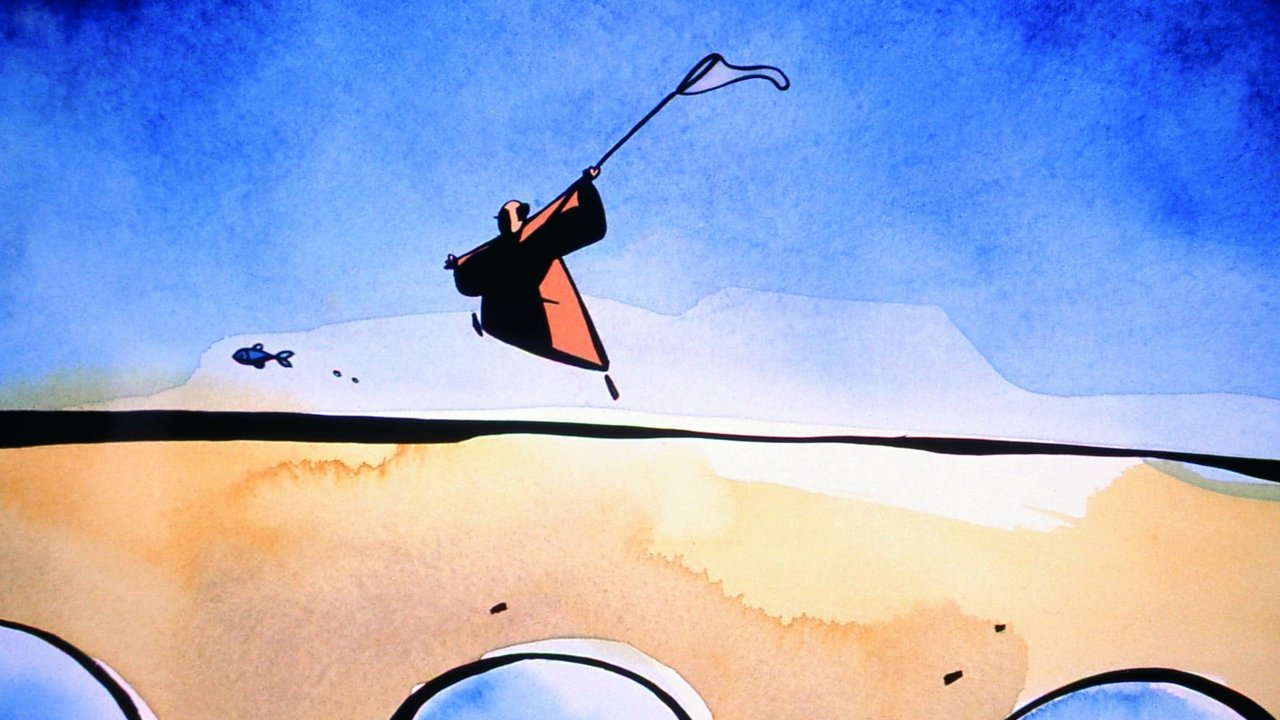
This score reflects the sheer artistic mastery on display. The animation is fluid and expressive, the wordless storytelling is incredibly effective, and the score is perfectly integrated. It achieves its aims flawlessly, creating a memorable and evocative experience in just a few minutes. It's a near-perfect example of the animated short form.