Ranma ½: The Movie 3 — The Super Non-Discriminatory Showdown: Team Ranma vs. the Legendary Phoenix
Alright, fellow tape travellers, let's rewind to that glorious mid-90s moment when anime was really starting to explode beyond the hardcore fans, often passed around on treasured, slightly fuzzy VHS tapes. Forget meticulously curated streaming queues; finding something like Ranma ½: The Movie 3 — The Super Non-Discriminatory Showdown: Team Ranma vs. the Legendary Phoenix (whew, say that five times fast!) felt like uncovering forbidden treasure. This 1994 theatrical outing dropped right into the sweet spot of the franchise's peak popularity, offering fans another dose of that specific martial arts romantic comedy chaos only Rumiko Takahashi's world could deliver.
### A Prince, A Phoenix, and Predictable Pandemonium
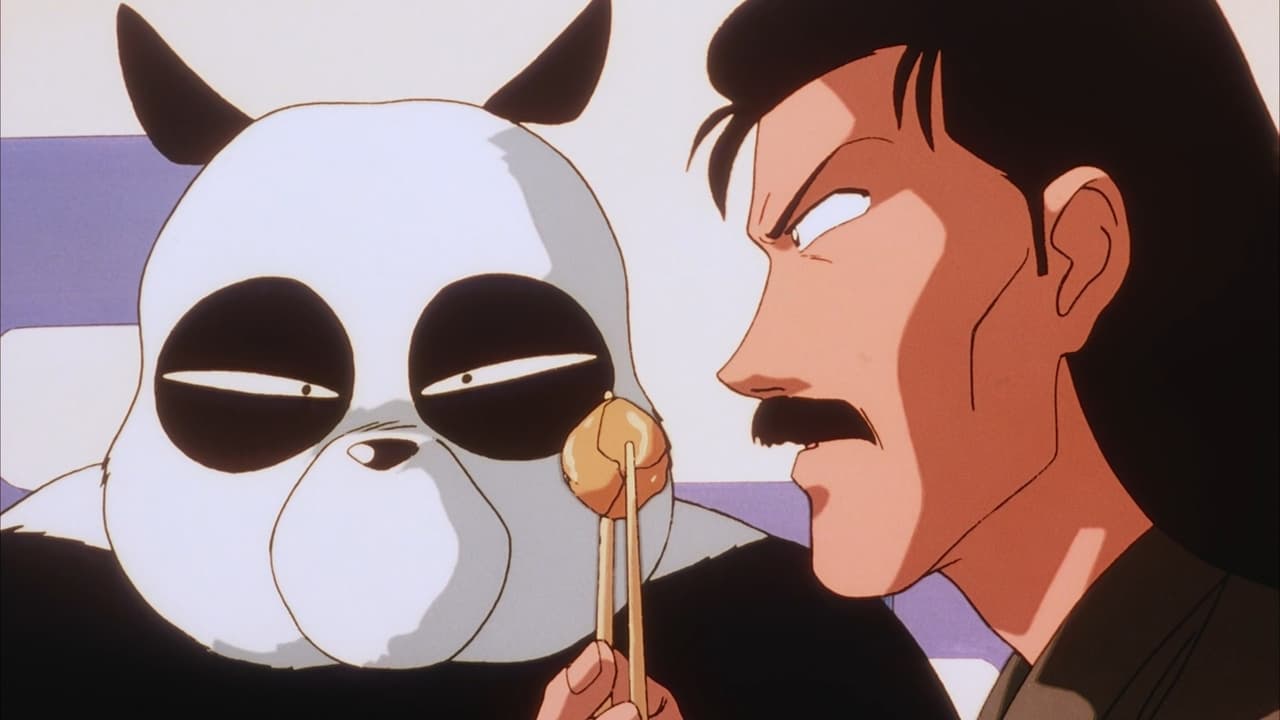
The setup is pure Ranma: a hapless prince named Toma arrives from a floating island paradise, wielding the legendary Hououken, or Phoenix Sword. Problem is, the sword houses Kiriin, a grumpy, perpetually growing phoenix who emerges whenever the sword is drawn and attacks, well, indiscriminately (hence the wonderfully awkward title!). Toma wants Akane Tendo to be his bride to help control Kiriin, Ranma Saotome naturally objects with fists and feet, and the entire Tendo/Saotome/Extended Universe cast gets dragged into the ensuing mayhem. It’s a plot that feels comfortably familiar if you spent any time watching the TV series – less about groundbreaking narrative and more about creating a whirlwind scenario for the characters we love (or love to watch get into trouble).
### Hand-Drawn Energy That Still Pops
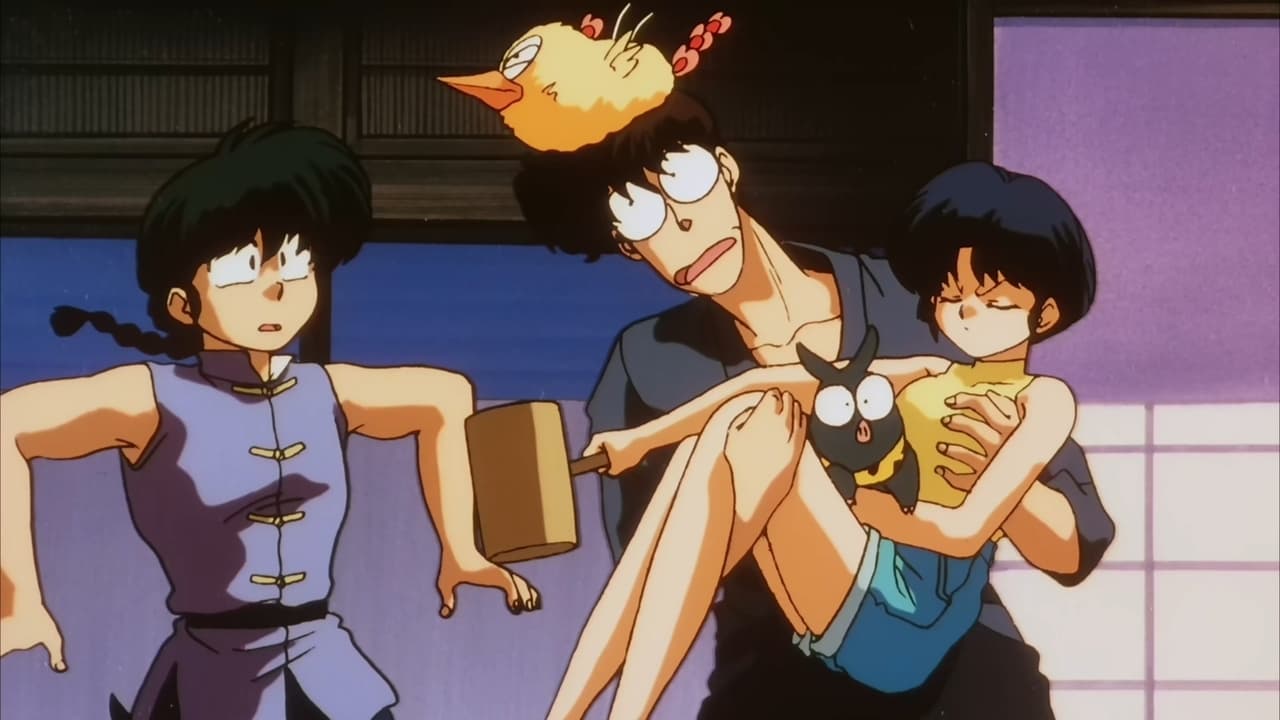
Let’s talk about the look of this thing. This was the era of cel animation, folks. Every frame drawn by hand, painted by hand. Watching it now, especially if you managed to snag a decent copy back in the day, you can almost feel the effort. The action scenes, directed by Kazuhiro Furuhashi (who would later helm the much more serious, and brilliant, Rurouni Kenshin TV series and OVAs), have that distinct 90s anime energy. It's not always fluid by today's digital standards, but there's a weight and impact to the movements. Remember how dynamic those fight sequences felt? The speed lines, the impact frames where a punch really looked like it connected, the slightly exaggerated physics that made the martial arts both thrilling and hilarious. It’s a style that feels incredibly physical, a world away from the sometimes overly slick, computer-aided smoothness we often see now. There's a charm to seeing the slight imperfections, the character models occasionally going a bit off-model in the heat of battle – it feels alive, crafted by human hands under deadline pressure. Studio Deen, who handled the animation, really captured the kinetic silliness inherent in Ranma.
One retro fun fact often overlooked is that these Ranma ½ movies were typically double-billed in Japanese theaters with other short films or features, making this a part of a larger animation showcase event back in August 1994. Imagine settling into a cinema seat for a block of pure anime goodness!
### The Voices of Nerima
Of course, a huge part of the Ranma magic has always been the incredible voice cast, and they bring their A-game here. Hearing Kappei Yamaguchi flip between the brash arrogance of male Ranma and his slightly higher-pitched panic is always a joy. Megumi Hayashibara as female Ranma is equally iconic, delivering those sharp retorts and surprisingly powerful battle cries. And Noriko Hidaka as Akane provides the perfect blend of sweetness, temper, and surprising resilience. These actors were these characters for a generation of fans, their performances defining the personalities as much as Takahashi's original drawings. Listening to them bounce off each other, even with a ridiculous plot involving a perpetually hungry baby bird-god, is pure nostalgic comfort food.
### Comfort Food Cinema
While Rumiko Takahashi created the universe, the movie plots like this one, penned here by Ryota Yamaguchi, were often anime-original stories designed to fit within the established world without disrupting the main manga continuity. This third movie definitely feels like an extended TV episode – enjoyable, frantic, full of familiar gags (Happosai's lechery, Kuno's delusions, Ryoga getting lost somehow), but perhaps lacking the deeper emotional beats or character development found in the source material or some of the later OVAs. It doesn't reinvent the wheel, nor does it try to. Its mission is simple: deliver 60 minutes of concentrated Ranma insanity. It's interesting to note this film came out after the main TV anime series concluded its original run in 1992, keeping the franchise alive for fans through these movie and OVA releases.
Does it feel dated? Absolutely. The humor leans heavily on slapstick and misunderstandings that were the series' bread and butter. The stakes feel relatively low, even with a giant phoenix rampaging. But watching it again is like slipping on a comfortable old t-shirt. It reminds you of simpler times, perhaps huddled around a CRT TV watching a third-generation VHS copy procured through mysterious fan channels, just thrilled to see more adventures from the Nerima gang. It delivered exactly what fans wanted back then: more Ranma, bigger and louder (and maybe slightly better animated than the weekly show).
***
VHS Heaven Rating: 7/10
Justification: While not the deepest or most groundbreaking Ranma ½ adventure, Movie 3 perfectly captures the manic energy, beloved characters, and hand-drawn charm of 90s anime comedy-action. The voice cast is superb, the animation has that nostalgic physical punch, and it delivers exactly the kind of chaotic fun fans expected. It loses points for a somewhat formulaic plot and feeling more like an extended episode than a truly cinematic event, but the sheer nostalgic joy and energetic execution make it a worthwhile watch.
Final Thought: It's a potent shot of 90s anime absurdity – pure, unadulterated, hand-drawn chaos that reminds you why tracking down those Ranma tapes felt like such a victory back in the day. Still chaotic good after all these years.