It starts with a simple, almost mundane weariness, doesn't it? That feeling of being utterly overwhelmed, stretched thin by demands. But what if that exhaustion wasn't just metaphorical? What if it manifested as... another you, running amok and ruining your life? That's the brilliantly absurd, yet strangely resonant, premise lurking at the heart of Michel Blanc's 1994 French comedy, Dead Tired (or Grosse Fatigue as it was known in its homeland). Seeing it again after all these years, perhaps on a well-worn tape dug out from a dusty box, feels like rediscovering a particularly witty, slightly melancholic joke about the price of fame.
When Celebrity Bites Back
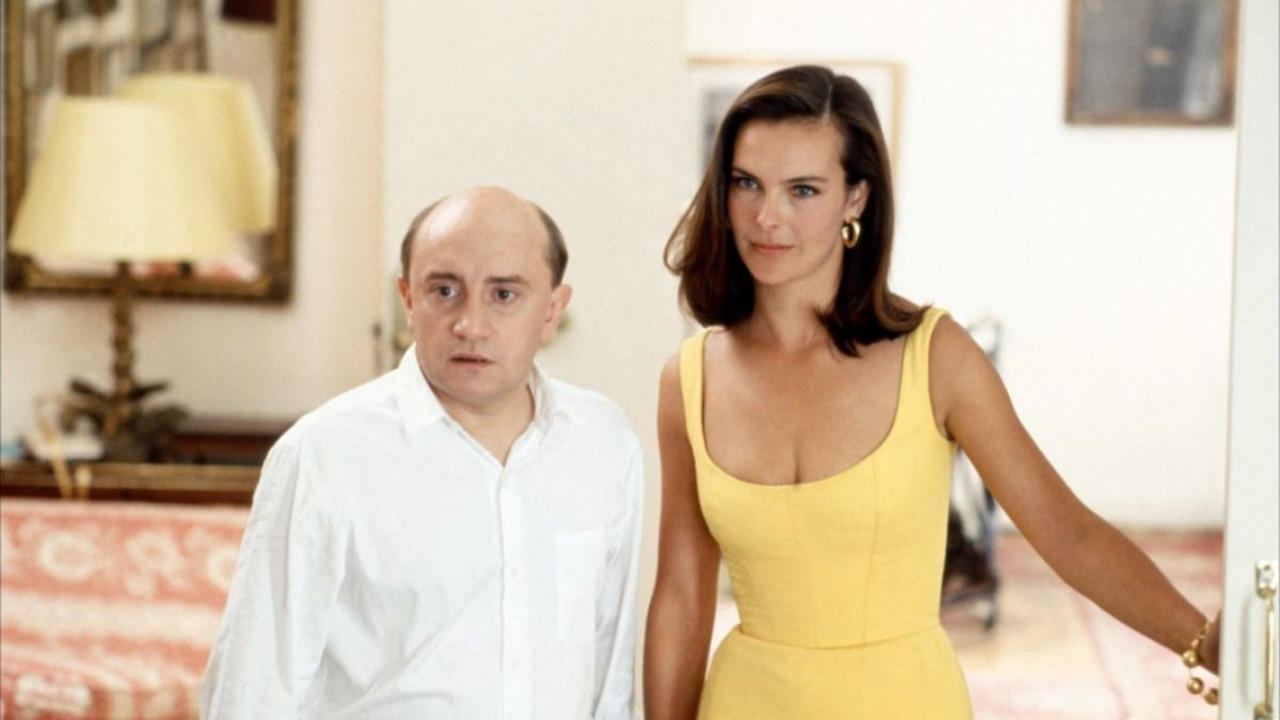
The setup is deceptively simple, yet ripe for comic exploration. Michel Blanc, playing a heightened version of himself, is a beloved French movie star at the end of his rope. He’s stressed, exhausted, and suddenly besieged by accusations of bizarre and offensive behavior – punching colleagues, propositioning women, generally acting like a monster. The problem? He hasn’t done any of it. The slow-burn reveal that there's a perfect double, Patrick Olivier (also played by Blanc), gleefully exploiting his fame is where Dead Tired truly finds its footing. It’s a classic mistaken identity plot, but elevated by its meta-commentary on celebrity culture, a theme that feels perhaps even more pertinent in today's hyper-visible world. Remember how novel it felt in the 90s to see stars poke fun at their own image? This film dives headfirst into that concept.
Blanc Pulls Double Duty
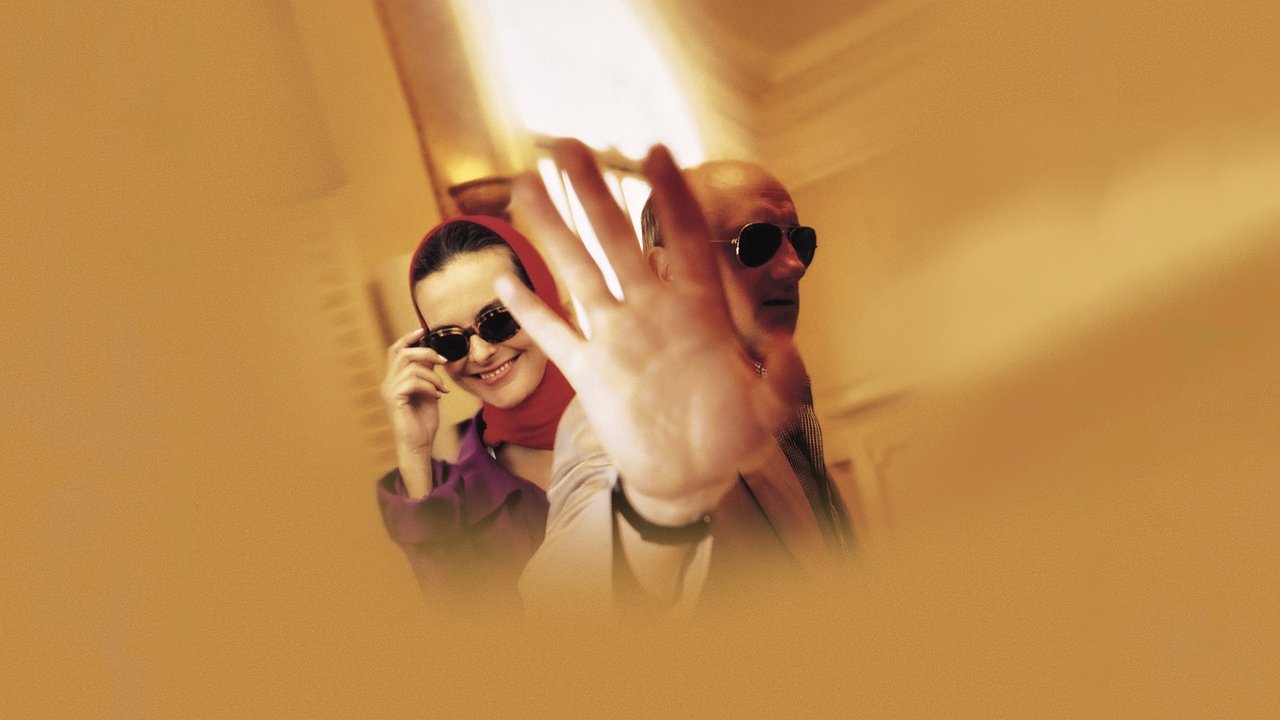
At the center of it all is Michel Blanc, not just starring but also directing and co-writing (with the equally legendary Josiane Balasko, who also cameos). Blanc, already a household name in France thanks to comedy troupes like Le Splendid and films such as Les Bronzés (1978) and Marche à l'ombre (1984), delivers a masterclass in nuance here. His "real" Michel is a bundle of neurotic anxieties, sympathetic even in his privileged fatigue. His double, Patrick, is a study in unchecked id – opportunistic, vulgar, yet possessing a certain slippery charm. Watching Blanc play off himself is the film's main engine, requiring precise timing and a clear delineation between the two personas, which he handles beautifully. It’s a performance that feels both technically adept and emotionally grounded, even amidst the escalating farce. It's no wonder the screenplay, sharp and insightful, snagged the Best Screenplay award at the 1994 Cannes Film Festival.
A Who's Who of French Cinema
Part of the sheer delight of Dead Tired, especially for fans of French cinema, is the avalanche of celebrity cameos playing themselves. It becomes a delightful game of spot-the-star. There's the effortlessly elegant Carole Bouquet (forever etched in many minds from 1981's For Your Eyes Only), drawn into Michel's escalating nightmare as a confidante. Her presence provides a crucial anchor of glamour and relative sanity. Then there's the late, great Philippe Noiret (Cinema Paradiso, Il Postino), appearing with his characteristic dignified warmth, adding gravitas even in a brief appearance. The list goes on: Josiane Balasko, Christian Clavier, Thierry Lhermitte (Blanc's Le Splendid compatriots), Charlotte Gainsbourg, Roman Polanski, Guillaume Depardieu, and many more pop up, reacting to the "bad" Michel's antics or offering bewildered support to the "real" one. It’s a testament to Blanc's standing in the industry that he could assemble such a sparkling roster. Apparently, many agreed readily, perhaps tickled by the premise of lampooning their own world. This parade of familiar faces gives the film a unique texture, grounding its fantastical premise in the real ecosystem of French stardom.
More Than Just Laughs?
While Dead Tired functions brilliantly as a sophisticated farce, propelled by witty dialogue and cleverly constructed scenarios, there's a lingering question beneath the surface. What does it say about identity when your public persona becomes so detached it can literally be stolen? The film doesn't delve too deeply into existential angst – it remains primarily a comedy – but it does touch upon the dehumanizing aspects of fame, the way a public image can overshadow the actual person. There’s a subtle sadness in Blanc’s weariness, a genuine cri de cœur about wanting to escape the relentless demands of being "Michel Blanc." This subtle layer prevents the film from becoming just a series of gags; it gives it a melancholic undertow that resonates.
Finding Fatigue on Tape
I don't recall Dead Tired being a blockbuster rental here in the States, certainly not like the big Hollywood comedies of the era. It felt more like the kind of discovery you'd make late at night on a channel like Bravo or IFC back in the day, or maybe stumble upon in the foreign film section of a particularly well-stocked video store – a hidden gem. Its success was much more pronounced in France, where it reportedly sold over 2 million tickets, striking a chord with audiences familiar with Blanc and the constellation of stars orbiting him. Seeing it now, it feels like a time capsule – not just of 90s French cinema, but of a particular kind of intelligent, adult-oriented comedy that feels increasingly rare. The premise itself, a pre-internet exploration of stolen identity and manufactured reality, feels surprisingly prescient.
Rating: 8/10
Dead Tired holds up remarkably well. Its central conceit is ingenious, Michel Blanc's dual performance is terrific, and the screenplay crackles with wit. The star-studded cameos provide endless nostalgic delight for French film buffs, while the underlying commentary on fame adds a layer of unexpected depth. It avoids slapstick, aiming for a more sophisticated, character-driven humor laced with a touch of melancholy. It might not have been omnipresent on every VHS rental shelf, but for those who found it, Dead Tired remains a smart, funny, and surprisingly thoughtful exploration of what happens when your public image takes on a life of its own. What lingers most, perhaps, is the unsettling question: in the glare of the spotlight, who are you, really?