Alright, fellow tapeheads, slide that worn copy of Crazy People into the VCR, adjust the tracking just so, and let's talk about this slice of early 90s absurdity. Released in 1990, this wasn't the kind of high-octane blockbuster that usually dominated the video store shelves, but nestled amongst the comedies, it offered something genuinely different: a satire wrapped in a surprisingly sweet package. It's the kind of movie you might have stumbled upon late one night, drawn in by the utterly bonkers premise.
### Truth in Advertising? Madness!
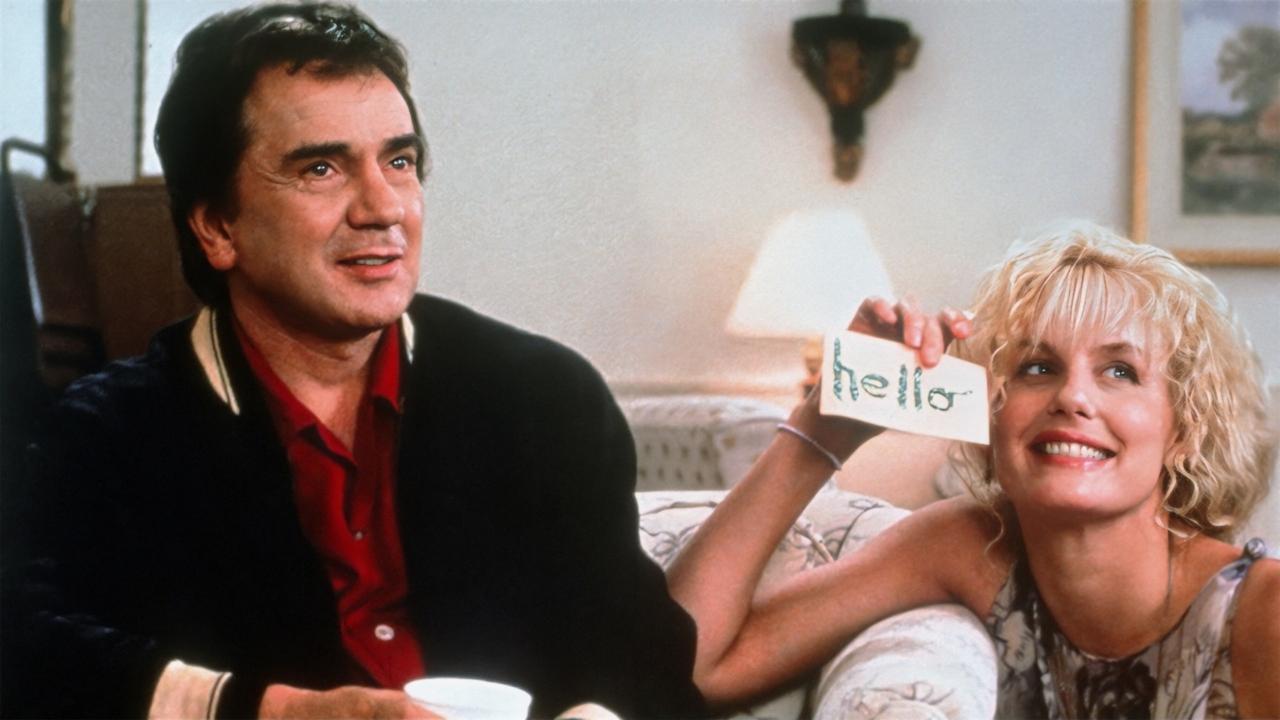
The setup is pure gold: Dudley Moore, flashing that familiar blend of manic energy and underlying vulnerability we loved in films like Arthur (1981), plays Emory Leeson, a talented advertising executive cracking under the pressure. His solution? Brutal honesty. He designs ad campaigns that tell the unvarnished truth – Volvos are "boxy, but good," United Airlines jets "mostly" make it, and visiting New York means accepting "it's not as filthy as you think." Naturally, his slick boss (a perfectly cast Paul Reiser, already honing the persona that would hit big with Mad About You a couple of years later) thinks he's lost his mind and ships him off to a psychiatric hospital.
It's a premise so simple yet so cutting, especially coming from writer Mitch Markowitz, who actually worked in the advertising trenches before turning to screenwriting. You can feel a certain catharsis in those brutally honest slogans, a knowing wink from someone who’d likely endured countless meetings about synergy and brand awareness. It’s rumored that John Malkovich was considered for the role of Emory, which would have resulted in a wildly different film, but Moore brings a necessary warmth that keeps Emory relatable even at his most unconventional.
### Finding Sanity Among the 'Crazy'
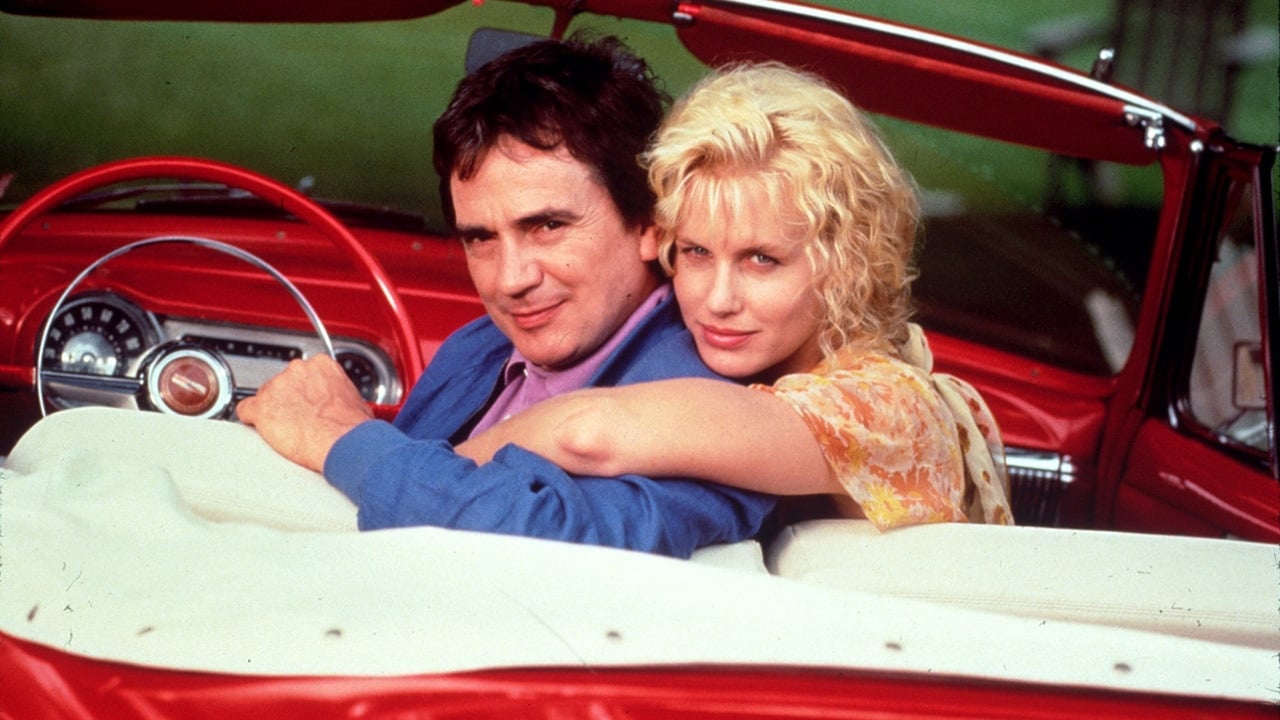
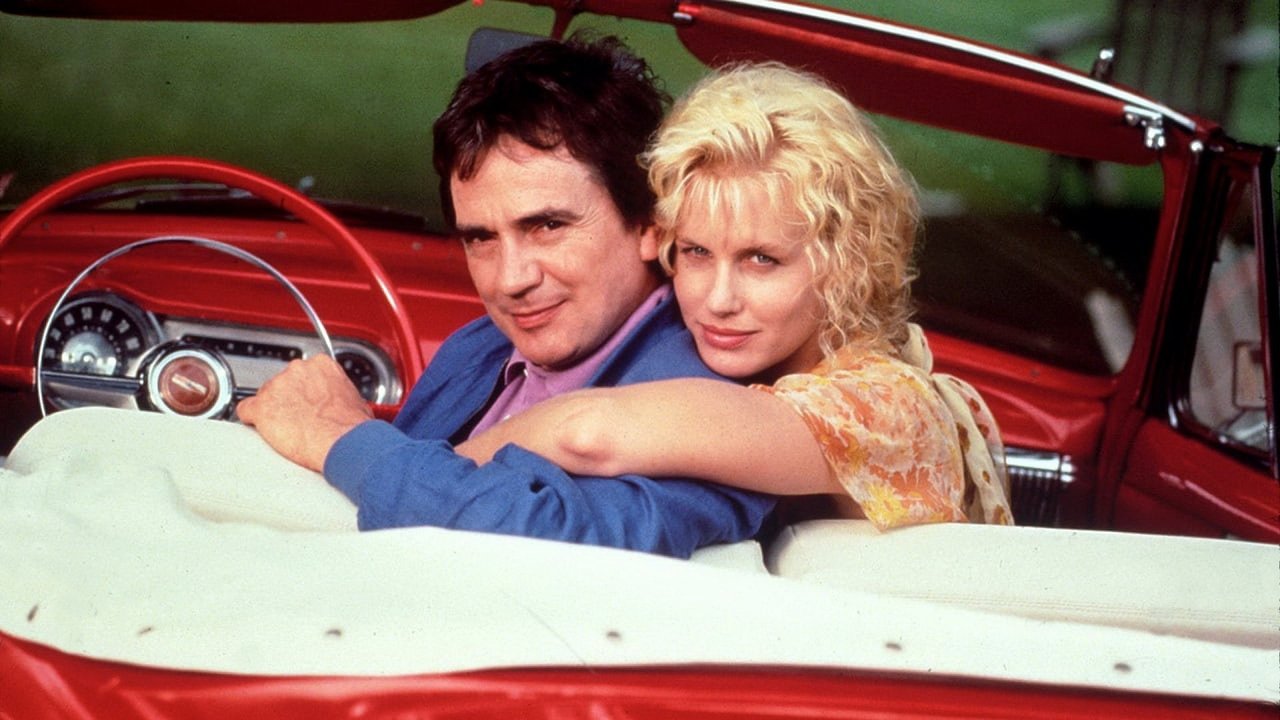
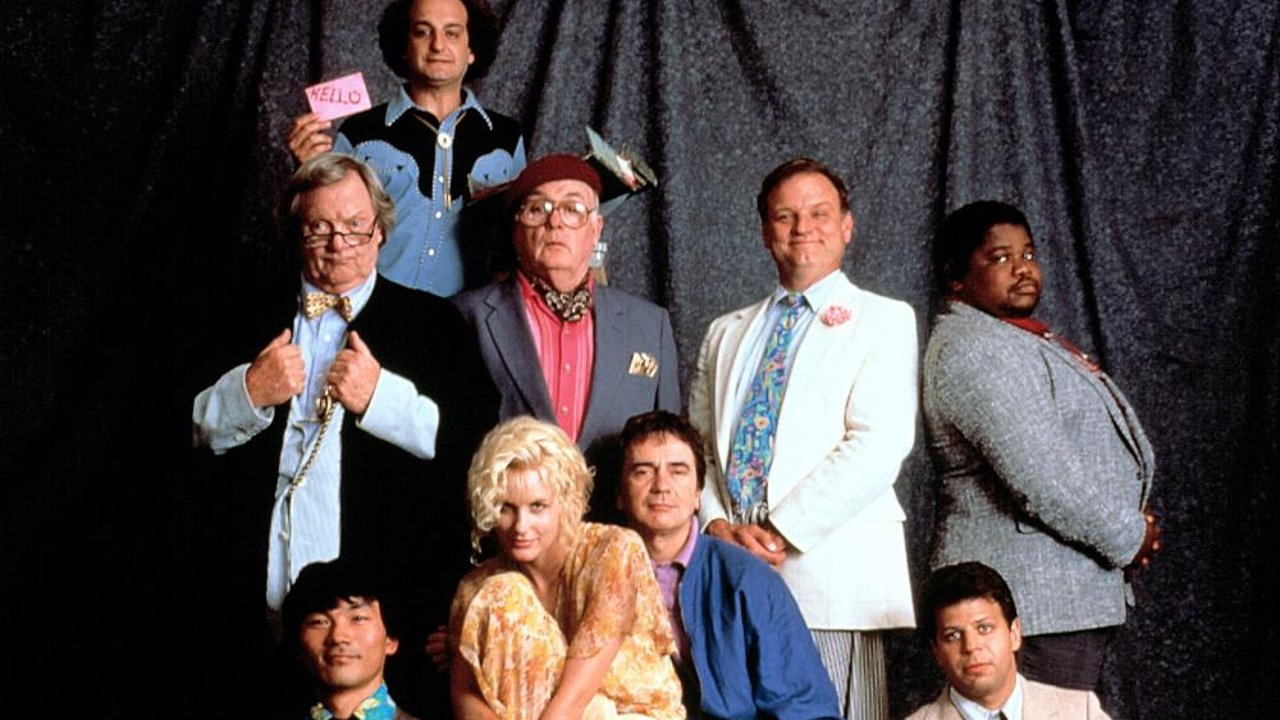
The asylum, Bennington Sanitarium, isn't played for cheap scares or grim realism. Instead, director Tony Bill (who gave us the beloved underdog tale My Bodyguard back in 1980) presents it as a haven populated by quirky, generally harmless individuals finding solace away from the 'sane' world's pressures. It's here Emory meets Kathy Burgess, played by Daryl Hannah. Fresh off memorable roles in Splash (1984) and Steel Magnolias (1989), Hannah gives Kathy a gentle fragility and an instant connection with Emory. Their burgeoning romance provides the film's heart, a sweet counterpoint to the cynical advertising world Emory left behind.
The supporting cast of patients really shines, becoming Emory's unlikely creative team. From the perpetually blunt George (David Paymer) to the selectively mute Saun (Bill Smitrovich), they add layers of endearing eccentricity. Their interactions feel genuinely warm, offering a commentary on how societal labels often miss the mark on human connection and capability.
### When Honesty Becomes Marketing Gold
Of course, the brilliant twist is that Emory's "crazy" ads, accidentally sent to print, become a massive sensation. Suddenly, honesty is the hottest marketing trend, and the agency desperately needs Emory back – or at least, needs to keep tapping into the unexpected genius flowing from within the sanitarium walls. This satire of consumerism and the advertising machine still lands today. Remember seeing those fake ads in the trailer or on TV spots? They felt genuinely shocking and hilarious back then, cutting through the usual noise. The film cost around $17 million to make and pulled in a respectable $31 million at the box office – not a monster hit, but it clearly found an audience who appreciated its offbeat charm.
The filmmaking itself feels distinctly early 90s. There's a certain straightforwardness to Tony Bill's direction, letting the performances and the sharp dialogue carry the load. There are no flashy digital effects here, just solid character work and well-timed comedic beats. The look and feel have that slightly soft, comfortable quality many films from the era possess when viewed on a trusty CRT – a world away from today's hyper-sharp digital clarity.
### Dated, Maybe, But Still Delightful
Okay, let's be honest – the portrayal of mental health is very much of its time. It simplifies complex issues for comedic and romantic effect, something that might raise eyebrows today. But viewed through the lens of 1990, the film's intention feels more affectionate than exploitative. It champions the idea that 'different' isn't necessarily 'broken,' and finds humanity in unexpected places. Dudley Moore carries the film beautifully, reminding us why he was such a unique comedic talent, capable of blending slapstick with genuine pathos.
Watching Crazy People now feels like revisiting a slightly eccentric old friend. It’s not perfect, and some elements haven’t aged as well as others, but its core satirical idea remains potent, and the central performances, especially Moore's, are genuinely winning. It captures a specific moment in comedy – post-80s excess, pre-irony overload – with a warmth that’s hard to dislike.
VHS Heaven Rating: 7/10
Justification: Crazy People earns a solid 7 for its brilliant central conceit, Dudley Moore's perfectly pitched performance, and its surprisingly sweet heart. The satire is sharp, the supporting cast adds wonderful texture, and the honest ad campaigns remain genuinely funny. It loses a few points for its somewhat dated portrayal of mental health and a slightly predictable romantic arc, but its overall charm and cleverness shine through.
Final Take: A wonderfully quirky time capsule that proves sometimes, the craziest ideas are the most honest – a refreshing truth serum in a sea of slickly packaged VHS comedies. Still worth tracking down for a dose of early 90s satirical charm.