Okay, rewind that tape. Remember cruising the aisles of the local video store, maybe "Action/Adventure" or perhaps the slightly more intriguing "Martial Arts" section? Your eyes scan past familiar blockbuster covers, hunting for something different. Something with promise. And then you see it: a cover dominated by the imposing physique of Bolo Yeung. The title screams pure, unadulterated 90s mayhem: Shootfighter: Fight to the Death. You grab the chunky plastic case, feeling the worn cardboard sleeve. You just knew this was going to be a night.
The Underground Beckons
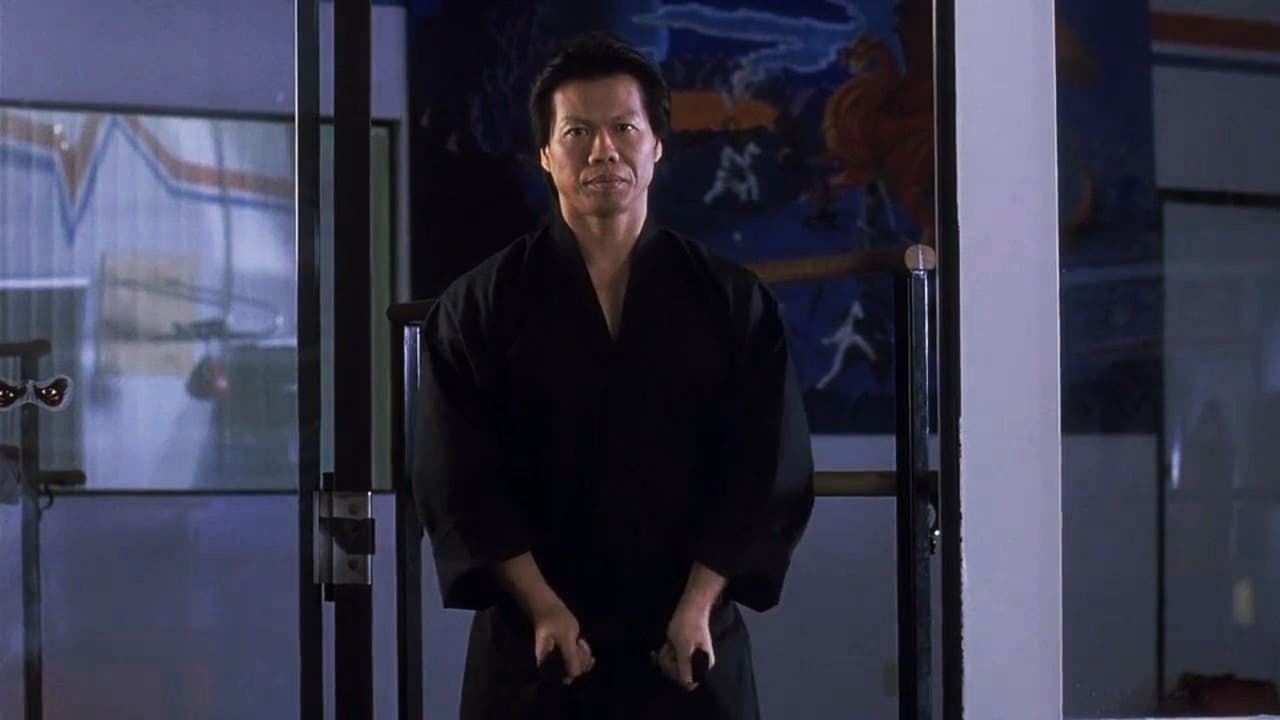
Released straight to the hungry home video market in 1993, Shootfighter wastes no time setting up its simple, yet effective, premise. We meet Ruben (played by martial artist Michael Bernardo) and Nick (William Zabka, forever etched in our minds as Johnny Lawrence from The Karate Kid), two buddies skilled in the martial arts taught by the wise Master Shingo (Bolo Yeung). Lured by the promise of big money and glory, they find themselves entangled in the brutal, anything-goes world of illegal "shootfighting" tournaments run by the slimy Mr. Lee (Martin Kove – yes, Sensei Kreese himself!). It's a familiar setup for fans of the genre, a classic tale of temptation, loyalty, and bone-crunching showdowns.
Bolo: The Unmovable Mountain
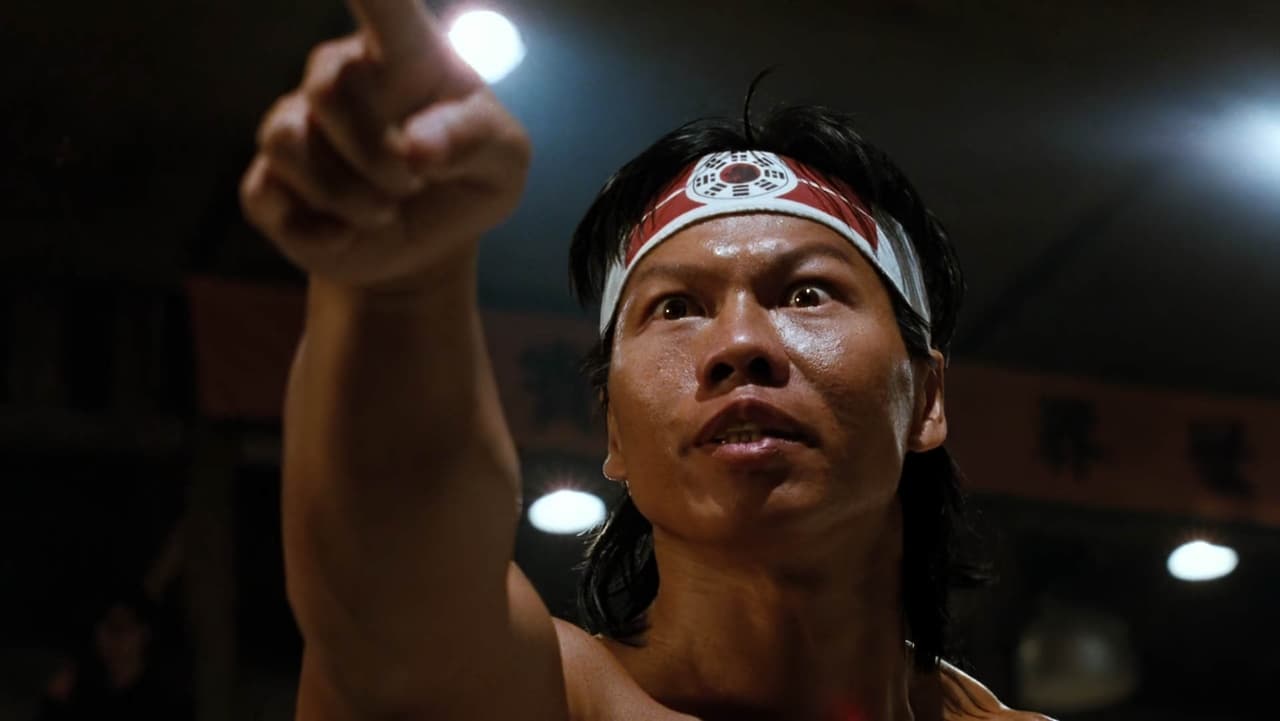
Let's be honest, the main draw here is Bolo Yeung. Fresh off terrorizing Jean-Claude Van Damme in Bloodsport (1988) and Double Impact (1991), Bolo brings his signature, almost superhuman presence. As Master Shingo, he’s ostensibly the good guy here, a mentor figure trying to steer his students away from the dark path. But even playing a wise master, Bolo radiates that quiet menace. His physique alone is a special effect – the sheer size and definition are captivating. A former Mr. Hong Kong bodybuilding champion, Bolo’s physical presence was legendary long before he started throwing kicks on screen. Seeing him unleash his skills, even sparingly as the mentor figure, is always a treat. He moves with a surprising grace for such a powerfully built man, a reminder of his legitimate martial arts background.
Fists, Feet, and Raw Impact
Director Pat Alan delivers exactly what the cover promises: fights. Lots of them. And this is where Shootfighter taps directly into that glorious vein of 90s practical action. Forget floaty wire-fu or CGI enhancements. The action here feels grounded, heavy, and often quite brutal. When someone gets kicked, you feel the impact. The sound design emphasizes crunches and thuds. The stunt work is committed, with performers taking real falls and selling the punishment. Remember how intense those underground fight scenes felt back then? The dimly lit arenas, the roaring crowds baying for blood – it captured a certain raw energy. While the choreography might not be as intricate as some Hong Kong classics, its sheer physicality and commitment to practical blows made it feel visceral on our fuzzy CRT screens. It’s a world away from today’s often overly polished action sequences; there’s a grit here that modern films sometimes lack.
Johnny Lawrence Learns a New Style?
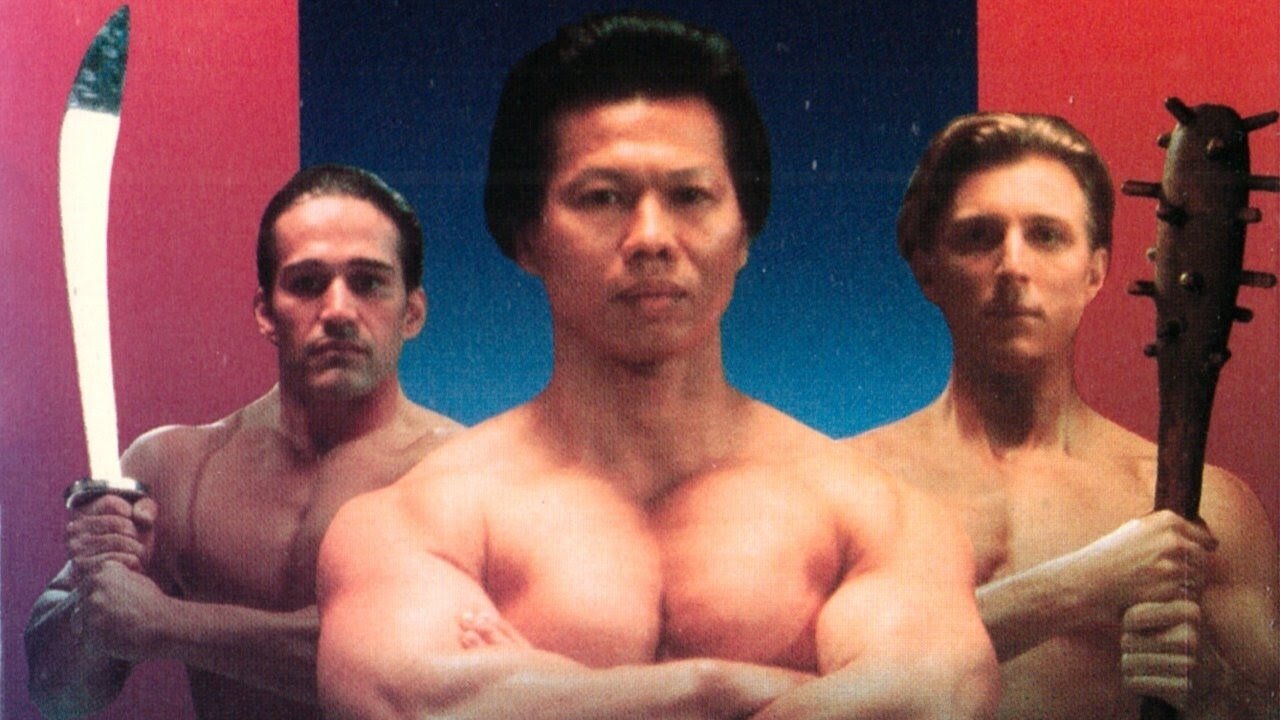
You can’t talk about Shootfighter without addressing the casting of William Zabka. Seeing the quintessential 80s movie bully playing one of the heroes is initially jarring, but Zabka throws himself into the role. It’s fascinating to see him apply his screen presence (and his actual Tang Soo Do training, which he pursued seriously after The Karate Kid) to a different kind of martial arts film. He and Michael Bernardo, a genuine kickboxing champion, make for a believable pair of fighters caught in over their heads. And yes, seeing Zabka eventually face off against Martin Kove again adds a delicious layer of meta-nostalgia for Karate Kid fans. Fun fact: the producers reportedly wanted Zabka and Ralph Macchio initially, but Macchio wasn't interested in continuing martial arts roles at the time.
Adding a touch of class and serving as the film’s conscience is Maryam d'Abo (best known as Kara Milovy in the Bond film The Living Daylights (1987)) as Shingo's daughter and Nick's concerned girlfriend. She does her best with a somewhat standard worried-partner role, lending a bit of emotional grounding amidst the constant fighting.
Direct-to-Video Delight
Shootfighter knows exactly what it is: a solid, entertaining slice of direct-to-video action aimed squarely at fans craving martial arts mayhem. It wasn’t aiming for Oscars; it was aiming for weekend rentals and worn-out VHS tapes. The budget limitations are occasionally apparent in the sets or some of the non-fight related scenes, but honestly, that’s part of the charm. It feels authentic to its era. Critics at the time likely dismissed it, but for audiences seeking uncomplicated, hard-hitting action featuring a legend like Bolo Yeung, it delivered the goods. It even managed to spawn a sequel, Shootfighter II, just a few years later in 1996.
---
VHS Heaven Rating: 6.5 / 10
Justification: Shootfighter earns its points through sheer, unadulterated 90s martial arts enthusiasm. Bolo Yeung's presence is magnetic, the practical fight choreography delivers the promised brutality with satisfying, pre-CGI impact, and the casting of William Zabka adds a unique layer of nostalgic interest. While the plot is predictable and the production values scream "straight-to-video," it fulfills its core mission of delivering hard-hitting tournament action. It’s not high art, but it’s a fun, physical ride that perfectly encapsulates the genre's video store heyday.
Final Rewind: For pure, unpretentious early 90s fight flick energy featuring a martial arts icon, Shootfighter is a knockout rental, best enjoyed with the tracking slightly off and the volume cranked up. They just don't make 'em quite like this anymore.