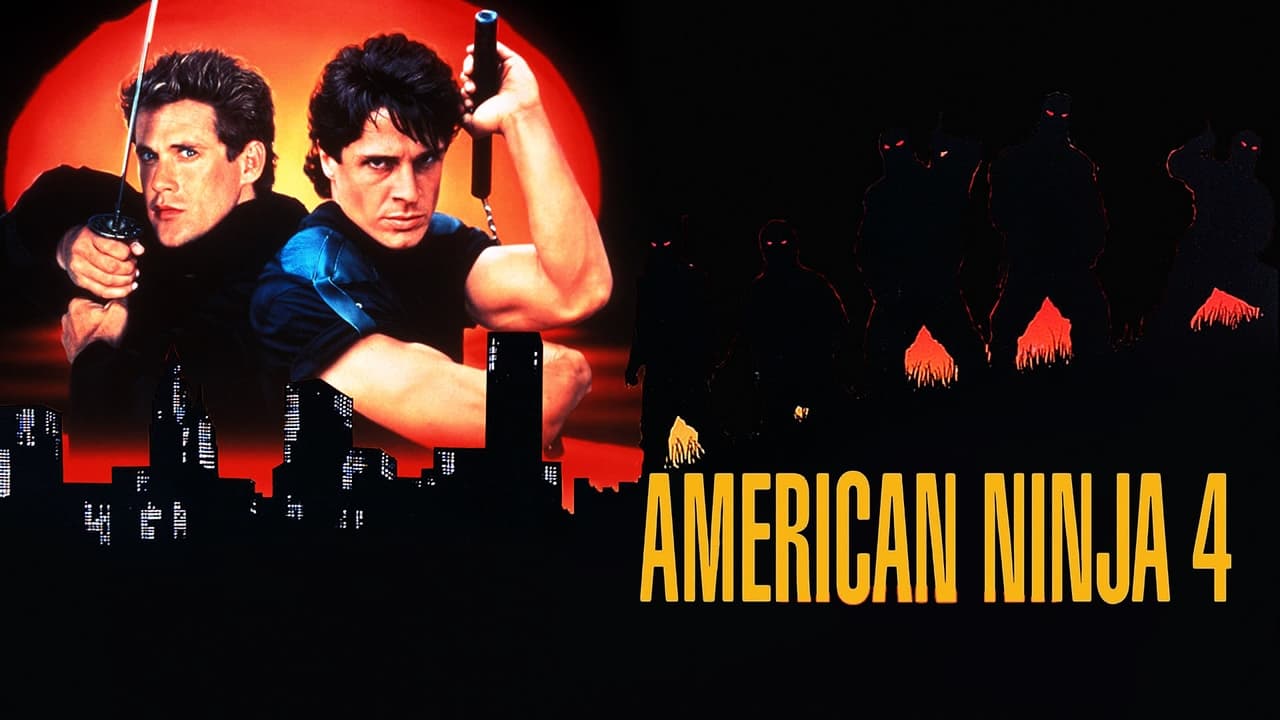
Alright, fellow tapeheads, let’s rewind to a glorious time when ninja movies were everywhere. Flickering across countless CRT screens late at night, fueled by pizza and questionable fizzy drinks, was a seemingly endless supply of black-clad assassins doing impossible flips. And right there, nestled amongst the brighter stars, was the venerable American Ninja franchise. By 1990, Cannon Films (or what remained of its spirit under different banners like Breton Film Productions here) wasn't exactly aiming for Oscar gold, but they knew what we wanted: more ninjas! Which brings us to the wonderfully bizarre spectacle that is American Ninja 4: The Annihilation.
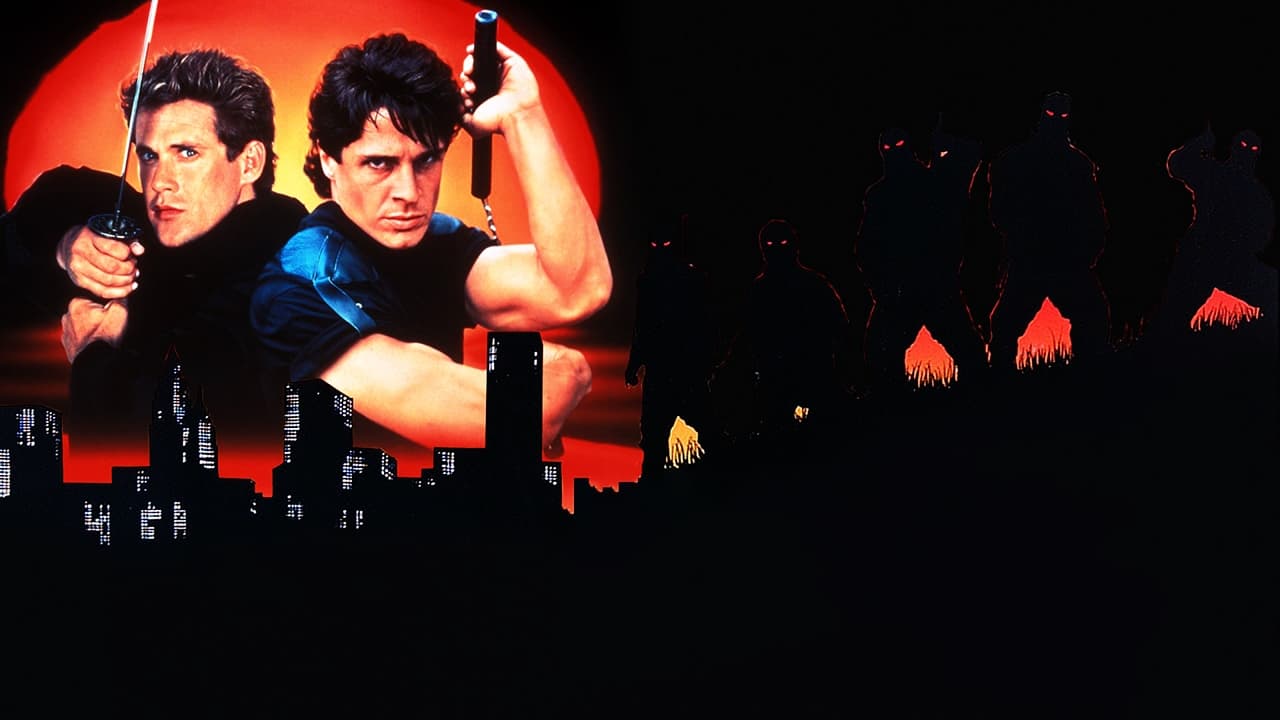
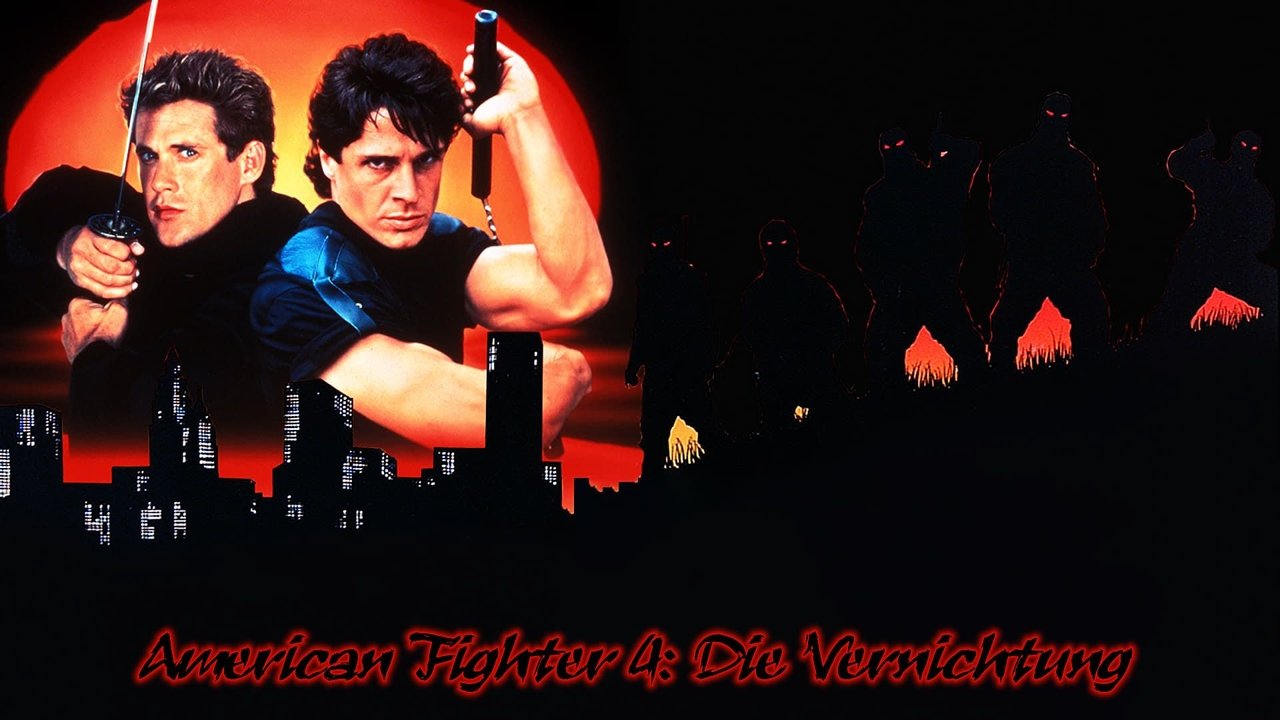
This wasn't just another sequel; it felt like an event, albeit a slightly strange one whispered about in the aisles of Blockbuster. Why? Because after sitting out part 3, the original American Ninja himself, Michael Dudikoff as Joe Armstrong, was back! But wait, didn't David Bradley take over as Sean Davidson in American Ninja 3: Blood Hunt? Yes, he did. And Annihilation pulls the truly bonkers move of bringing both American Ninjas together. It’s the kind of team-up only the direct-to-video market could dream up, and honestly, bless its cotton socks for trying.
Double the Ninjas, Double the... Well, Something
The plot, as you might expect, is pure '80s/'90s action boilerplate, delivered with earnest conviction. A team of Delta Force commandos gets ambushed and captured in Africa (actually the distinctive landscapes of Lesotho standing in for a fictional territory) by a rogue British officer, Mulgrew (James Booth), and his army of multi-coloured ninjas (!). Their nefarious goal involves a kidnapped scientist and a suitcase nuke – standard stuff. Naturally, the CIA sends in Sean Davidson (David Bradley) to sort it out. When he gets captured (whoops), there's only one man they can turn to: Joe Armstrong (Michael Dudikoff), coaxed out of retirement from his quiet life as a teacher.
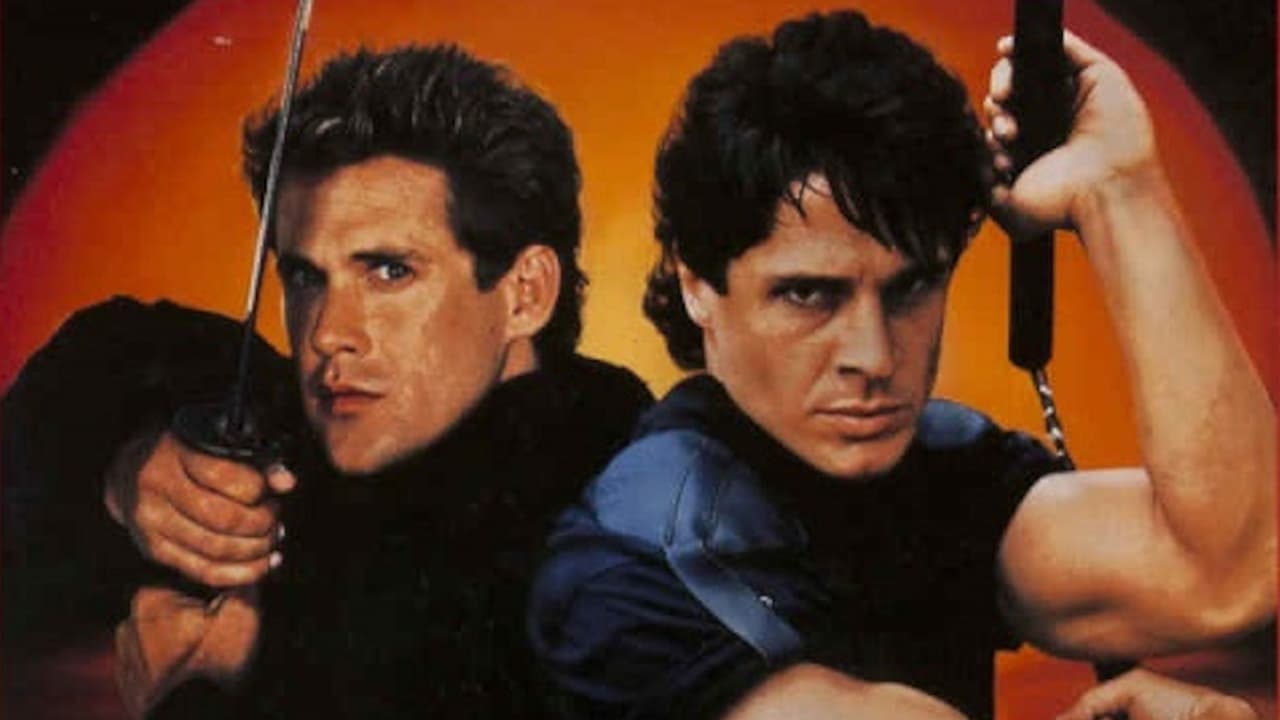
Now, let's talk about that dual-hero dynamic. It's... interesting. David Bradley, who carried the previous installment, gets a decent amount of screen time early on, showcasing his martial arts skills before inevitably getting nabbed. Then, the film pivots to bring back Joe. Michael Dudikoff reportedly agreed to return only for a limited role to help the film, and it shows. He doesn't appear until well into the second act, looking appropriately stoic and world-weary. His arrival definitely injects some nostalgic energy, but the promised team-up doesn't quite deliver the epic buddy-action chemistry you might hope for. They spend more time fighting towards each other than with each other until the very end. Still, seeing both franchise leads on the same box art? That alone was probably worth the rental fee back in the day.
That Glorious Low-Budget Mayhem
Directed by Cedric Sundstrom, who also helmed American Ninja 3, the film knows exactly what it is. It delivers action, action, and more action, albeit on a noticeably tighter budget than the earlier entries. But this is where the VHS charm shines through. Forget slick CGI – this is the era of glorious practical effects! We get plentiful explosions, often looking genuinely dangerous. Squibs erupt with satisfying pops and splatters of fake blood when guys get shot. Remember how tangible those bullet hits felt? They weren't perfect, but they had a weight that digital effects sometimes lack.
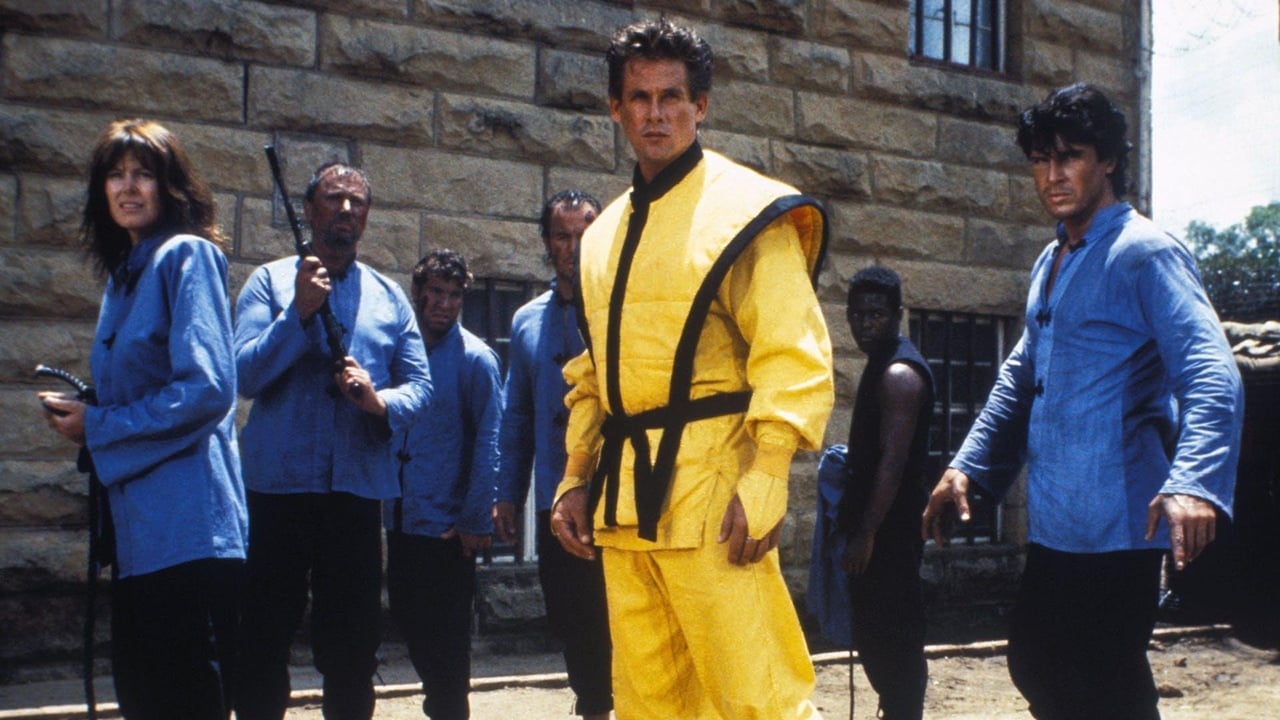
The fight choreography is energetic, if not always graceful. There are hordes of ninjas – black ninjas, red ninjas, yellow ninjas – scaling walls, flipping around, and generally getting dispatched in satisfyingly large numbers by our heroes. It's often chaotic, sometimes clumsy, but always committed. You see real stunt performers taking real falls (maybe onto strategically placed cardboard boxes, but still!). There's a raw, unpolished quality to the action that feels incredibly authentic to the period. You can almost smell the cordite and the sweat. It’s a world away from the hyper-edited, physics-defying sequences common today; here, the effort, and sometimes the limitations, are right there on screen.
Booth Pulls Double Duty
A special mention has to go to James Booth. Not only does he chew the scenery with delightful villainous gusto as the treacherous Colonel Mulgrew, complete with a plummy accent and penchant for torture, but he also co-wrote the screenplay! It adds a layer of charming B-movie trivia knowing the guy barking orders and sneering at the heroes also helped craft the dialogue. His performance is exactly the kind of larger-than-life antagonist these films thrived on.
The film soldiers on with a relentless pace, never pausing too long for pesky things like character development or intricate plotting. It knows its audience wants sword fights, machine guns, and daring escapes, and director Sundstrom delivers them with workmanlike efficiency. Was it a box office smash? Heavens no, this was prime straight-to-video fodder. Critics likely scoffed (if they noticed it at all), but for fans craving another dose of ninja action, it scratched that itch on a Friday night.
***
VHS Heaven Rating: 5/10
Justification: Look, American Ninja 4: The Annihilation is objectively not a great film. The plot is thin, the acting is variable (though Booth is fun), and the production values scream 'made for video'. However, it earns points for the sheer audacity of the Dudikoff/Bradley team-up (even if underutilised), the relentless, practically-achieved action, and its unpretentious commitment to being exactly what it is: a late-entry slice of ninja exploitation cinema. It delivers the promised goods, albeit clumsily, and the nostalgic value for fans of the era is undeniable. It’s cheesy, repetitive, and utterly charming in its low-budget ambition.
Final Thought: It’s the cinematic equivalent of finding that worn-out tape at the back of the shelf – you know it’s not high art, but the crackle of the tracking adjustment and the sight of ninjas flipping over exploding huts feels undeniably like coming home. Essential? No. Fun, if you’re in the right mood? Absolutely.