Alright, fellow tapeheads, let’s rewind to 1993. Picture this: you’re wandering the aisles of Blockbuster, the scent of popcorn and plastic in the air. You spot a familiar face – Whoopi Goldberg. Then another – Ted Danson. And hey, isn't that the kid from The Fresh Prince? The box promises a high-concept comedy, the kind studios churned out with gusto back then. The movie? Made in America. And grabbing that tape felt like settling in for a guaranteed dose of early 90s laughs, maybe even a little heartwarming chaos.
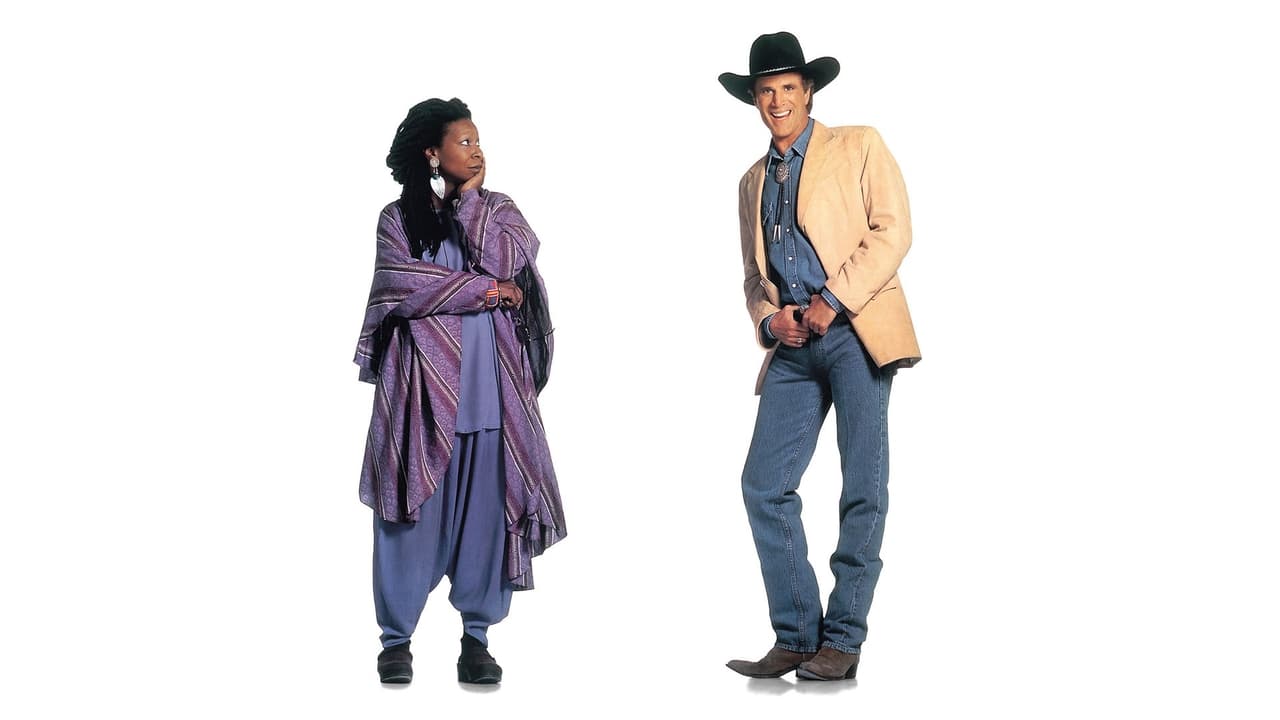
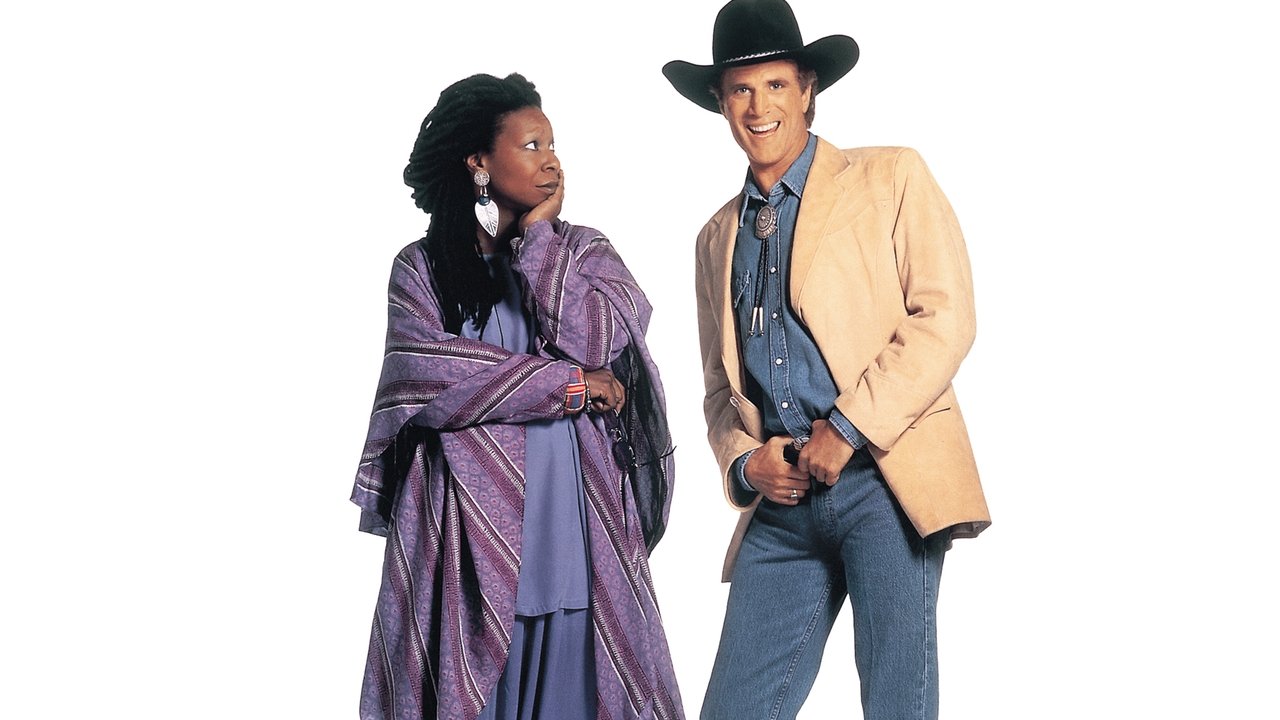
This wasn't just any star pairing; it was the star pairing of the moment. Whoopi Goldberg and Ted Danson were famously an item off-screen, adding a layer of tabloid intrigue that you simply couldn't ignore when you saw them together on the poster. Did that real-life buzz translate into on-screen magic? Well, that’s part of the fun of revisiting this one.
### A Premise Only the 90s Could Cook Up
The setup is pure sitcom gold stretched to feature length: Sarah Mathews (Whoopi Goldberg) is a fiercely independent Afrocentric bookstore owner in Oakland. Her smart, curious daughter Zora (Nia Long, effortlessly charming) discovers through a science project that her mother used a sperm bank. Curiouser still, a database mix-up reveals her biological father isn't the anonymous, intelligent Black man Sarah requested, but rather… Hal Jackson (Ted Danson), a loud, slightly crass, very white, and very successful local car salesman. Cue the culture clash, the awkward encounters, and the inevitable thawing of frosty relations. It's a concept so perfectly tailored for its stars and the era, you can almost hear the pitch meeting.
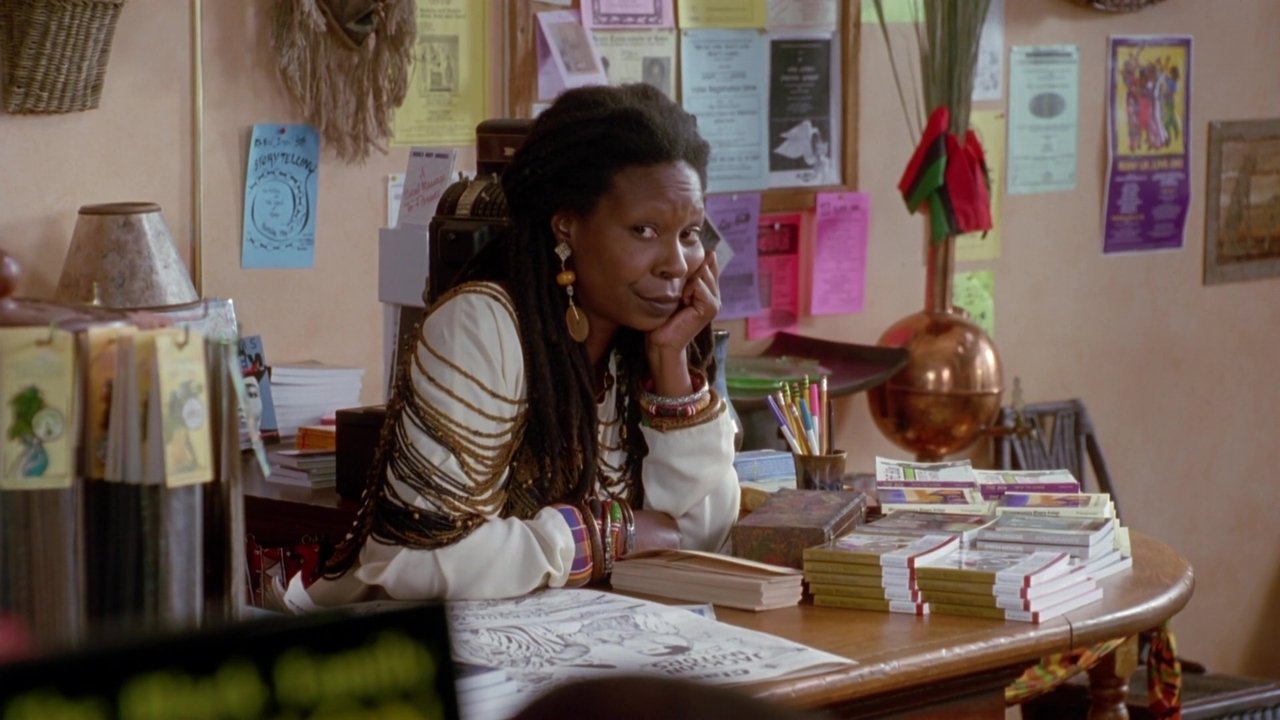
The script, credited to Holly Goldberg Sloan (who’d later pen Angels in the Outfield), Marcia Brandwynne, and Nadine Schiff, leans heavily on the comedic friction between Goldberg's proud, intellectual Sarah and Danson's boisterous, P.T. Barnum-esque Hal. Does it always land? Maybe not. Some jokes feel a bit broad, a bit predictable even by 90s standards. But the energy between the leads often carries it through. Goldberg brings her trademark wit and warmth, grounding Sarah even when the situations get outlandish. Danson, freed from the sophisticated confines of Cheers, dives headfirst into Hal’s larger-than-life persona, chewing scenery with infectious gusto. It's watching him try to "relate" to Sarah and Zora's world that provides many of the film's genuine chuckles.
### Spot the Future Megastar
And then there's Will Smith. Billed third, playing Zora's best friend Tea Cake Walters, this is pre-blockbuster, Fresh Prince-era Smith. He’s bursting with the charisma that would soon make him one of the biggest movie stars on the planet. Tea Cake isn't a massive role, mostly providing reaction shots and comic relief alongside Zora, but Smith absolutely pops off the screen. You watch him and just know bigger things are coming. It’s fascinating to see him here, honing his comedic timing before Bad Boys (1995) and Independence Day (1996) launched him into the stratosphere. Retro Fun Fact: Smith was juggling his TV show and budding film career, and Made in America was a key step in proving his big-screen appeal outside of action roles.
Director Richard Benjamin, a reliable hand with comedy (My Favorite Year, Mermaids), keeps things moving at a breezy clip. He understands the assignment: showcase the stars, deliver the laughs, and wrap it up with a warm, fuzzy feeling. The film doesn't delve too deeply into the racial or cultural complexities it raises, opting instead for a lighter, more optimistic touch typical of mainstream comedies of the time. It’s content to be entertaining rather than overly profound. Retro Fun Fact: Much of the film was shot on location in Oakland, California, adding a layer of authenticity to Sarah's world and Hal's flashy dealership empire. Those dealership scenes? Filmed at actual working car lots, giving them that authentic, slightly chaotic energy.
### That Video Store Comfort Food Vibe
Watching Made in America now feels like slipping into a comfortable old sweatshirt. It’s familiar, perhaps a little worn around the edges, but undeniably cozy. The fashion screams early 90s, the soundtrack has that pleasant lite-FM vibe, and the plot resolves exactly how you expect it to. Critics back in '93 were somewhat lukewarm – it didn't exactly reinvent the wheel, pulling in mixed reviews (hovering around a 32% on Rotten Tomatoes today, which feels about right for its critical standing then too). But audiences? They turned up. The film pulled in over $100 million worldwide on a reported $22 million budget, proving the star power and relatable (if slightly silly) premise connected. It found a solid second life on VHS, becoming one of those titles you saw constantly on the rental shelves – a reliable pick for a Saturday night.
Does it hold up perfectly? Of course not. Some gags feel dated, and the central conflict resolves perhaps a bit too neatly. But there’s an undeniable charm here, fueled by the likable cast and the sheer earnestness of its execution. It’s a snapshot of a particular moment in Hollywood comedy, where big stars and a wacky premise were often enough.
VHS Heaven Rating: 6/10
Justification: The rating reflects the undeniable charm and star power, particularly the Goldberg/Danson dynamic and an early glimpse of Will Smith's potential. It was a solid hit and a popular rental for a reason. However, it loses points for its predictable plot, sometimes broad humor, and reluctance to explore its themes with more depth. It's enjoyable, but definitely a product of its time rather than a timeless classic.
Final Take: Made in America is like that favorite cassette single you played until the tape warped – maybe not the greatest song ever recorded, but brimming with a specific, smile-inducing 90s energy that hits the spot when you're in the mood for pure, unadulterated video store comfort food.