Okay, pull up a comfy chair, maybe pour yourself something that isn't quite as chaotic as the film's title implies, and let's talk about a real curveball from the late 80s Polish film scene: Kogel Mogel (1988), sometimes found floating around under the somewhat baffling English title "Egg Nogg". This isn't your typical Hollywood blockbuster fare, folks. Instead, it’s a sharp, funny, and surprisingly resonant look at a society teetering on the edge of massive change, all wrapped up in the guise of a fish-out-of-water comedy. It’s the kind of gem you might have stumbled upon in the 'Foreign Language' section of a particularly well-stocked video store, a delightful discovery that offered a window into a world both familiar and distinctly different.
A Village Escape, A Warsaw Embrace?
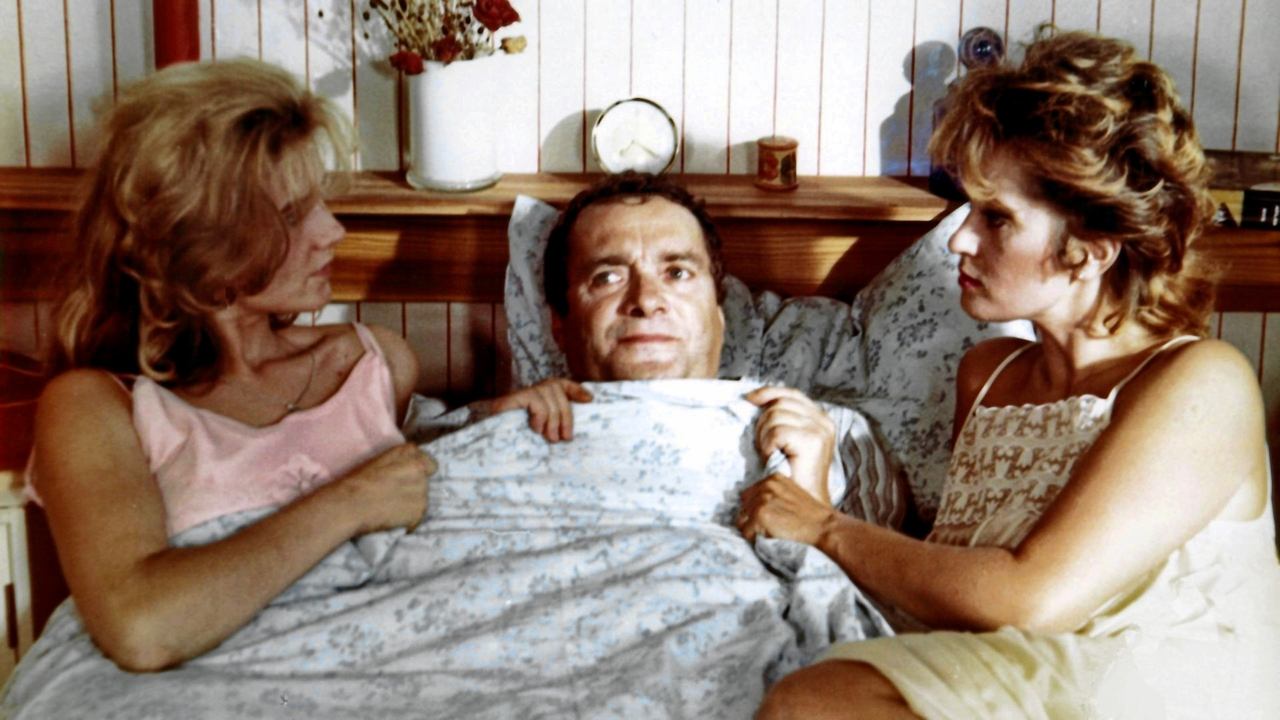
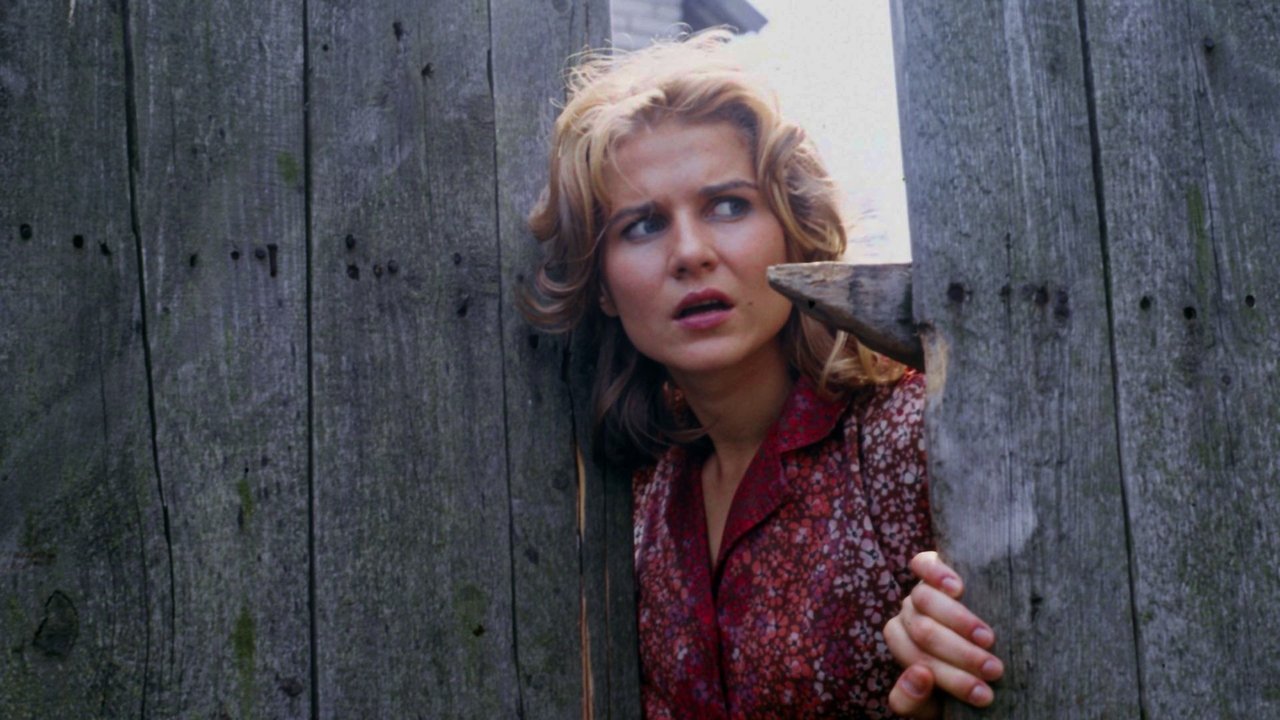
The setup is classic, yet infused with a specific cultural flavour. We meet Katarzyna Solska, or Kasia (Grażyna Błęcka-Kolska), a bright young woman from a rural village who's just aced her university entrance exams for pedagogy in Warsaw. Her traditional parents, however, have other plans: an arranged marriage to a well-off, but rather dull, local boy. Facing a future she desperately doesn't want, Kasia does what any sensible, ambitious young woman would do – she bolts. She flees the suffocating expectations of village life for the anonymity and opportunity of the capital. But finding accommodation and navigating the complexities of the big city prove challenging, leading her to take a job as a live-in nanny for the Wolańskis, a couple embodying the often-comical aspirations and anxieties of Poland's late-communist era nouveau riche.
Welcome to the Wolański Whirlwind
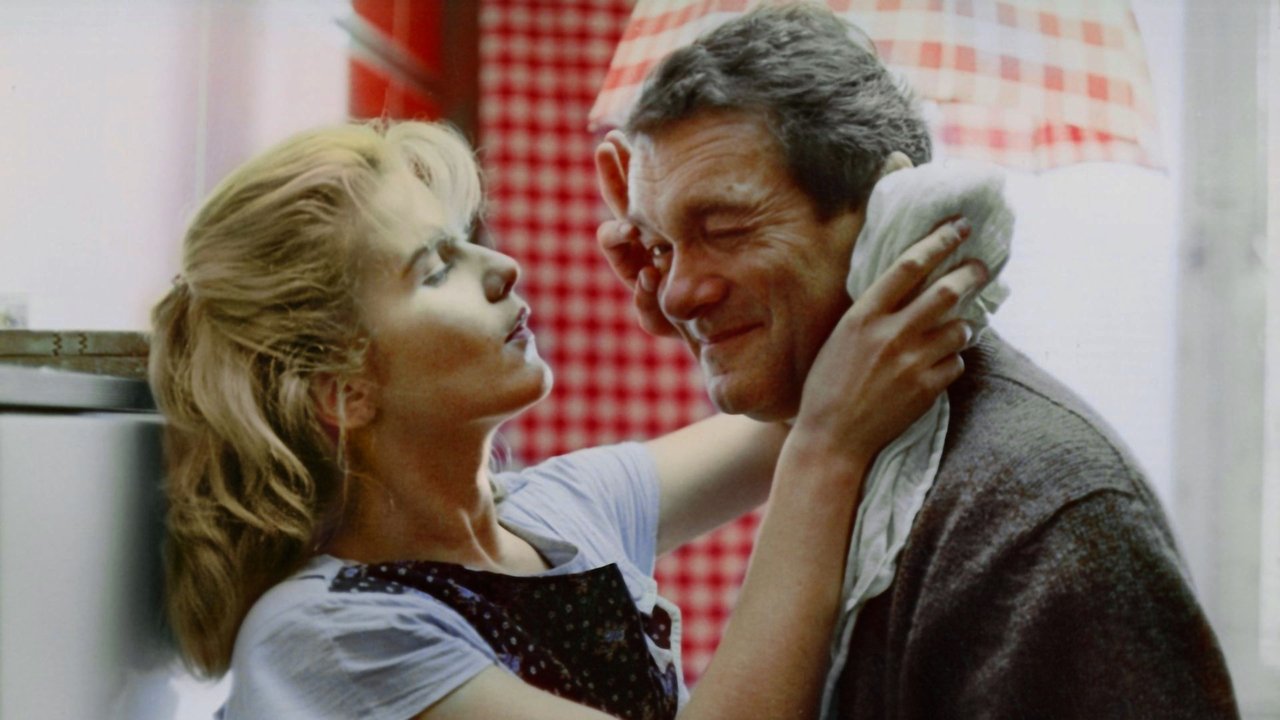
And oh, the Wolańskis. Here lies the comedic engine of the film. Barbara Wolańska, played with unforgettable, high-strung flair by Ewa Kasprzyk, is a force of nature. She's a university docent obsessed with appearances, social climbing, and controlling every aspect of her environment, including her perpetually flustered husband, Marian (Zdzisław Wardejn), and their precocious, slightly spoiled son, Piotruś. Kasprzyk doesn't just play Barbara; she inhabits her, turning stress, ambition, and a peculiar brand of theatrical despair into comedic gold. Her performance became legendary in Poland, launching countless quotes into everyday language. It's a masterclass in portraying neurosis not just for laughs, but as a reflection of the societal pressures and absurdities of the time. Watching Marian navigate his wife’s moods while trying to maintain some semblance of normalcy is equally amusing, a portrayal of marital diplomacy under extreme conditions.
Kasia: The Eye of the Storm
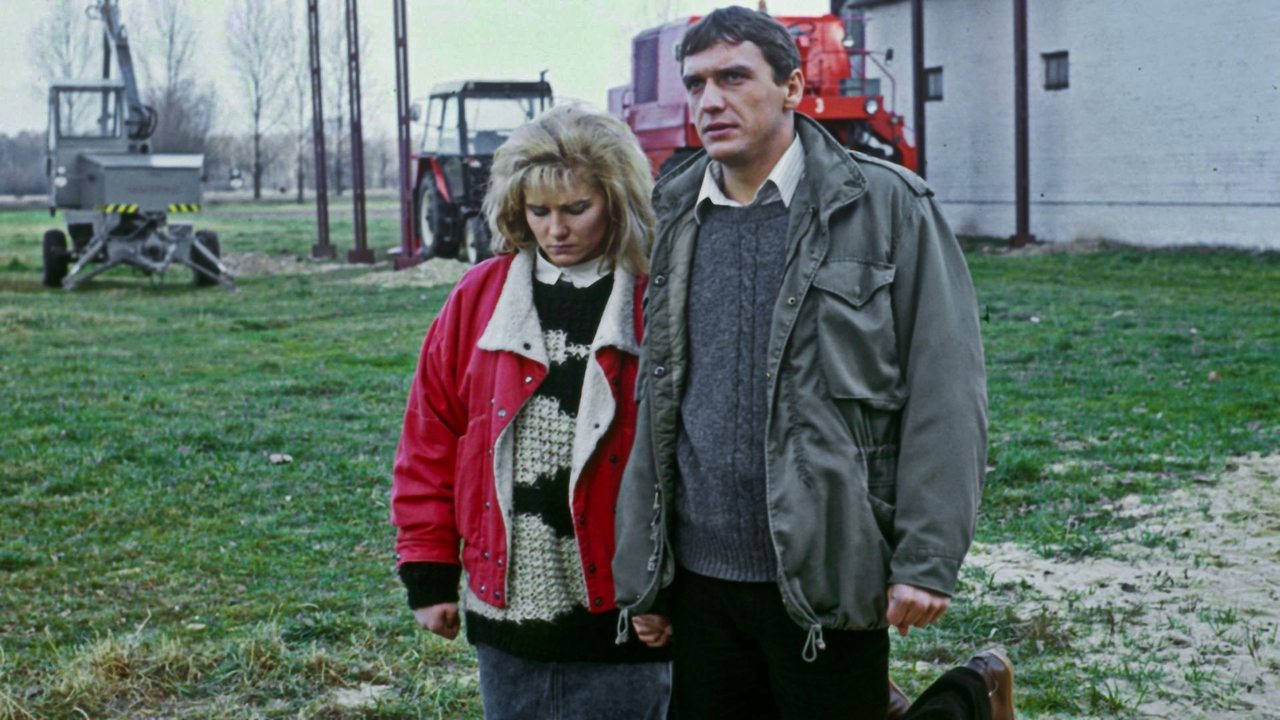
Against this backdrop of domestic chaos stands Kasia. Grażyna Błęcka-Kolska gives her a quiet strength and inherent decency that makes her instantly relatable. She’s not just a naive country girl; she’s intelligent, observant, and possesses a moral compass that often seems entirely alien within the Wolański household. She’s the audience's anchor, navigating the eccentricities of her employers and the challenges of city life with a resilience born from her desire for self-determination. Her journey isn't just about escaping an unwanted marriage; it's about finding her own identity and voice amidst conflicting values – the traditional expectations of her past and the often bewildering aspirations of her present. Doesn't that struggle resonate, regardless of the specific cultural context?
A Satire Sharpened by Time
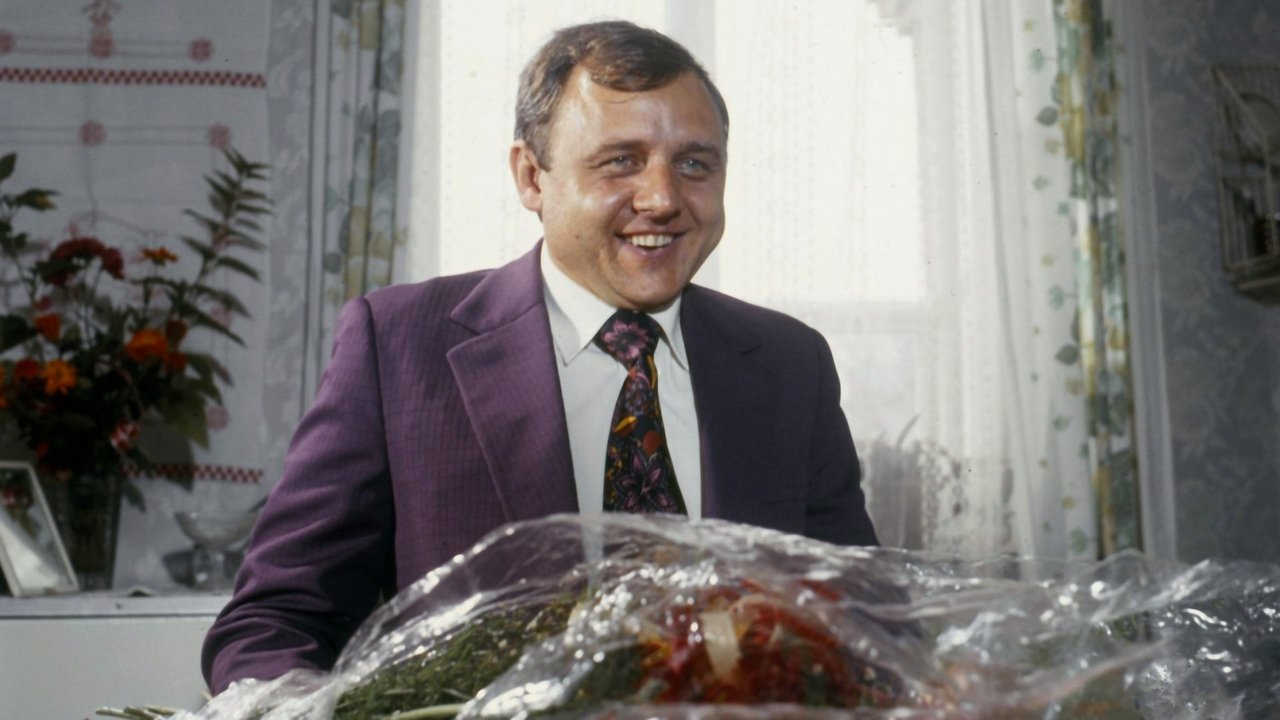
Directed by Roman Załuski, who co-wrote the sharp script with Ilona Łepkowska (later a powerhouse in Polish television writing), Kogel Mogel functions beautifully as a social satire. It gently, but pointedly, skewers the pretensions of the urban elite, the generation gaps, the clash between rural pragmatism and city anxieties, and the subtle hypocrisies woven into the fabric of late-period Polish communism. There's a palpable sense of a society caught between eras, yearning for modernity while grappling with shortages and ingrained traditions. The film captures this atmosphere not through heavy-handed commentary, but through observant character interactions and witty dialogue. Watching it now, decades removed, there's an added layer – a snapshot of a specific historical moment, preserved with humour and affection. I recall finding a copy years ago, perhaps sourced from a relative or a specialty store, and being struck by how funny it was, despite the cultural specifics. The human elements – family dynamics, personal ambition, the search for belonging – are universal.
The Enduring Charm of Authenticity
Visually, Kogel Mogel looks very much like a late 80s Eastern European film – not glossy, perhaps a little drab by today's standards, but utterly authentic. This lack of Hollywood sheen actually enhances its charm on VHS, grounding the story in a tangible reality. It feels lived-in. The production wasn't lavish, but the focus was clearly on character and script, and it paid off immensely. The film was a colossal success in Poland, striking a chord with audiences who saw their own lives and neighbours reflected in its characters. Its popularity led directly to a sequel, Galimatias, czyli kogel-mogel II, released just a year later in 1989, reuniting the beloved cast. The fact that further sequels emerged decades later (in 2019 and 2022) speaks volumes about the original's enduring place in Polish pop culture.
Rating: 8/10
This score reflects Kogel Mogel's brilliance as a sharp, character-driven comedy and insightful social satire within its specific context. While perhaps less known internationally, its pitch-perfect performances (especially the iconic Ewa Kasprzyk), witty script, and affectionate portrayal of a society in flux make it a standout. It balances humour with genuine heart, anchored by Grażyna Błęcka-Kolska's relatable central performance. It loses a couple of points only because some cultural nuances might require context for non-Polish viewers, but the core comedy and human drama are universally accessible and utterly charming.
For fans of world cinema, sharp comedies, or simply those curious about life behind the Iron Curtain just before it fell, Kogel Mogel is a delightful discovery. It reminds us that laughter, and the desire for a life of one's own choosing, truly know no borders. It leaves you wondering: how many other wonderful, witty slices of life from around the world sat waiting on those video store shelves, ready to surprise us?