Alright, fellow tape enthusiasts, gather ‘round the flickering glow of the CRT. Tonight, we're dusting off a gem that might not have the explosions of Die Hard or the neon sheen of Miami Vice, but possesses a charm and wit uniquely its own. Let's slide in that well-worn cassette of Vicco von Bülow's 1988 directorial debut, Ödipussi – a film that proves sophisticated awkwardness can be just as captivating as a high-octane car chase, especially when viewed through the warm fuzz of analog playback.
For many German households in the late 80s and 90s, this tape was practically furniture, wasn't it? Found nestled between family holiday recordings and maybe a copy of Dirty Dancing. Ödipussi wasn't just a movie; it was a cultural event, born from the unique comedic genius of its creator, better known simply as Loriot.
### The Man, The Myth, The Möbelgeschäft
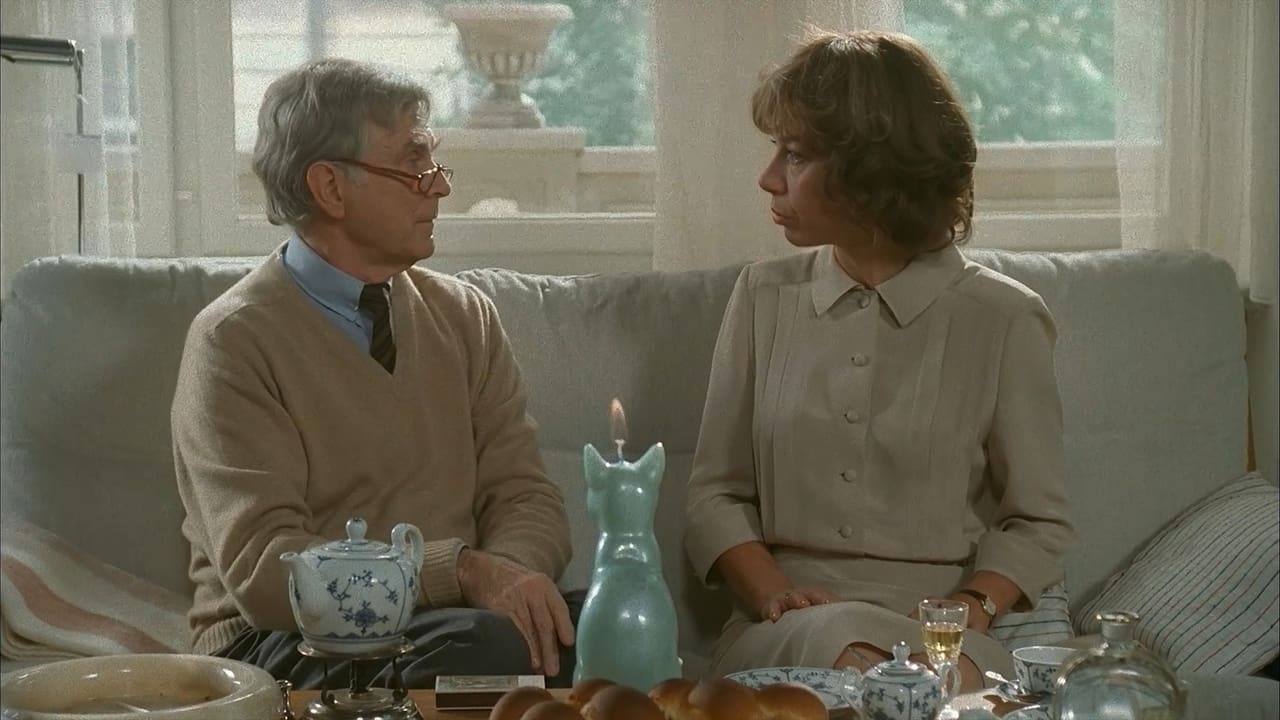
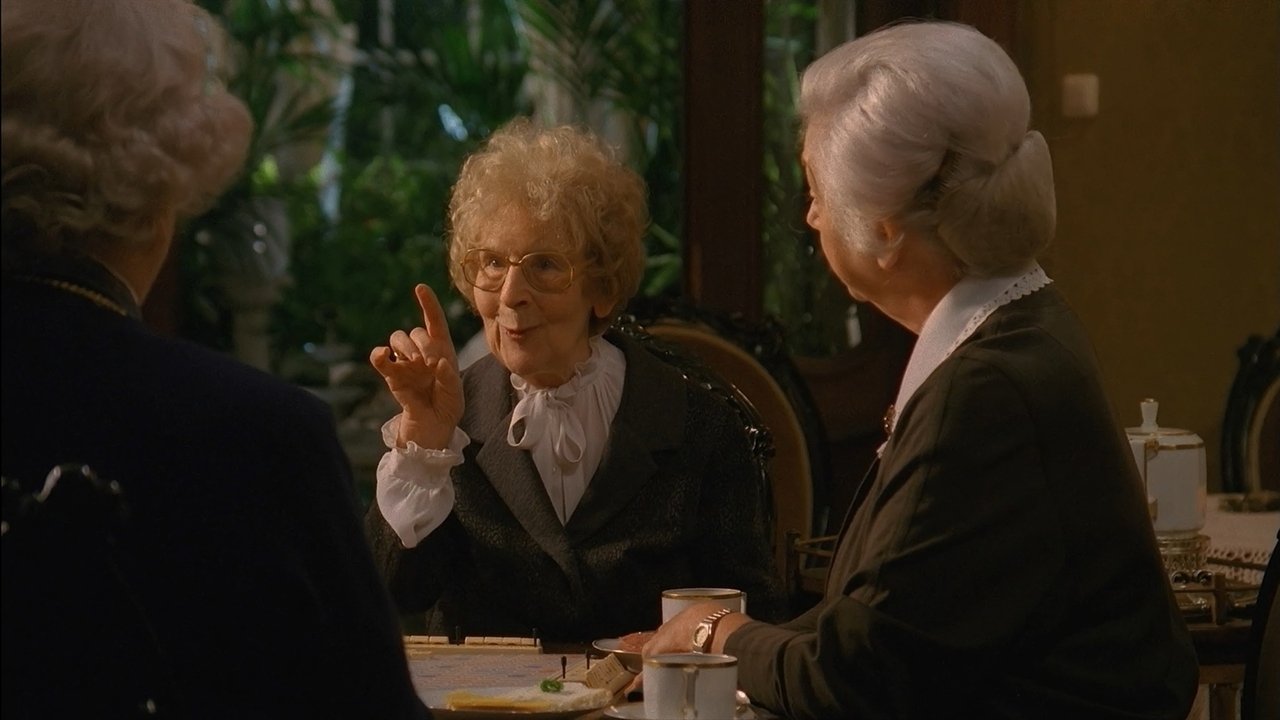
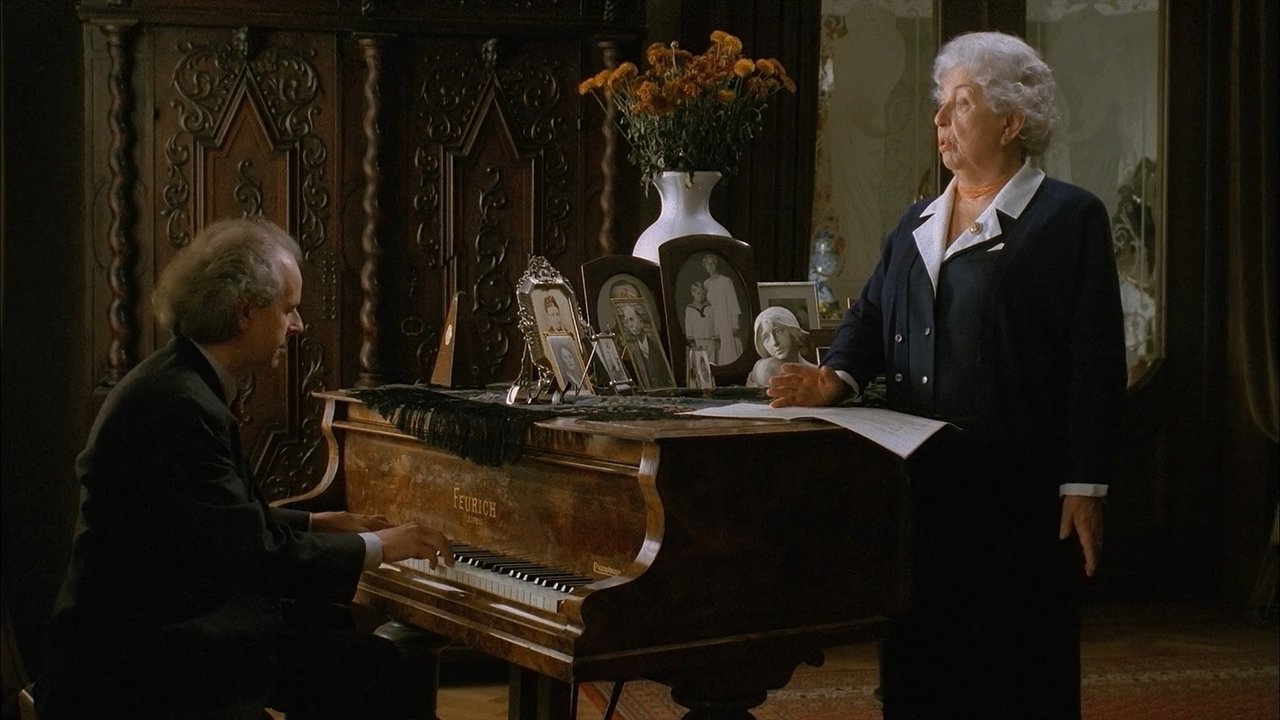
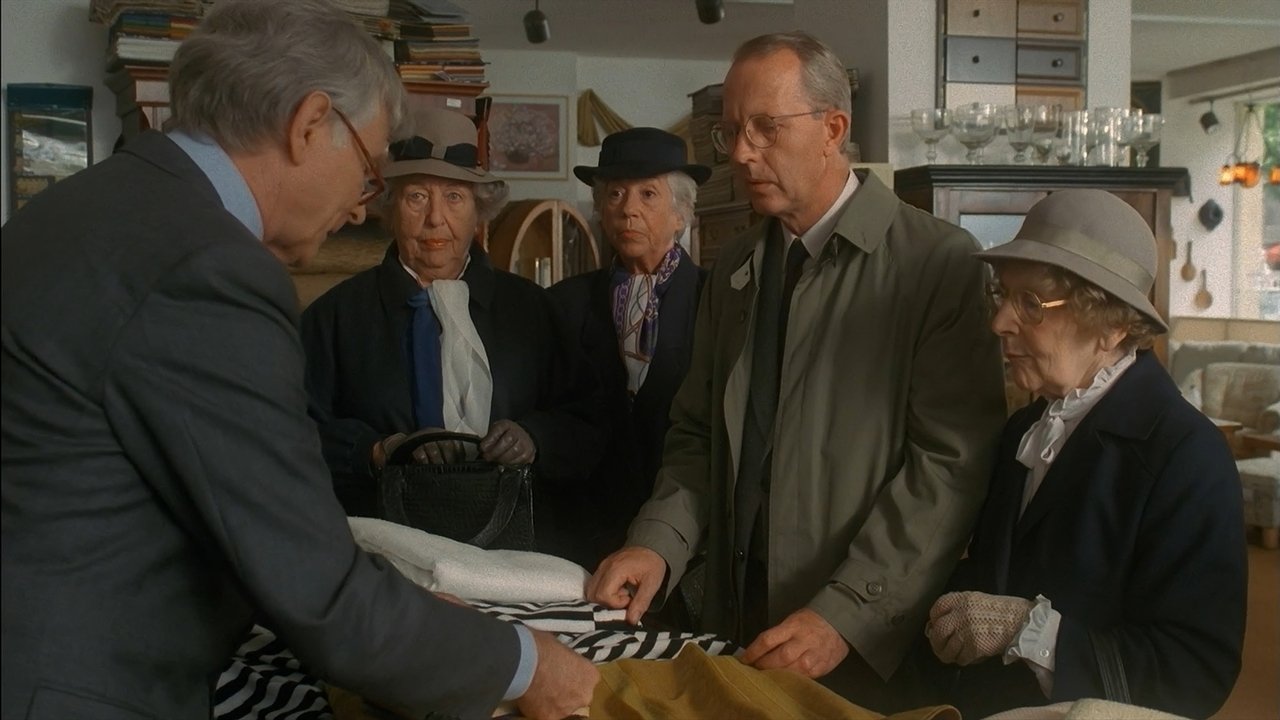
At the heart of Ödipussi is Paul Winkelmann (Vicco von Bülow himself), the impeccably dressed, meticulously mannered, 56-year-old owner of a family furniture and decoration business. Paul lives a life of quiet routine, punctuated by the comforting, yet utterly suffocating, presence of his mother (Katharina Brauren, in a performance of monumental passive aggression). She lays out his clothes, manages his social life (or lack thereof), and generally ensures Paul remains firmly tethered to her apron strings. It's a dynamic played not for broad laughs, but for excruciatingly funny, relatable discomfort.
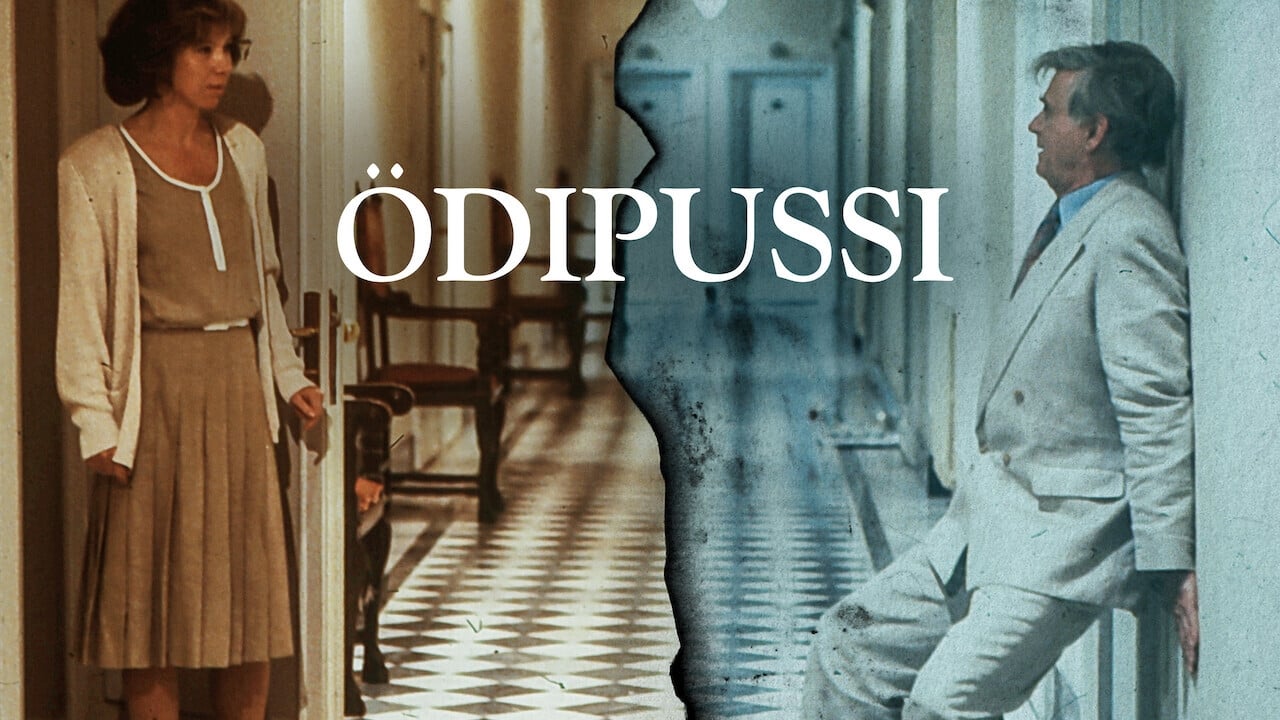
Loriot, already a national treasure in Germany for his legendary television sketches and iconic animated characters (Wum and Wendelin, anyone?), brought his signature style – observational humour based on the absurdities of bourgeois etiquette and communication breakdown – to the big screen. Retro Fun Fact: Loriot financed a significant portion of the film's roughly 7 million Deutsche Mark budget himself, retaining immense creative control. This personal investment shines through; Ödipussi feels precisely like a Loriot sketch expanded, maintaining its distinct rhythm and visual precision.
### Enter Margarethe: A Study in Calculated Chaos
Paul's meticulously ordered, mother-dominated world is gently disrupted by the arrival of Margarethe Tietze (Evelyn Hamann), a similarly aged, professionally focused psychologist. Their meeting is anything but a whirlwind romance; it's a series of hilariously stilted encounters, misunderstandings, and failed attempts at connection, all observed with Loriot's keen eye for social awkwardness. Evelyn Hamann, Loriot's long-time comedic partner from his TV work, is simply perfect. Her chemistry with von Bülow is a masterclass in deadpan delivery and subtle physical comedy. They don't need slapstick; a shared glance or a slightly-too-long pause speaks volumes.
Remember those agonizingly polite conversations where no one quite says what they mean? Ödipussi elevates that to an art form. The dialogue is a minefield of misinterpreted pleasantries and unintentional insults, often leading to situations that are simultaneously embarrassing and hysterical. Retro Fun Fact: Much of the filming took place in Berlin and, for the Italian sequences, in Rome and Cerveteri. The contrast between the stiff German settings and the slightly more chaotic Italian backdrop subtly underscores the characters' internal struggles.
### More Than Just Mother Jokes
While the Oedipal complex hinted at in the punny title (Ödipus + Pussi = Ödipussi) is central, the film is broader than just "mama's boy" jokes. It's a gentle satire of middle-class aspirations, the anxieties of aging, and the desperate, often clumsy, search for companionship. Loriot doesn't mock his characters; he observes them with a kind of affectionate exasperation. Even Frau Winkelmann, the seemingly domineering mother, is portrayed with a layer of vulnerability beneath the controlling facade.
The film’s pacing is deliberate, mirroring the careful, measured lives of its protagonists. There are no frantic cuts or booming soundtracks here. Instead, the humour builds slowly, relying on impeccably timed reactions and visual gags often hidden in the background details of Paul's meticulously arranged apartment or shop. It requires patience, perhaps more than modern comedies demand, but the payoff is a richer, more rewarding chuckle. Think of it as the comedic equivalent of a perfectly aged wine, savoured rather than gulped.
Retro Fun Fact: Ödipussi was a massive box office success in Germany, drawing nearly 5 million viewers – a testament to Loriot's immense popularity and the resonance of his humour. It even spawned a successful sequel, Pappa Ante Portas (1991), reuniting von Bülow and Hamann.
### The Verdict on This Slice of Teutonic Wit
Watching Ödipussi today feels like opening a time capsule to late 80s West Germany, capturing its specific aesthetics and social mores with uncanny accuracy. The fashion, the interiors, the sheer politeness of it all feels wonderfully, nostalgically specific. While its humour is deeply rooted in German culture and language (some nuances inevitably get lost in translation), the universal themes of family entanglement and the fumbling search for love remain timeless.
It lacks the pyrotechnics often featured here on VHS Heaven, but its comedic precision and perfectly calibrated performances offer a different kind of thrill. It’s the thrill of recognition, of seeing human folly depicted with such pinpoint accuracy and understated hilarity.
Rating: 8/10
Why the score? Ödipussi is a masterfully crafted comedy from a true auteur. Vicco von Bülow directs with the same meticulousness he brings to his performance, and his chemistry with the indispensable Evelyn Hamann is legendary. It’s undeniably German and requires a certain wavelength, but for observational wit and perfectly timed awkwardness, it’s a classic. Points are only slightly tempered by its very specific cultural context, which might make it less immediately accessible to some international viewers unfamiliar with Loriot's work, but its quality is undeniable.
Final Thought: Forget the explosions; sometimes the most satisfying bang comes from the deafening silence following a perfectly delivered, utterly awkward line. Ödipussi is proof that quiet comedy can echo just as loudly through the halls of VHS Heaven.