Okay, fellow tape travellers, dim the lights, maybe pour yourself something warm, and let's journey back. Not just to the familiar comfort of a well-worn VHS cassette, but high into the breathtaking, desolate beauty of the Himalayas. Today, we're revisiting Tintin in Tibet, the remarkably poignant two-part adventure from the celebrated 1991-1992 animated series, The Adventures of Tintin.
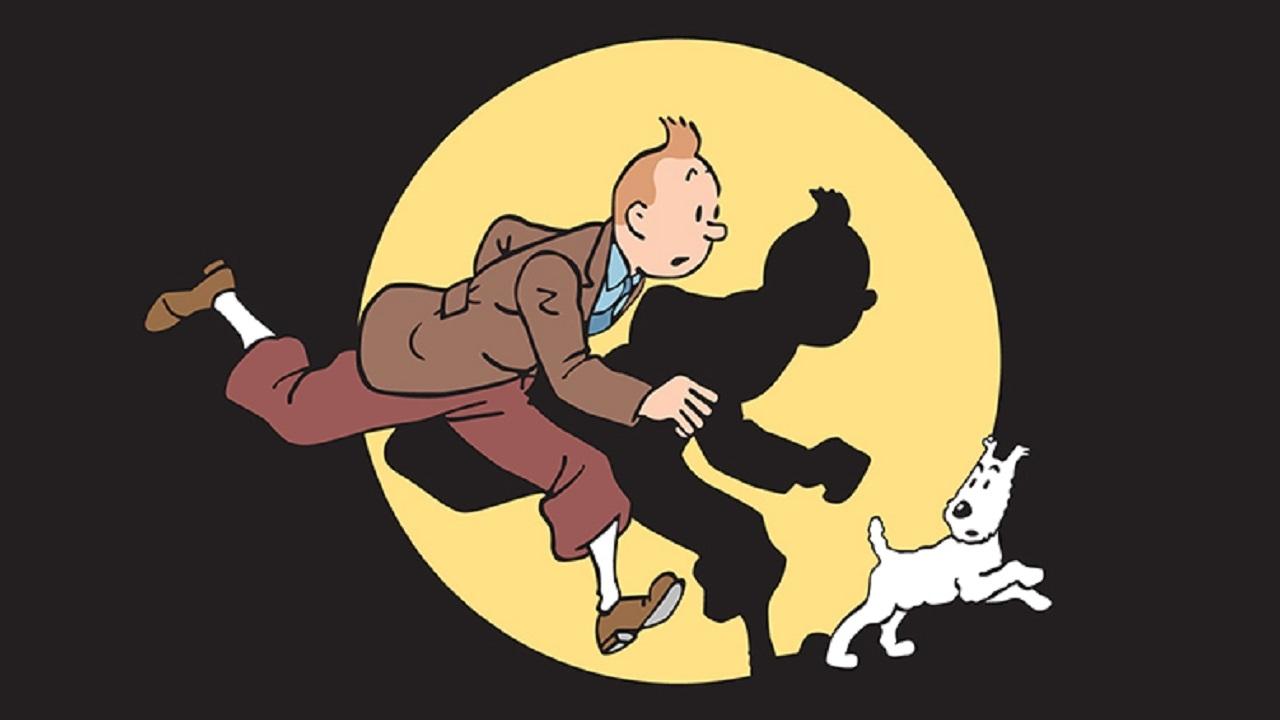
While many Tintin tales burst with colourful villains and globe-trotting espionage, this one resonates on a different frequency. It first aired in 1992, bringing one of creator Hergé's most personal and profound stories to our CRT screens. There’s a quiet intensity here, a focus on friendship, loss, and unwavering hope against seemingly insurmountable odds that sets it apart. I remember catching these episodes, perhaps nestled between other Saturday morning cartoons, and being struck by how different it felt – less about chasing criminals, more about chasing a ghost of a friend.
### A Quest Born of Faith
The setup is simple yet deeply moving: Tintin, enjoying a holiday with Captain Haddock and Professor Calculus, is suddenly plagued by a vivid nightmare of his young friend Chang Chong-Chen, lost and calling for help in the wreckage of a plane crash in the Himalayas. Despite official reports declaring no survivors, Tintin’s conviction is absolute. Chang is alive. This unshakable belief fuels the entire narrative, propelling Tintin, a reluctant but loyal Haddock, and the ever-faithful Snowy on a perilous trek into the treacherous mountains of Tibet.
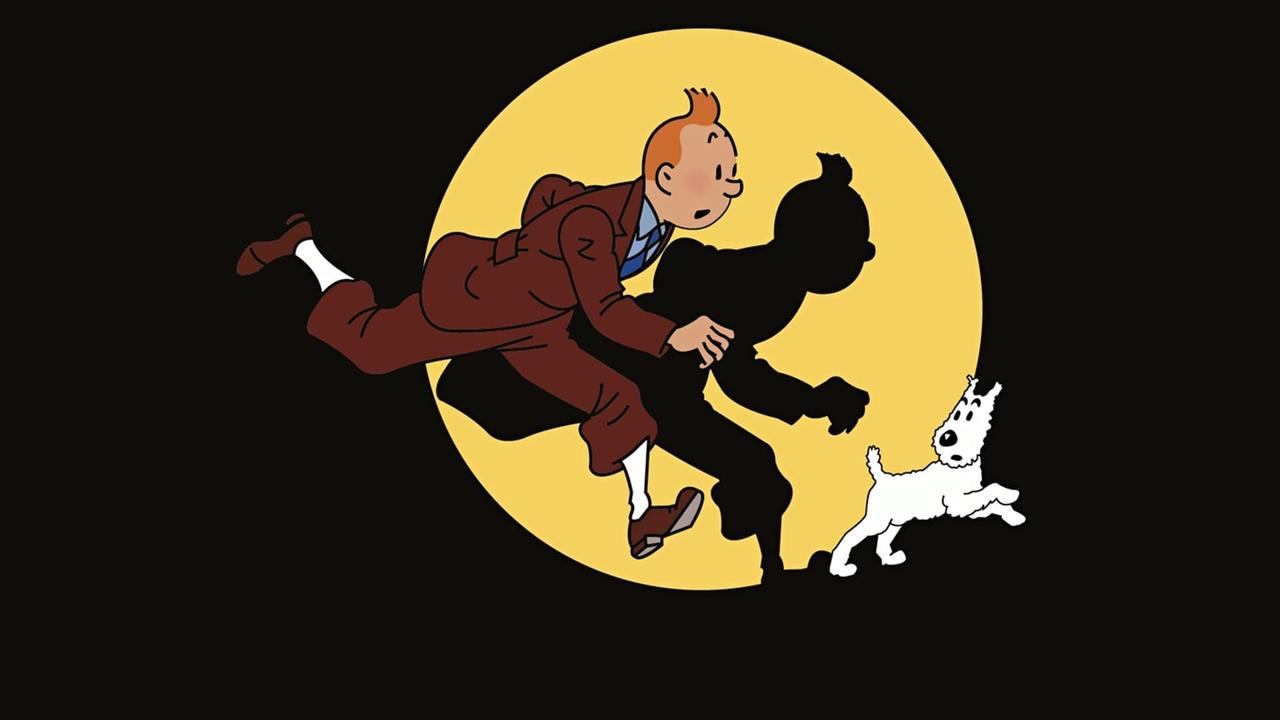
This adaptation, directed by Stéphane Bernasconi and adapted by Robert Réa and Eric Rondeaux among others, masterfully captures the essence of Hergé's original 1960 comic album. It’s widely known that Tintin in Tibet was a deeply cathartic work for Hergé, created during a period of personal turmoil. He resisted pressure to include more conventional villains or plot devices, insisting the story remain focused purely on Tintin’s quest driven by friendship. This purity of purpose shines through brilliantly in the animated version. There are no spies, no hidden treasures – just the vast, indifferent mountains and the burning hope in a young reporter’s heart.
### Bringing Ligne Claire to Life
Visually, the series beautifully translates Hergé's iconic ligne claire ("clear line") art style into animation. The character designs are instantly recognizable, faithful to the decades of comic history. Thierry Wermuth's voice performance as Tintin captures his youthful determination and inherent goodness, while Christian Pelissier delivers Captain Haddock’s blustering loyalty and moments of surprising courage (along with his signature exasperation, "Billions of blistering barnacles!"). And Henri Labussière as Professor Calculus provides his usual delightful dose of oblivious genius.
The animation, handled by Canadian studio Nelvana (known for many beloved 80s and 90s cartoons like Care Bears and Babar), effectively conveys the scale and atmosphere of the Himalayas. The stark white snowscapes, the dizzying heights, the ancient monasteries – it all feels appropriately vast and slightly mystical. While animation technology has obviously advanced leaps and bounds since the early 90s, there's a handcrafted charm here that feels perfectly suited to the source material. The occasional slightly stiff movement feels less like a flaw and more like a respectful nod to the static panels of the comic.
### More Than Just Snow and Sherpas
What truly elevates Tintin in Tibet is its emotional core. Tintin's unwavering loyalty is genuinely touching. Captain Haddock’s journey from grumbling sceptic ("A dream! You drag me halfway around the world chasing a dream!") to steadfast supporter showcases the depth of his own bond with Tintin. Even Snowy gets moments that highlight his bravery and connection to his master.
And then there’s the Yeti. Far from being a simple monster, the Migou (as the Tibetans call it) is presented with surprising sensitivity, reflecting Hergé's nuanced approach. It’s portrayed as a lonely, perhaps misunderstood creature, adding another layer of complexity to this seemingly straightforward rescue mission. This refusal to paint in broad strokes, even with a mythical beast, is part of what makes the story so enduring.
This wasn't a blockbuster animation feature with a nine-figure budget; it was part of a television series aiming for faithful adaptation. Yet, it achieves something remarkably cinematic in its emotional scope and atmospheric consistency. It reminds us that powerful storytelling doesn't always need explosions and elaborate fight sequences. Sometimes, the quiet determination of one person searching for a friend in the face of overwhelming odds is the grandest adventure of all.
### Final Thoughts: A Peak of Animated Storytelling
Tintin in Tibet remains a standout entry not just in the animated series, but in the entire Tintin canon. It’s a testament to the power of friendship, the strength of belief, and Hergé's unique ability to blend adventure with genuine human (and canine!) emotion. Watching it again feels like revisiting an old, cherished friend – comforting, familiar, yet still capable of stirring deep feelings. It might lack the globe-trotting thrills of The Secret of the Unicorn or the sci-fi wonder of Destination Moon, but its emotional resonance is arguably unmatched.
Rating: 9/10
This adaptation is a near-perfect translation of Hergé's most personal work to the screen. It honours the source material's art style, narrative purity, and emotional depth with remarkable fidelity. The animation is clean and effective for its time, the voice acting solid, and the core message timeless. It loses a single point perhaps only for the inherent limitations of early 90s television animation compared to modern features, but its heart is undeniable.
For those misty Himalayan peaks alone, it’s a journey worth taking again and again on your trusty VCR (or digital equivalent!). A true gem from the tail end of the golden age of hand-drawn TV adventure.