It arrives not with a whisper, but with the thunder of marching feet and the chilling gaze of a man destined to forge an empire from chaos. Watching Chen Kaige’s The Emperor and the Assassin (1998) again, especially remembering it from the twilight years of the VHS era, feels less like revisiting a movie and more like unearthing a monumental tapestry, rich with detail, heavy with consequence, and utterly mesmerizing in its ambition. Forget the typical Hollywood historical gloss; this film plunges you headfirst into the brutal, complex machinations of 3rd Century BC China, a time when the dream of unity was painted in shades of blood and betrayal.
### The Weight of a Crown, The Price of a Nation
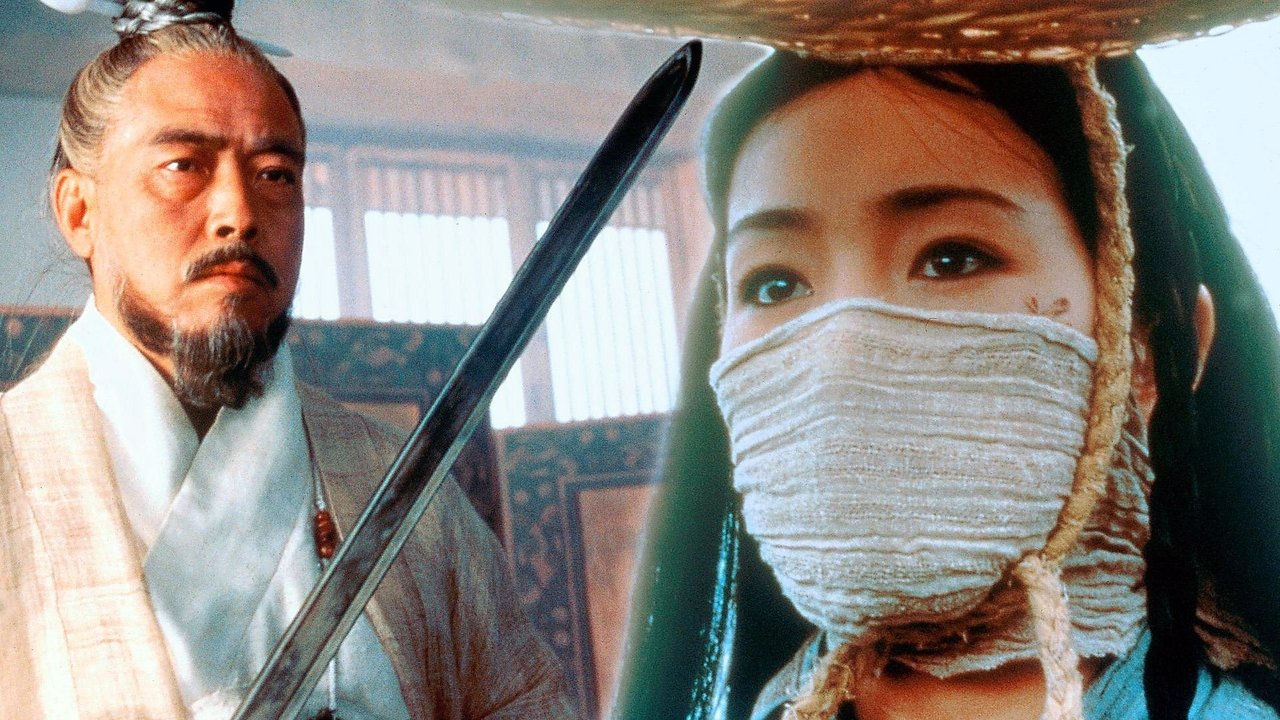
The film centers on Ying Zheng (Li Xuejian), the ruthless and visionary King of Qin, obsessed with conquering the remaining independent states to become the first Emperor of a unified China. This isn't a simple tale of good versus evil. Chen Kaige, reunited with stars Gong Li and Zhang Fengyi after their stunning collaboration on Farewell My Concubine (1993), crafts a narrative that explores the terrifying ambiguity of historical necessity. Ying Zheng is driven, strategic, almost messianic in his certainty, yet prone to paranoia and capable of shocking cruelty. His childhood love, Lady Zhao (Gong Li), becomes a key pawn in his intricate game. Sent to the neighbouring state of Yan to procure an assassin – ostensibly to create a pretext for invasion – she finds herself entangled with the chosen killer, Jing Ke (Zhang Fengyi), a man haunted by his past and reluctant to take another life. Does the vision of a unified, stable China justify the immense suffering required to achieve it? The film forces us to grapple with this question, leaving no easy answers.
### Performances Carved from History
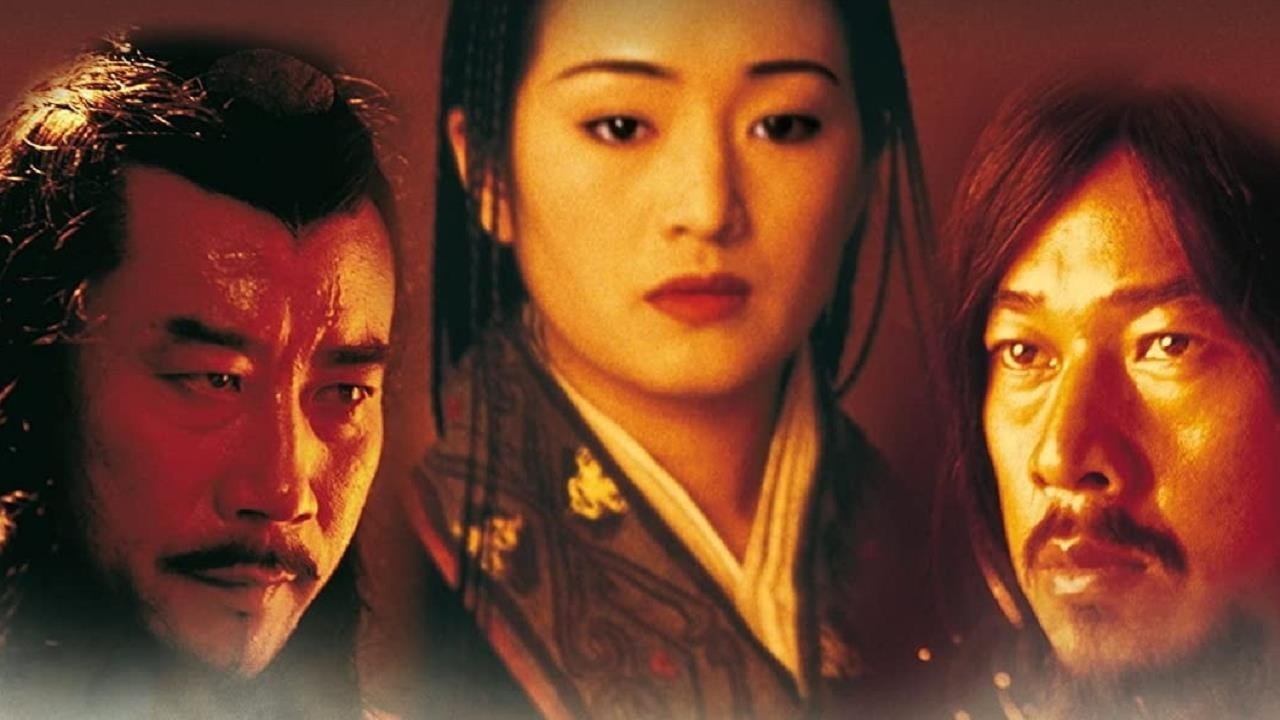
The acting is simply magnificent, anchoring the epic scale with raw human emotion. Li Xuejian delivers a towering performance as Ying Zheng. He avoids caricature, presenting a figure both monstrous and magnetic, his eyes flickering between imperial ambition and deep-seated insecurity. You see the weight of his destiny pressing down on him, warping him. Then there’s Gong Li as Lady Zhao. Few actors convey such complex inner turmoil with such grace and power. Her journey from loyal confidante to conflicted conspirator is heartbreakingly authentic. She navigates the treacherous currents of court politics and personal feeling with a strength that feels utterly real. And Zhang Fengyi, as the brooding Jing Ke, embodies the weary soul tasked with an impossible mission. His performance is quieter, more internalised, but carries immense tragic weight. These aren't just characters reciting lines; they feel like figures pulled directly from the turbulent pages of history.
### Crafting an Empire on Screen
Let's talk ambition. At the time of its release, The Emperor and the Assassin was reportedly the most expensive film ever made in China, boasting a budget around $20 million USD. Watching it, you see every yuan on screen. Chen Kaige, working with cinematographer Zhao Fei (who deservedly won the Technical Grand Prize at Cannes for his work here), conjures images of breathtaking scale and meticulous detail. The vast armies moving across stark landscapes, the intricate designs of the Qin palace, the claustrophobic tension of assassination plots unfolding in shadowed chambers – it’s all rendered with an artistry that feels both grand and intimate.
Retro Fun Facts: The sheer scale often involved coordinating literally thousands of extras – rumour has it, drawn from the ranks of the People's Liberation Army – a logistical feat almost unimaginable today without extensive CGI. The commitment to practical sets and tangible detail gives the film a weight and texture that digital effects often struggle to replicate. It’s a reminder of what large-scale filmmaking looked like before the green screen became ubiquitous. The film's runtime (around 162 minutes) might seem daunting, perhaps one reason it wasn't as ubiquitous in rental stores as some Hollywood epics, sometimes requiring that satisfyingly chunky double-VHS box. But trust me, the deliberate pacing allows the complex political and personal dramas to unfold organically, rewarding the patient viewer.
### Echoes Across Time
Beyond the spectacle, the film resonates with profound themes. The tension between individual conscience and the perceived needs of the state, the seductive danger of absolute power, the way history is often written by the victors, ignoring the human cost – these are not just ancient concerns. Chen Kaige doesn't offer simple judgments. He presents the unification as both a monumental achievement and a human tragedy, forcing us to consider the terrible paradoxes inherent in nation-building. What does loyalty truly mean when faced with tyranny? Can noble ends ever justify brutal means? The questions linger long after the credits roll.
This isn't light viewing; it demands your attention and engages your intellect. It's a film that might have been overshadowed on the video store shelves by louder, faster blockbusters, a potential hidden gem for those exploring Chinese cinema on VHS back in the day. Seeing it again confirms its power – a sweeping, complex, and visually stunning piece of historical drama that uses its epic canvas to explore intimate human truths.
Rating: 9/10
Justification: The Emperor and the Assassin earns this high mark for its masterful direction, breathtaking cinematography and production design, powerhouse performances (especially from Li Xuejian and Gong Li), and its intellectually engaging exploration of complex historical and moral themes. Its sheer ambition and successful execution on such a grand, practical scale are deeply impressive. The lengthy runtime and dense plot might be demanding for some, but the payoff is immense.
Final Thought: A monumental piece of filmmaking that reminds us how historical epics can be both visually spectacular and profoundly thought-provoking, leaving you pondering the weight of history and the human hearts caught in its gears.