It often starts with a question, doesn't it? A film throws down a gauntlet, forcing you to confront uncomfortable truths. With Norman Jewison's 1991 offering, Other People's Money, the question cuts right to the bone: In the cold calculus of commerce, where does humanity fit? What value do we place on loyalty, community, and tradition when faced with the brutal, undeniable logic of profit? This isn't just a movie about a corporate takeover; it's a surprisingly sharp examination of shifting American values, played out through a clash of titans that still resonates decades later.
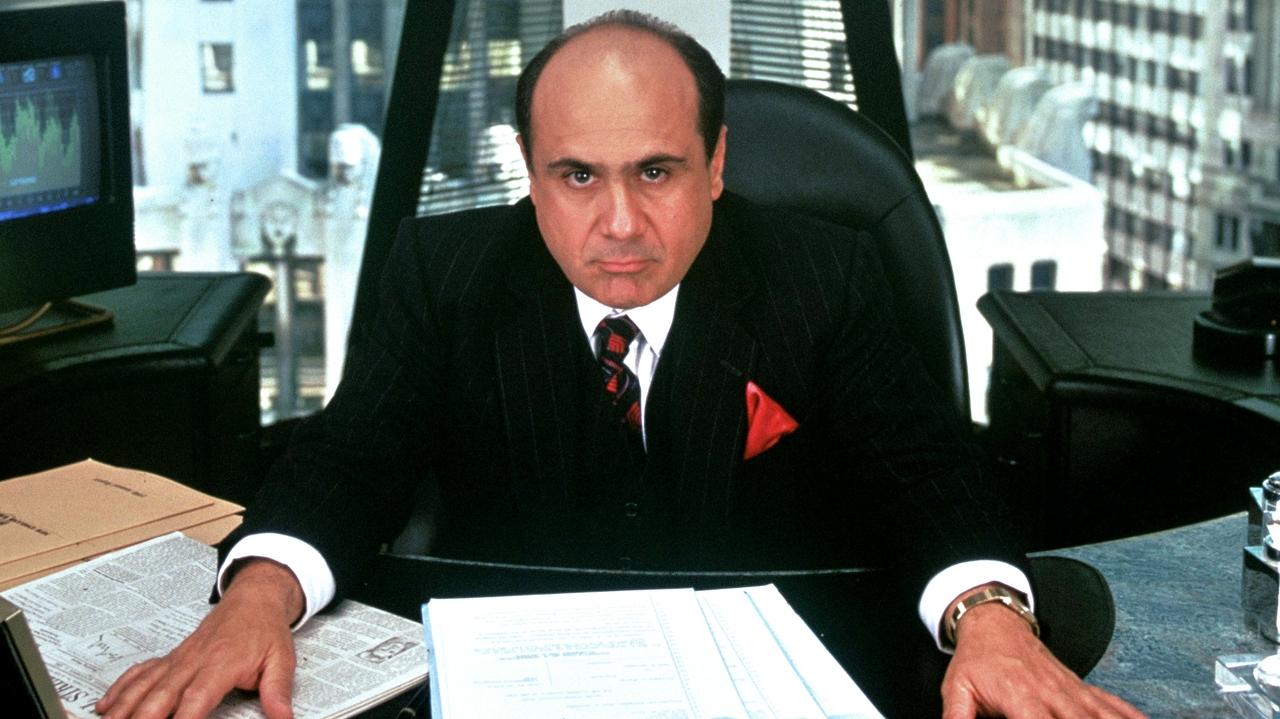
The Predator and the Patriarch
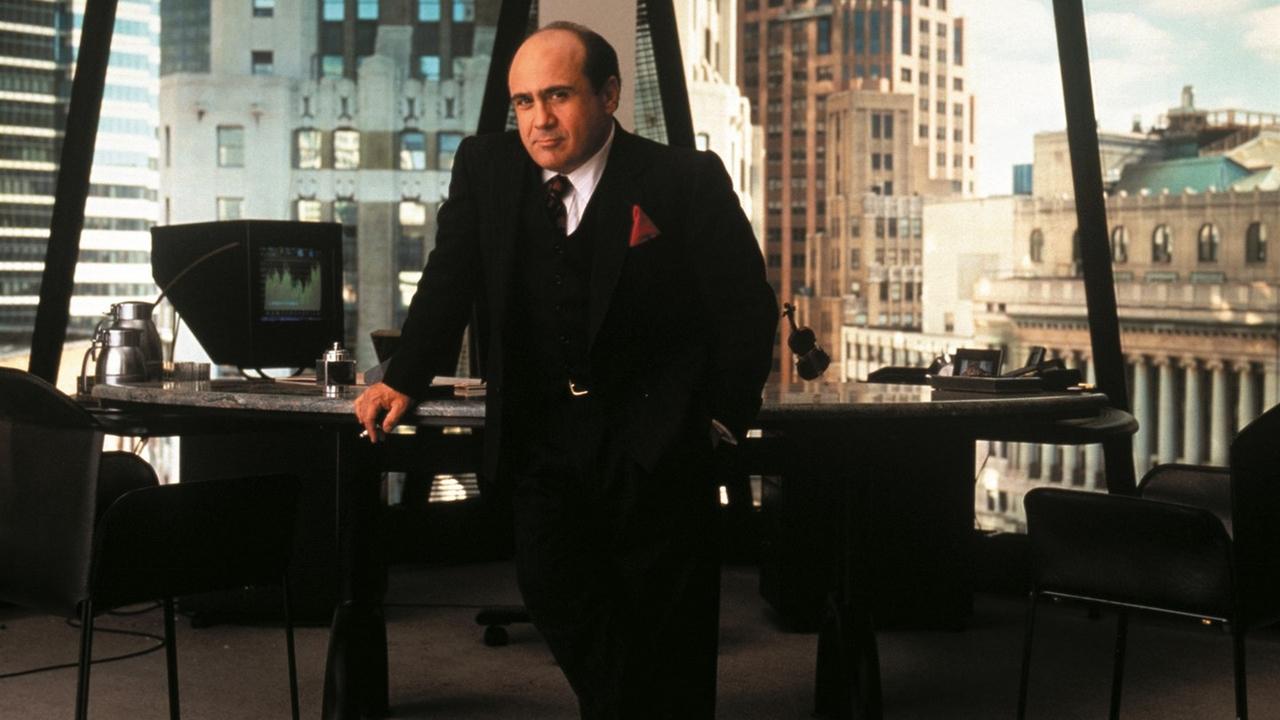
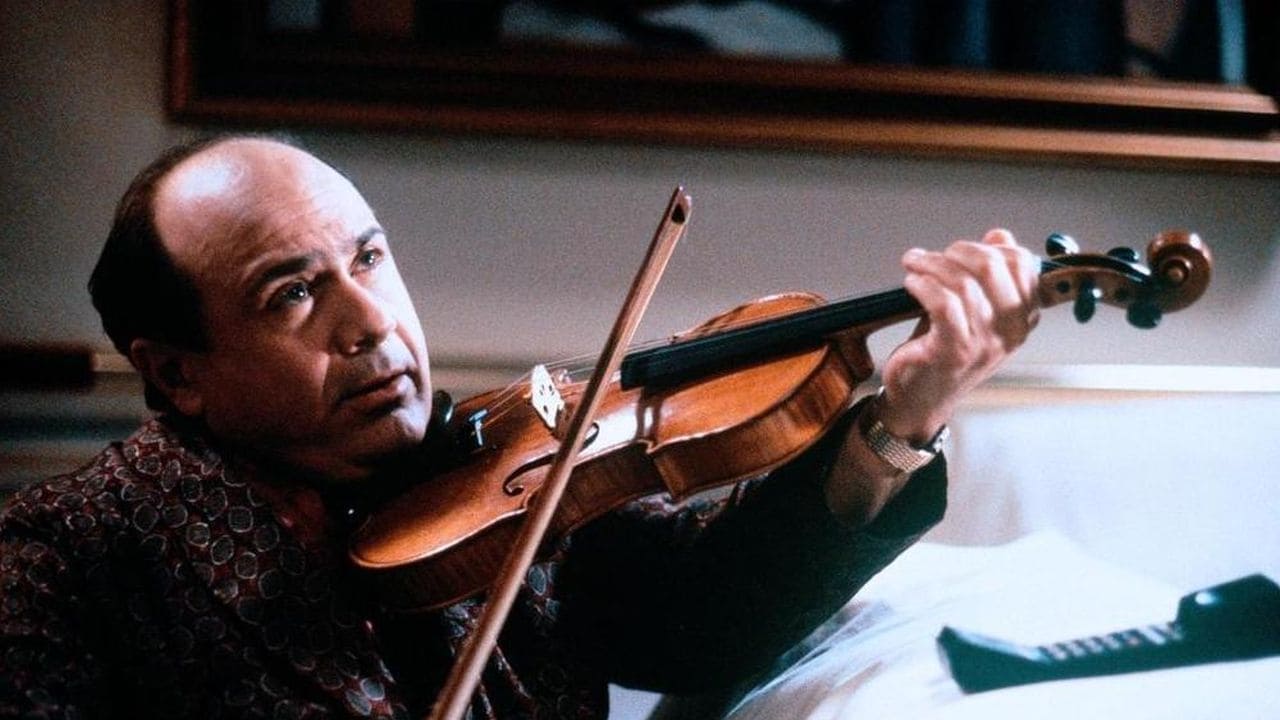
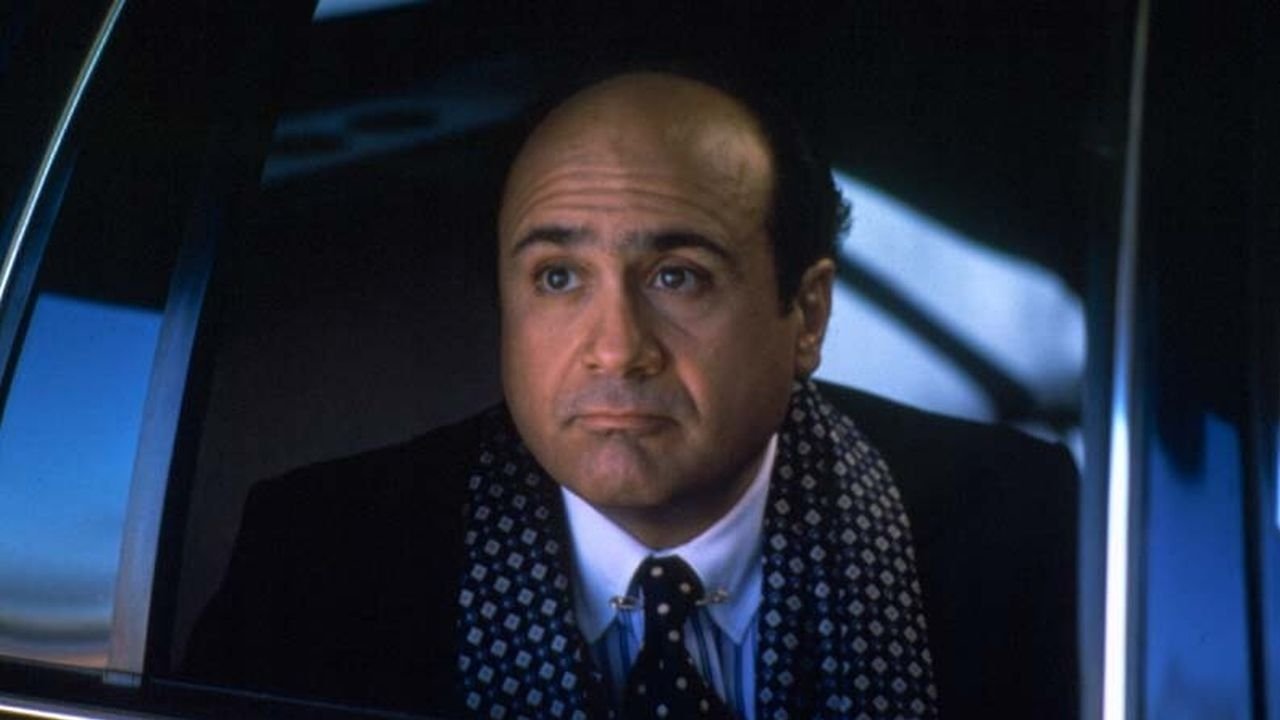
At the heart of the storm is Lawrence "Larry the Liquidator" Garfield, played with ferocious, gleeful energy by Danny DeVito. Larry isn't subtle. He's a force of nature fueled by donuts, cigars, and an unshakeable belief in the cleansing power of cash. He targets undervalued companies, breaks them up, sells the pieces, and pockets the difference. His methods are ruthless, his pronouncements vulgar ("I love money more than the things it can buy... but what it can buy is pretty good!"), yet there's a disturbing honesty to his worldview. He sees inefficiency and stagnation, and his solution, however savage, follows its own cold logic. DeVito, already beloved for roles in things like TV's Taxi and films like Twins (1988), absolutely embodies this character – charismatic and repulsive in equal measure, a whirlwind of pure, unapologetic capitalism. You might hate what he does, but Jewison and screenwriter Alvin Sargent (adapting Jerry Sterner's play) dare you not to admire his sheer effectiveness. Sterner, interestingly, brought real-world experience to the original play, having worked in real estate development himself, lending the financial maneuvering a layer of authenticity.
Facing Larry's hostile takeover bid for the venerable New England Wire & Cable company is Andrew "Jorgy" Jorgenson. In a performance radiating quiet dignity and weary integrity, Gregory Peck steps into the role of the company's patriarch. Jorgy represents the old guard – a man who built a company that values its employees and its community as much as its bottom line. It’s a business run like a family, perhaps to its own detriment in the face of Larry's modern financial weaponry. Seeing Peck, the towering figure of classics like To Kill a Mockingbird (1962), in one of his last major screen roles adds a poignant layer to the conflict. Reportedly, Peck initially had reservations about the role, concerned it might be too symbolic, but was drawn in by the character's powerful defense of his company's values. His presence provides the essential counterweight to DeVito's manic energy; their scenes together crackle with the tension of opposing philosophies.
The Woman in the Middle
Caught between these two magnetic poles is Kate Sullivan, played by Penelope Ann Miller. She’s Jorgy’s stepdaughter and a sharp Wall Street lawyer hired to fend off Larry's attack. Miller navigates a tricky path here – she has to be smart enough to match wits with Larry, loyal enough to defend Jorgy, and complex enough to find herself grudgingly attracted to the predator she’s supposed to destroy. The romantic subplot adds a different dimension, sometimes feeling a touch conventional within the sharper corporate drama, but Miller gives Kate a believable intelligence and vulnerability. Her presence ensures the conflict isn't just ideological; it's deeply personal. Sargent, known for his nuanced character work in films like Ordinary People (1980), reportedly beefed up this role slightly from the stage play, giving Miller more to work with.
A Factory Floor Battleground
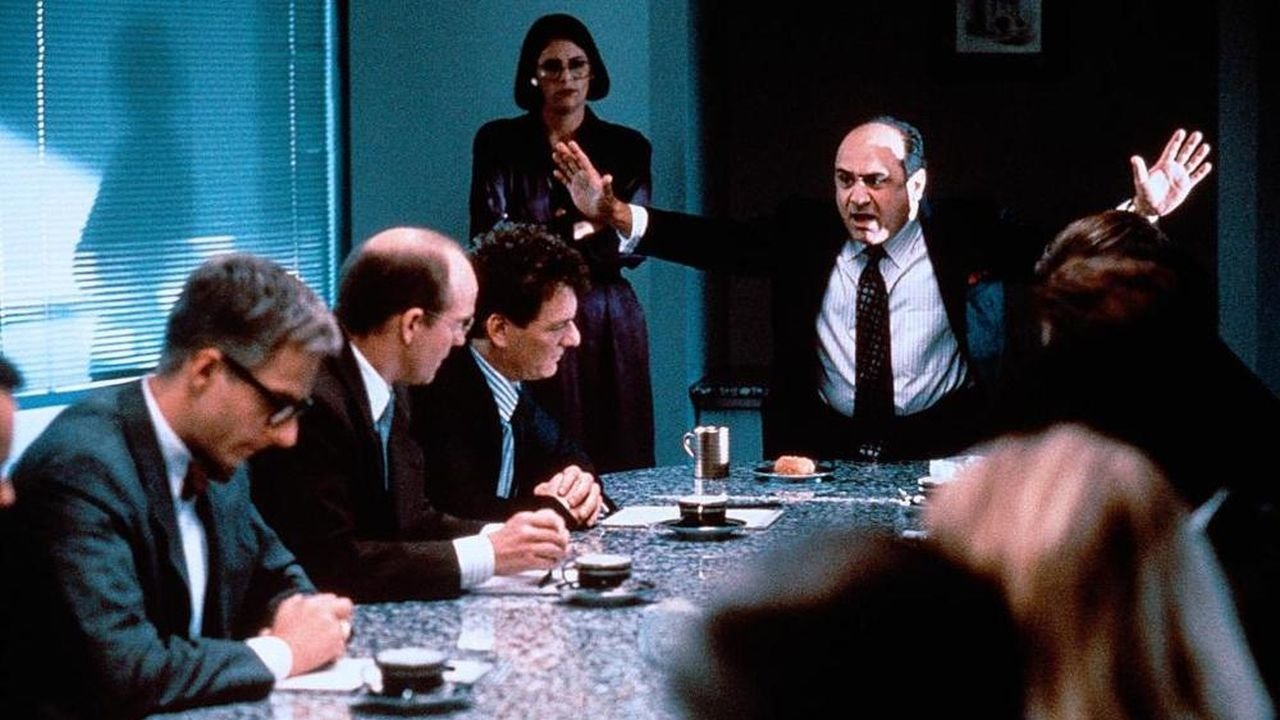
Director Norman Jewison, never one to shy away from socially relevant themes (In the Heat of the Night (1967), ...And Justice for All (1979)), films the proceedings with a steady hand. He understands that the real battle isn't just happening in boardrooms; it's impacting the lives of the factory workers whose livelihoods hang in the balance. Shooting on location in Rhode Island, utilizing actual industrial settings (including a then-closed Hasbro factory), lends the film a grounded, authentic feel. You can almost smell the machine oil and feel the history embedded in the brick walls of New England Wire & Cable. This tangible sense of place underscores what's truly at stake – not just assets on a balance sheet, but a way of life. Jewison masterfully orchestrates the film's centerpiece: the climactic shareholder meeting, where both Larry and Jorgy make their impassioned pleas. These dueling monologues are pure cinematic gold, perfectly encapsulating the film's central conflict and showcasing the immense talents of DeVito and Peck.
Money Talks, But What Does It Say?
Watching Other People's Money today, perhaps dug out from a dusty box of tapes alongside other early 90s staples, feels strangely relevant. The specific anxieties about corporate raiders might feel rooted in that era, but the core questions about economic responsibility, the value of labor versus capital, and the soul of business persist. Does a company owe anything more to its community than maximizing shareholder value? Larry argues vehemently that it doesn't, while Jorgy makes an impassioned case for a broader definition of worth. The film doesn't offer easy answers, presenting both arguments with compelling force. It earned a modest return at the box office (around $30 million domestic on a $25 million budget), suggesting it perhaps hit a nerve but wasn't quite the crowd-pleaser some might have expected. It asks you to think, to weigh the human cost against the financial gain, and that complexity might be its most enduring strength.
Rating: 8/10
This score feels earned due to the powerhouse performances, particularly from DeVito and Peck, who embody their opposing worldviews with conviction and charisma. The script is sharp, witty, and tackles significant themes with intelligence, avoiding easy moralizing. Jewison's direction is assured, grounding the corporate maneuvering in tangible reality and building expertly to the memorable climax. While the romantic subplot feels a bit secondary to the core conflict, it doesn't detract significantly. Other People's Money remains a potent and surprisingly nuanced snapshot of capitalist conflict from the VHS era, a film that entertains while prompting some serious reflection long after the credits roll.