There’s a particular kind of magic reserved for those slightly dusty VHS tapes tucked away on the less-trafficked shelves of the old video store – the ones with intriguing cover art promising something perhaps European, historical, maybe a little mysterious. Ettore Scola’s The Voyage of Captain Fracassa (1990), or Il Viaggio di Capitan Fracassa as it first flickered onto screens, feels exactly like one of those discoveries. It doesn’t shout like a blockbuster, but whispers of costume drama, romance, and the bittersweet lives of travelling players, inviting you into a world rendered with a distinctly melancholic artistry. Finding it felt like unearthing a minor key masterpiece, a film less concerned with swashbuckling spectacle than with the worn velvet and flickering candle flames of lives lived on the periphery of grandeur.
A Troupe, A Baron, and a Road Less Travelled
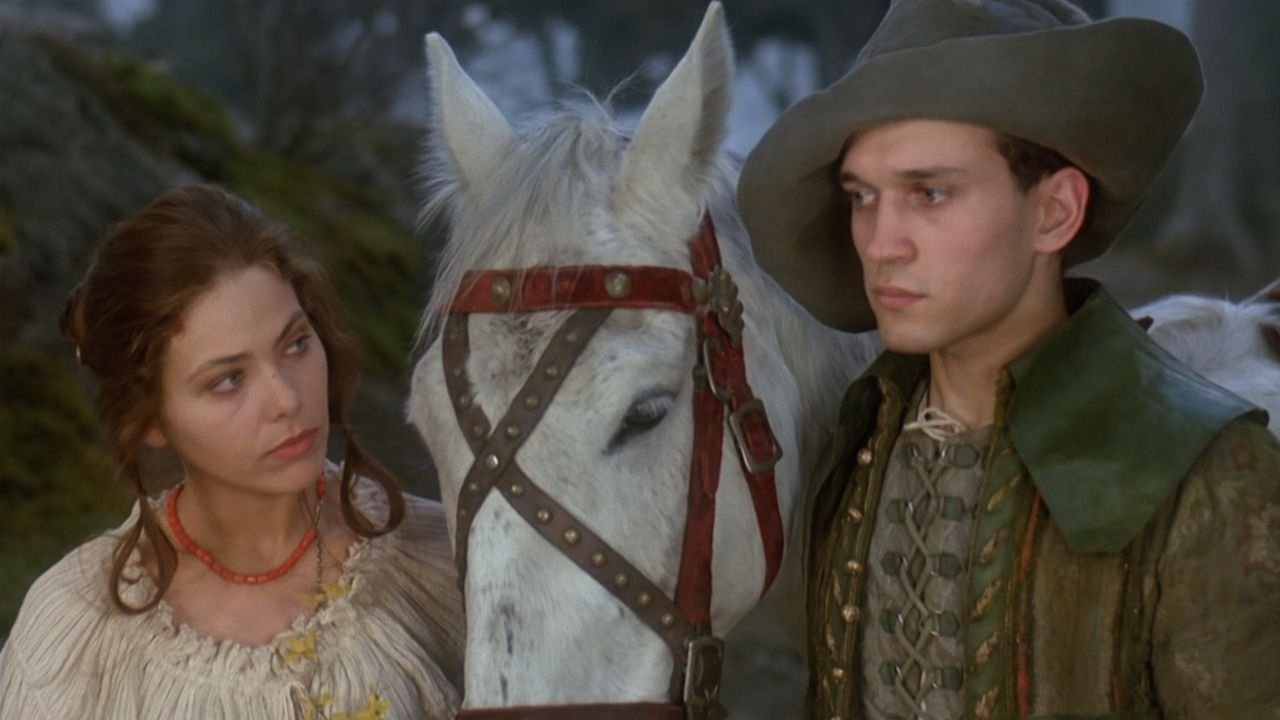
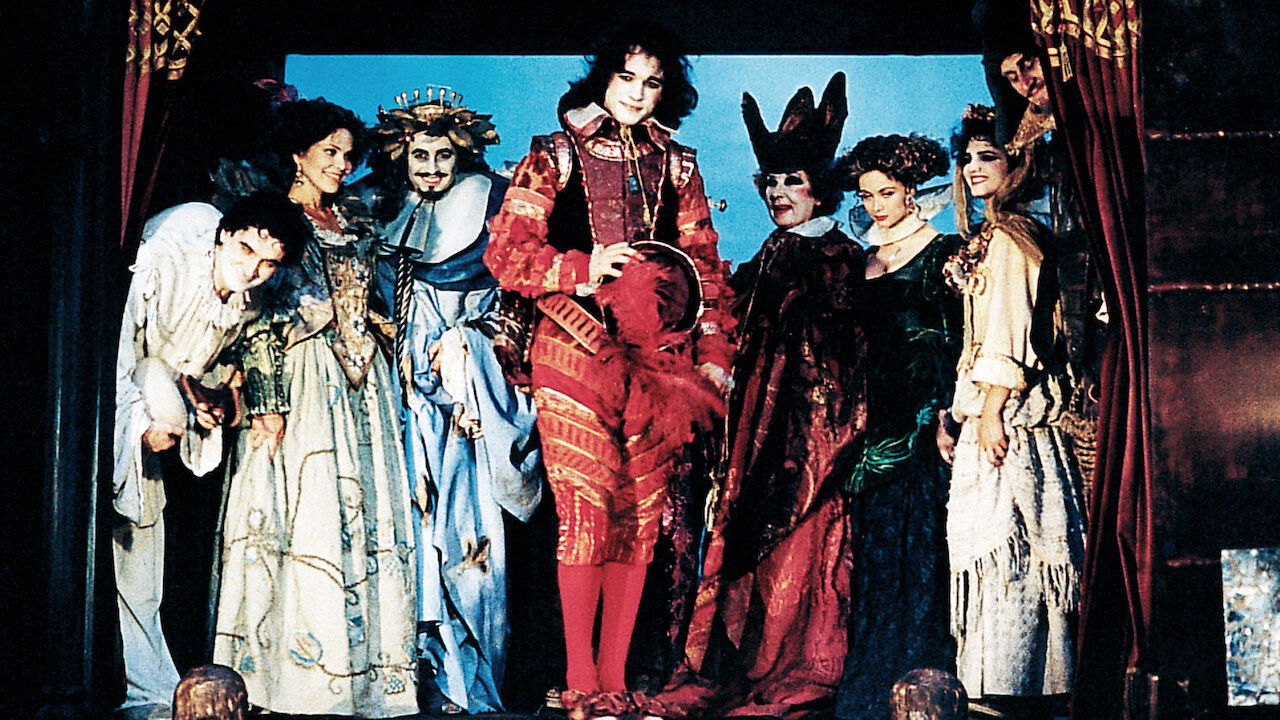
Based on Théophile Gautier’s 19th-century novel, the film transports us to 17th century France. We meet the Baron de Sigognac (Vincent Perez), young, handsome, and utterly broke, rattling around his crumbling ancestral castle. His solitary existence is interrupted by the arrival of a travelling theatre troupe, a vibrant, ragtag collection of performers seeking shelter from a storm. Drawn by their energy and, more specifically, by the luminous actress Isabelle (Emmanuelle Béart), Sigognac impulsively abandons his decaying legacy to join their journey towards Paris. It’s on this voyage that he finds purpose, love, and eventually, a new identity behind the mask of the heroic stage character, Captain Fracassa.
Scola’s Stagecraft: A World Contained
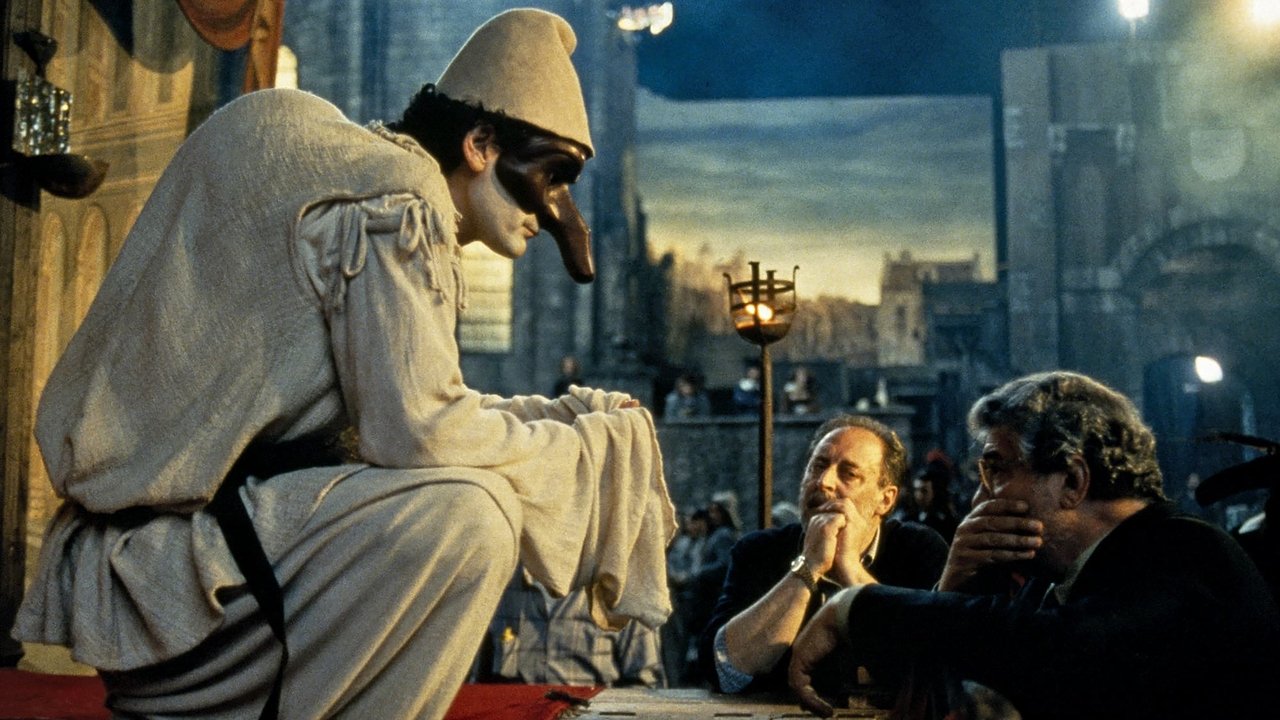
What immediately sets Captain Fracassa apart is Ettore Scola's deliberate, almost defiant directorial choice. Known for his intimate human dramas like A Special Day (1977) or the historical tapestry La Nuit de Varennes (1982), Scola opts here not for sprawling French landscapes, but for confinement. Almost the entire film unfolds within enclosed spaces: the Baron’s decaying chateau, the troupe’s cramped carriage, makeshift stages in barns, dimly lit inns. Much of this world was meticulously constructed within the legendary Cinecittà studios in Rome, giving the film a tangible, heightened theatricality. This isn't a flaw; it's the point. The journey becomes less about geography and more about the internal landscape of the troupe. Their carriage isn't just transport; it's their world, a microcosm of hopes, rivalries, and shared hardship, rolling through a landscape suggested rather than shown. Doesn't this claustrophobia perfectly mirror the way artifice and reality bleed into one another for performers?
Faces Aglow in the Footlights
The casting feels inspired. Vincent Perez, then a rising star in European cinema, embodies Sigognac’s transformation from melancholic aristocrat to passionate protector with brooding intensity. Opposite him, Emmanuelle Béart, possessing an almost otherworldly beauty, makes Isabelle the troupe’s captivating centre, radiating both vulnerability and resilience. Their romance forms the film's emotional core, a tender flame against the backdrop of poverty and uncertainty.
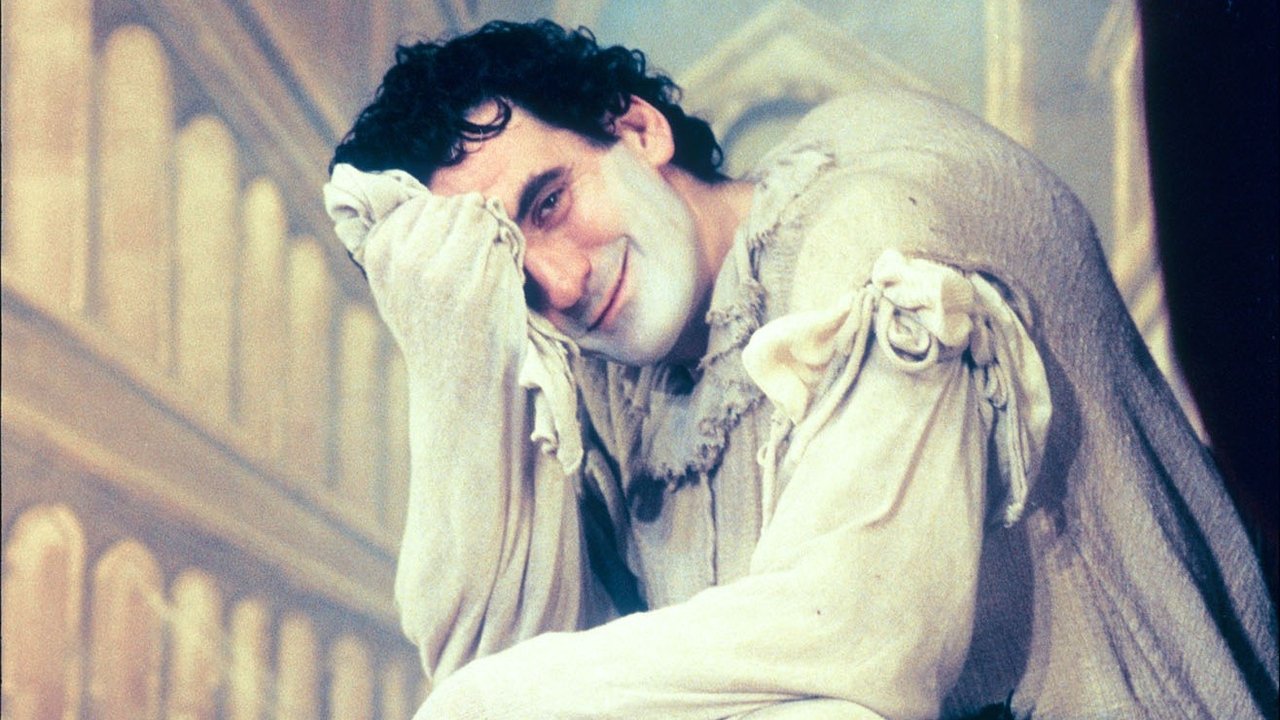
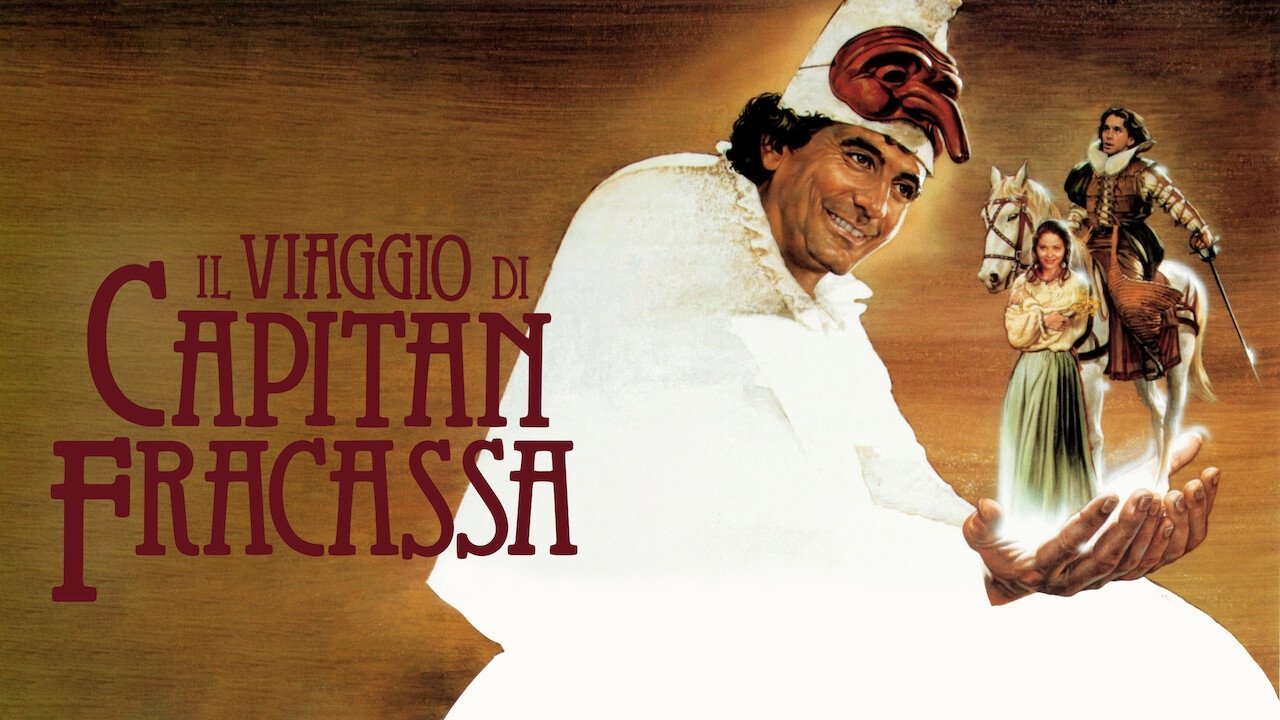
Yet, for many viewers, myself included, the heart of the film beats within the performance of Massimo Troisi as Pulcinella. Troisi, the beloved Italian actor-director whose life was tragically cut short just a few years later after completing Il Postino (1994), is simply wonderful here. Playing the classic Commedia dell'arte character – masked, hunchbacked, perpetually offering wry commentary – Troisi infuses Pulcinella with a profound humanity. His physical comedy is precise, his line delivery filled with a weary Neapolitan charm, but beneath the mask and the jokes lies a deep well of sadness and wisdom. He is the troupe's jester, philosopher, and perhaps its most grounded soul. Watching him, knowing his own health struggles during this period, adds an almost unbearable poignancy to his portrayal of a character defined by resilience in the face of life's absurdities. It's a performance that truly lingers.
Echoes of Gautier, Whispers of Cinecittà
Adapting Gautier's sprawling romantic adventure, Scola and his co-writers (Silvia Scola and Vincenzo Cerami) wisely focus on the spirit rather than the letter. They prune the plot's wilder excursions to concentrate on the troupe's dynamic and the central love story. The film becomes less an adventure yarn and more a meditation on the ephemeral nature of theatre and the masks we wear in life. The production design and costumes are crucial here, creating a sense of lived-in history rather than museum-piece perfection. You can almost smell the damp wool, the greasepaint, the cheap wine.
Interestingly, while the film boasts considerable European star power and the pedigree of a director like Scola, it often feels like a quieter entry in his filmography, especially for North American audiences whose VHS shelves might have favoured his more politically charged or widely acclaimed works. It did compete at the 1991 Cannes Film Festival, a testament to its artistic merit, but perhaps its blend of historical romance and theatrical introspection made it a slightly tougher sell than a straightforward genre piece. For those of us digging through rental racks back then, finding Captain Fracassa often meant venturing into the "Foreign Films" section, a rewarding detour off the beaten path.
The Lingering Resonance
What stays with you after the credits roll on The Voyage of Captain Fracassa? It’s the atmosphere – that sense of intimate theatre unfolding against a vast, unseen world. It’s the bittersweetness of the journey, the knowledge that this makeshift family, this fleeting moment of shared purpose, is as transient as the applause after a performance. And, undeniably, it’s the face of Massimo Troisi beneath the Pulcinella mask, reminding us of the laughter and sorrow that walk hand-in-hand, both on stage and off. The film asks us to consider where the performance ends and life begins, a question that feels particularly resonant when looking back through the lens of time.
Rating: 8/10
The Voyage of Captain Fracassa earns its 8 for its beautiful, melancholic atmosphere, Scola’s masterful control of tone, the gorgeous central performances – particularly the unforgettable contribution of Massimo Troisi – and its thoughtful exploration of art, love, and illusion. It might lack the immediate punch of Scola's more famous works or the grand scale some might expect from its source material, but its intimate focus and theatrical soul make it a deeply rewarding watch.
It's a film that feels like a cherished memory itself – a reminder of those quieter, character-driven European films that offered a different kind of journey, discovered not with fanfare, but with the quiet click of a VHS tape sliding into the VCR. A true gem for those seeking artistry over spectacle.