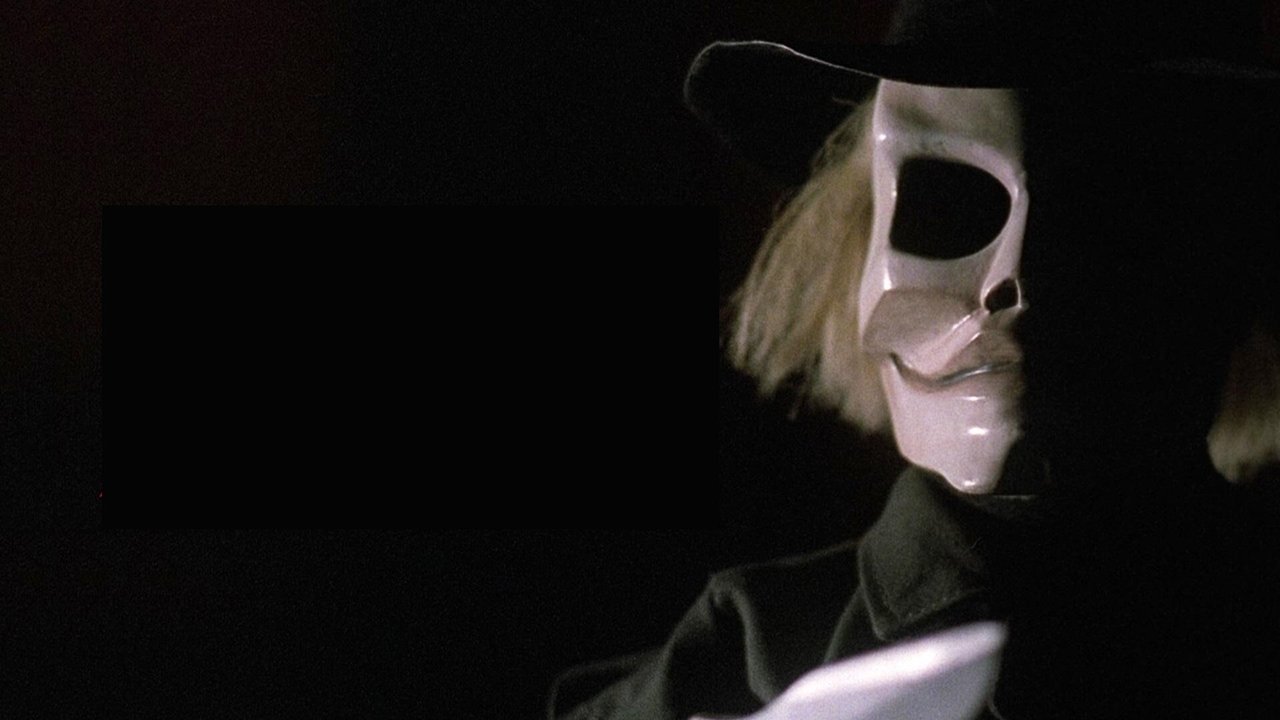
The first glimpse you get of Blade, that hook-handed sentinel with the hollow eyes and pale, skull-like face, tends to stick with you. It’s an image burned onto the magnetic tape of memory for anyone who trawled the horror aisles of their local video store in the late 80s and early 90s. Puppet Master, released direct-to-video in 1989, wasn’t just another movie; it felt like uncovering a forbidden secret, a grainy, flickering nightmare waiting to unfurl in the low light of your living room.
Whispers from Bodega Bay
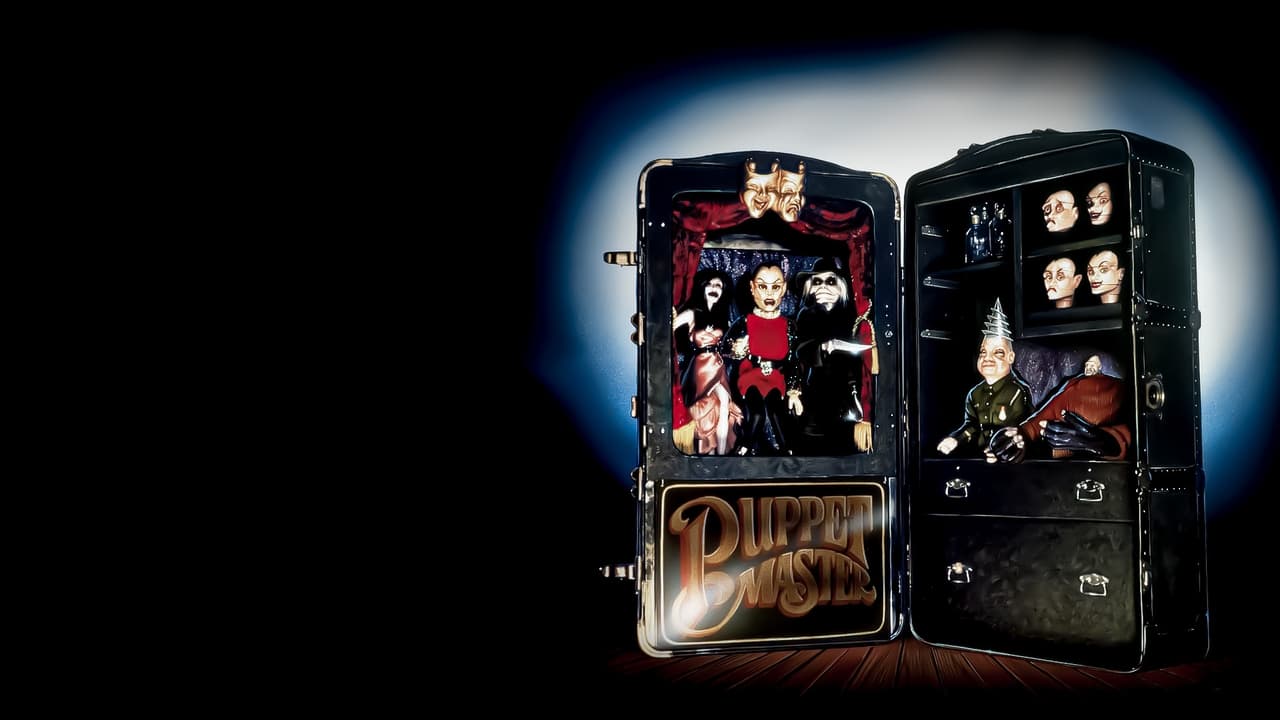
The premise feels ripped from a pulpy paperback: a group of psychics converge on the Bodega Bay Inn, drawn by visions following the suicide of their former colleague, Neil Gallagher. What they don't realize is that Gallagher stumbled upon the darkest secret of Andre Toulon (William Hickey, in a brief but haunting performance), an Egyptian formula granting life to inanimate objects – specifically, his collection of meticulously crafted, malevolent puppets. Director David Schmoeller leans into the gothic potential of the setting (yes, that Bodega Bay, forever linked with Hitchcock's avian terror), using the isolated, slightly decaying grandeur of the inn to maximum effect. Coupled with a memorably sinister score by Richard Band (brother of producer Charles Band), the film crafts an atmosphere thick with anticipation long before the titular terrors truly begin their work. Watching it on VHS, with the inherent imperfections of the format, somehow amplified the unease, the tracking lines like static whispering warnings from beyond the screen.
The Main Attraction: Tiny Terrors
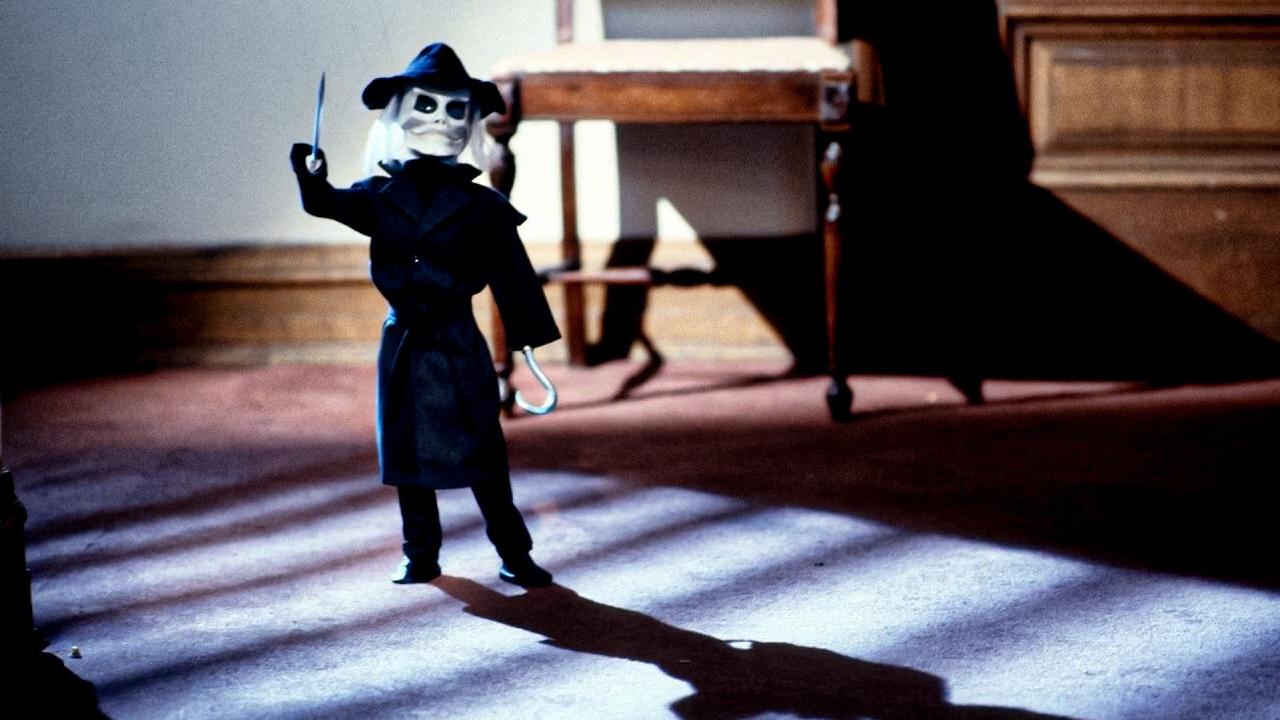
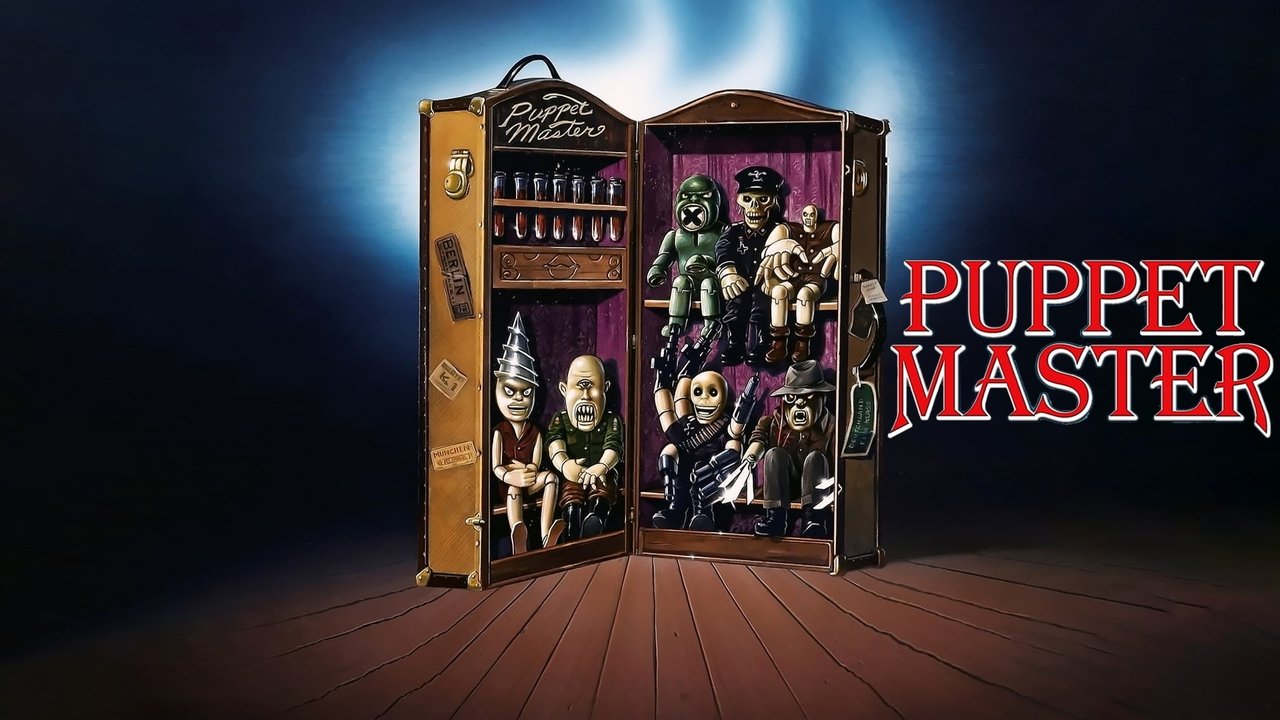
Let's be honest, the humans are mostly secondary here. While Paul Le Mat (American Graffiti) brings a certain weary everyman quality to Alex Whitaker, and Irene Miracle adds a touch of glamour as the skeptic Dana, the real stars are wood, porcelain, and pure, distilled malice. Blade, Pinhead (all strength, tiny head), Tunneler (that drill!), Jester (the expressive face), and the viscerally unpleasant Leech Woman – each puppet possesses a distinct, disturbing personality. Their methods are brutal, intimate, and fueled by Toulon's lingering resentment. The effects, a blend of stop-motion animation, rod puppetry, and clever staging, were remarkably effective for their time and budget. There's a tangible quality to their movements, a jerky, unnatural life that CGI often struggles to replicate. Doesn't that scene with Tunneler making his entrance still feel shockingly direct?
Full Moon Rising: Behind the Curtain
Puppet Master was the flagship production that launched Charles Band’s Full Moon Entertainment, a company that became synonymous with the direct-to-video boom. Made for a reported $400,000-$450,000, it was a calculated gamble that paid off handsomely, proving a market existed for well-crafted, high-concept horror aimed squarely at the rental audience. Band, fascinated by dolls and puppets since childhood, envisioned a franchise from the start. The Bodega Bay Inn location wasn't just atmospheric; it was a savvy nod to horror history, lending the low-budget production a sliver of borrowed prestige. One persistent rumor, often fueled by Band himself, involved struggles with the MPAA over the film's violence, particularly Leech Woman's signature move – tales that only added to its forbidden allure on video store shelves. The practicalities of making tiny figures menacing involved dedicated puppeteers like David Allen, whose stop-motion sequences gave the puppets their eerie autonomy in key shots.
Flawed, Perhaps, But Unforgettable
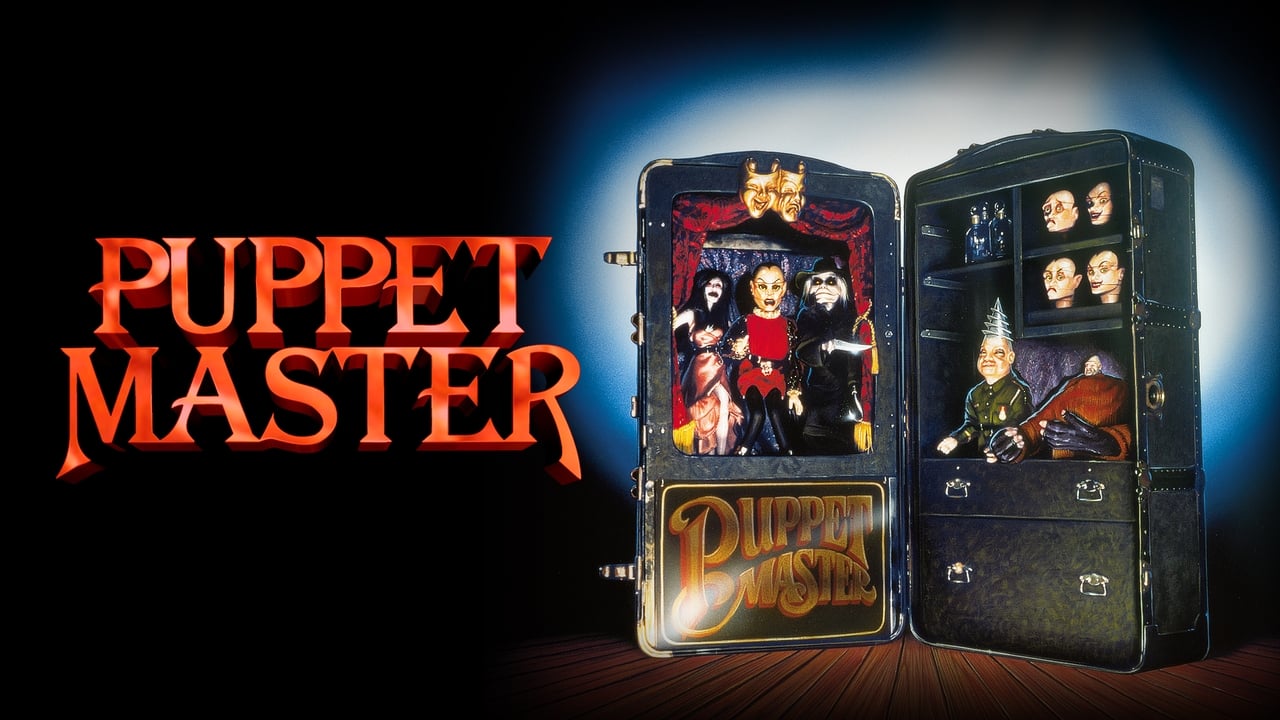
Is Puppet Master a perfect film? Certainly not. The pacing occasionally drags, some plot points feel underdeveloped, and the human characters sometimes react with baffling slowness to the murderous marionettes stalking the halls. Yet, its power lies not in polished perfection, but in its raw, imaginative core and its commitment to its creepy concept. It taps into that primal fear of the inanimate given life, the uncanny valley made terrifyingly real. The film doesn't just present killer puppets; it gives them a history, a twisted purpose, and genuinely unsettling designs that linger long after the credits roll. I distinctly remember renting this tape multiple times, drawn back by the sheer audacity of its premise and the chilling effectiveness of its miniature monsters.
VHS Heaven Rating: 7/10
Puppet Master earns its 7 out of 10 rating for its iconic puppet designs, genuinely creepy atmosphere, memorable score, and its undeniable status as a cornerstone of late-80s direct-to-video horror. It successfully launched a sprawling franchise (currently numbering over a dozen sequels, prequels, and spin-offs) and cemented Charles Band's Full Moon as a major player in the genre market. While hampered slightly by its budget, pacing issues, and sometimes wooden human performances, the film's strengths – particularly the chilling presence of Blade, Tunneler, and their brethren – far outweigh its flaws.
It remains a quintessential slice of VHS-era horror, a film whose slightly grungy aesthetic and commitment to practical puppet terror feel both nostalgic and remarkably effective even today. It’s a reminder that sometimes, the biggest scares come in the smallest packages.