The neon glow of the city at night can promise excitement, connection, maybe escape. But sometimes, under that electric hum, something else breeds – a specific kind of urban dread, a loneliness that makes you vulnerable. That's the undercurrent pulsing through Def by Temptation (1990), a film that wraps seduction and damnation in the anxieties of faith and friendship, leaving a residue of unease long after the tape clicks off. It wasn't your typical slasher or creature feature filling the shelves back then; this one felt different, quieter, yet somehow more insidious.
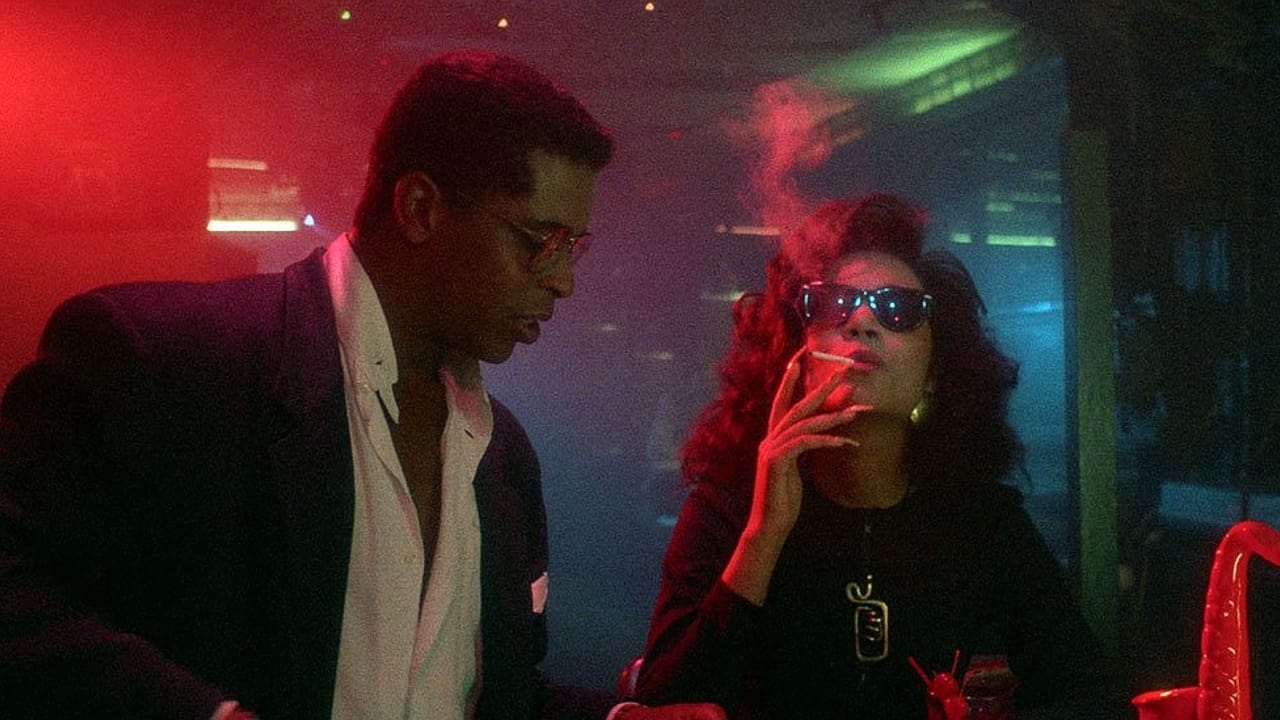
Urban Shadows and Spiritual Warfare
Written, directed by, and starring a remarkably young James Bond III (just 23 at the time!), Def by Temptation centers on Joel, a sheltered divinity student from the South wrestling with his faith after disturbing childhood visions. Seeking clarity, he visits his childhood friend K (Kadeem Hardison, bringing welcome warmth and streetwise humor fresh off A Different World) in New York City. But Joel arrives just as a predatory "Temptress" (Cynthia Bond) begins stalking the city's bars, luring men to their doom. K's world of bars and women clashes with Joel's piety, creating fertile ground for the succubus preying on desire and doubt. It's a simple premise, but Bond III uses it to explore deeper themes of temptation, the fragility of faith, and the specific pressures facing young Black men navigating very different paths.
The film's atmosphere is thick with a low-budget, almost dreamlike quality. Shot on location in NYC, it captures a particular early 90s grit – the dimly lit bars, the shadowy streets, the sense that danger could lurk around any corner, bathed not just in darkness but in that lonely neon haze. The score, a blend of synthy moodiness and contemporary R&B, perfectly complements this vibe, creating a soundscape that feels both seductive and menacing. It’s not slick, but its rawness contributes significantly to the unsettling feeling. This wasn’t a polished Hollywood production; it felt grounded, immediate, like a nightmare unfolding just outside your window.
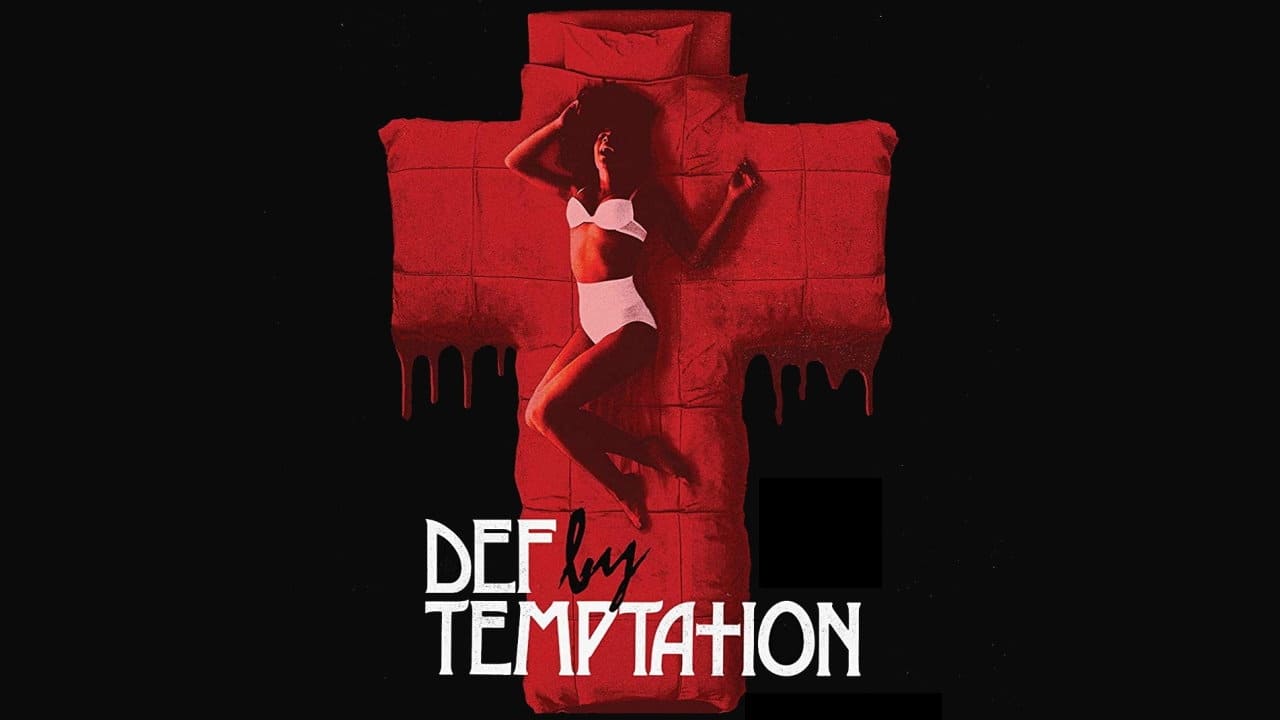
A Different Kind of Troma Film
One of the most interesting bits of trivia surrounding Def by Temptation is its eventual distribution by Troma Entertainment. Known primarily for outrageous, low-brow splatter comedies like The Toxic Avenger (1984), Troma wasn't the expected home for a stylish, atmospheric horror film with serious undertones. This association likely skewed expectations for many renters browsing the video store aisles – I certainly remember picking up the box expecting something far zanier. Instead, what James Bond III delivered was ambitious, aiming for genuine chills and psychological depth alongside its supernatural horror. While Troma's backing gave it wider visibility, one wonders if it also led to it being initially overlooked by audiences seeking more straightforward scares or those put off by the Troma label expecting something else entirely. The film reportedly cost around $5 million to make, a respectable sum for an independent feature at the time, allowing for a level of visual flair beyond typical Troma fare.
The practical effects, particularly involving the Temptress's transformations and attacks, have that distinct, slightly gooey charm of the era. They might look dated now, sure, but back then, viewed on a flickering CRT, they possessed a visceral, uncanny quality. Remember how effective those moments of body horror could be before CGI smoothed everything over? There's a tangible unpleasantness here that still works, tapping into primal fears of bodily corruption and the monstrous feminine.
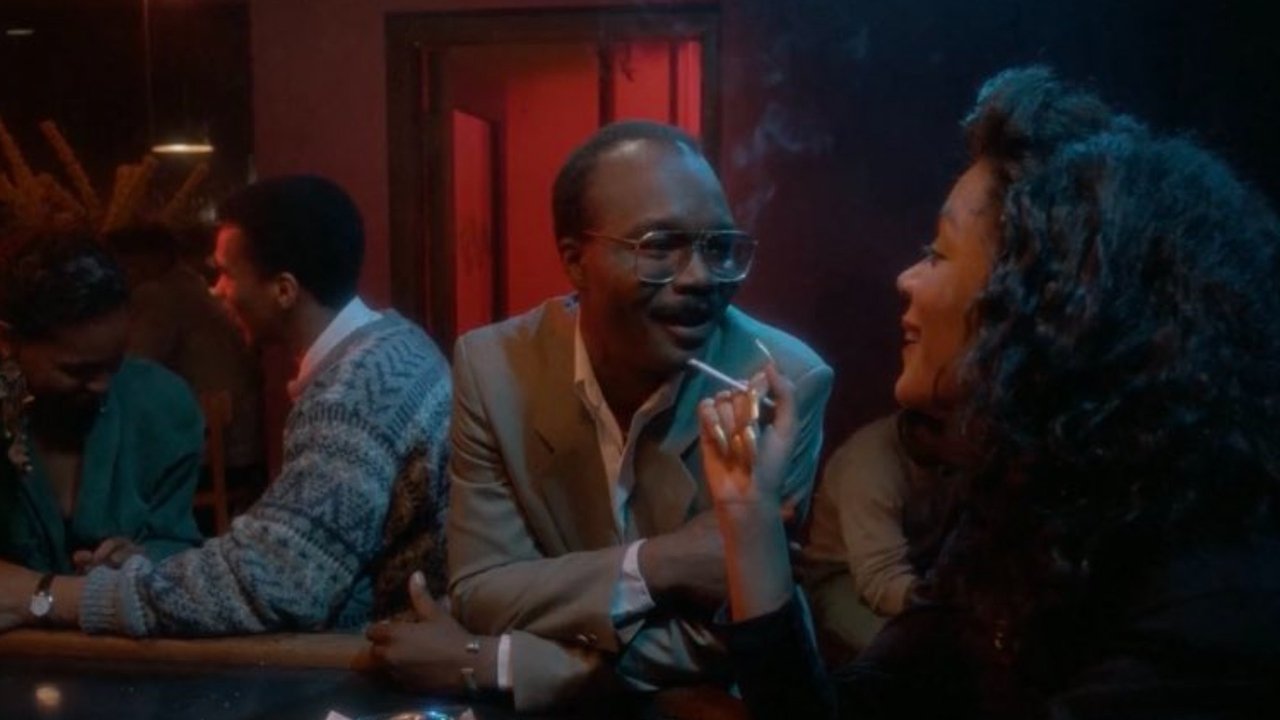

Talent Before They Were Icons
Beyond Bond III's earnest central performance and Kadeem Hardison's charismatic turn as K, the film boasts the undeniable presence of the late, great Bill Nunn (Do the Right Thing, Spider-Man) as Dougy, a cynical barfly paranormal investigator who senses the evil unfolding. Nunn grounds his scenes with a weary authority that's captivating to watch. And keep your eyes peeled for a small but potent early role for Samuel L. Jackson as Minister Garth, delivering a fiery sermon that crackles with the intensity he'd soon become legendary for. The film served as a notable early platform for Black talent both in front of and behind the camera in the horror genre, something still relatively rare at the time.
Faith, Fear, and Legacy
Def by Temptation isn't perfect. The pacing occasionally lags, and some tonal shifts between horror, drama, and K's comedic antics can feel a little abrupt. Yet, its sincerity and unique perspective make it compelling. It’s a film grappling with big ideas within its horror framework, presenting a distinctly Black cultural and spiritual context that sets it apart from many of its contemporaries. It doesn't just aim to scare; it wants to make you think about the nature of good and evil, the pull of temptation, and the strength needed to resist. Doesn't that underlying seriousness, rare for its distribution label, give it a lasting weight?
The film remains a fascinating cult artifact of the late VHS era. It’s a testament to James Bond III’s ambitious vision, managing to conjure genuine atmosphere and thematic depth on a modest budget. It’s a slice of early 90s urban horror that feels both of its time and surprisingly relevant in its exploration of spiritual anxieties.
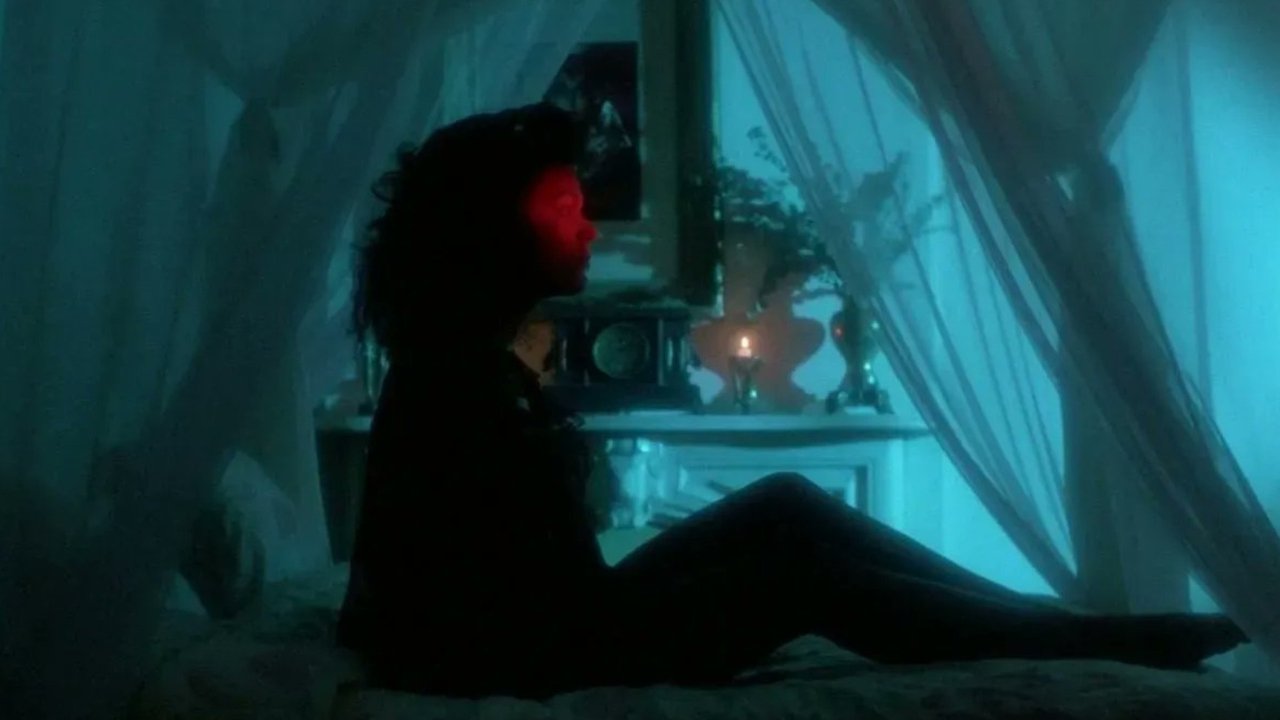
VHS Heaven Rating: 7/10
Justification: The score reflects the film's undeniable atmospheric strengths, its unique cultural perspective within the genre, standout performances (especially Nunn and Hardison), and Bond III's bold directorial effort. Points are deducted for some uneven pacing, occasionally clunky dialogue, and effects that, while charmingly retro, betray the budget. However, its ambition and unsettling mood elevate it above standard genre fare.
Final Thought: Def by Temptation is more than just a Troma curiosity; it's a moody, thoughtful slice of independent horror that uses its urban setting and specific cultural lens to create a genuinely unnerving tale of faith under siege. A gem worth rediscovering for its unique flavour of 90s dread.