Alright, settle in, pop that tape in the VCR (you might need to adjust the tracking!), and let's talk about a movie that practically explodes with color, sound, and yes, hairspray. I'm talking about John Waters' 1988 masterpiece of subversive sweetness, Hairspray. Finding this gem on the video store shelf back in the day felt like uncovering a secret handshake – a brightly colored, slightly sticky, utterly joyous secret.
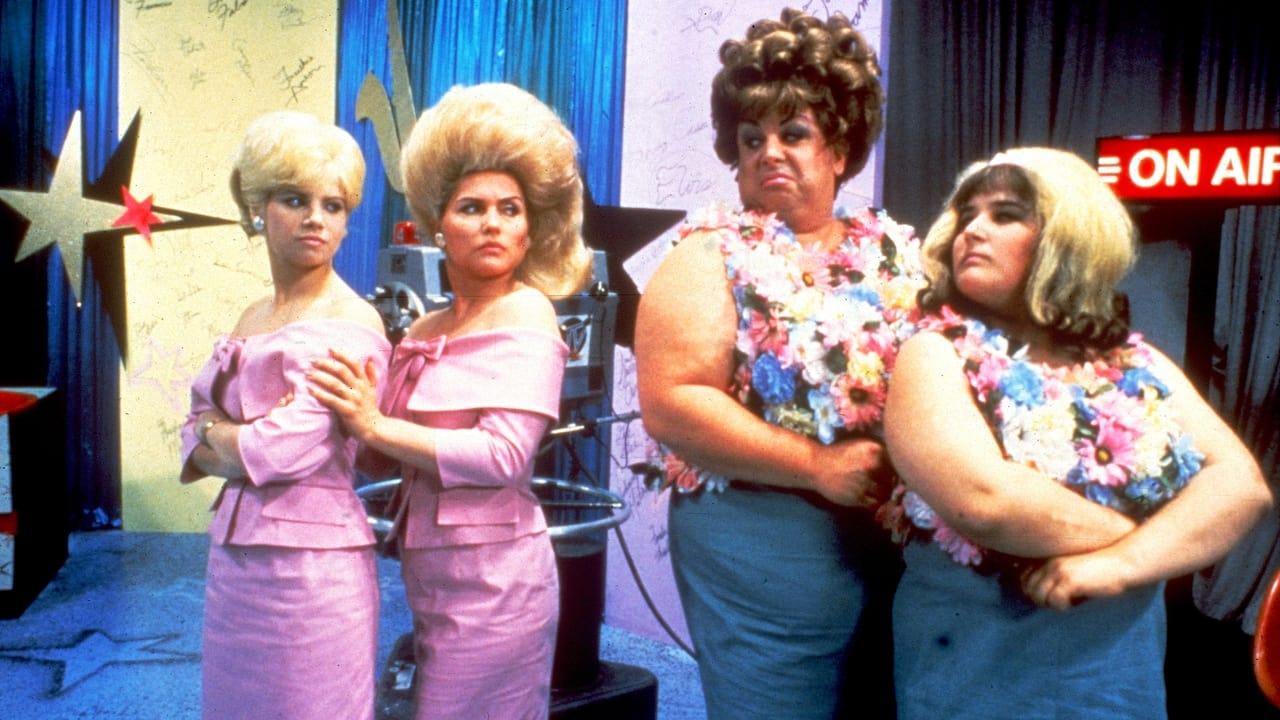
Forget your gritty 80s action flicks for a moment. The "action" in Hairspray isn't about car chases (though there's some frantic running!), but about the seismic clash of cultures, the rebellion simmering beneath the perfectly coiffed surface of 1962 Baltimore, and the sheer force of personality radiating from its incredible cast. This wasn't just a movie; it was an event, a declaration that outsiders could crash the party and look fabulous doing it.
Welcome to Baltimore! (Land of Towering Hair)
From the opening moments, as plump, optimistic teenager Tracy Turnblad (Ricki Lake in a star-making debut) sprays her already formidable bouffant, you know you're in John Waters' world. But this was a different Waters than the one who shocked audiences with Pink Flamingos (1972). Hairspray had a budget (a modest $2.7 million, but still!), studio backing (New Line Cinema), and even a PG rating – something unthinkable for his earlier "Dreamlander" work. Yet, the Waters edge is unmistakably there, smuggled inside a Trojan horse of catchy tunes and infectious dance numbers.
The story follows Tracy's dream: to dance on "The Corny Collins Show," Baltimore's local teen dance program. Standing in her way are the show's producer, the snobbish Velma Von Tussle (Debbie Harry, perfectly icy), her equally entitled daughter Amber (Colleen Fitzpatrick, aka Vitamin C!), and the pervasive racial segregation of the era that keeps Black dancers relegated to a once-a-month "Negro Day." Tracy, with her big hair and even bigger heart, becomes an unlikely agent of change, befriending Seaweed J. Stubbs (Clayton Prince) and his mother, Motormouth Maybelle (Ruth Brown, the legendary R&B singer), and challenging the status quo, one dance step at a time.
The Magic of Practical Charm
Okay, so no pyrotechnics here, but the look of Hairspray is a practical effect marvel in its own right. The costumes, the sets, the gravity-defying hairstyles – they all feel wonderfully real, tangible in a way that CGI gloss often misses. You can almost smell the Aqua Net and feel the sticky vinyl of the local record shop. This authenticity, filtered through Waters' camp lens, is part of the film's enduring appeal. Remember how vibrant those colours looked, even on a slightly fuzzy CRT screen? It felt like bubblegum pop art come to life.
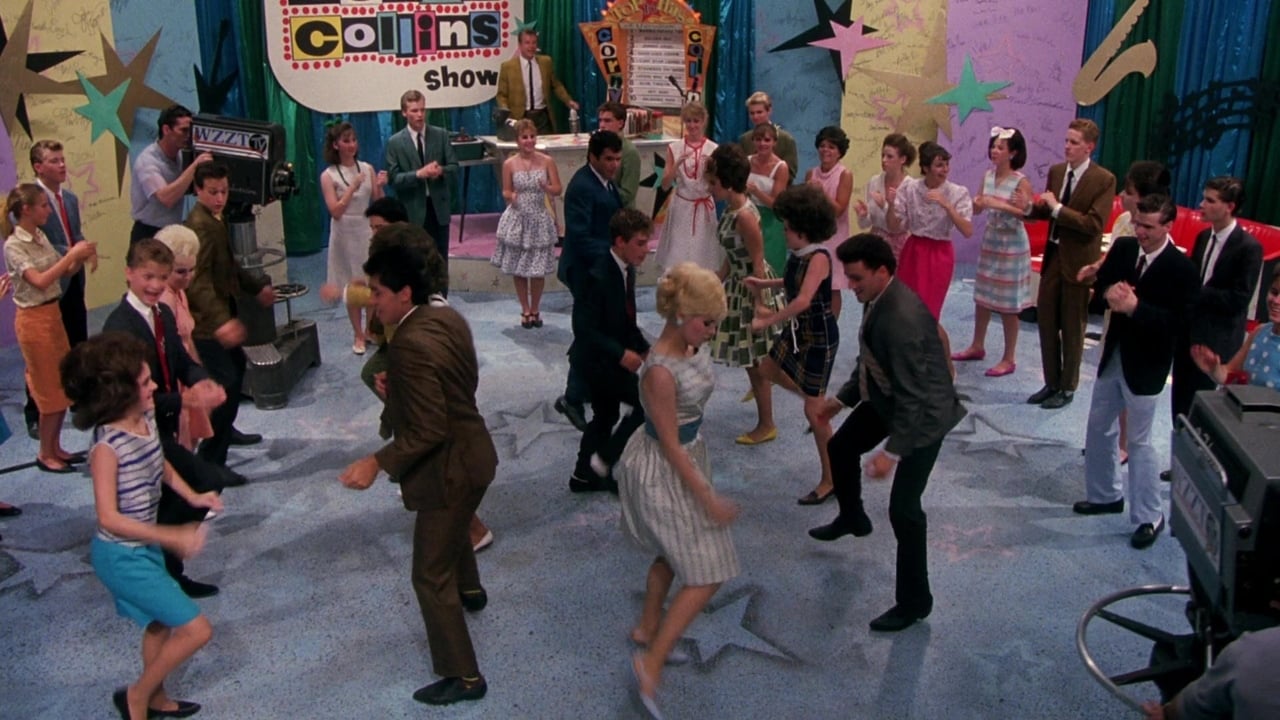
And the performances! Ricki Lake is a revelation. Plucked from relative obscurity (Waters reportedly found her after seeing her on a daytime talk show), she embodies Tracy's infectious optimism and unwavering determination. You can't help but root for her. Retro Fun Fact: Lake actually did most of her own dancing, bringing an authentic, joyful energy to the Corny Collins set.
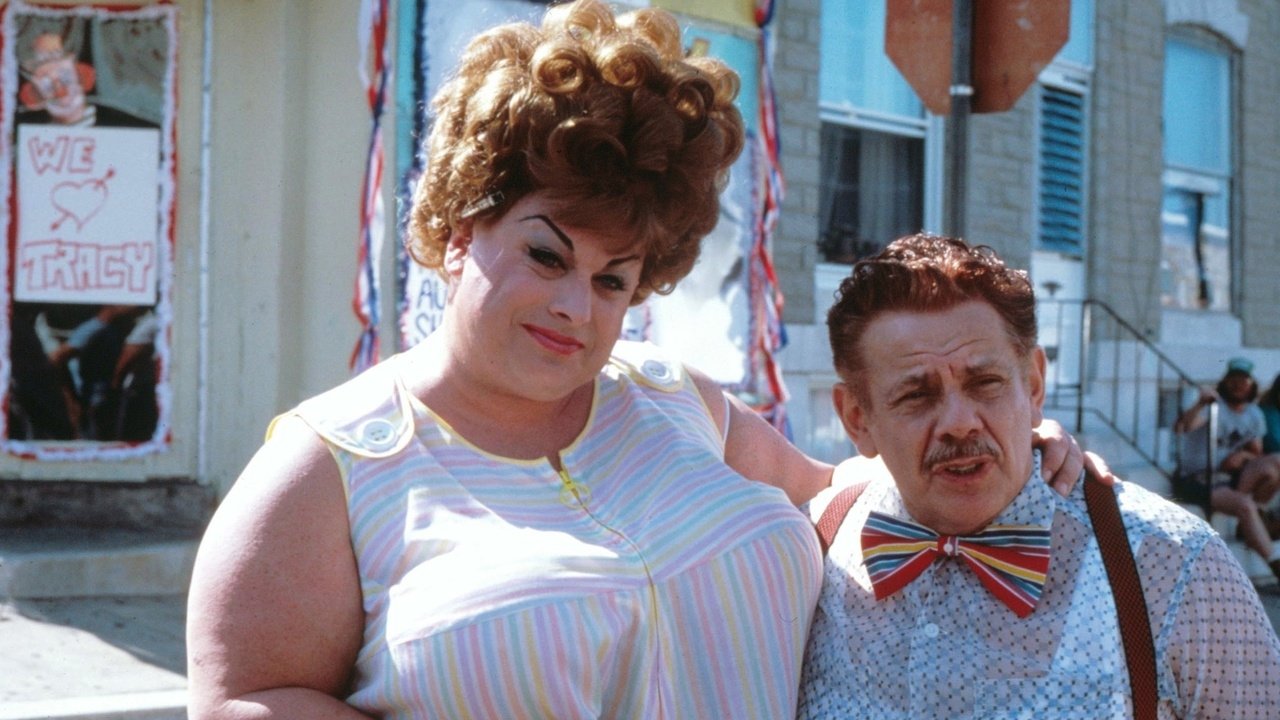
Then there's the legendary Divine, in what tragically became his final film role (he passed away just weeks after the premiere). Playing both Tracy's supportive, laundry-loving mother Edna Turnblad and the racist, perpetually sneering TV station owner Arvin Hodgepile is a stroke of genius. Divine’s Edna is warm, funny, and utterly believable, a far cry from his outrageous earlier characters but still infused with that unmistakable Divine sparkle. Seeing him navigate Edna's transformation from shy housewife to proud stage mom is one of the film's biggest joys. Retro Fun Fact: Waters initially had difficulty securing funding because studios were wary of casting Divine in the mother role, a testament to how groundbreaking this seemingly sweet film actually was.
The supporting cast is a dream team of familiar faces and inspired cameos. Debbie Harry and Sonny Bono (as Franklin Von Tussle) are deliciously villainous, Jerry Stiller is wonderfully flustered and supportive as Tracy's father Wilbur (owner of the Hardy-Har-Har joke shop!), and look closely for Pia Zadora as a beatnik chick and even John Waters himself as a quirky psychiatrist.
Dancing Through Change
The heart of Hairspray beats to the rhythm of early 60s rock and roll and R&B. The soundtrack is killer, driving the narrative and fueling the fantastic dance sequences on "The Corny Collins Show" (inspired by Baltimore's real-life "Buddy Deane Show"). These scenes capture the energy and innocence of the era, but Waters uses them to subtly (and sometimes not-so-subtly) push the film's core message of integration and acceptance. When Tracy and her friends decide to crash the segregated party, it’s presented not just as rebellion, but as the right thing to do, wrapped in joyous choreography.
Did critics get it back then? Mostly, yes. While some were perhaps expecting more of Waters' earlier shock tactics, many recognized the film's charm, wit, and underlying substance. It wasn't a blockbuster smash initially, but it quickly found its audience on home video (hello, VHS!) and became a certified cult classic, celebrated for its humor, heart, and progressive message – themes that resonated enough to spawn a hit Broadway musical and a successful 2007 remake. Retro Fun Fact: The film was shot entirely on location in and around John Waters' beloved Baltimore, adding another layer of authenticity. He knew these streets, these attitudes, this feeling.
The Final Spin
Hairspray is more than just nostalgia; it's a vibrant, funny, and surprisingly moving film that uses the trappings of the past to comment on timeless issues. It’s proof that you can tackle serious themes like racism and prejudice with humor, infectious music, and a whole lot of style. The blend of Waters' unique sensibility with genuinely sweet storytelling is intoxicating.
VHS Heaven Rating: 9/10
Justification: Hairspray earns this high score for its perfect casting (especially Lake and Divine), its brilliant blend of camp and sincerity, its killer soundtrack, its enduring message of acceptance, and its status as a feel-good cult classic that launched careers and captured a specific, quirky charm. It's Waters refining his edge for a broader audience without losing his soul. A minor point deduction perhaps for some elements feeling slightly broad by today's standards, but its heart is enormous.
Final Thought: Like finding that perfect tune on the radio late at night, Hairspray remains a joyous blast from the past whose beat – and message – still feels incredibly fresh today. Go tease your hair up high and give it another watch!