Alright, rewind your minds with me. Picture this: cruising the aisles of the local video store, maybe a 'Video Barn' or 'Blockbuster' if you were lucky, the scent of plastic clamshells and slightly stale popcorn in the air. Your eyes scan past the big-budget action flicks, the slasher sequels, and then… BAM. You land on a cover that just screams '80s pulp adventure' – maybe a daring heroine, exotic landscapes, maybe a hint of danger and allure. That, my friends, is the siren call of 1984's Gwendoline (or, to give its glorious full title, The Perils of Gwendoline in the Land of the Yik-Yak).

This wasn't just another movie; it felt like uncovering a secret treasure map promising thrills, spills, and maybe something a little... different. And different it certainly was.
### From Fetish Art to Jungle Adventure
Let's get one thing straight: Gwendoline has pedigree, albeit a rather unusual one. It's based on the risqué bondage-themed comics "Adventures of Sweet Gwendoline" by John Willie, a name probably unfamiliar unless you frequented very specific kinds of bookstores. Taking the directorial reins was Just Jaeckin, the French filmmaker infamous (or famous, depending on your perspective) for bringing the world the soft-focus eroticism of Emmanuelle (1974). Combining these elements already tells you this isn't your standard Spielbergian adventure. Instead, Jaeckin crafts a film that feels like a fever dream blend of Indiana Jones, Flash Gordon, and a particularly elaborate lingerie catalogue photoshoot.
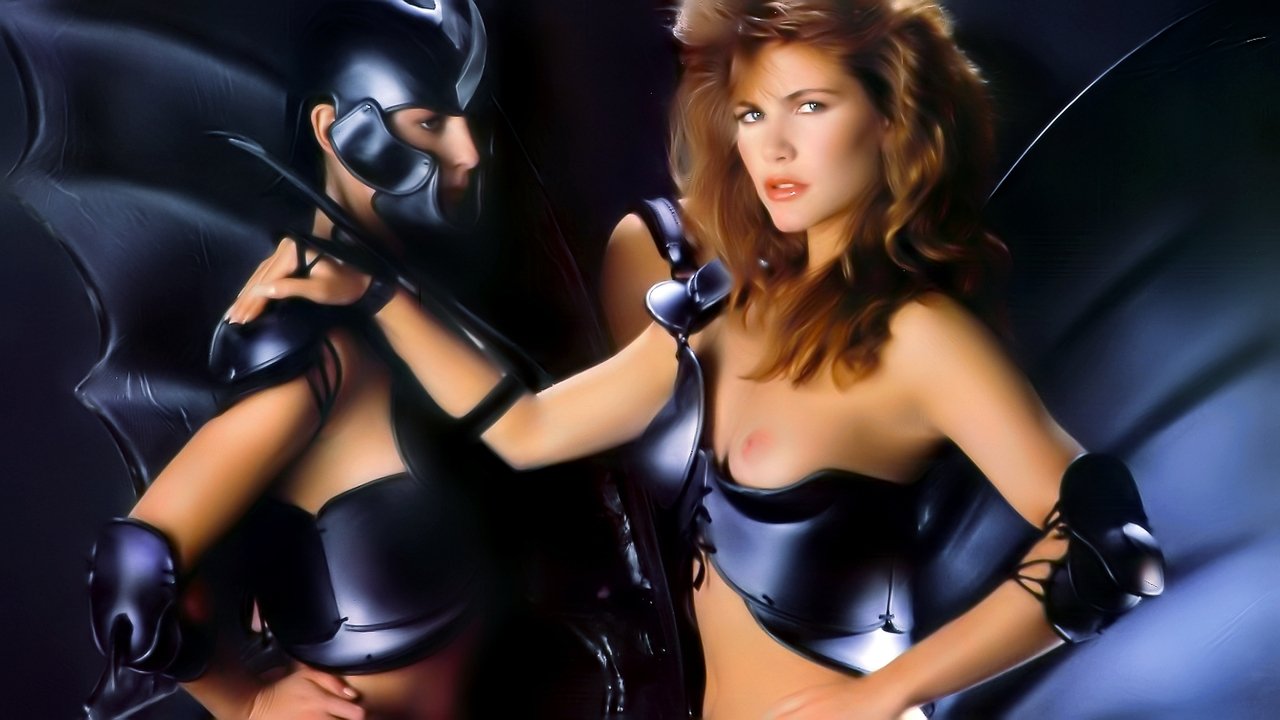
The plot, such as it is, follows the naive but determined Gwendoline (Tawny Kitaen, radiating earnest charm years before cartwheeling across Whitesnake car bonnets) as she ventures into a vaguely defined 'Orient' – actually the stunning, budget-friendly landscapes of the Philippines – searching for her lost father and a mythical butterfly. Along for the ride are her wisecracking maid Beth (Zabou Breitman, providing genuine comic relief) and rugged adventurer-for-hire Willard (Brent Huff, channeling pure 80s action-hero stoicism). Their quest leads them through treacherous jungles, shady ports, and ultimately to the hidden, matriarchal city of the Yik-Yak, ruled by a formidable queen.
### Practical Thrills in the Land of the Yik-Yak
Okay, let's talk action, because that's where Gwendoline delivers its specific brand of VHS-era excitement. Forget slick, weightless CGI. This is the realm of tangible danger, of stunts that look like they hurt. Remember that rickety rope bridge sequence? You can practically feel the splinters and the vertigo! It's raw, it's physical. There's a fantastic sequence involving escaping down a massive stone drain – pure, unadulterated practical set design and stunt work that feels genuinely perilous.
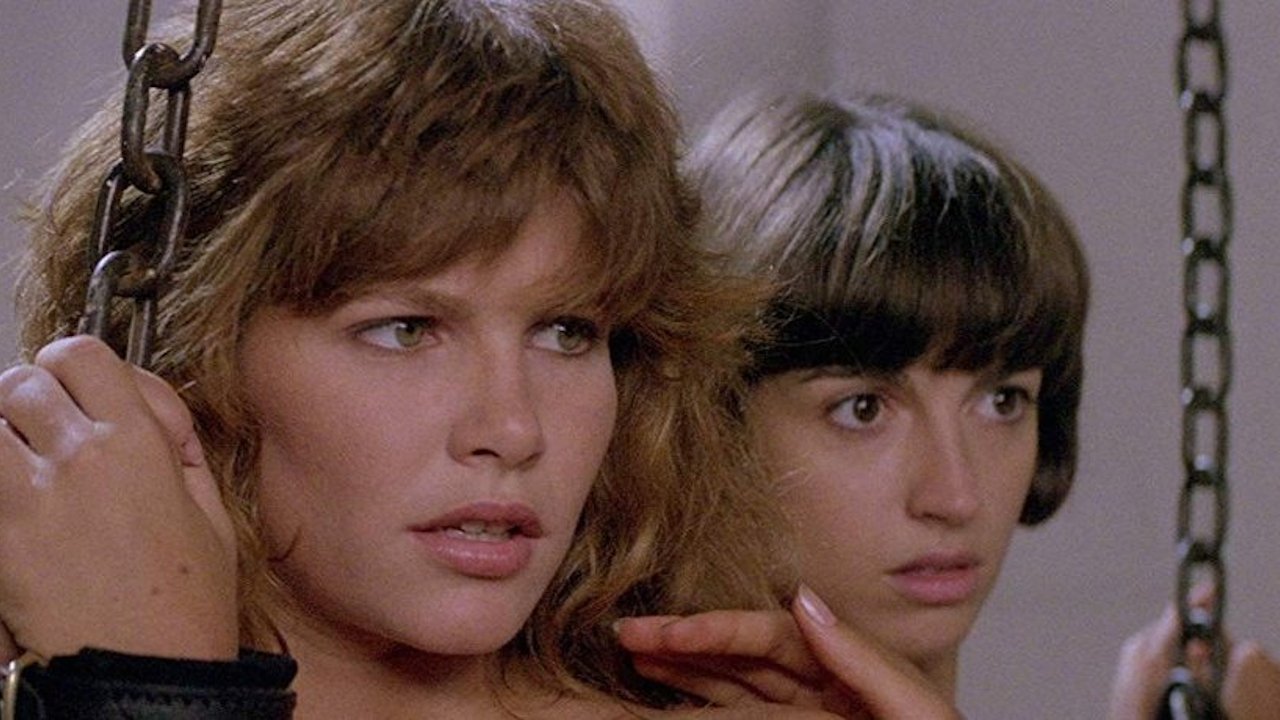
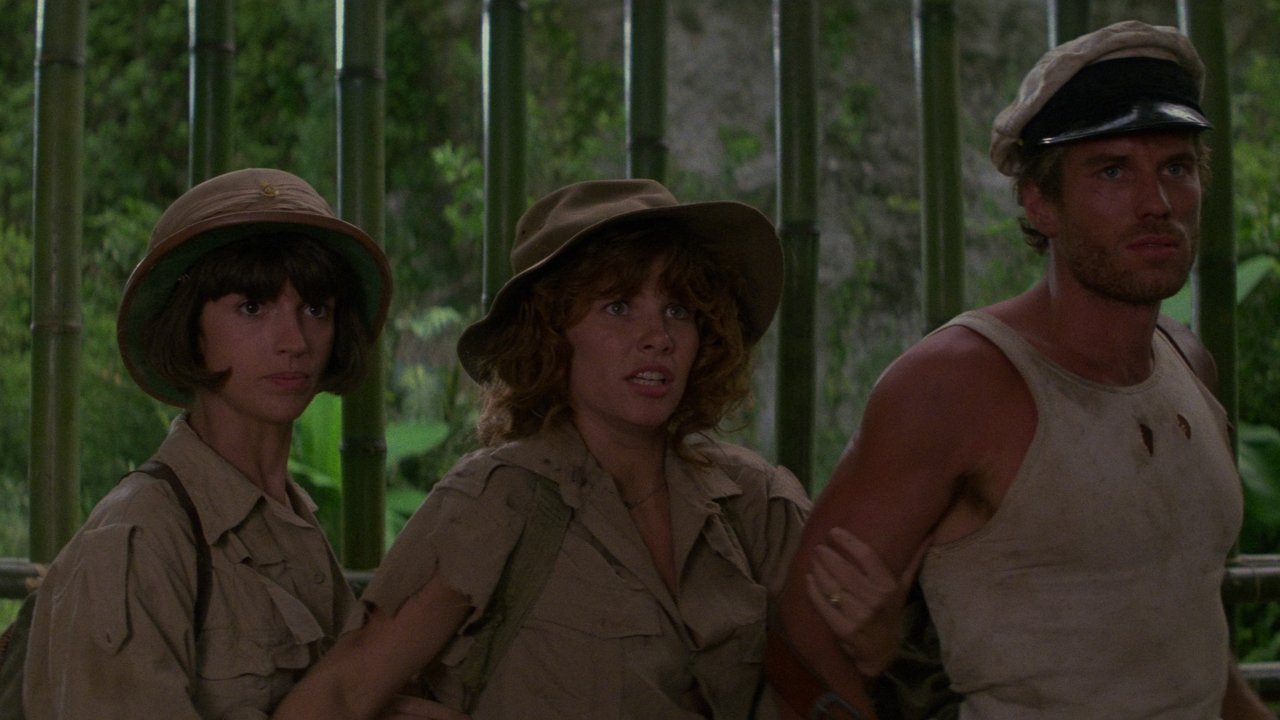
The fight scenes might not have the polished choreography we see today, but they have a clumsy energy that's oddly endearing. Willard throws punches that connect with a satisfying thud, goons tumble over railings with theatrical flair, and explosions feel… well, explosive. Just Jaeckin, despite his artier background, clearly had an eye for capturing dynamic movement, even if the logic sometimes takes a backseat to visual spectacle. One particularly memorable sequence involves a gladiatorial combat in the Yik-Yak arena – elaborate costumes, strange weapons, and a palpable sense of chaos. It wasn't always graceful, but man, it felt real on that fuzzy CRT screen late at night. It's fascinating to think this French production, reportedly costing around $10 million (a decent sum back then!), achieved its look primarily through on-location grit and clever practical builds rather than digital trickery.
### Style Over Substance? Absolutely. And That's Okay.
No one's going to argue Gwendoline is high art. The dialogue can be clunky, the plot meanders, and its grasp on cultural sensitivity is… let's just say 'of its time'. But criticizing it solely on those grounds misses the point. This film is a visual feast, a triumph of B-movie production design and sheer audacity. The costumes, especially within the Yik-Yak city – a bizarre mix of tribal, futuristic, and S&M aesthetics – are unforgettable. The sets are imaginative, capturing that lost-world pulp magazine feel perfectly.
Tawny Kitaen is perfectly cast as the wide-eyed heroine, embodying both innocence and burgeoning strength (and looking spectacular in various states of adventuring attire). Brent Huff fills the beefcake hero role admirably, cracking wise and flexing muscles as required. But it's often Zabou Breitman as Beth who steals scenes with her exasperated reactions and genuine pluck. You can tell the cast is leaning into the inherent campiness, and it works. Just Jaeckin directs with a visual flair that prioritizes striking images and atmosphere over narrative coherence, much like his earlier work. It's a film designed to be looked at, perhaps even gawked at.
The film didn't exactly set the box office alight upon release and critical reviews were, predictably, mixed-to-negative. Yet, like so many oddities from the era, Gwendoline found its true home on VHS and late-night cable, becoming a cult favorite for those who appreciated its unique blend of action, cheesecake, and bizarre fantasy. It was the kind of tape you'd rent on a dare or stumble upon accidentally, only to be mesmerized by its sheer strangeness and visual bravado.
***

VHS Heaven Rating: 7/10
Justification: While the plot is thin and some elements haven't aged gracefully, Gwendoline scores high on sheer audacity, visual imagination, and delivering that specific, tangible thrill unique to 80s practical-effects action/adventure. It fully commits to its pulp comic roots, boasts unforgettable production design, features game performances (especially from Kitaen and Breitman), and the action sequences, while sometimes clunky, have a raw energy often missing today. It's a quintessential cult artifact from the VHS era – flawed, yes, but undeniably fun and visually striking.
Final Thought: Gwendoline is pure, unadulterated 80s pulp escapism bottled onto magnetic tape – a gloriously campy adventure where the practical stunts felt as dangerous as the questionable fashion choices, and honestly? Sometimes, that's exactly what you need.