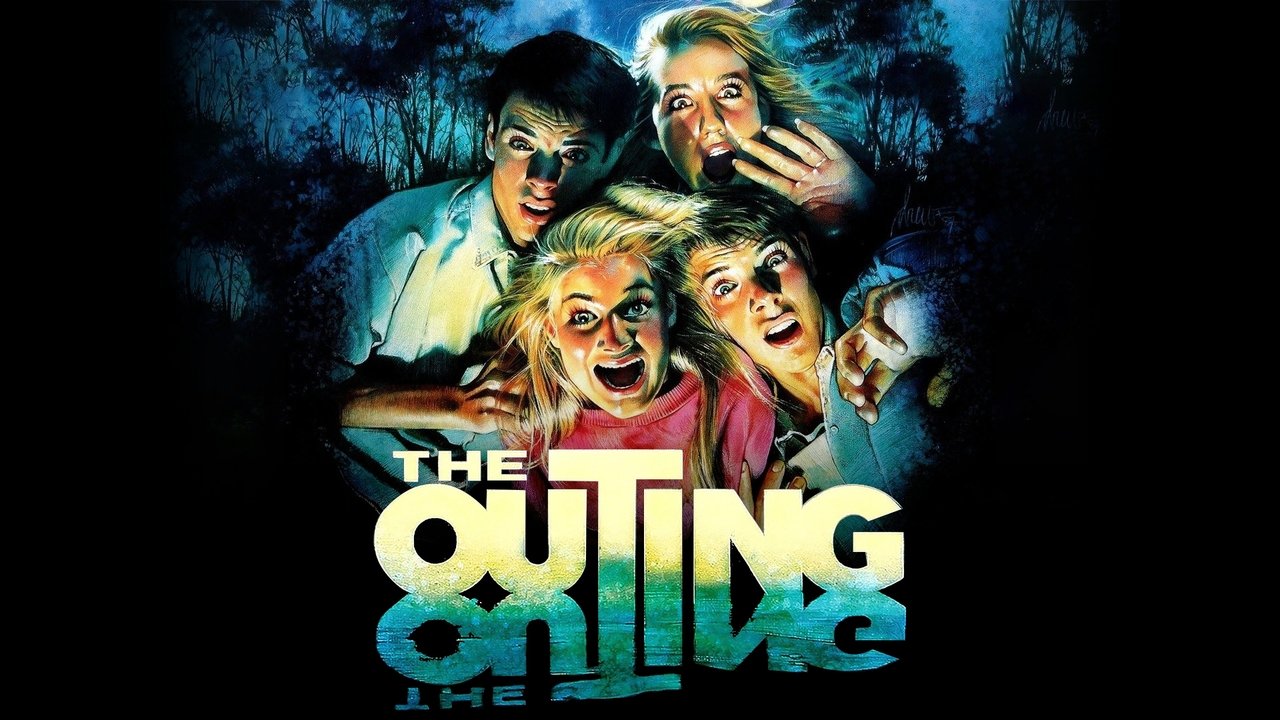
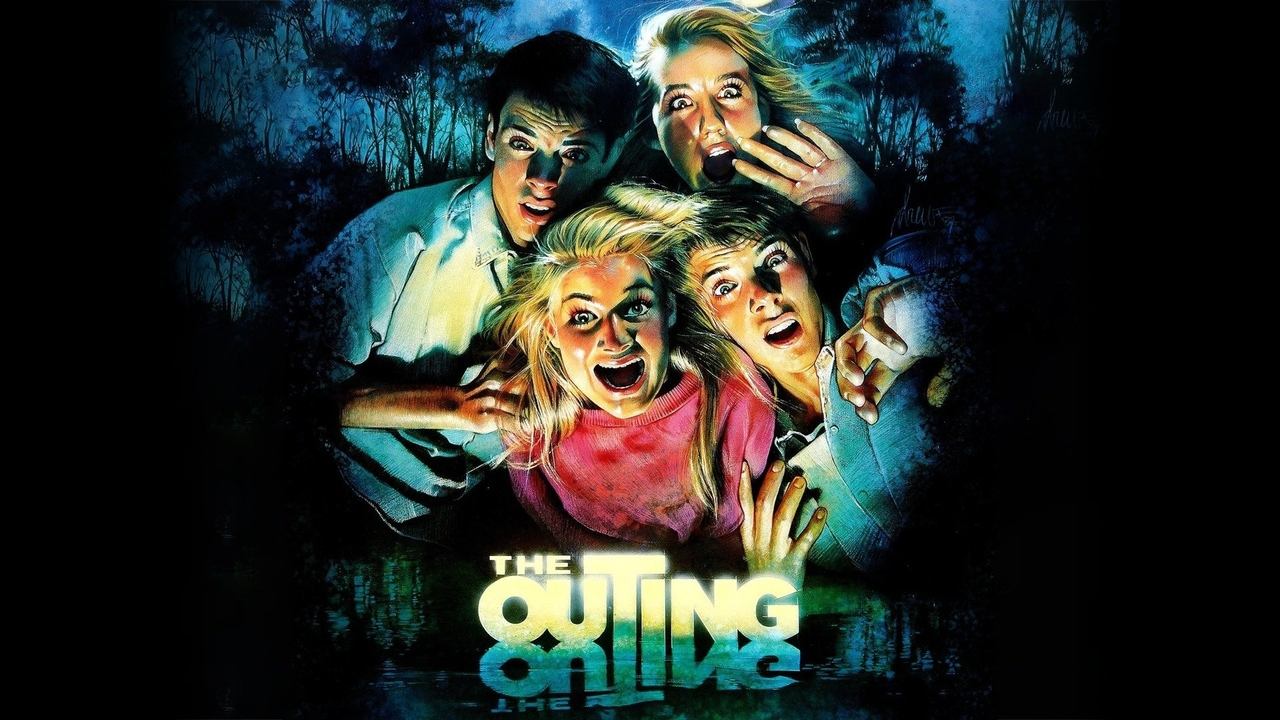
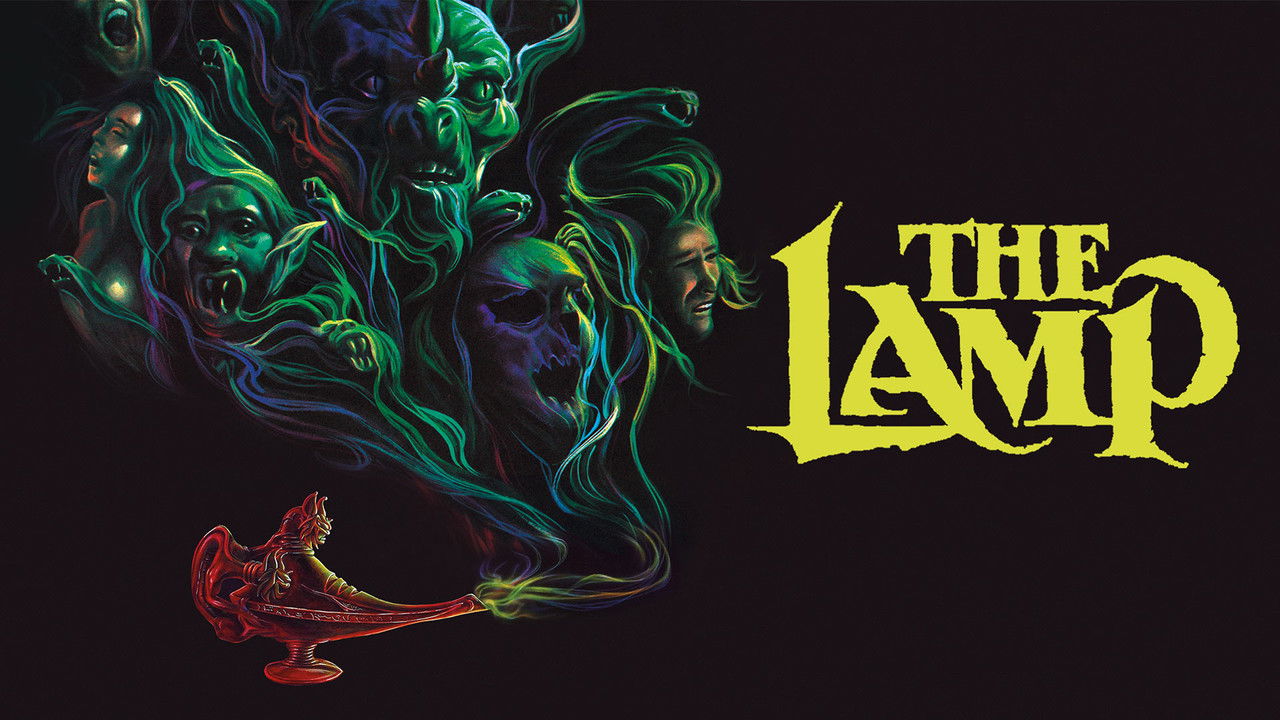
Some artifacts refuse to stay buried. They whisper from the dust, imbued with a malice that time cannot erode. Such is the dark heart of The Outing (1987), a film that might have lurked on the video store shelf under its alternate, arguably more generic title, The Lamp. But whichever box you slid from the racks, the chill promised was the same: the unsettling violation of the familiar, turning a place of learning into a nocturnal abattoir.
### Shadows in the Exhibit Hall
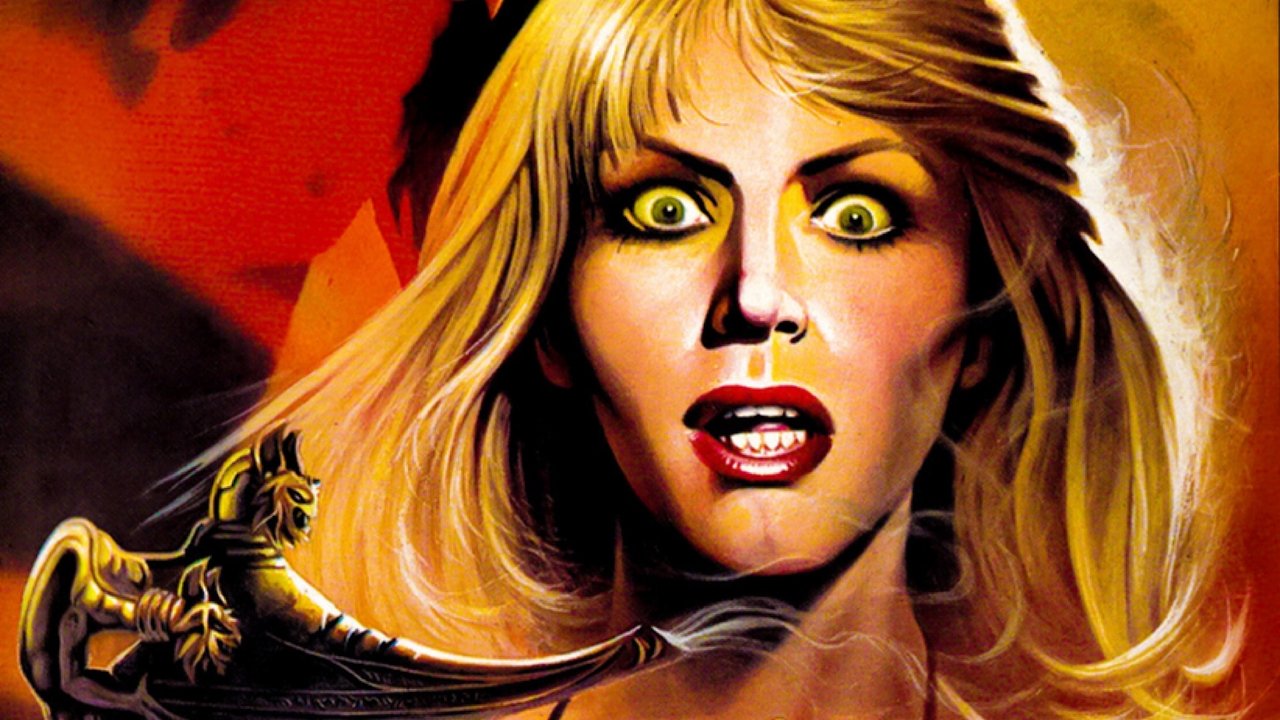
The premise feels ripped from a campfire tale told under a flickering flashlight. Young Alex Wallace (Andra St. Ivanyi) finds herself strangely drawn to an ancient lamp unearthed during an archaeological dig connected to her family. Unbeknownst to her, this isn't some charming antique; it's the prison of a malevolent djinn, a creature of smoke and shadow with a penchant for gruesome wish-fulfillment. When Alex's school bullies lock her and her friends inside the Houston Museum of Natural Science overnight after a field trip, the djinn seizes its chance. The echoing halls, usually filled with chattering students and curious onlookers, become a hunting ground cloaked in darkness.
Director Tom Daley and writer Warren Chaney tap into a primal fear here – being trapped after hours in a large, imposing building. Museums, by their nature, house the dead and the ancient. The Outing weaponizes this inherent eeriness. The familiar exhibits – the towering dinosaur skeletons, the glassy-eyed dioramas, the cabinets of preserved specimens – warp into menacing shapes in the low light. The silence, usually broken by footsteps and voices, is instead punctuated by unnatural sounds and the growing dread of the unseen. The film was indeed shot on location at the real Houston Museum of Natural Science and the nearby Burke Baker Planetarium, lending an authentic, imposing scale to the terror that a studio set might have lacked. This choice anchors the supernatural horror in a tangible, recognizable space, making the djinn's intrusion feel all the more violating.
### Unleashing Low-Budget Evil
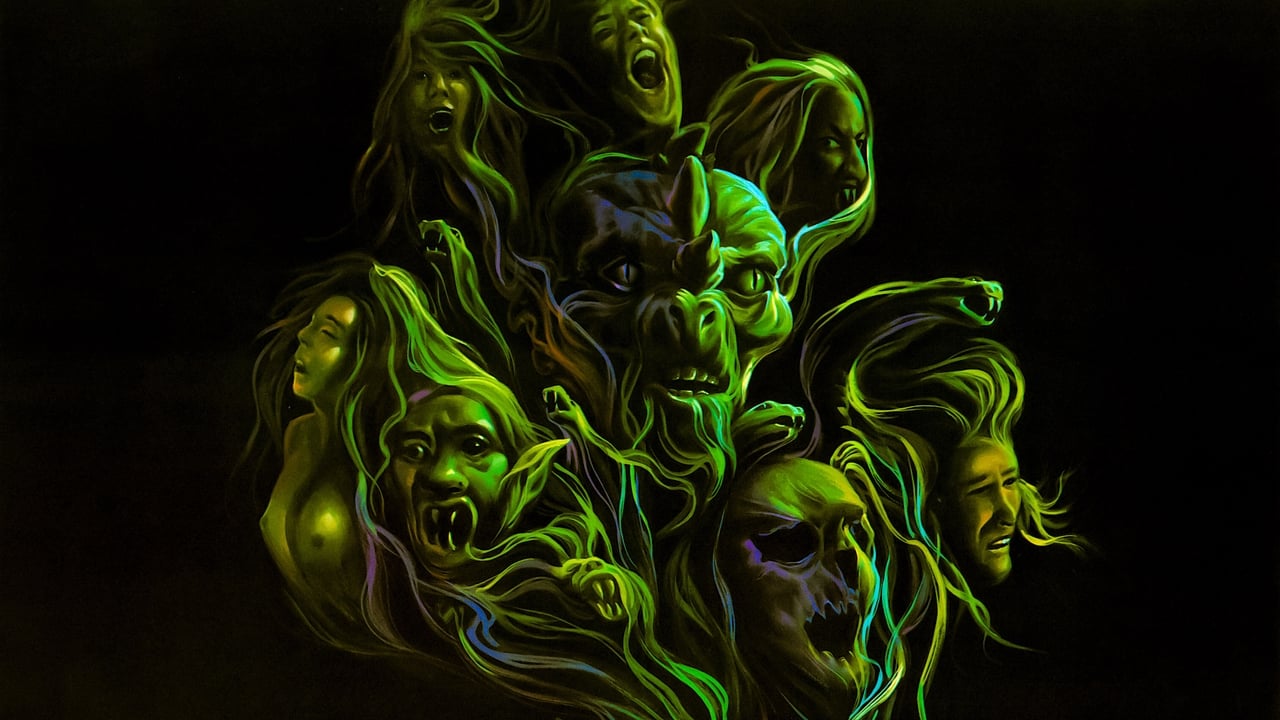
Let's talk about the djinn. In an era celebrated for its practical effects wizardry, The Outing delivers a creature that is... ambitious, certainly. Realized through puppetry, makeup, and optical effects, the djinn is a grotesque figure, shifting and unstable. Does it hold up perfectly today? Perhaps not. Yet, there's an undeniable physicality, a rubbery, monstrous presence that CGI often lacks. You can almost smell the latex. Remember the palpable texture of those 80s monsters on grainy VHS? This creature feels like that. Its design, while perhaps not reaching the iconic heights of a Stan Winston creation, possesses a unique, unsettling quality. There are moments, particularly involving its interaction with victims, that leverage the practical approach for genuine shocks – sequences involving snakes (reportedly, actress Deborah Winters had a genuine phobia, adding an unintended layer of realism to her terror) and spiders stand out as particularly skin-crawling.
The production itself, operating on a relatively modest budget (estimated around $1.5 million – roughly $4 million today), clearly put its resources into these key creature and gore sequences. This focus sometimes comes at the expense of other elements. The pacing can feel uneven, lingering perhaps a bit too long on the setup before the museum lockdown truly unleashes hell. The acting, largely from a cast of lesser-known actors (James Huston plays Alex's concerned father), fits the B-movie mold – earnest, occasionally stiff, but contributing to the film's overall charm for those of us who grew up scouring the horror aisles for anything that looked remotely scary. Andra St. Ivanyi, as the final girl burdened by the cursed lamp, carries the film with a believable vulnerability mixed with burgeoning resolve.
### A Relic of the Rental Era
The Outing isn't a slick, polished nightmare. It's rough around the edges, occasionally goofy, and bears all the hallmarks of its time – the fashion, the teen dynamics, the specific cadence of 80s horror dialogue. Yet, it possesses a certain undeniable atmosphere. The slow-burn tension builds effectively within the museum's confines, punctuated by moments of startling brutality that likely caught unsuspecting renters off guard back in the day. There's a sincerity to its scares, an attempt to deliver genuine monster movie thrills that feels characteristic of the era's genre output. Did you ever stumble upon this one, maybe tucked between more famous slashers and creature features, expecting one thing and getting this slightly skewed, djinn-centric oddity instead?
It’s a film that perfectly encapsulates the experience of discovering hidden gems (or at least hidden… somethings) on VHS. It wasn't a blockbuster, its cast weren't household names, but it offered a potent dose of supernatural dread and creature chaos that stuck with you, perhaps precisely because it felt a little different, a little stranger than the mainstream fare. Its legacy isn't one of groundbreaking innovation, but rather of being a solid, memorable entry in the vast library of 80s video horror – a quintessential example of a film finding its audience long after its limited theatrical run, thriving in the flickering glow of countless CRT screens.
### VHS Heaven Rating: 6/10
The Outing earns its score through sheer atmospheric dedication and memorable, if dated, practical monster mayhem. The museum setting is brilliantly utilized, creating a genuinely creepy playground for the djinn. While hampered by pacing issues, some uneven acting, and effects that show their seams, the film delivers enough unique chills and 80s B-movie personality to warrant a watch for dedicated fans of the era. It might not be a flawless artifact, but it's a fascinating and often effectively spooky relic nonetheless.
Final Thought: It’s a potent reminder that sometimes the most unsettling horrors aren't out in the woods or in deep space, but lurking within the dusty corners of places we thought were safe, waiting patiently in the dark for the lights to go out.