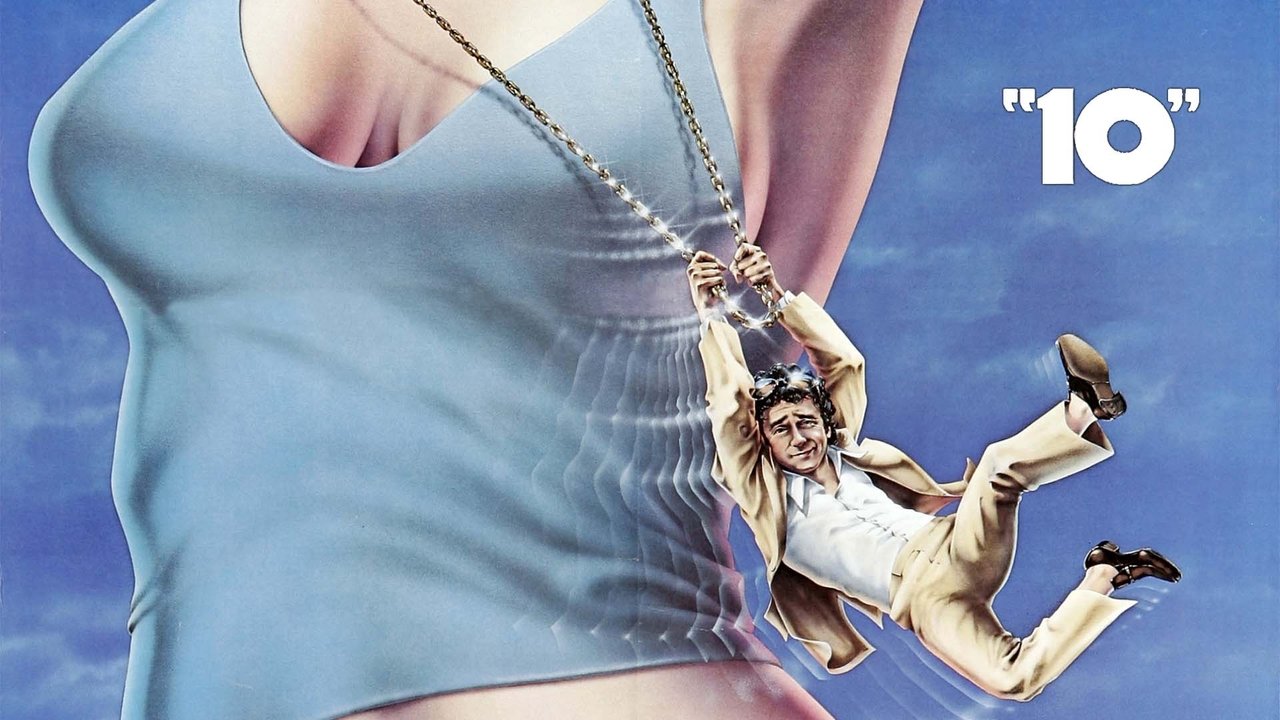
Okay, rewind your minds with me. Picture this: it's a Friday night, maybe late 70s spilling into the early 80s vibe, you’re browsing the aisles of the local video rental spot. Tucked between the action flicks and sci-fi adventures, there's this comedy with a simple, numerical title: 10. You might vaguely remember the buzz, the image of that woman running on the beach. You grab the tape, pop it in the VCR later that night, and settle in for what turns out to be a surprisingly sharp, funny, and yes, deeply relatable look at the male midlife crisis, courtesy of the master, Blake Edwards.
The Forty-Something Itch
At the heart of 10 is George Webber, played with absolute comedic perfection by the diminutive dynamo, Dudley Moore. George is a successful composer turning 42, living a seemingly idyllic life in Beverly Hills with his intelligent, talented singer girlfriend, Samantha Taylor (Julie Andrews, radiating warmth and weary understanding). But George is spiraling. He feels old, irrelevant, and terrified of mortality. It's a classic setup, but Edwards, who also wrote the screenplay, imbues it with a specific blend of sophisticated wit and breathtaking slapstick that few could manage. It’s fascinating to remember that George Segal was originally cast but dropped out early in production; it's almost impossible now to imagine anyone but Moore, with his impeccable timing and expressive vulnerability, in the role. He makes George’s anxieties palpable, even when his actions become utterly ridiculous.
An Encounter Rated '11'
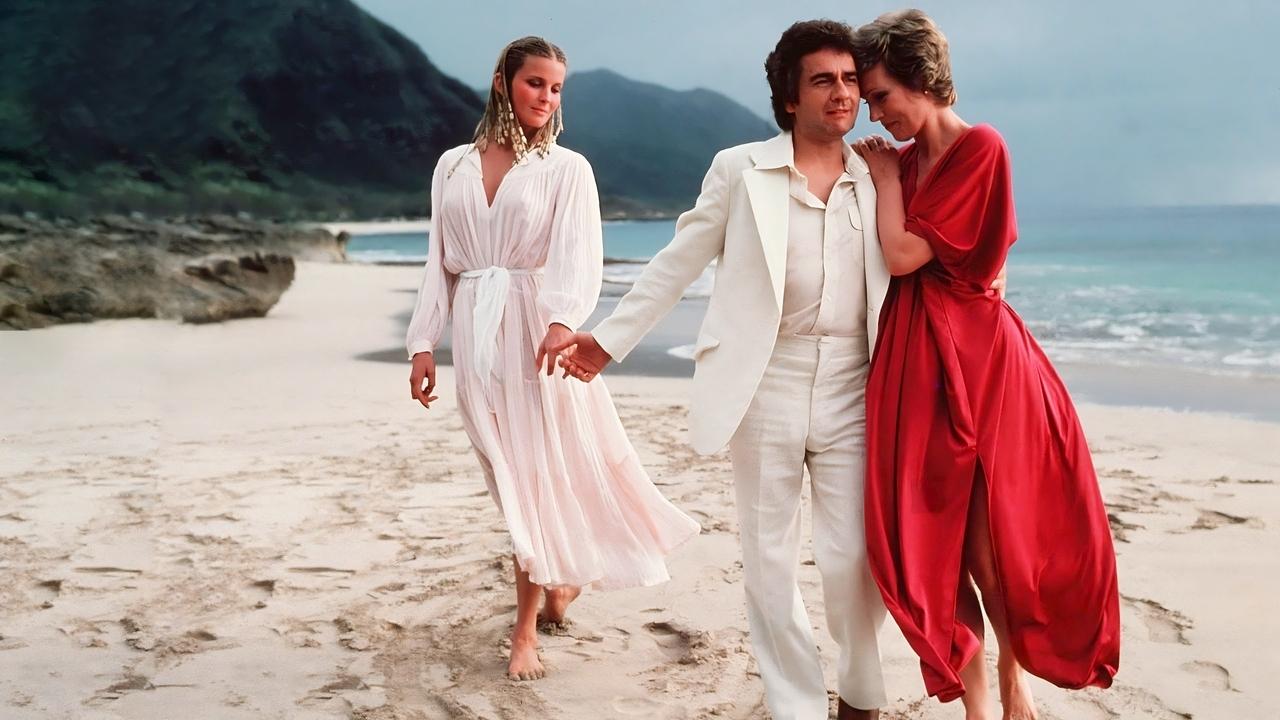
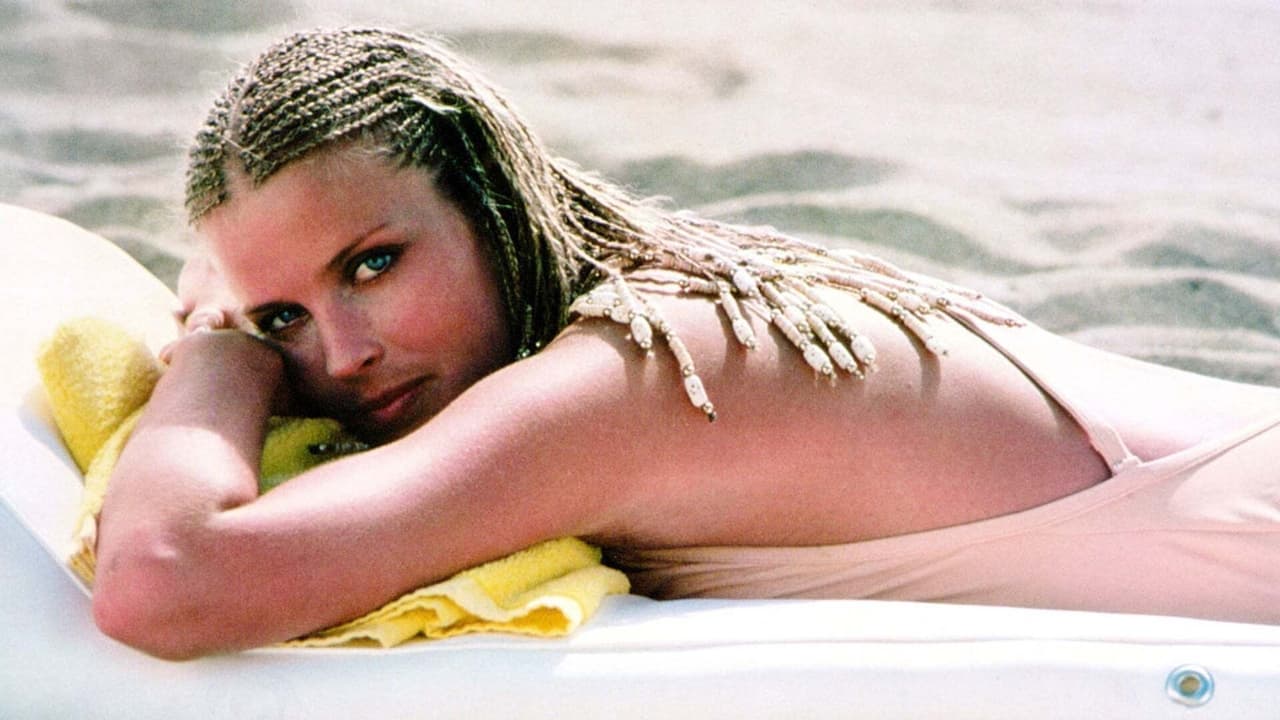
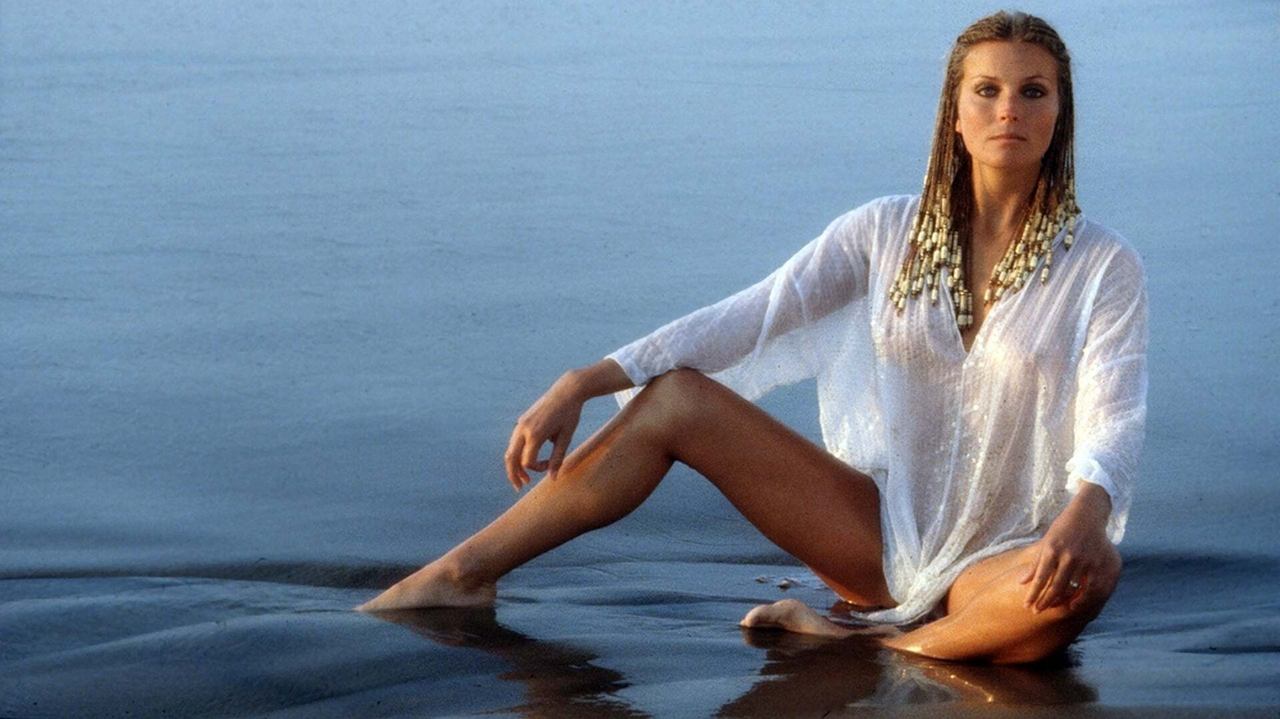
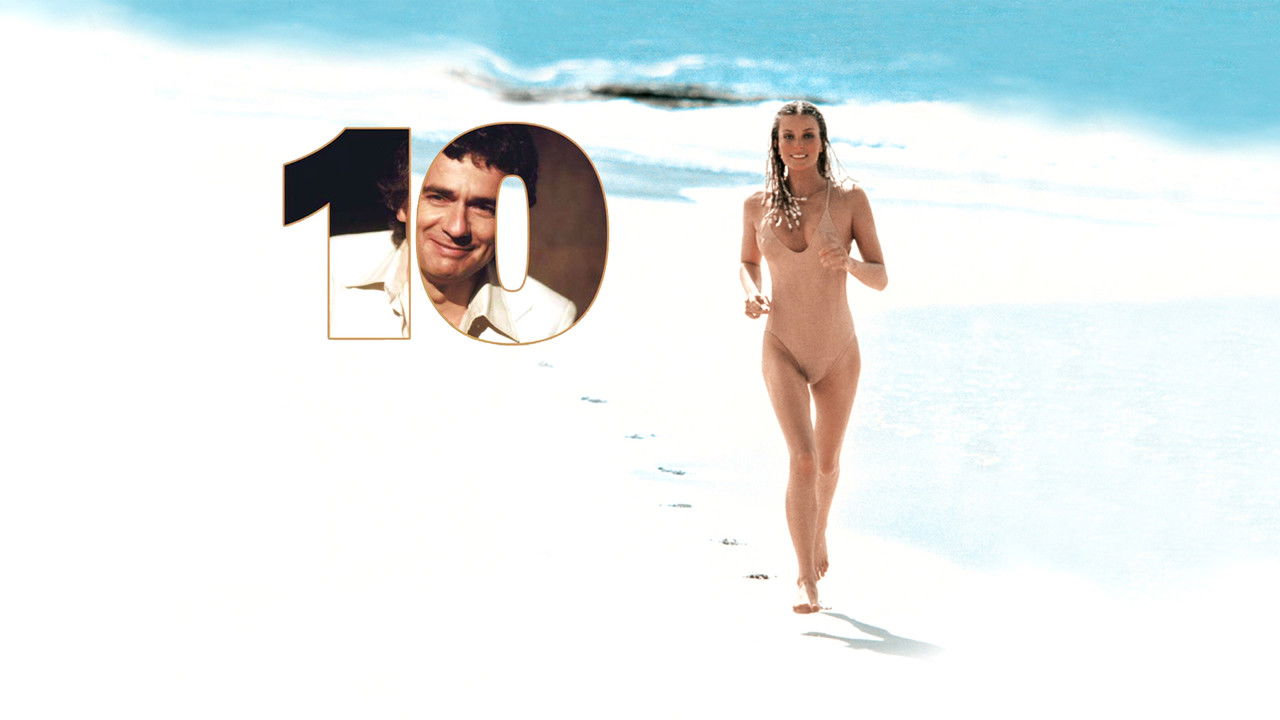
The catalyst for George's full meltdown arrives in the form of Jenny Hanley, played by Bo Derek. Stuck in traffic, George spots her, ethereal in the back of a limousine on her way to her wedding. To George, she is, quite literally, perfection incarnate – a "10" on a scale of 1 to 10 (though he later drunkenly declares her an "11"). This fleeting glimpse triggers an obsession that borders on the certifiable. Edwards films this moment almost like a dream sequence, capturing that instant, irrational infatuation. And let's be honest, Bo Derek, with her cornrows and that unforgettable slow-motion beach run set to Ravel's "Boléro", became an overnight cultural phenomenon thanks to this film. Apparently, the iconic beaded cornrow hairstyle was Derek's own idea, taking hours to braid each day on set in Mexico, where much of the latter half was filmed.
From Beverly Hills to Manzanillo Madness
What follows is George’s increasingly desperate and hilarious pursuit of his fantasy. He crashes Jenny's wedding (disastrously), gets agonizing dental work done by her father just to get closer, and eventually follows her and her new husband on their honeymoon to a Mexican resort. This is where Edwards truly lets Moore shine. The physical comedy is brilliant – think Peter Sellers in The Pink Panther films (also directed by Edwards, of course), but infused with Moore's unique blend of panic and pathos. There’s a sequence involving George, a telescope, a nude beach, and an unfortunate encounter with a priest that remains comedy gold. Supporting characters, like Robert Webber as George's pragmatic, songwriting partner Hugh, add layers of dry humor that perfectly counterpoint George's mania. And we can't forget the score by the legendary Henry Mancini, Edwards' frequent collaborator. Beyond the inspired use of "Boléro," Mancini’s original music captures both the breezy Californian setting and George's underlying melancholy.
More Than Just the Punchline
While the film is undeniably focused on George's journey, Julie Andrews elevates Samantha beyond just being "the girlfriend." She’s witty, perceptive, and ultimately, she holds George accountable for his self-absorbed behaviour. Their scenes together provide the film's emotional anchor, reminding us of the real relationship George is jeopardizing for a fantasy. It’s a testament to Andrews' talent and her chemistry with Moore (they'd later re-team with Edwards for 1981's Victor/Victoria). The film doesn't shy away from the messy realities of relationships and desire, even amidst the laughs. Its R-rating, somewhat surprising for a mainstream comedy back then, felt earned, not just for the nudity, but for its candid look at adult themes.
A Product of Its Time, But Still Runs Strong
Sure, watching 10 today, some elements feel distinctly late-70s. The sexual politics, the sheer focus on a man rating women numerically – it definitely wouldn't be made the same way now. But the film’s core themes of aging, insecurity, and the often-comical gap between fantasy and reality remain timeless. And crucially, it works because Dudley Moore makes George Webber sympathetic even at his most foolish. We laugh with him as much as at him. Made for around $7 million, 10 became a massive hit, grossing over $75 million and cementing Moore's status as an unlikely leading man, paving the way for his Oscar-nominated role in Arthur just two years later.
VHS Heaven Rating: 8/10
The rating reflects the film's brilliant comedic performances (especially Moore's career-defining turn), Blake Edwards' masterful direction balancing slapstick and soul, an iconic score, and its undeniable cultural impact. It loses a point or two for elements that feel dated, but its central humour and humanity shine through brightly.
10 remains a high-water mark for sophisticated adult comedy from the era – a funny, sometimes poignant reminder that chasing perfection often leads you down the most absurd paths, especially when viewed through the wonderfully fuzzy lens of a well-loved VHS tape.