It begins with a quiet severity, doesn't it? The wind seems to bite a little sharper, the colours muted against the grey skies of the Jutland coast. Watching Gabriel Axel’s Babette’s Feast (1987), perhaps on a worn VHS tape pulled from a lower shelf at the rental store, often felt like stepping into a different era entirely – not just the 19th century setting of the film, but a different era of filmmaking, one defined by patience, observation, and a profound faith in the power of small gestures. It’s a film that doesn't shout; it whispers, and its resonance lingers long after the final credits roll.
A World of Pious Restraint
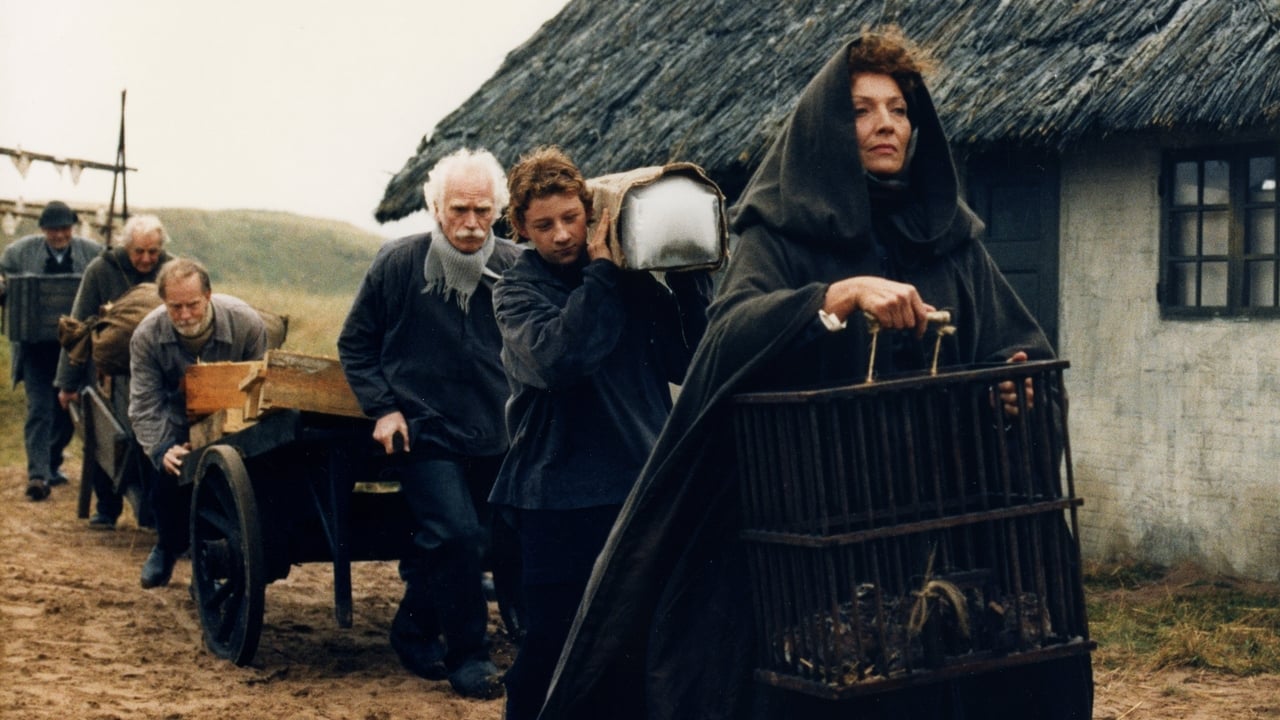
The film introduces us to Martine (Birgitte Federspiel) and Philippa (Bodil Kjer), two devout elderly sisters living in a remote Danish village. They carry on the austere legacy of their late father, a respected pastor who founded a small pietistic sect. Their lives are marked by charitable works, simple meals, and the suppression of worldly desire – a path chosen long ago, sacrificing potential romances with a dashing cavalry officer and a visiting opera singer, respectively. Into this world of quiet denial arrives Babette Hersant (Stéphane Audran), a refugee fleeing political violence in Paris, carrying only a letter of recommendation from the sisters' former suitor, the singer Achille Papin. She becomes their cook and housekeeper, adapting silently to their frugal existence for fourteen years.
The Unexpected Windfall

The narrative pivot comes unexpectedly: Babette wins 10,000 francs in the French lottery. This sum, unimaginable in their modest lives, presents a crossroads. Instead of returning to Paris, Babette makes a seemingly simple request: allow her to cook a proper French dinner for the sisters and the remaining members of their dwindling congregation, to mark the centenary of their father's birth. The sisters, apprehensive about the potential sensuousness – the worldliness – of such a meal, reluctantly agree but make a pact with their flock: they will eat the food, but they will offer no comment, no sign of pleasure, focusing instead on higher, spiritual matters. It’s a fascinating setup, isn’t it? This tension between duty and desire, spirit and flesh, played out around a dinner table.
An Artist Reveals Herself
What follows is one of cinema's most unforgettable sequences. Babette, revealing a past unknown to her employers – she was once the renowned head chef at Paris's Café Anglais – orchestrates a feast of staggering quality and artistry. Crates arrive bearing live quails, giant sea turtles for soup, wines that make the visiting General Loewenhielm (the sisters' former suitor, beautifully played by Jarl Kulle) gasp in recognition. The preparation itself is a ritual, filmed with reverence by Axel. We see Babette’s quiet intensity, the absolute focus of a master practitioner.
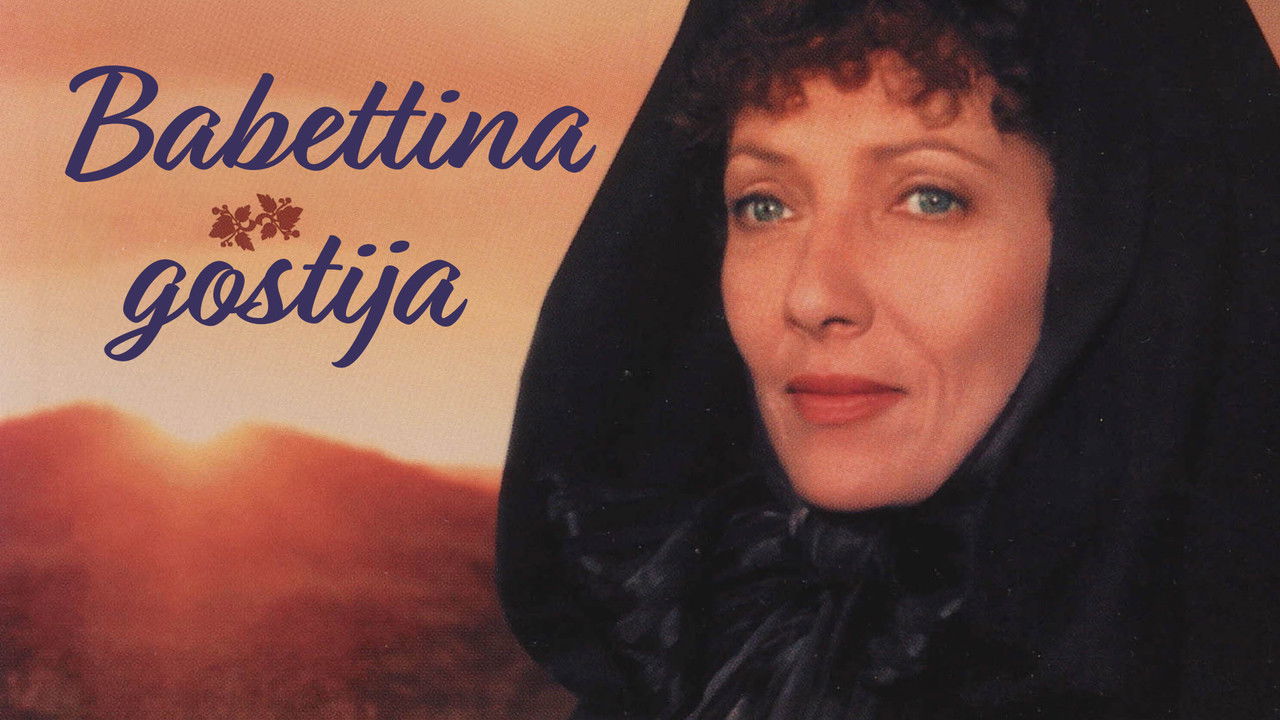
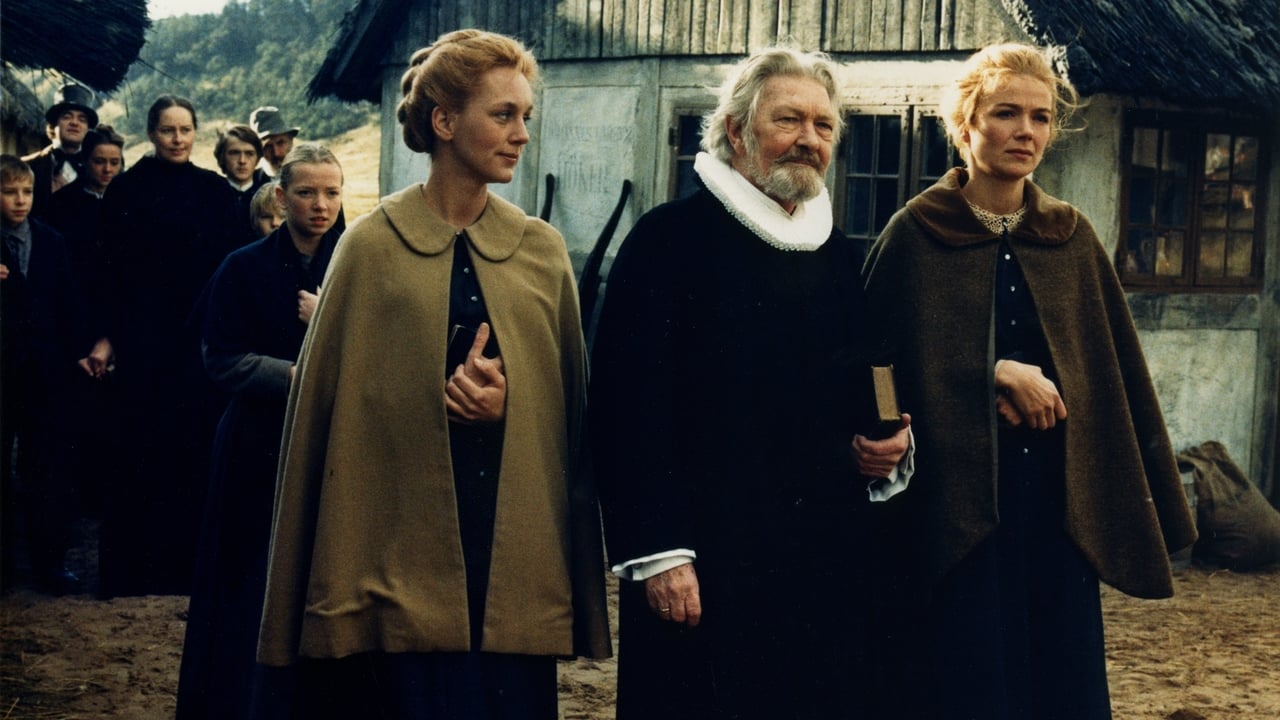
The genius lies not just in depicting the food (though it looks glorious, and reportedly involved renowned chef Jan Cocotte-Pedersen overseeing the authentic dishes), but in observing its effect on the austere diners. Initially silent and guarded as promised, the sheer sensory pleasure of the meal – the perfectly paired wines, the exquisite flavours – begins to work its magic. Old grievances soften, laughter bubbles up, memories resurface, and connections are reforged. The General, initially bewildered by the sublime quality in such humble surroundings, delivers a heartfelt speech connecting the meal to divine grace, unknowingly articulating the very essence of Babette's gift. It’s a testament to Stéphane Audran's magnificent performance; her Babette observes all this with a subtle, knowing satisfaction. Her quiet dignity throughout the film, conveying years of hidden history and restrained artistry, is truly captivating. Audran, already a celebrated figure in French cinema working often with director Claude Chabrol, brings an effortless gravitas to the role.
The Nature of the Gift
Spoiler Alert! The revelation that Babette spent her entire lottery winnings on this single meal is the film's emotional core. When the sisters express concern for her now-impoverished future, Babette delivers the line that encapsulates her sacrifice and her identity: "An artist is never poor." She explains her motivation further, telling them Papin used to say of her: "Through all the world she goes, scattering her lord’s wealth, proclaiming his kingdom which is to come.” In Paris, she satisfied the elite; here, in this remote corner of the world, she gave her absolute best, achieving the pinnacle of her art not for fame or fortune, but as an act of pure, selfless generosity. It's a profound statement on artistry, sacrifice, and finding fulfillment in the act of creation itself.
Director Gabriel Axel, who also adapted the screenplay from Karen Blixen's (writing as Isak Dinesen) short story, directs with a masterful hand. He patiently builds the world of the village, allowing the viewer to understand the weight of its traditions before introducing the transformative element of the feast. The cinematography beautifully contrasts the stark, blue-grey tones of the Danish coast with the warm, golden candlelight glow of the dinner sequence. It’s a visual representation of the film’s central theme: the blossoming of warmth and connection within a restrictive environment. It took Axel years to get the film financed, a persistence mirroring Babette's own dedication, eventually culminating in Denmark's first-ever Academy Award for Best Foreign Language Film in 1988 – a wonderful achievement for such a uniquely gentle film.
Lasting Flavours
Babette's Feast isn't a film driven by plot twists or overt action. Its power lies in its quiet observation, its deep empathy for its characters, and its celebration of the transcendent potential of art – whether it's a song, a painting, or a perfectly crafted meal. It asks us to consider where grace can be found, suggesting it might appear in the most unexpected forms, offered by the most unassuming hands. It’s a reminder that feeding the soul can be just as important as feeding the body. Does any meal, any single act of generosity, truly have the power to heal and unite? Watching Babette’s guests slowly thaw under the influence of her artistry, it’s hard not to believe it does.
Rating: 9/10
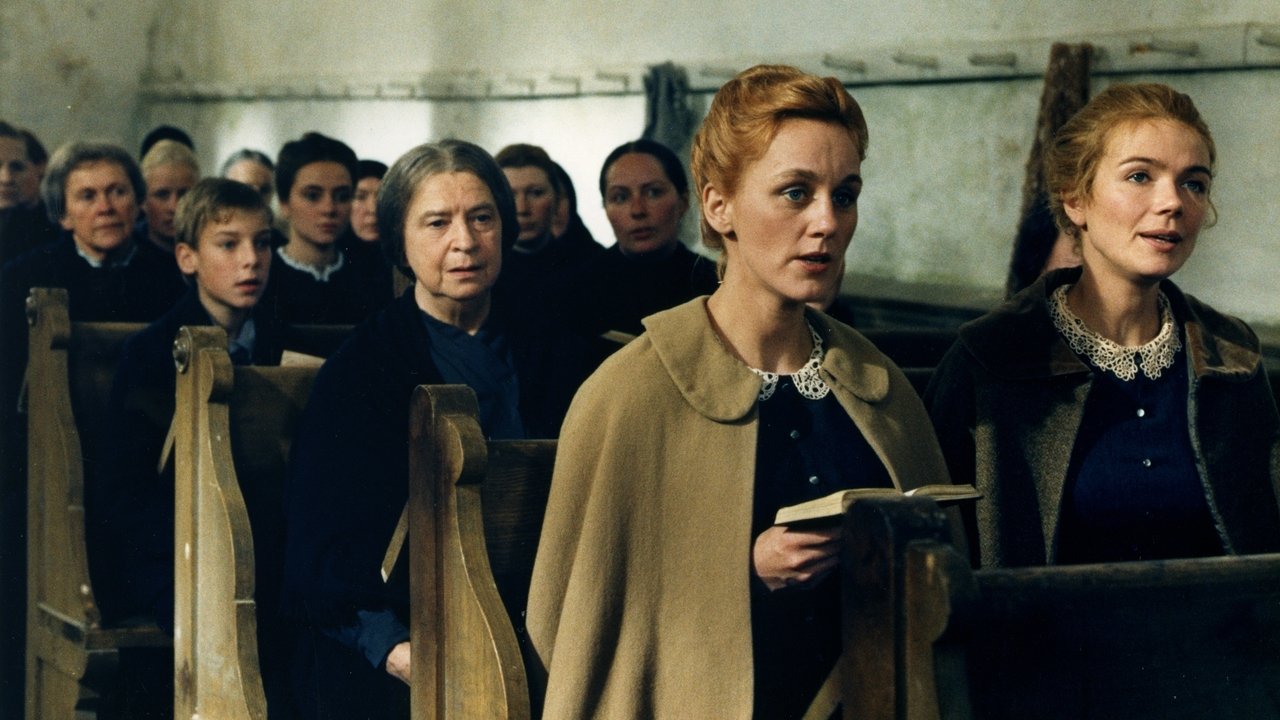
This score reflects the film's near-perfect execution of its themes, its stunning central performance by Stéphane Audran, Axel's sensitive direction, and its profound, enduring message. It avoids sentimentality while delivering deep emotional impact. It loses perhaps a single point only for its deliberate pacing, which, while essential to its character, might test the patience of viewers accustomed to faster narratives, even within the arthouse sphere.
***
Babette's Feast remains a nourishing experience for the soul, a cinematic treasure that, much like the meal it depicts, offers profound satisfaction and lingers warmly in the memory long after the viewing is over. It’s a film that truly understands that sometimes, the most spiritual act can be a shared moment of earthly delight.