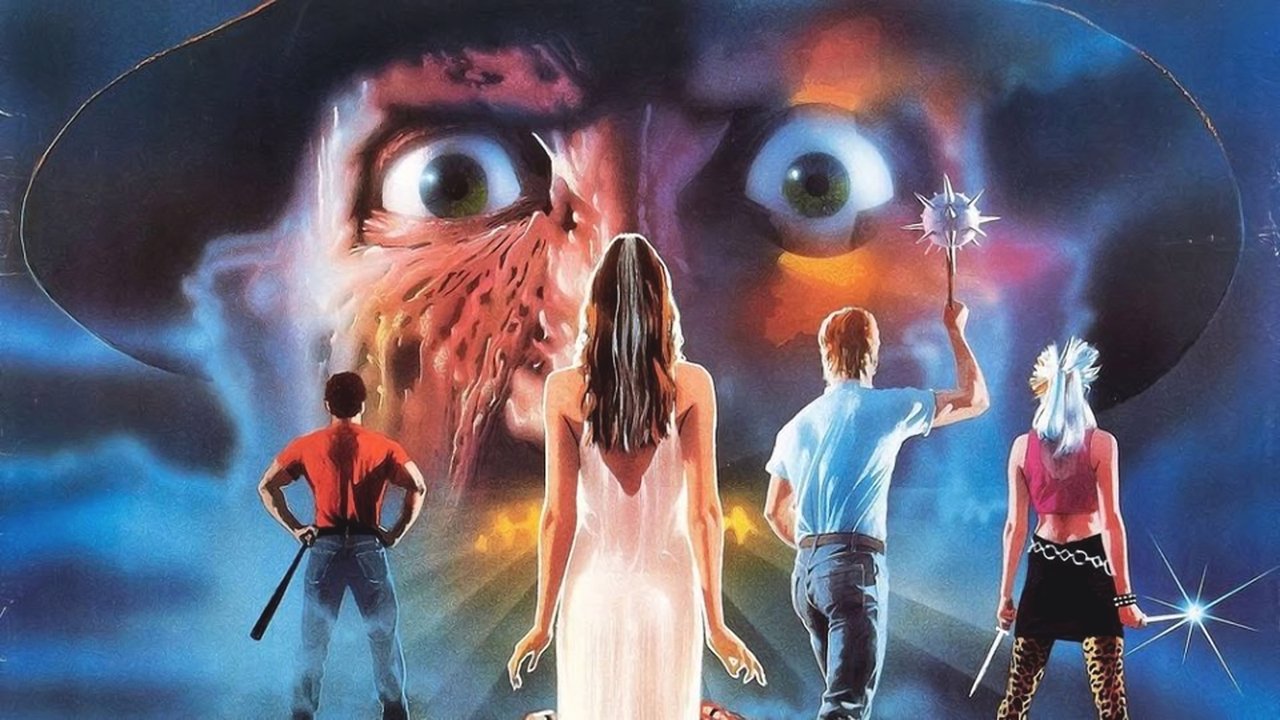
The flickering static clears, and the familiar strains of a synthesized nightmare begin. But this time, something feels different. A defiance flickers in the darkness, a refusal to simply be cattle led to slaughter in the dreamscape. A Nightmare on Elm Street 3: Dream Warriors wasn't just another sequel; it felt like the kids were finally starting to fight back, armed with the very stuff of their subconscious. Gone was the sheer, isolating dread of the original, replaced by a desperate, fantastical group struggle against the scarred specter of sleep.
Welcome Back to Prime Time
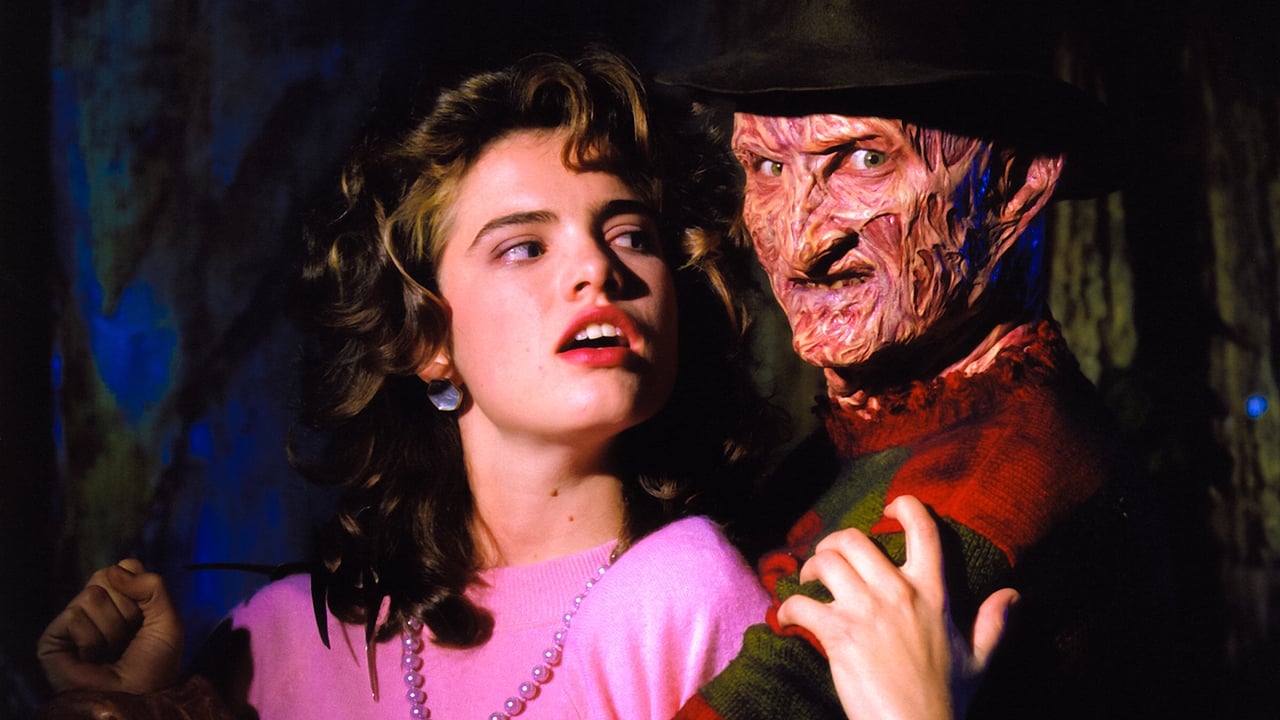
Picking up years after the first film, we find Nancy Thompson (Heather Langenkamp, returning with a grounded weariness that anchors the fantasy) now an intern therapist specializing in dream disorders. Fate, or perhaps Freddy's twisted design, leads her to Westin Hills Psychiatric Hospital, where a group of troubled teens are dismissed as suicidal. But Nancy knows better. These aren't delusions; they're the last survivors of Elm Street, targeted by the razor-gloved boogeyman himself, Freddy Krueger (Robert Englund, clearly relishing the expanded, darkly comedic potential of the role). The sterile, blue-lit corridors of the institution offer no sanctuary, merely trapping the kids in a waking nightmare before sleep inevitably claims them. It’s a chilling setup, contrasting the cold reality of psychiatric care with the baroque, personalized hellscapes Freddy conjures.
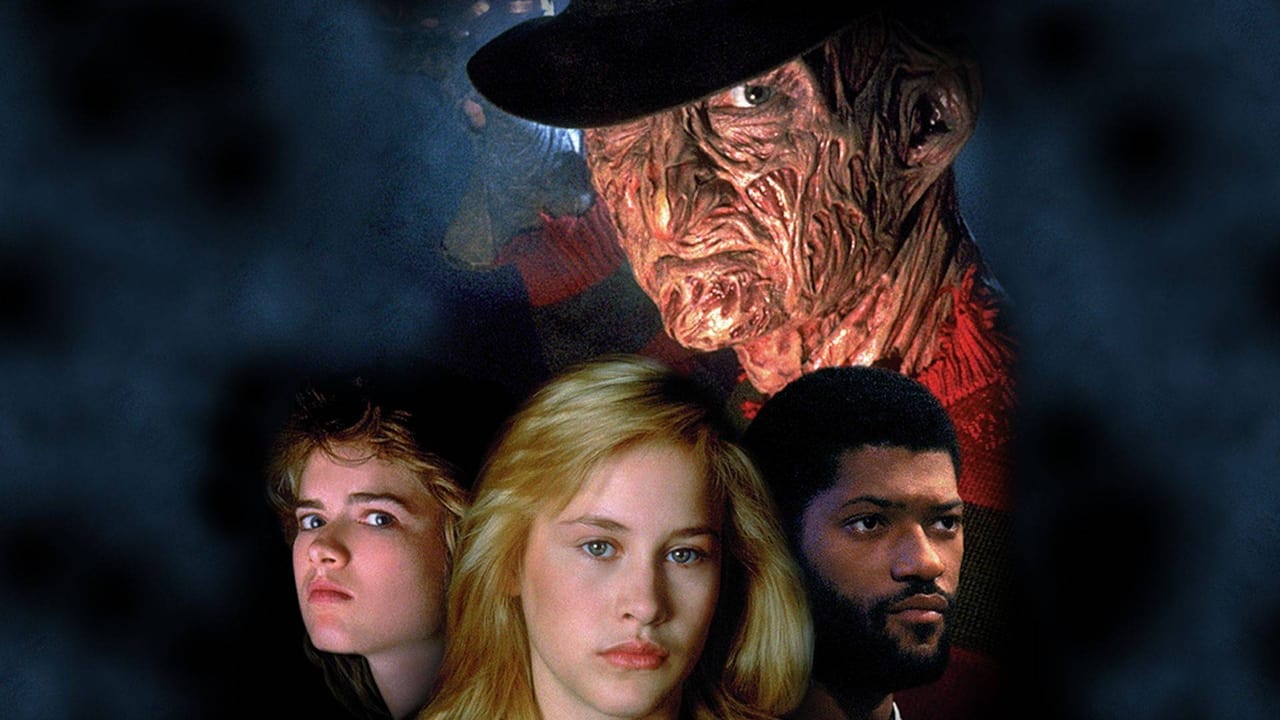
The masterstroke of Dream Warriors lies in its core concept, largely credited to Wes Craven's return to the writing table alongside Bruce Wagner (though the final script saw significant, perhaps more crowd-pleasing, rewrites by director Chuck Russell and future Shawshank Redemption director Frank Darabont). Each teen discovers a unique power within their dreams – Kristen Parker (Patricia Arquette in a compelling feature debut) can pull others into her dreams, Kincaid (Ken Sagoes) has immense strength, Taryn (Jennifer Rubin) is "beautiful and bad," Will (Ira Heiden) becomes a "wizard master." This shift transforms the dynamic from pure victimhood to a supernatural siege, part horror film, part dark fantasy adventure. Doesn't that empowering twist still feel like a breath of fresh, albeit terrifying, air in the slasher genre?
Where Nightmares Get Creative
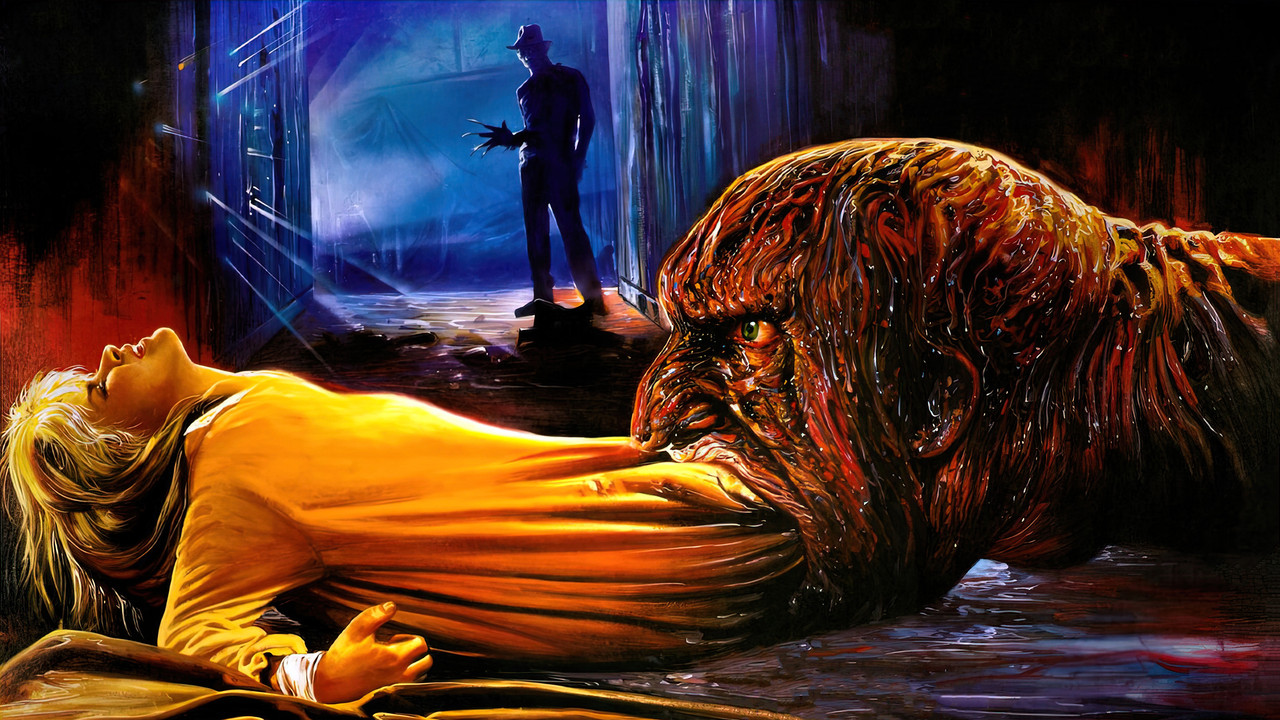
This film is arguably where Freddy truly became a pop culture icon, moving beyond the shadowy terror of the first film into a more theatrical, pun-slinging maestro of murder. And the creativity on display in the dream sequences is often astonishing, especially considering the relatively modest $4.5 million budget (which it recouped tenfold, grossing nearly $45 million – that's around $120 million today!). The practical effects, while occasionally showing their 80s seams now, possess a tangible, grotesque artistry that CGI rarely matches. Remember the giant Freddy-snake swallowing Kristen whole? A marvel of puppetry and forced perspective. Or Phillip being turned into a human marionette, his tendons ripped out and used as strings? It’s imagery that burrows under your skin.
One of the most legendary moments, of course, is Jennifer's death in front of the television. Aspiring actress Jennifer (played by Penelope Sudrow) stays up late watching TV, only to have Freddy hijack the broadcast. His head and arms burst through the set, proclaiming, "This is it, Jennifer! Your big break in TV!" before smashing her head into the screen. The scene is capped off by Kincaid finding her, prompting his famous, reportedly ad-libbed line delivered straight to the camera: "Welcome to prime time, bitch!" It was audacious, darkly funny, and perfectly encapsulated the film's blend of horror and warped showmanship. There’s a certain grim satisfaction in hearing stories of the MPAA battles fought to keep such sequences intact for the R rating.
The Stuff Dreams (and Trivia) Are Made Of
Beyond the memorable kills, Dream Warriors boasts a surprisingly strong supporting cast, including Craig Wasson as Dr. Neil Gordon and the welcome return of John Saxon as Lt. Thompson, Nancy’s father. Even the cameos feel perfectly bizarre for the era – Dick Cavett interviewing Zsa Zsa Gabor on TV before Freddy intervenes adds a layer of surreal media commentary. And who could forget the film's theme song? Dokken's "Dream Warriors" became an MTV staple, its music video featuring the band rescuing Patricia Arquette from Freddy, intercut with clips from the movie – pure 80s metal synergy.
The production itself wasn't without its challenges. Craven and Wagner's original script was reportedly much darker and grimmer, focusing more heavily on themes of child abuse and suicide. While elements remain, Russell and Darabont infused it with more heroic fantasy, making it arguably more accessible but perhaps losing some of the original's raw edge. Filming locations like UCLA's Royce Hall (standing in for Westin Hills exterior) lend an unexpected grandeur to the institutional setting. It's this blend of grounded reality, grim subject matter, and fantastical escapism that makes Dream Warriors resonate. It tapped into teen angst and rebellion, channeling it into a fight against a literal nightmare.
Fighting Freddy, Finding Its Place

A Nightmare on Elm Street 3: Dream Warriors stands as a high point in the franchise, arguably the best of the sequels. It successfully expanded the mythology, gave Nancy a fitting (if tragic) continuation of her story, and introduced a memorable new cast of characters. While it embraced the more fantastical and darkly comedic aspects that would eventually lead the series into self-parody, here the balance feels right. The horror is still potent, the stakes feel real, and the central concept of weaponizing dreams remains inspired. It took the core dread of the original and fused it with the adventurous spirit of 80s fantasy, creating something uniquely compelling that felt tailor-made for late-night VHS viewings. It wasn't just scary; it was cool.
Rating: 8/10
The score reflects the film's successful blend of horror and fantasy, imaginative practical effects, memorable characters, and Robert Englund hitting his stride. It revitalized the franchise with a clever concept, even if it softened the pure terror of the original. For many, this is the definitive Freddy experience – creative, thrilling, and darkly fun. It proved nightmares weren't just something to survive; sometimes, you could fight back. And that idea, echoing through the hiss of a rewinding tape, felt pretty damn powerful back in 1987.