Alright, fellow tape travelers, dim the lights, adjust the tracking if you need to (you probably do), and let’s slide a well-worn copy of Moving Violations (1985) into the VCR slot. You remember this one, right? Maybe not instantly by name, but the premise likely lodged itself somewhere in your memory banks, nestled between images of leg warmers and sounds of synth-pop. This isn't high art, folks, but it’s a quintessential slice of mid-80s anarchic comedy, the kind that seemed practically designed for late-night cable viewing or a Friday night rental run.
### Welcome to Traffic School Hell
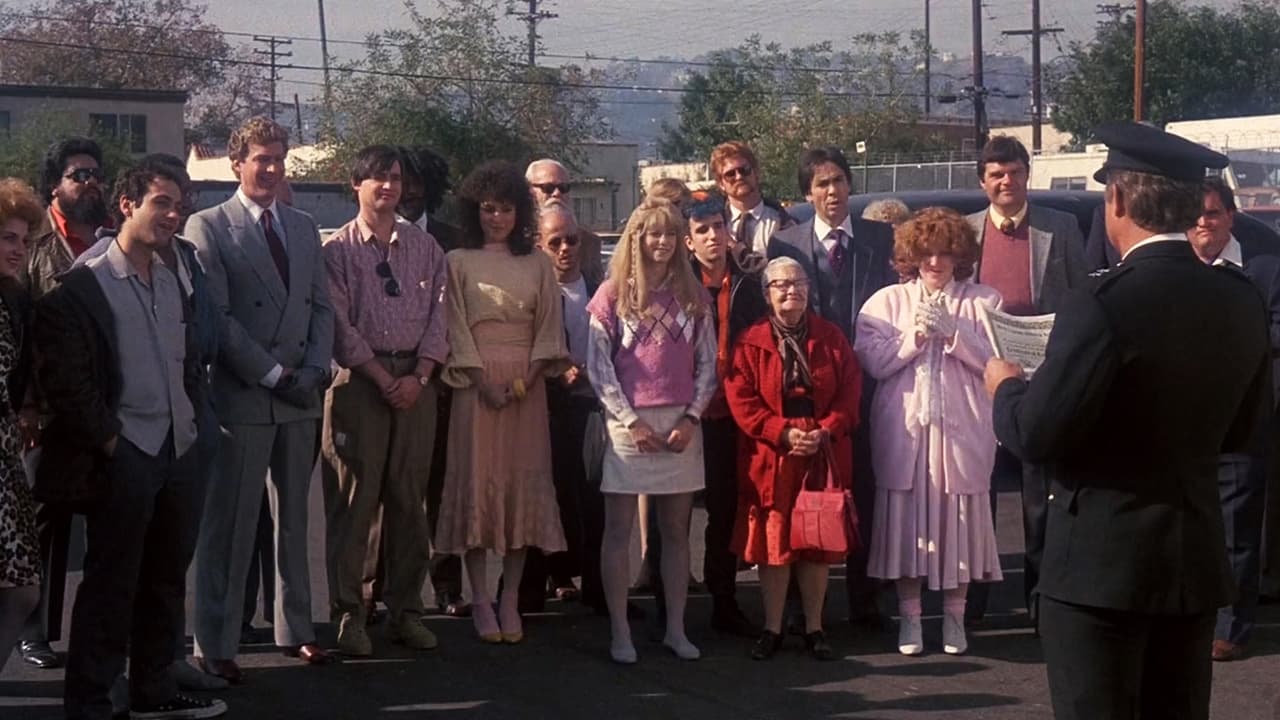
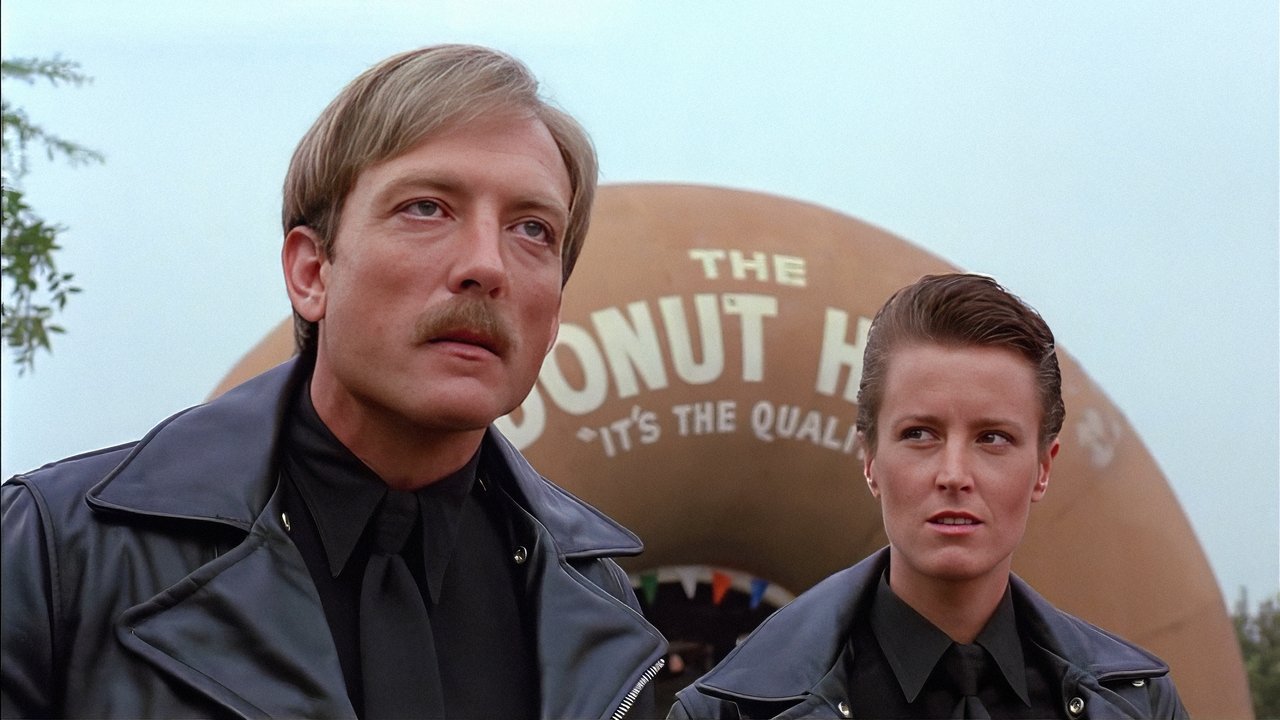
The setup is pure 80s high-concept gold: a motley crew of repeat traffic offenders find their cars impounded and are forced into a draconian traffic school course taught by the utterly tyrannical Deputy Halik, played with sneering relish by James Keach. Our reluctant hero is Dana Cannon (John Murray), a charming rogue whose driving record reads like a demolition derby program. If that last name sounds familiar, it should – John is indeed the younger brother of comedy legend Bill Murray, and while he doesn't quite possess Bill's unique brand of cosmic detachment, he brings a certain hangdog likeability to the lead role in what was his first major starring turn.
The script, co-penned by director Neal Israel and his frequent collaborator Pat Proft, feels like a direct descendant of their previous smash hit, Police Academy (1984), which they also co-wrote. You can see the shared DNA: assemble a group of eccentric weirdos, throw them into a restrictive institutional setting, pit them against an authoritarian nemesis, and let the lowbrow chaos ensue. Israel, who also helmed the Tom Hanks vehicle Bachelor Party (1984) around the same time, clearly had a knack for tapping into this specific brand of raucous, slightly juvenile, but undeniably energetic comedy that defined the era.

### A Cavalcade of Comic Calamity
The humor in Moving Violations is broad, very broad. We've got the elderly woman with a lead foot, the perpetually terrified nerd, the punk rockers, the space cadet housewife – it's a checklist of 80s comedy archetypes. But there’s an undeniable, almost comforting predictability to it. You know there are going to be physical gags, misunderstandings, and eventually, a collective effort by the underdogs to take down the bully. One standout among the ensemble is a very young Jennifer Tilly as Amy Hopkins, a fellow student who becomes Dana's romantic interest. Even this early in her career, Tilly's distinctive voice and charisma are apparent. Keep an eye out too for familiar faces like the wonderful Wendy Jo Sperber (memorable from Back to the Future and Bachelor Party) and even a quick appearance by the late, great Fred Willard.
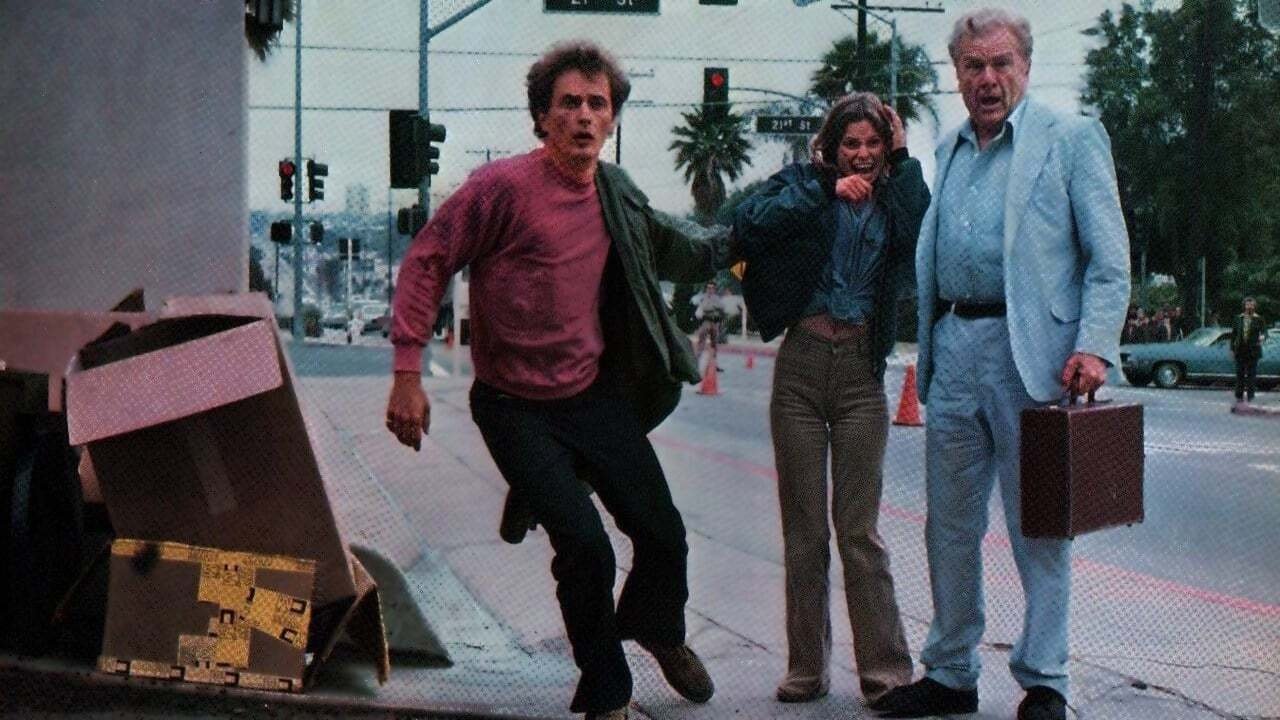
What really anchored these 80s comedies, even the silly ones, was the commitment to the bit, often involving practical gags and real stunts. While Moving Violations doesn't boast the jaw-dropping vehicular mayhem of, say, The Blues Brothers (1980), its car chases and crashes have that tangible, pre-CGI weight. Remember watching those scenes on a fuzzy CRT? The squealing tires, the slightly-too-long shots of cars skidding – it felt more grounded, more real in its own way, even when utterly absurd. The climactic sequence involving a multi-car pursuit and attempts to retrieve their impounded vehicles has a certain messy, destructive charm that digital effects often struggle to replicate.
### That Unmistakable VHS Vibe
Watching Moving Violations today is like opening a time capsule. The fashion, the music, the sheer unapologetic goofiness – it screams mid-80s. It wasn’t exactly a critical darling upon release; like many comedies of its ilk, it probably earned more eye-rolls from reviewers than laughs. It reportedly grossed around $10.7 million, a modest sum even then, especially compared to the juggernaut that was Police Academy. But critical reception and box office numbers rarely told the whole story back in the VHS era, did they? This film found its true home on rental shelves and late-night TV schedules, becoming a familiar comfort watch for many.
Neal Israel and Pat Proft certainly knew their audience. Proft, after all, would go on to co-write classics like The Naked Gun: From the Files of Police Squad! (1988), honing his skills in rapid-fire absurdity. Moving Violations might lack the sharp wit of Zucker, Abrahams, and Zucker, but it delivers consistent, if simple, chuckles. James Keach as Deputy Halik is a suitably hissable villain, embodying the petty tyranny that fuels the students' rebellion. His escalating feud with Dana provides the movie's main engine.
### The Final Verdict
Does Moving Violations hold up as comedy gold? Let’s be honest, some of the jokes land with a thud, and the plotting is thinner than a worn-out fan belt. But there's an infectious energy here, a sense of fun that transcends its flaws. It’s a movie made with a certain B-movie swagger, content to deliver exactly what it promises: goofy characters, silly situations, and vehicular slapstick.
Rating: 6/10
Why this score? It's undeniably dated and formulaic, leaning heavily on the Police Academy blueprint. However, it delivers consistent low-brow laughs, features a game cast (especially Keach and the early Tilly), and possesses that quintessential 80s VHS rental charm. It knows exactly what it is and mostly succeeds on its own modest terms.
Final Thought: Moving Violations won't change your life, but it’s a perfect example of the kind of cheerfully dumb, practically-staged comedy that used to fill video store shelves – flawed, maybe forgettable to some, but capable of sparking a genuine smile of nostalgic recognition. Sometimes, that’s exactly what you need from VHS Heaven.