Long before Studio Ghibli became a household name, and years before Totoro waited patiently at that bus stop, a different kind of magic was already brewing. It involved a gentleman thief, a damsel in distress locked in a towering castle, counterfeit money, and a ridiculously charming yellow Fiat 500. We're talking about Lupin III: The Castle of Cagliostro (1979), a film that might have slipped under the radar for some back in the day, but for those who stumbled upon it – perhaps on a slightly worn VHS tape rented from a dusty corner shelf – it felt like discovering a secret, exhilarating world. This wasn't just any animated feature; it was the theatrical directorial debut of the legendary Hayao Miyazaki, and oh boy, does it show.
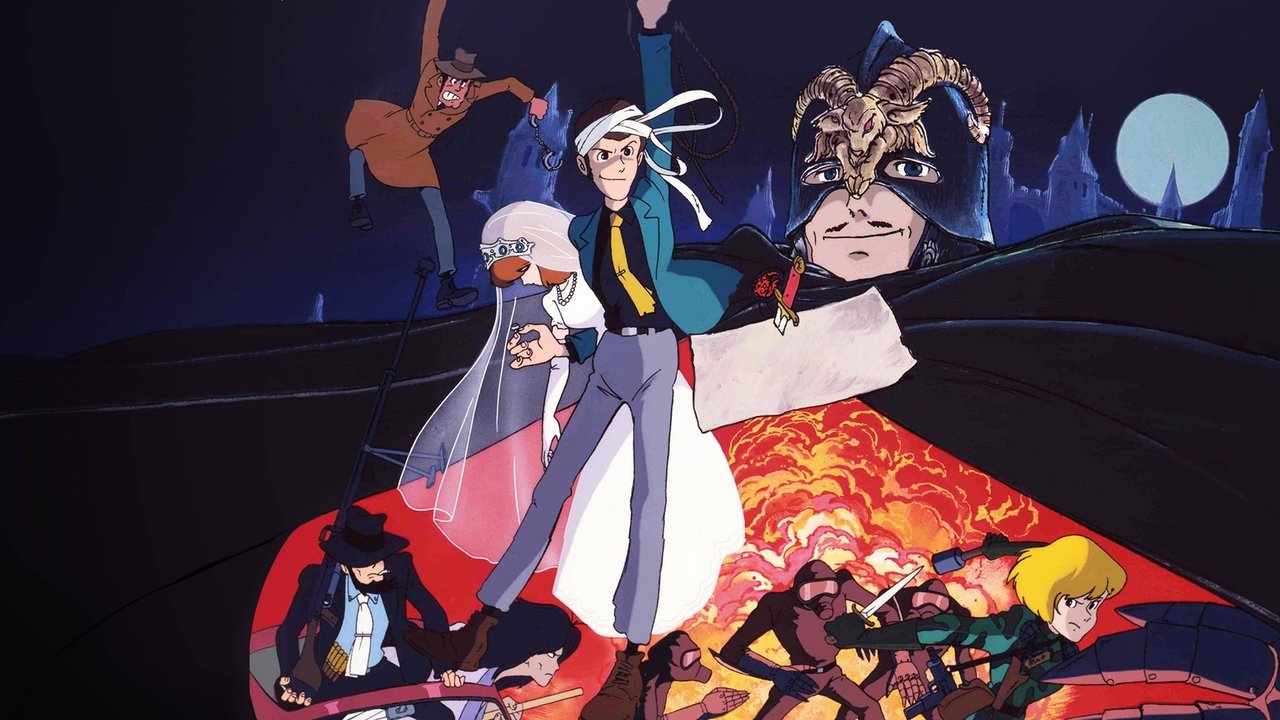
A Heist Gone Sideways (and Gloriously Right)
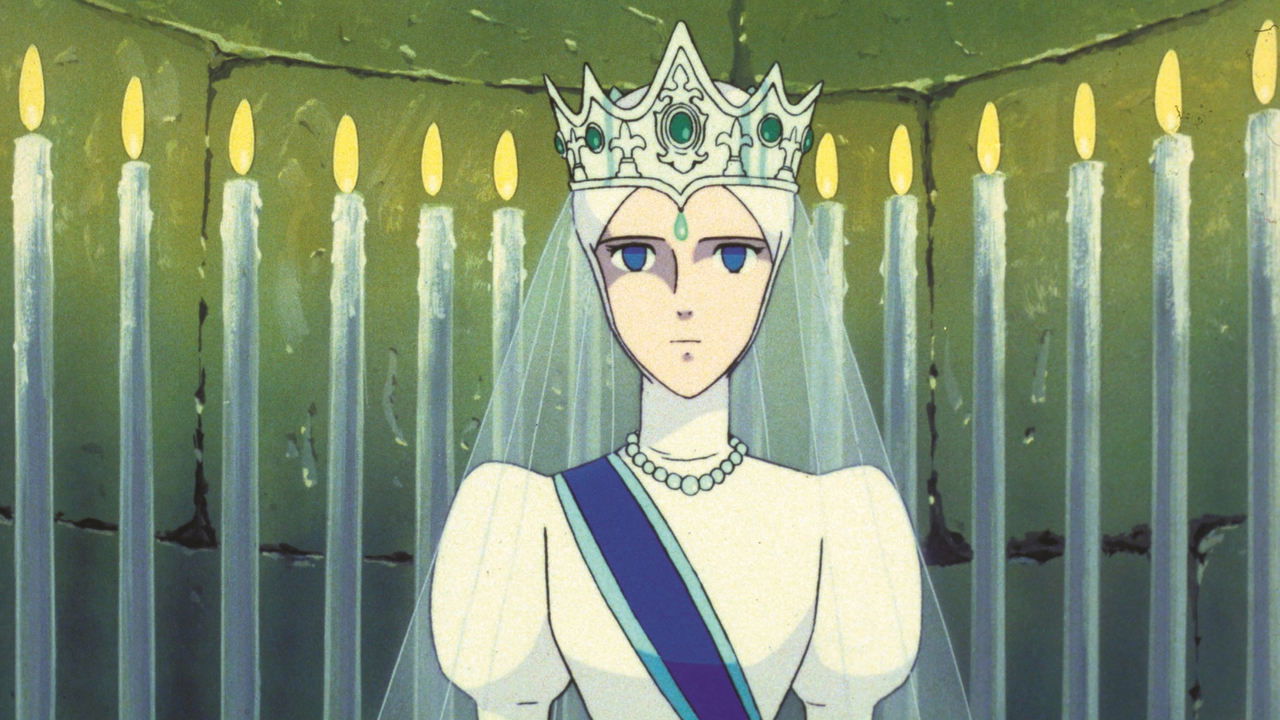
The film plunges us straight into the action, as master thief Arsène Lupin III and his stoic partner-in-crime Daisuke Jigen pull off a daring casino robbery, only to find their loot is counterfeit – expertly forged "Goat Bills" from the secluded European Grand Duchy of Cagliostro. Naturally, Lupin, voiced with charismatic flair by the late Yasuo Yamada, decides the only course of action is to go directly to the source. What starts as a mission to uncover the counterfeiting operation quickly evolves into a rescue mission when Lupin encounters Clarisse, a princess fleeing marriage to the sinister Count Cagliostro. Suddenly, it's less about the funny money and more about scaling impossibly steep castle walls, dodging laser grids, and outwitting a legion of black-clad assassins.
What immediately grabs you about Cagliostro is its sheer energy and sense of adventure. It feels like a classic Hollywood caper fused with European comic book sensibilities, all brought to life with a distinctly Japanese dynamism. Miyazaki, co-writing with Haruya Yamazaki, crafts a narrative that's perfectly paced – thrilling chases give way to moments of quiet charm, witty banter (especially between Lupin, Jigen, voiced by the eternally cool Kiyoshi Kobayashi, and the ever-scheming Fujiko Mine, voiced by Eiko Masuyama) punctuates the suspense, and the central mystery unfolds with satisfying clicks.
The Miyazaki Touch Before Ghibli
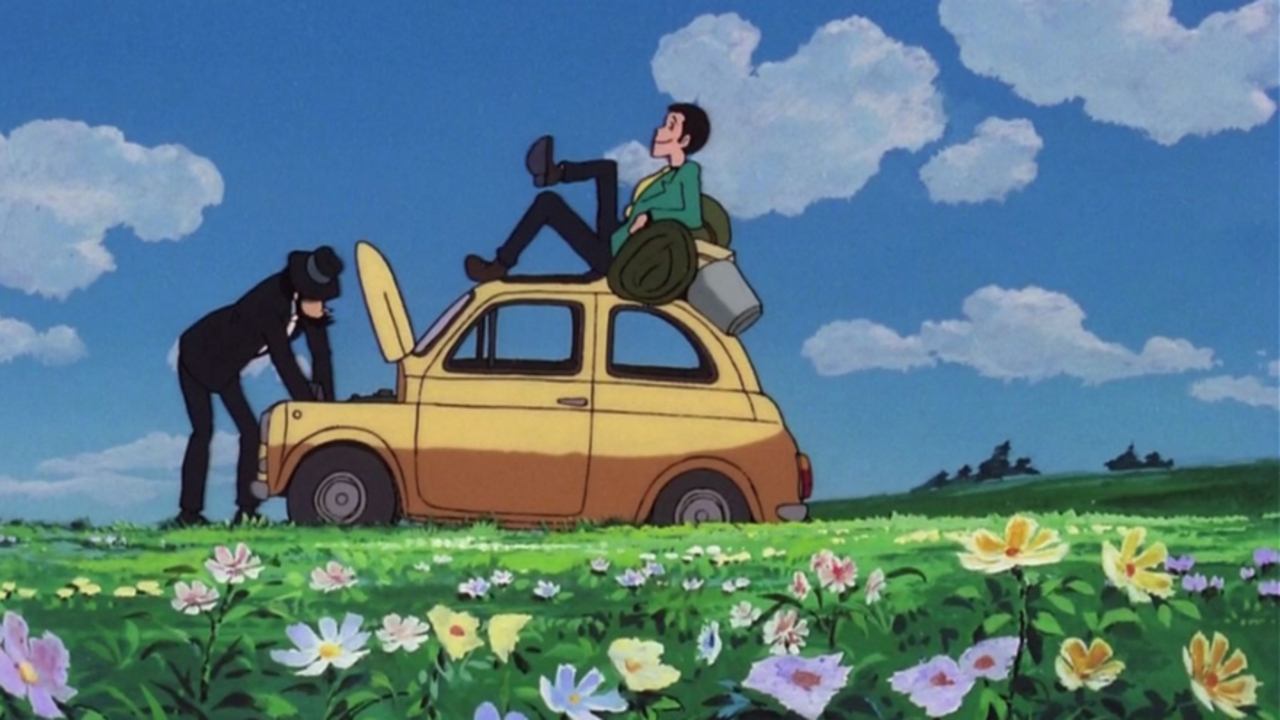
Even in this early work, Miyazaki's signature style is undeniable. You see it in the meticulous attention to detail in the environments – the crumbling grandeur of the castle, the charming European village, the intricate clock tower mechanics. You feel it in the expressive character animation, capturing subtle emotions alongside broad comedic takes. And you witness it most breathtakingly in the action sequences. The opening car chase is an absolute masterclass in controlled chaos, a ballet of impossible physics and comedic timing that still feels exhilarating today. Remember that Fiat climbing near-vertical walls? Pure animated joy! Later scenes, like Lupin's improbable leaps across rooftops against a stormy sky, possess a sense of weight and peril often missing from animation of the era.
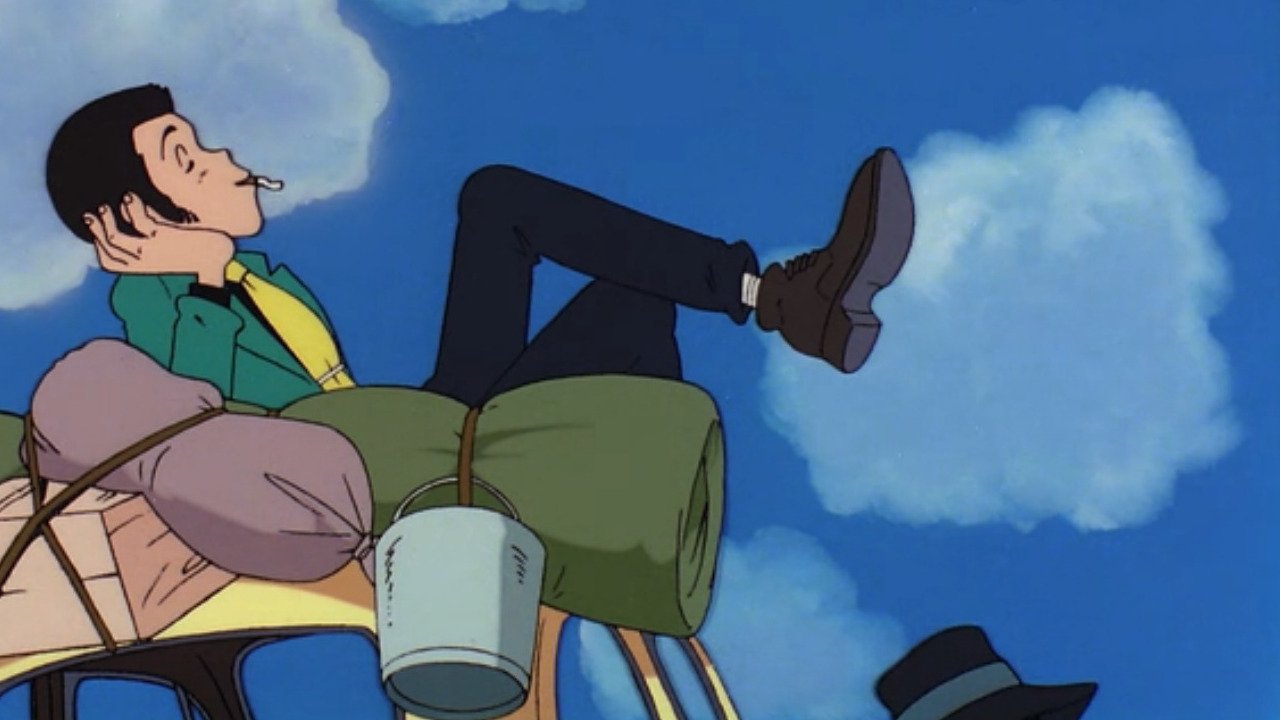
While Lupin III as a character (created by Monkey Punch) is typically more morally ambiguous and overtly roguish, Miyazaki softens him slightly here. This Lupin is still a thief, yes, but he's driven by a chivalrous desire to save Clarisse and expose the Count's villainy. It gives the film a warm heart beneath its adventurous exterior, a trait that would become a hallmark of Miyazaki's later, more famous works with Studio Ghibli, like Nausicaä of the Valley of the Wind (1984) or Castle in the Sky (1986).
Retro Fun Facts: Cagliostro's Journey
The Castle of Cagliostro had a somewhat challenging journey. It was produced on a tight schedule (reportedly just over seven months) and initially wasn't a huge box office smash in Japan compared to previous Lupin entries. Its reputation grew steadily over time, particularly among animators and filmmakers. Fun fact: Steven Spielberg apparently saw it and declared the car chase one of the greatest action sequences in cinema history! For many Western fans in the 80s and 90s, finding Cagliostro often involved navigating the burgeoning, sometimes murky, world of anime distribution – trading tapes, catching late-night TV screenings, or grabbing whatever release Manga Entertainment or Streamline Pictures put out. This hunt often added to the film's allure, making it feel like a cherished discovery. It even faced some initial hurdles getting an unedited release in the US due to perceived content issues (mild violence, Lupin's general thievery). It’s fascinating to think how this gem, budgeted at around ¥500 million (roughly $2.3 million USD back then), eventually found its global audience and cemented Miyazaki's path.
Why It Still Climbs the Walls of Our Hearts
Watching Cagliostro today is like stepping into a time capsule of pure, unadulterated adventure filmmaking. The animation holds up remarkably well, possessing a hand-drawn fluidity and charm that modern animation often lacks. The blend of action, comedy, romance, and intrigue is perfectly balanced. It’s sophisticated enough for adults but thrilling enough to have captivated younger viewers who might have discovered it years ago, perhaps staying up way past their bedtime, utterly absorbed by the flickering CRT screen.
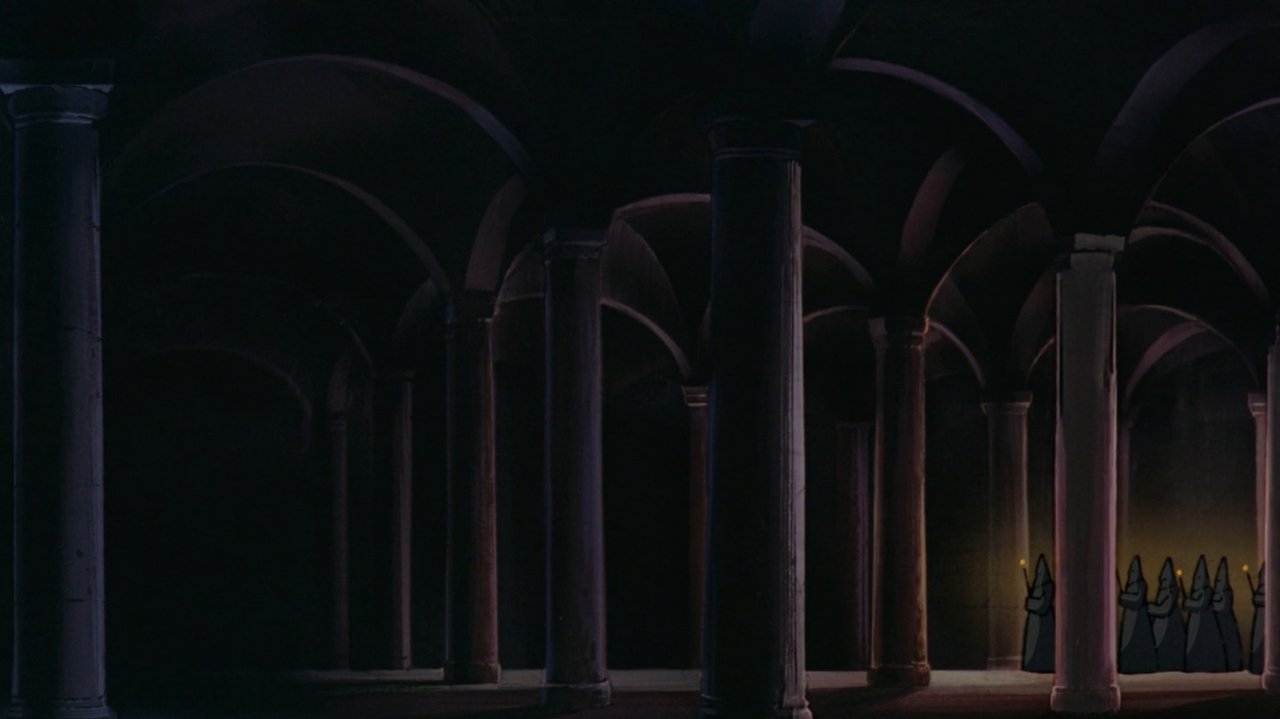
It’s a film filled with iconic moments – the rooftop duel, the aqueduct escape, the final clock tower confrontation – each staged with visual flair and genuine excitement. The score by Yuji Ohno is instantly recognizable, perfectly capturing the film's jazzy, adventurous spirit. Yes, compared to the later visual opulence of Ghibli, the animation might seem simpler in places, but its artistry lies in its efficiency, its character design, and its sheer kinetic energy.
Rating: 9/10
The Castle of Cagliostro earns this high score for being a near-perfect animated adventure. It's thrilling, funny, charming, beautifully crafted, and represents the stunning feature debut of one of animation's greatest masters. While perhaps slightly gentler than other Lupin tales, its heart, artistry, and sheer sense of fun are undeniable. It perfectly balances sophisticated storytelling with wide-eyed wonder.
This is more than just an early Miyazaki film; it's a timeless classic in its own right. If you haven't seen it, track down a copy. If you have, isn't it about time you scaled those castle walls again? Pure animated escapism doesn't get much better than this.