Okay, fellow tape trackers, let’s talk about a VHS box that practically screamed "RENT ME!" from the shelves, sporting a concept so gloriously absurd, so quintessentially 80s, it feels like a fever dream cooked up after too much popcorn and late-night cable. I’m talking about Gymkata (1985), a film that dared to ask: what if an Olympic gymnast was also America’s secret weapon in a deadly martial arts tournament? The answer, predictably, is pure, unadulterated B-movie magic.
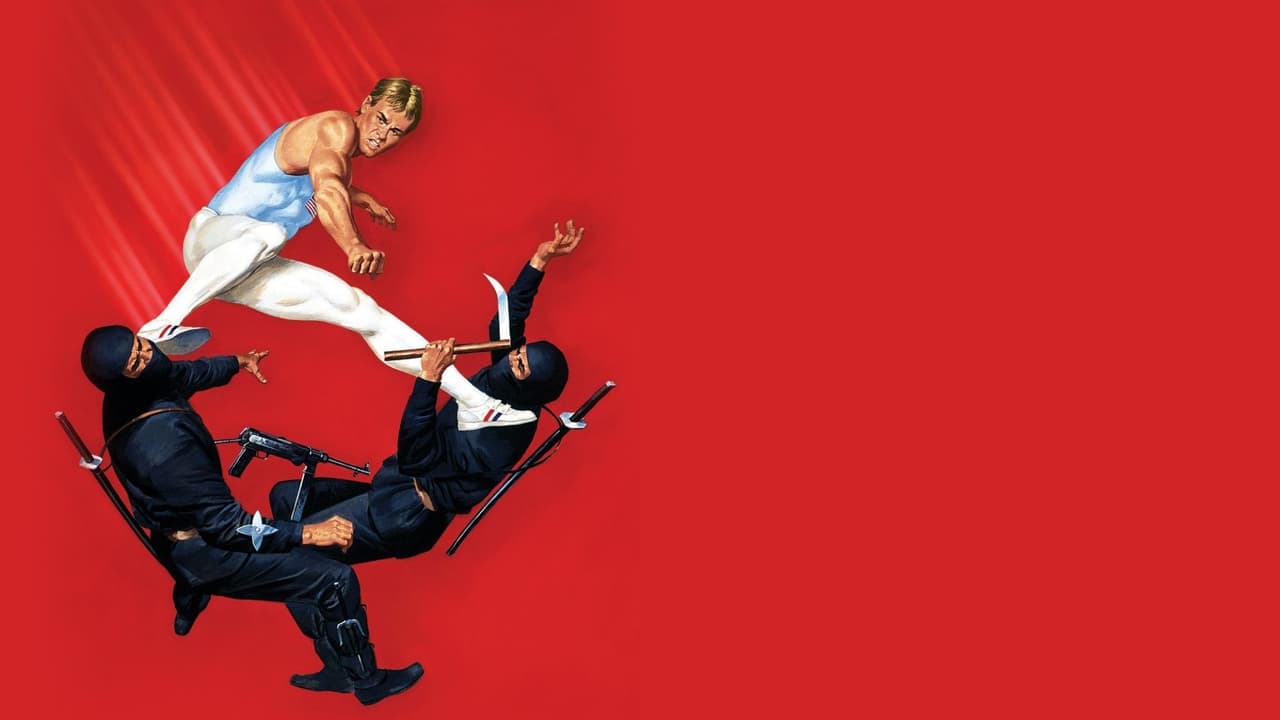
This wasn't just another action flick jostling for space next to Stallone and Schwarzenegger. Gymkata promised something… different. The tagline alone – "The Skill of Gymnastics. The Kill of Karate." – was enough to make you slap down your rental card. And who better to bring this bizarre fusion to life than Kurt Thomas, a genuine world champion gymnast? Forget stunt doubles meticulously replicating moves; Thomas was the move, lending an undeniable physical authenticity to the film's central gimmick.
### The Game is Afoot (and Airborne)
The plot, naturally, is delightfully bonkers. Jonathan Cabot (Kurt Thomas) is recruited by the US government's Special Intelligence Agency (SIA). His mission? Travel to the fictional, vaguely Balkan/Tibetan nation of Parmistan and compete in "The Game," a brutal contest of survival held only once every few years. Winning The Game grants the victor one wish from the ruling Khan and, conveniently for Uncle Sam, allows the US to install a vital Star Wars missile defense monitoring station. It’s Cold War paranoia meets the uneven parallel bars, folks.
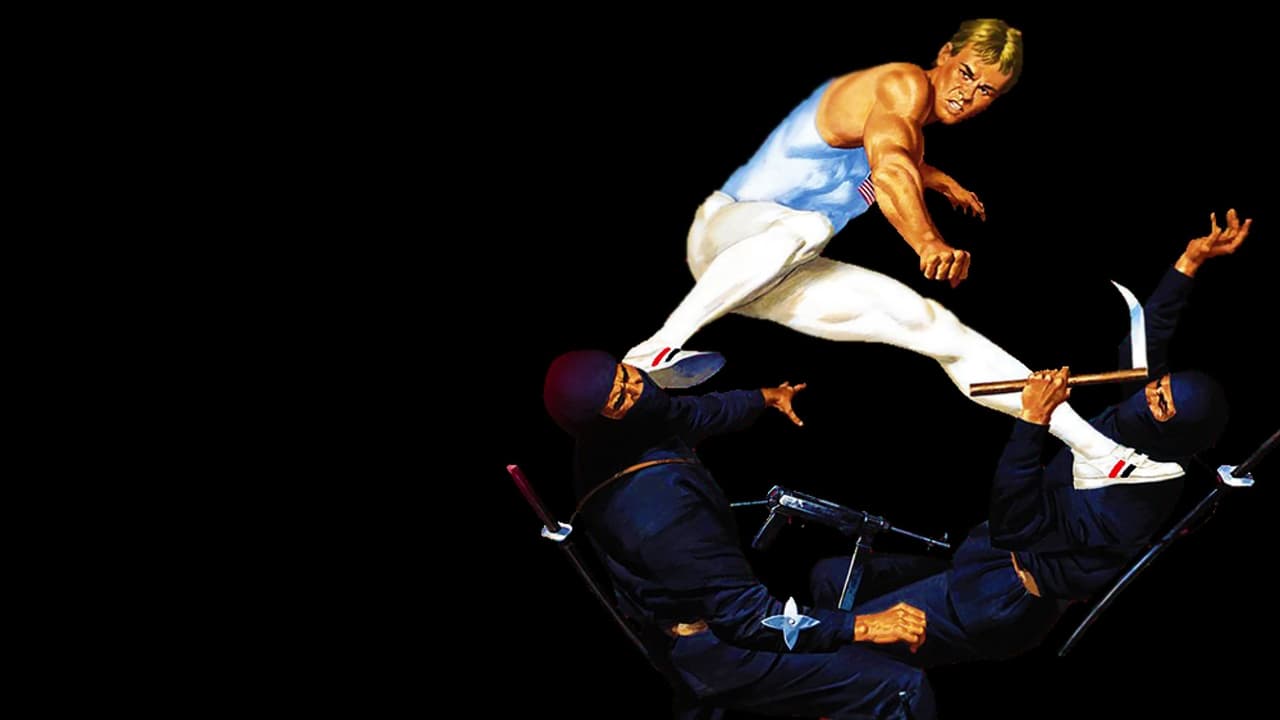
Our gymnast hero undergoes some truly questionable "training," blending gymnastics with karate strikes, seemingly taught by people who maybe saw a Bruce Lee movie once. Guiding him are the determined SIA agent Paley (Edward Bell) and the enigmatic Parmistani Princess Rubali (Tetchie Agbayani), whose loyalties seem as flexible as Cabot himself. The film was actually shot on location in Yugoslavia, lending it a unique, slightly bleak European backdrop that feels far removed from the usual Hollywood sets and adds an interesting texture to the low-budget proceedings. It gives Parmistan a strangely authentic, if grim, feel.
### The Clouse Factor
Directing this athletic espionage oddity was Robert Clouse, a name that should ring bells for any serious martial arts movie fan. Yes, the same Robert Clouse who helmed the legendary Enter the Dragon (1973). The stylistic gulf between that iconic Bruce Lee vehicle and Gymkata is, shall we say, vast. Where Enter the Dragon was gritty, stylish, and boasted incredible fight choreography, Gymkata often feels charmingly clumsy, leaning heavily on its high concept. You have to wonder what conversations Clouse had with producers at MGM to pivot from Lee's fluid grace to Thomas's aerial assaults. Perhaps the studio, seeing the aerobics and fitness craze sweeping the nation, thought this was the next big thing? Whatever the reasoning, we got… this.
### Action Sequences That Defy Gravity (and Logic)
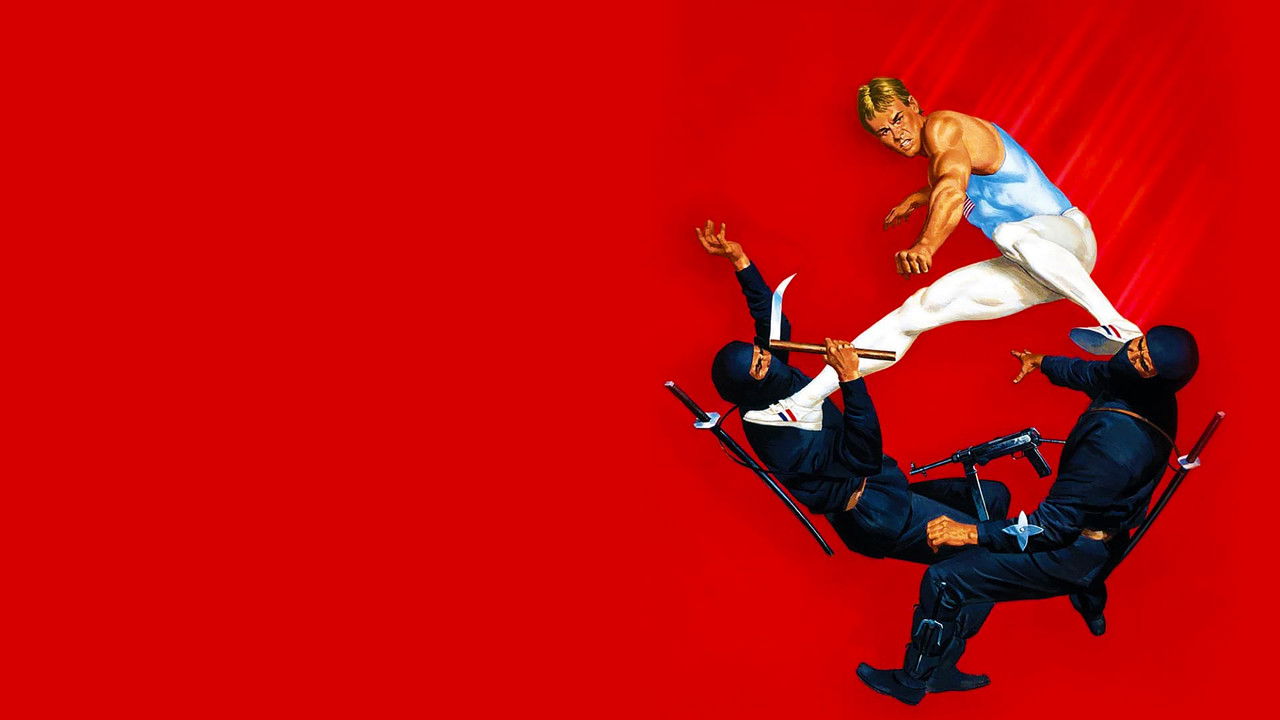
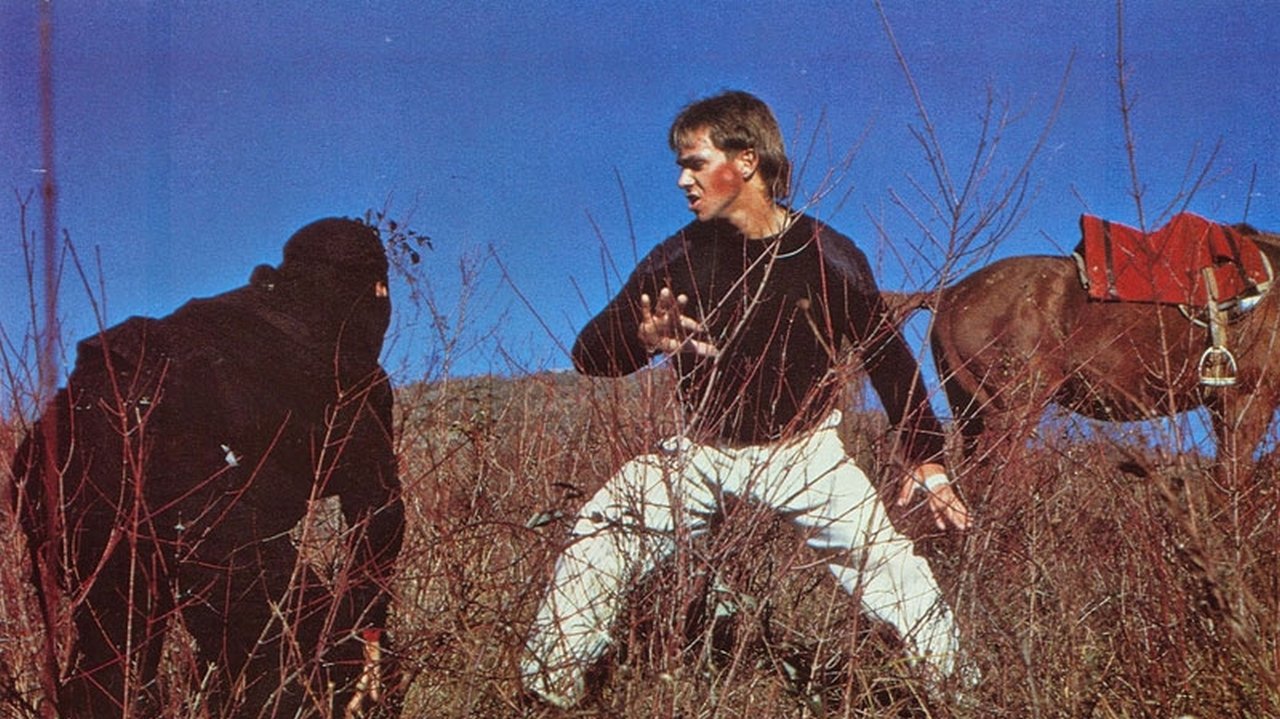
Let's talk about the real reason anyone rented Gymkata: the action. Forget sophisticated choreography; this is all about finding excuses for Kurt Thomas to flip, spin, and vault his way through danger. The film shines brightest (or perhaps most bizarrely) when it fully commits to its premise. Enemies obligingly attack Cabot near conveniently placed gymnastic equipment – parallel bars suddenly appear in alleyways, high bars span treacherous chasms.
And then there's the scene. The one burned into the memory of anyone who caught this on a fuzzy UHF broadcast or a worn-out tape. Cabot finds himself in the "Village of the Crazies," a town square seemingly populated by escaped lunatics. Cornered, what does he do? He spots a stone pommel horse inexplicably placed right in the middle of everything. What follows is pure, unadulterated Gymkata – Cabot mounts the pommel horse, spinning and kicking with furious grace (and questionable effectiveness) as the crazed villagers swarm him. It's utterly ridiculous, physically impressive, and completely unforgettable. Remember how mind-blowing that looked back then, purely because someone was actually doing it? No wires, no CGI smoothing things over – just raw athleticism deployed in the weirdest possible context. The practical stunt work, performed largely by Thomas himself, is the film's undeniable saving grace. It feels dangerous because it often was.
Adding some traditional martial arts menace is the always reliable Richard Norton as Zamir, the ruthless Parmistani commander determined to stop Cabot. Norton, a legitimate martial artist and frequent action movie villain, brings a grounded intensity that contrasts hilariously with Thomas's airborne antics. Their confrontations are highlights, pitting brute force against... well, gymnastics.
### A Relic of Pure 80s Ambition
Gymkata wasn't exactly a critical darling upon release, nor did it set the box office ablaze. It quickly found its true home on video store shelves and late-night TV, becoming a beloved cult classic, often celebrated for its "so bad it's good" qualities. But watching it now, through the lens of VHS Heaven, there's an undeniable charm. It’s the product of an era where studios took wild swings, where high concepts sometimes outweighed coherent screenwriting, and where practical effects and real stunts provided a visceral, tangible thrill, even when applied to something as patently silly as fighting via pommel horse.
Kurt Thomas, while not a seasoned actor, pours his athletic heart into the role, and his physical feats remain impressive. The earnestness of the whole endeavor, combined with its inherent absurdity, makes it strangely endearing. It's a film that could only have been made in the mid-80s, a perfect storm of geopolitical anxieties, fitness fads, and action movie tropes.
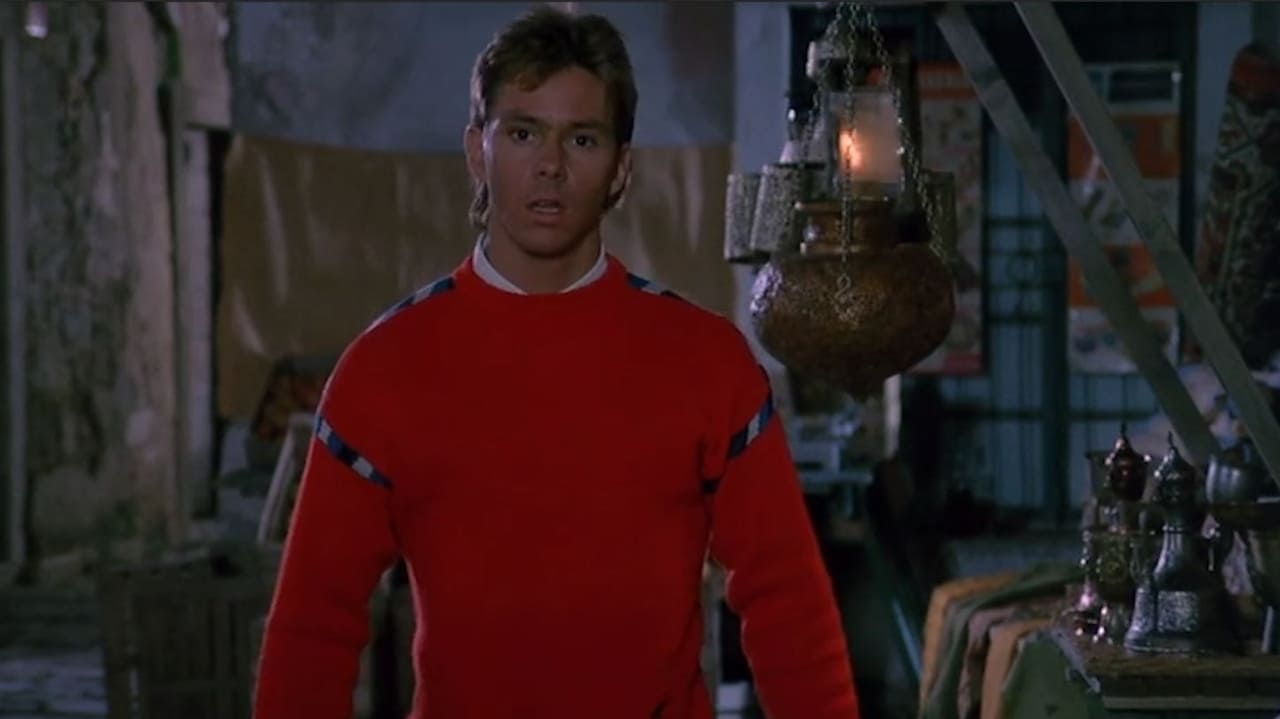
VHS Heaven Rating: 5/10
Explained: The rating reflects Gymkata's status as a legendary piece of B-movie cheese. It's objectively flawed – awkward acting, nonsensical plot points, sometimes clumsy execution. However, it earns points for sheer audacity, unforgettable sequences (the pommel horse!), Kurt Thomas's genuine athletic prowess showcased through demanding practical stunts, and its undeniable cult status. It’s a below-average film by traditional metrics, but an above-average experience in glorious 80s absurdity.
Final Thought: Gymkata is the cinematic equivalent of finding a dusty Trapper Keeper filled with ninja stars and leg warmers – baffling, dated, but undeniably a product of its glorious time, and still capable of delivering a gold medal performance in unintentional hilarity. Essential viewing for connoisseurs of the weird and wonderful side of 80s action.