Alright, fellow tapeheads, let’s rewind to a time when ninja stars flew fast and loose, plots were… let’s just say creative, and the hero roster sometimes felt like it was assembled via Mad Libs. Settle into that comfy armchair, maybe adjust the tracking just so on your mind’s VCR, because tonight we’re diving headfirst into the gloriously goofy, action-stuffed world of 1985’s 9 Deaths of the Ninja.
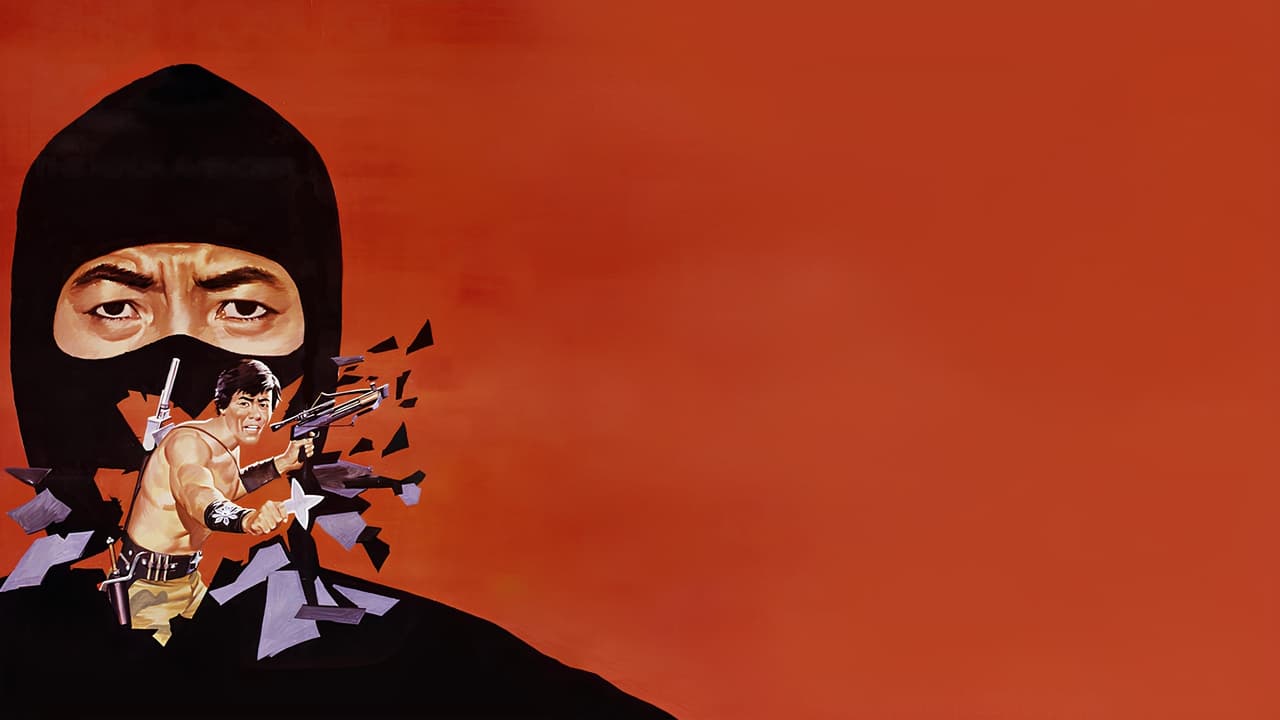
Remember browsing the action aisle, crammed between Schwarzenegger epics and Stallone sequels, and stumbling upon covers plastered with ninjas, explosions, and maybe a damsel in distress? This film is that feeling, distilled and bottled (on glorious VHS, naturally). The premise alone is pure 80s gold: a busload of tourists gets snatched in the Philippines by flamboyant terrorists led by the velvet-clad Alby the Cruel (yes, really), demanding the release of a drug kingpin. The government’s response? Deploy DART – Defense Assault and Rescue Team – a trio seemingly designed by a committee aiming for maximum demographic appeal.
### Your Friendly Neighbourhood Rescue Team
Leading the charge, we have the legendary Shô Kosugi as Spike Shinobi. Kosugi was the ninja craze for many of us, fresh off iconic roles in Enter the Ninja (1981), Revenge of the Ninja (1983), and Ninja III: The Domination (1984). Seeing his name on the box was often a guarantee of authentic martial arts mayhem, even if the surrounding film was pure B-movie cheese. Here, he’s the stoic, incredibly skilled heart of the team. Alongside him is Steve Gordon, played by former model Brent Huff, the obligatory handsome, muscle-bound commando quick with a one-liner (or an attempt at one). Rounding out the trio is Jennifer Barnes (Emilia Crow, sometimes credited as Emilia Lesniak), the brains, beauty, and surprisingly capable sharpshooter/computer whiz. It felt like someone watched The A-Team and thought, "Needs more ninjas!"
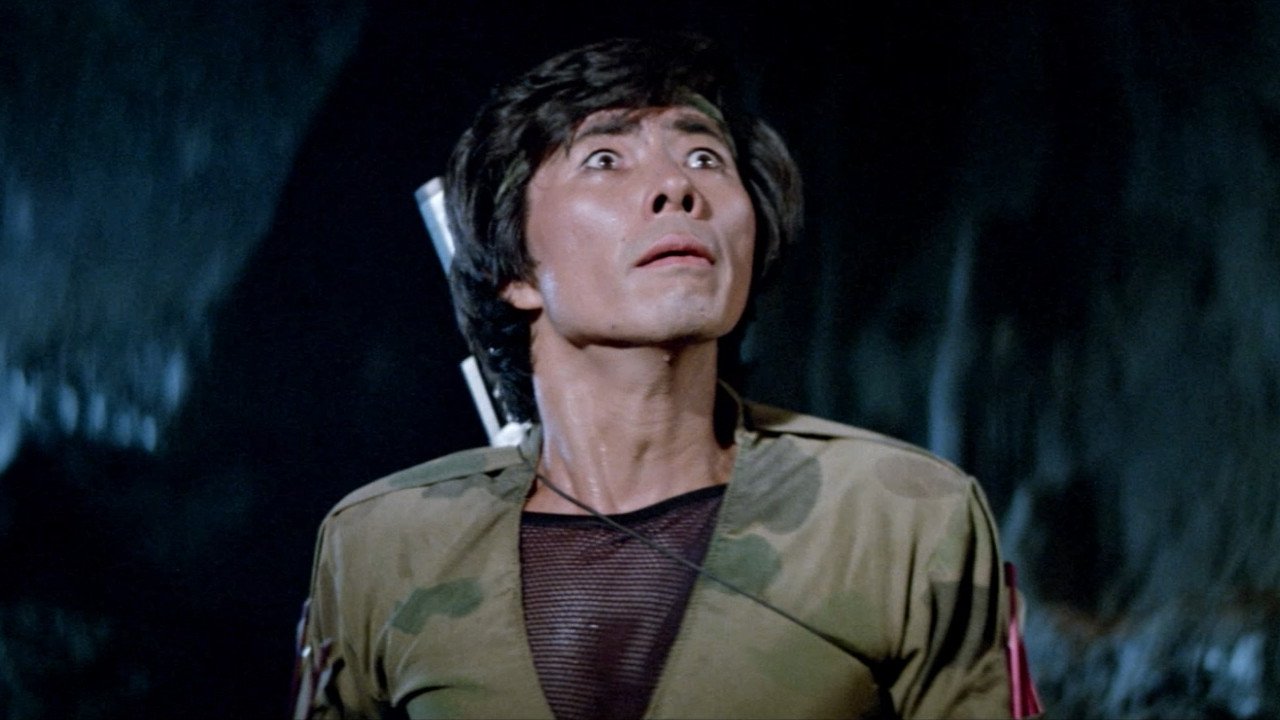
Director Emmett Alston, who also gave us the wonderfully grimy slasher New Year's Evil (1980), clearly wasn’t working with a blockbuster budget here. 9 Deaths was shot entirely in the Philippines, a common practice back then for producers looking to stretch their dollars and deliver exotic locales and explosive action on the cheap. You can almost feel the humidity and the controlled chaos of filming elaborate stunts in bustling Manila streets.
### Practical Mayhem, Pre-CGI Grit
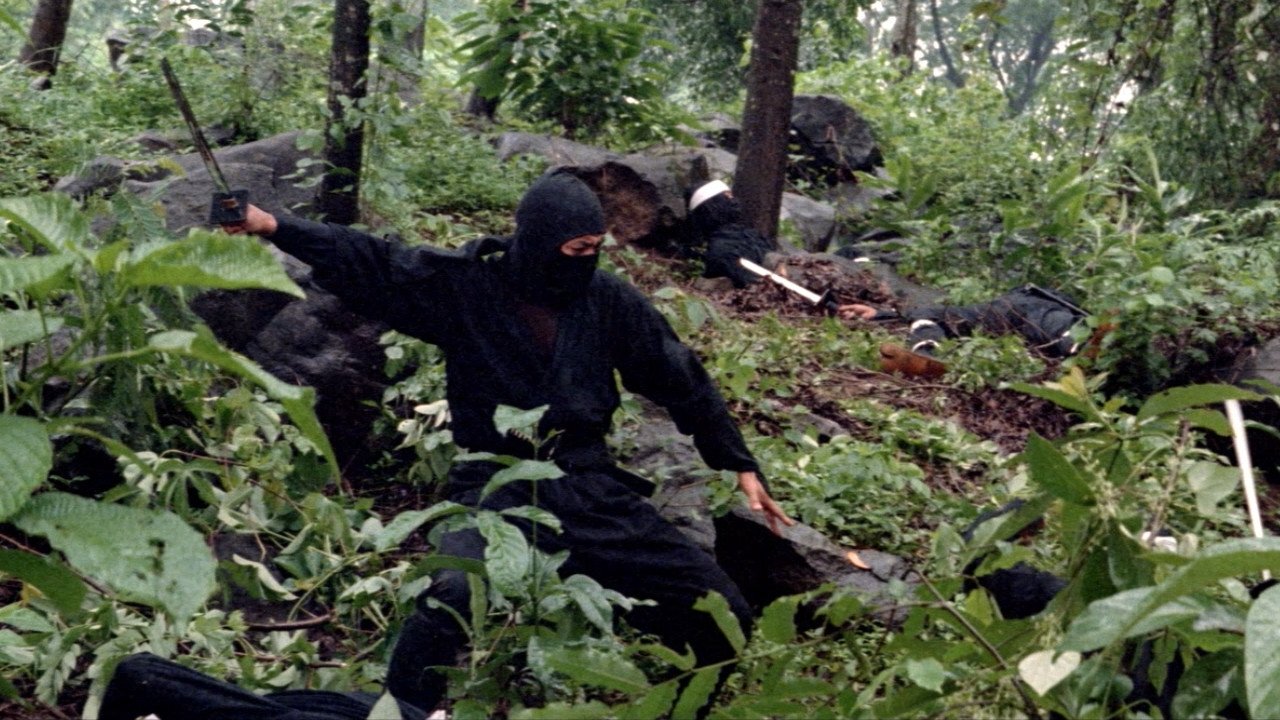
Let's talk action, because that's why you popped this tape in, right? Forget slick, wire-fu assisted choreography or seamless digital replacements. This is the era of tangible impact. When Kosugi throws down, you believe it’s him. The fights are fast, sometimes a little messy, but possess a raw energy. Remember how real those sword clashes and flying kicks looked on a fuzzy CRT screen late at night? That wasn’t pixel magic; that was pure physical performance. Kosugi reportedly had significant input on his fight scenes, bringing his genuine martial arts expertise to the production, a crucial element that elevates the film above some of its contemporaries.
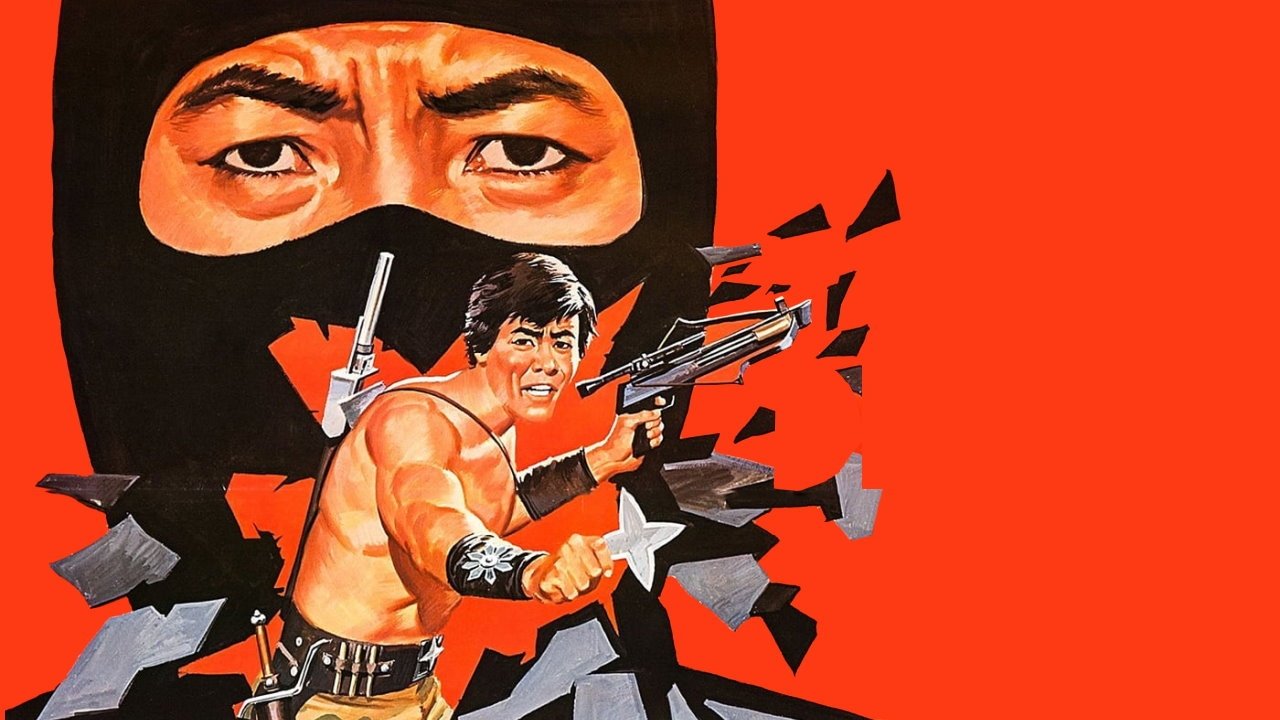
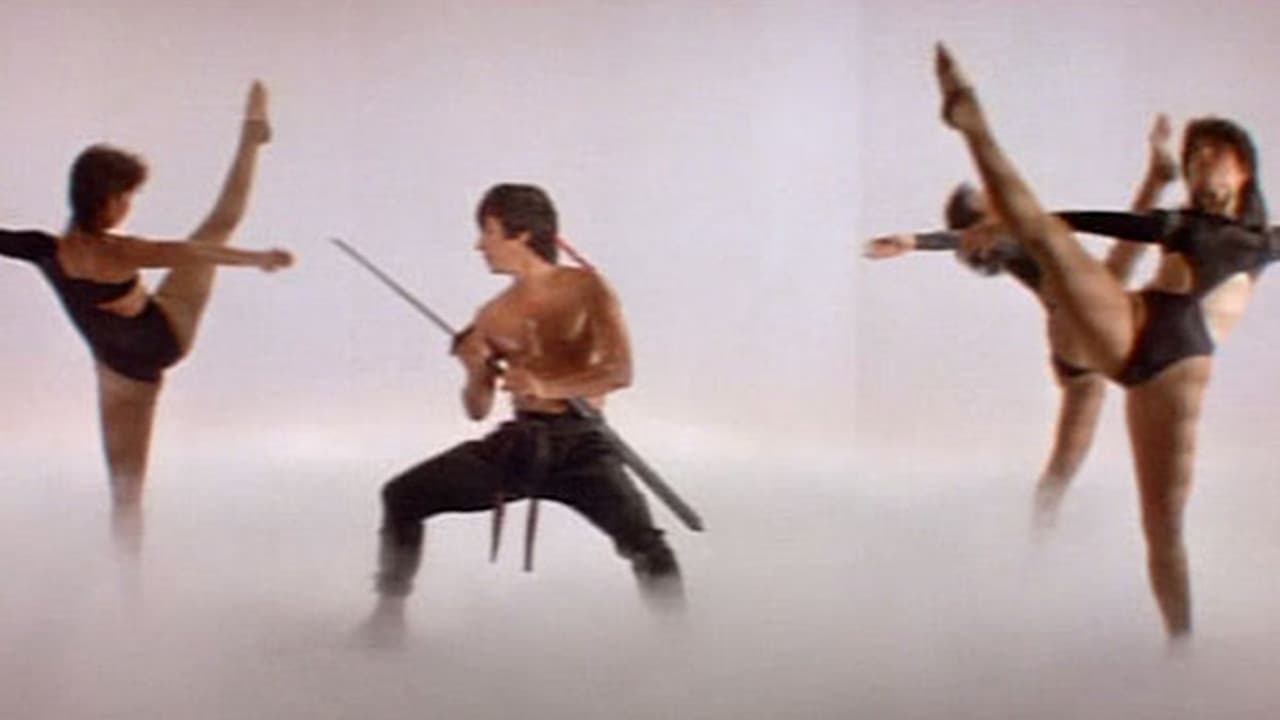
And the stunts! There’s a manic energy to the set pieces. Car chases feel appropriately dangerous, with real vehicles skidding and colliding. Explosions have that satisfying, slightly uncontrolled whoomph of practical pyrotechnics. There's a particular sequence involving the hijacked bus that feels genuinely ambitious for the budget. Was it always perfectly executed? Maybe not. But the commitment to doing it for real lends a weight and visceral thrill that’s often missing today. You felt the danger because, well, it often was dangerous for the stunt performers involved.
### Ninjas, Nonsense, and Nostalgia
Okay, let's be honest – 9 Deaths of the Ninja isn't exactly high art. The dialogue frequently dips into glorious cheese ("This is your last warning, slimeball!"), the villains are cartoonishly evil, and the plot logic sometimes takes a vacation. Why are there nine deaths? The title remains wonderfully enigmatic, perhaps just chosen because it sounded cool (a common tactic!). The attempts at blending espionage, Rambo-esque action, and ninja stealth don't always mesh seamlessly. My own well-worn tape copy probably had permanent tracking fuzz during some of the more talky scenes as I impatiently waited for Kosugi to leap back into action.
But that's part of the charm, isn't it? Finding these oddities nestled between the big hits was a joy of the video store era. This film represents a specific brand of action filmmaking – earnest, slightly unpolished, but brimming with enthusiasm and eager to entertain with whatever resources were available. It’s a snapshot of the time when a ninja, a commando, and a computer expert teaming up felt like the most awesome thing imaginable.
The film likely found its true home not in theaters, but on those rental shelves and late-night cable broadcasts. It might not have the critical acclaim or lasting impact of Kosugi's earlier ninja trilogy, but for fans of the genre and the era, it holds a special, slightly goofy place. It’s a reminder of a time when action movies didn’t need nine-figure budgets to deliver thrills, just a few committed performers, some willing stuntmen, and maybe a cool ninja outfit.
Rating: 6/10
Justification: The rating reflects the film's undeniable entertainment value for fans of 80s action cheese and Shô Kosugi completists. The practical action and Kosugi's presence earn solid points, but the often-clunky script, uneven tone, and budget limitations keep it from reaching classic status. It delivers exactly what its cover promises, flaws and all.
Final Thought: 9 Deaths of the Ninja is pure, uncut 80s VHS fodder – maybe not the sharpest shuriken in the arsenal, but thrown with enough gusto and bizarre charm to still stick the landing for a nostalgic night in.