"Some films entertain. Others seek to terrify. And then there is Threads."
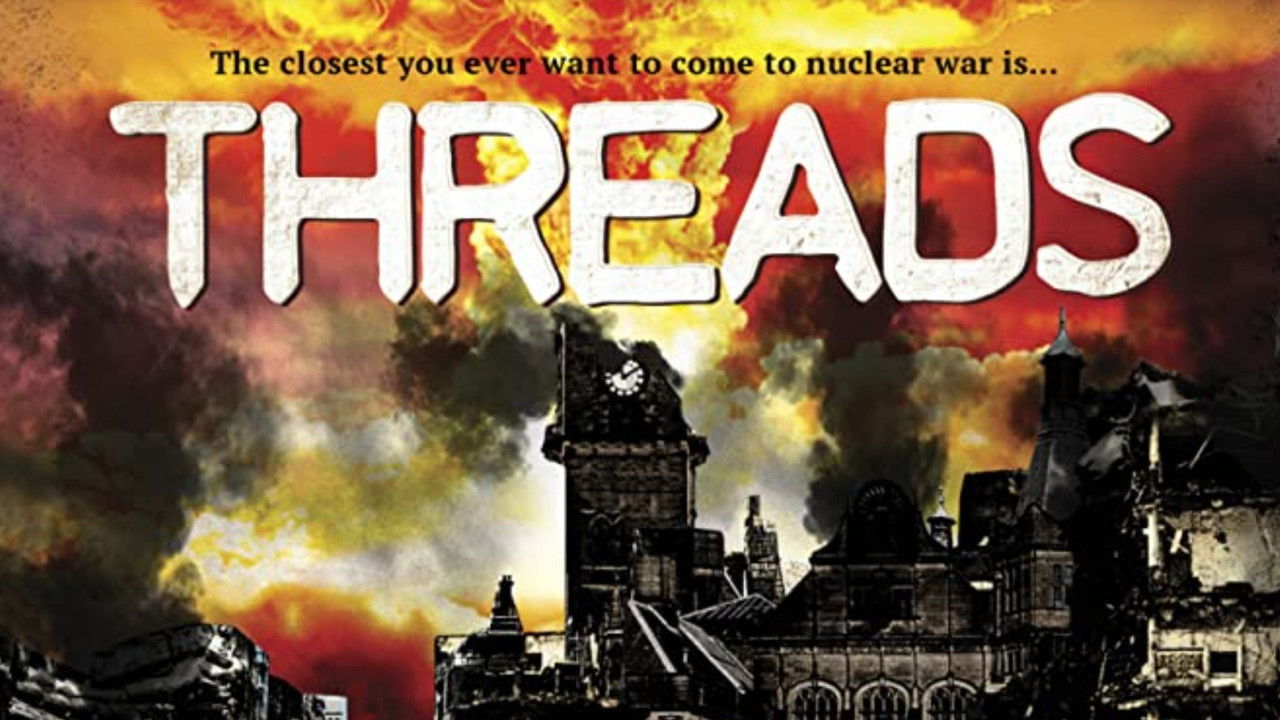
That sentence, or something very much like it, feels like the only honest way to begin talking about this particular tape. Forget jump scares or supernatural hauntings; the chill Mick Jackson’s 1984 BBC production delivers is bone-deep, existential, the kind that lingers in the quiet hours long after the VCR has clicked off. Originally broadcast on BBC2 and forever seared into the minds of anyone who stumbled upon it, often perhaps too young, Threads wasn't just a film; it felt like a terrifyingly plausible prophecy beamed directly into our living rooms via grainy aerials or rented Maxell tapes.
The Calm Before the Unthinkable Storm
Set in the working-class city of Sheffield, England, the film starts deceptively ordinary. We meet Ruth Beckett (Karen Meagher) and Jimmy Kemp (Reece Dinsdale), a young couple facing an unplanned pregnancy and contemplating marriage. Their lives, their families, their worries about jobs and housing – it’s all mundanely relatable. Around them, news reports crackle about escalating tensions between the US and the Soviet Union over Iran. It’s background noise, the kind of global sabre-rattling that punctuated the Cold War era, easily ignored until it’s suddenly, irrevocably, not. This grounded, almost kitchen-sink drama approach, reminiscent of writer Barry Hines’s earlier masterpiece Kes (1969), is precisely what makes the subsequent horror so brutally effective. There are no Hollywood heroes here, just ordinary people caught in the crosshairs of geopolitics.

When the Sirens Wail
The transition is horrifyingly swift. Panic buying, hurried civil defense measures shown to be hopelessly inadequate, and then… the attack. Threads doesn't flinch. The depiction of the nuclear strike on Sheffield and its immediate aftermath is harrowing, achieved with a terrifying blend of stock footage, practical effects, and sheer atmospheric dread. The budget was famously low – reportedly around £400,000 (a fraction of its American contemporary, The Day After), forcing incredible ingenuity. Yet, the images Jackson conjures – the mushroom cloud blooming silently beyond a cityscape, the thermal pulse igniting fires, the desperate scramble for shelter – possess a raw, documentary-like power that feels disturbingly real. It was this unflinching portrayal that reportedly terrified even seasoned BBC executives and led to intense debate about its broadcast.
The Slow, Excruciating Decay
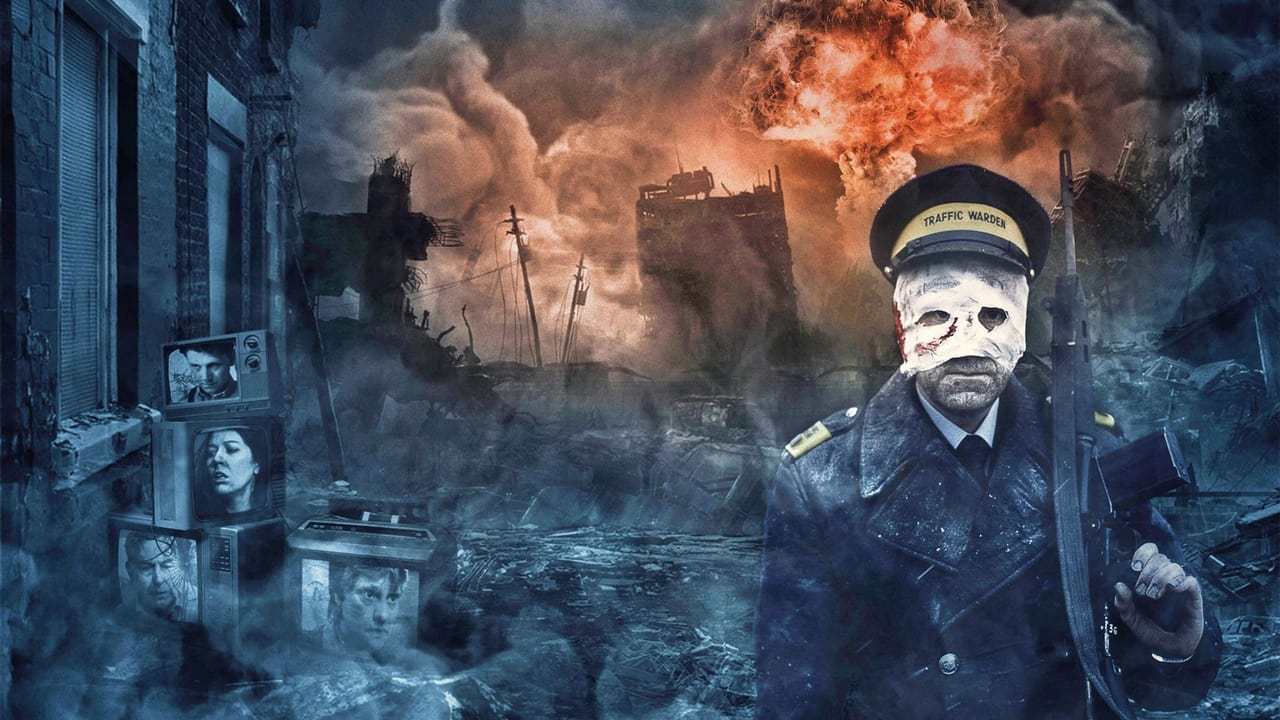
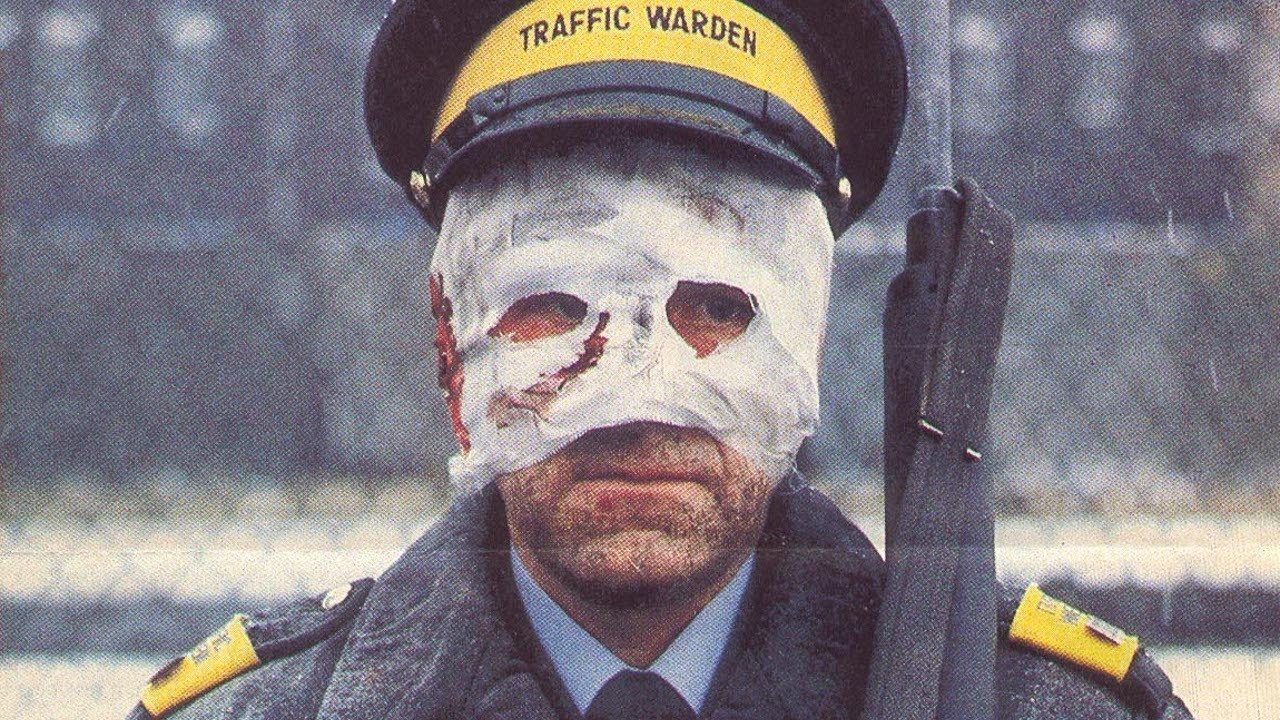
But the bombing isn't the end; it's merely the beginning of the true nightmare. Threads derives its title from the interconnectedness of modern society – the threads that bind transport, communication, food supply, law and order, healthcare. The film meticulously, chillingly depicts these threads snapping, one by one. What follows is a descent into a new dark age, rendered with terrifying plausibility. We witness the breakdown of society, the horrors of radiation sickness (depicted with makeup effects that were shocking for television at the time), the struggle for scarce resources, the suffocating grip of nuclear winter, and the long-term genetic consequences. The infamous statistic cards punctuating the narrative – detailing plummeting populations, agricultural collapse, the impossibility of recovery – are like stark, bureaucratic hammer blows driving home the utter finality of it all.
A Warning Etched onto Magnetic Tape
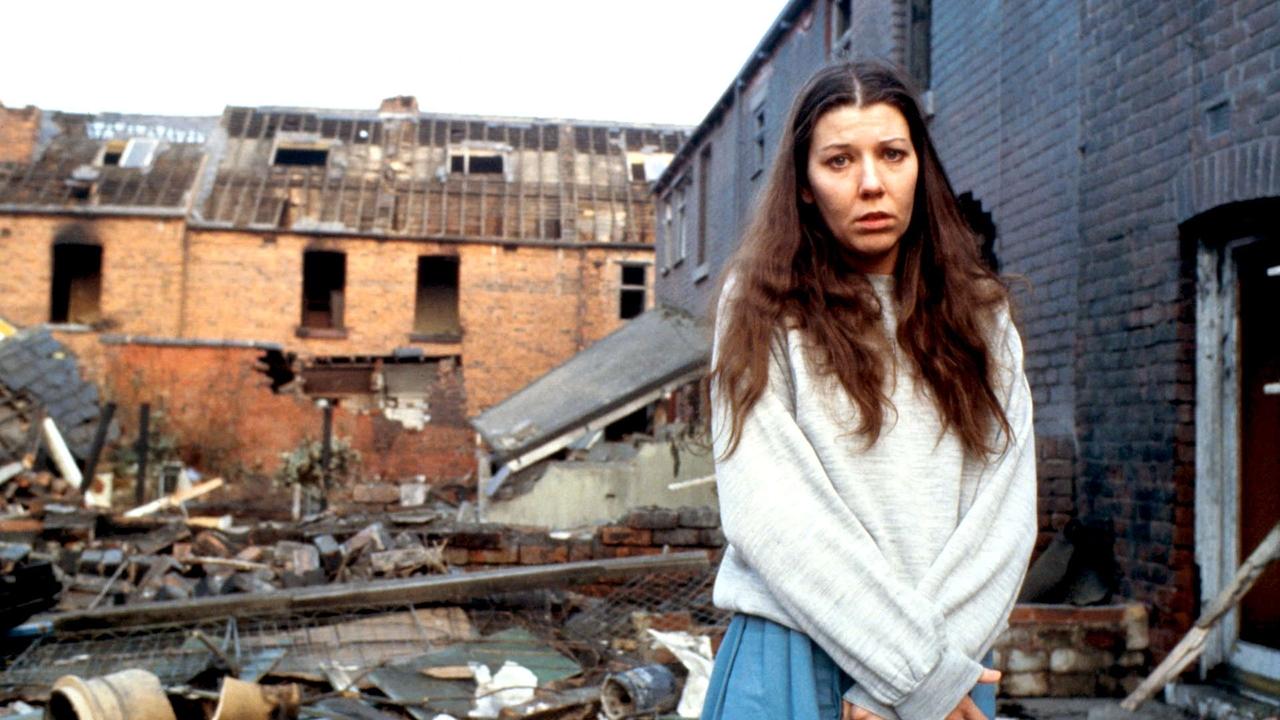
The production's commitment to realism was intense. Hines and Jackson consulted extensively with scientists, doctors, and strategists, including figures like Carl Sagan, to ensure accuracy. Filming took place on location in Sheffield, adding a layer of grim authenticity; some reports even mention locals being deeply disturbed by the simulated chaos unfolding on their streets. The performances by Meagher and Dinsdale are heartbreakingly naturalistic, anchoring the vast catastrophe in intimate human tragedy. There's a deliberate lack of sentimentality, a refusal to offer easy answers or moments of contrived hope, which makes the film all the more powerful – and, frankly, difficult to watch. Did you find yourself looking away during certain scenes? I know I did, even on repeat viewings.
Threads isn't entertainment in the conventional sense. It’s a brutal, vital piece of filmmaking born from the very real anxieties of the Cold War. It functions as a terrifyingly effective anti-war statement, stripping away any jingoistic notions about surviving, let alone winning, a nuclear conflict. Seeing it on VHS, perhaps taped off the telly with slightly fuzzy tracking, only seemed to enhance its grim, almost samizdat quality – like watching forbidden footage smuggled out from the end of the world.
Rating: 9/10
This near-perfect score reflects the film's undeniable power, its horrifying effectiveness in achieving its aims, and its lasting impact. It’s meticulously researched, directed with stark clarity by Mick Jackson (who, perhaps surprisingly, later directed mainstream hits like Volcano (1997) and The Bodyguard (1992)), and features utterly convincing performances. It loses a point only because its sheer, unrelenting bleakness makes it an experience few would willingly repeat often. It’s not a film you ‘enjoy’; it’s a film that fundamentally affects you.
Threads remains arguably the most terrifyingly realistic depiction of nuclear war ever committed to film. It’s a harrowing artifact of the 80s, a stark reminder of how close we came, and a chilling warning that still resonates today. It’s the kind of tape you might hesitate to put in the VCR, but one whose stark images, once seen, are impossible to erase.