It often starts quietly, doesn't it? That feeling of something being slightly adrift. Not a cataclysm, but a subtle unmooring. That's the space Bill Forsyth invites us into with Comfort and Joy (1984), a film that arrived on the heels of his international breakout Local Hero (1983) and offered something altogether gentler, stranger, and perhaps more melancholic. It’s less about grand epiphanies and more about the quiet absurdity found in the everyday, especially when your everyday involves warring ice cream vans.

An Empty Chair at Christmas
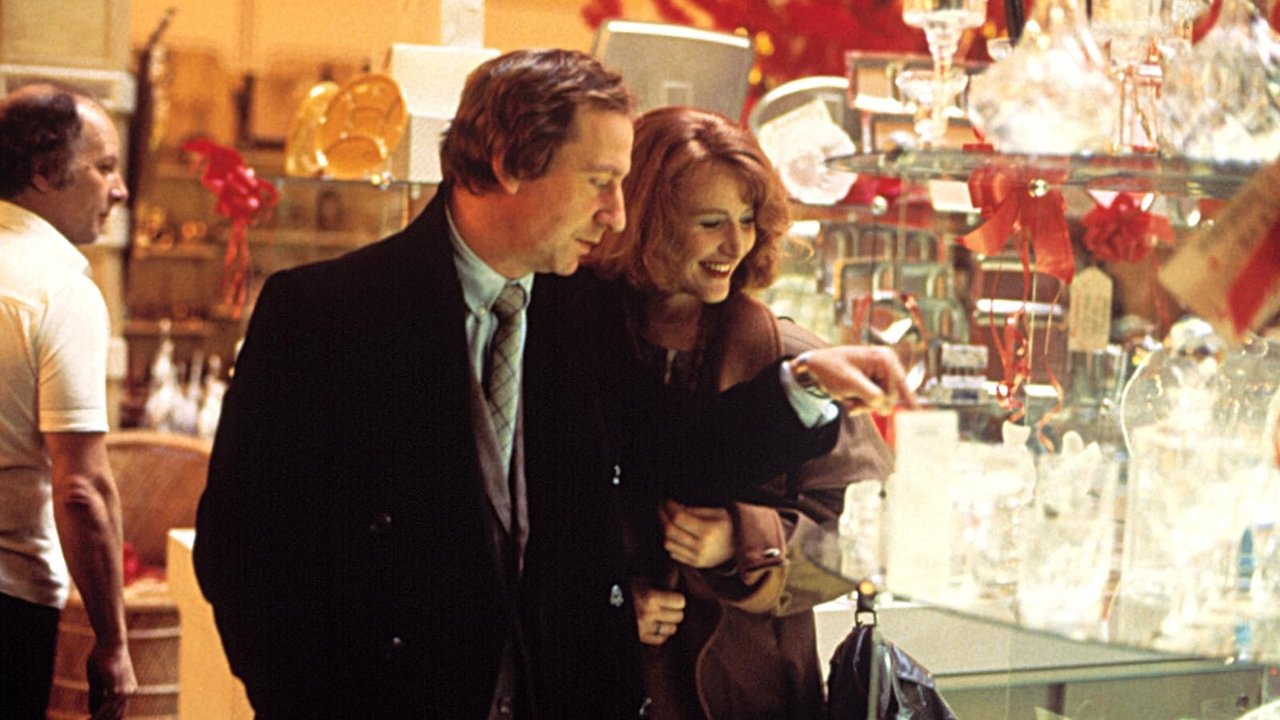
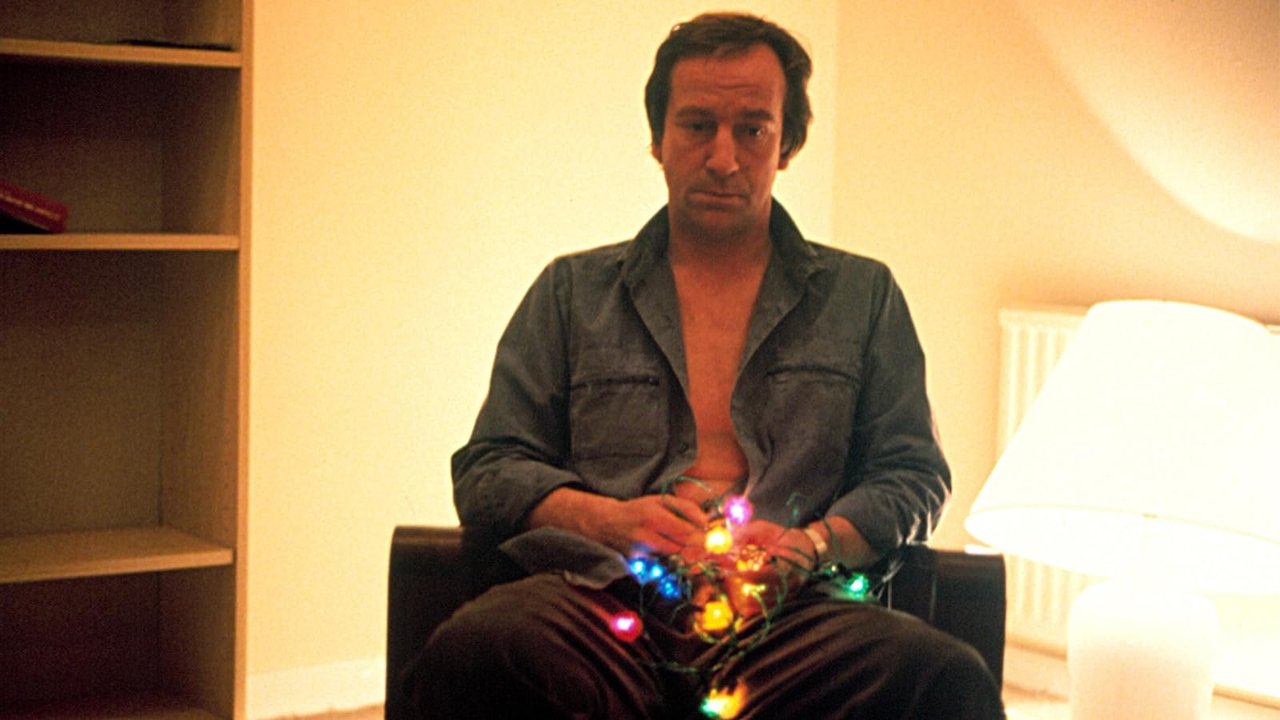
The film centres on Alan 'Dicky' Bird, played with a wonderfully hangdog charm by the great Bill Paterson (a familiar face to Forsyth fans from The Odd Job and a cameo in Gregory's Girl). Dicky is a local Glasgow radio DJ, coasting on his smooth voice and easy listening selections ("Good morning, Glasgow!"). Just as Christmas descends, his kleptomaniac girlfriend Maddy (Eleanor David) abruptly walks out, leaving him with an apartment full of her half-pilfered belongings and a gaping void where festive cheer ought to be. Paterson embodies Dicky’s sudden aimlessness perfectly; he’s not histrionic, just… lost. He wanders the Glaswegian streets, his internal landscape mirroring the grey, damp cityscape, searching for some distraction, some meaning, any meaning, really. Doesn't that search for connection, especially when feeling most alone, resonate deeply?
When Mr. Bunny Met Mr. McCool
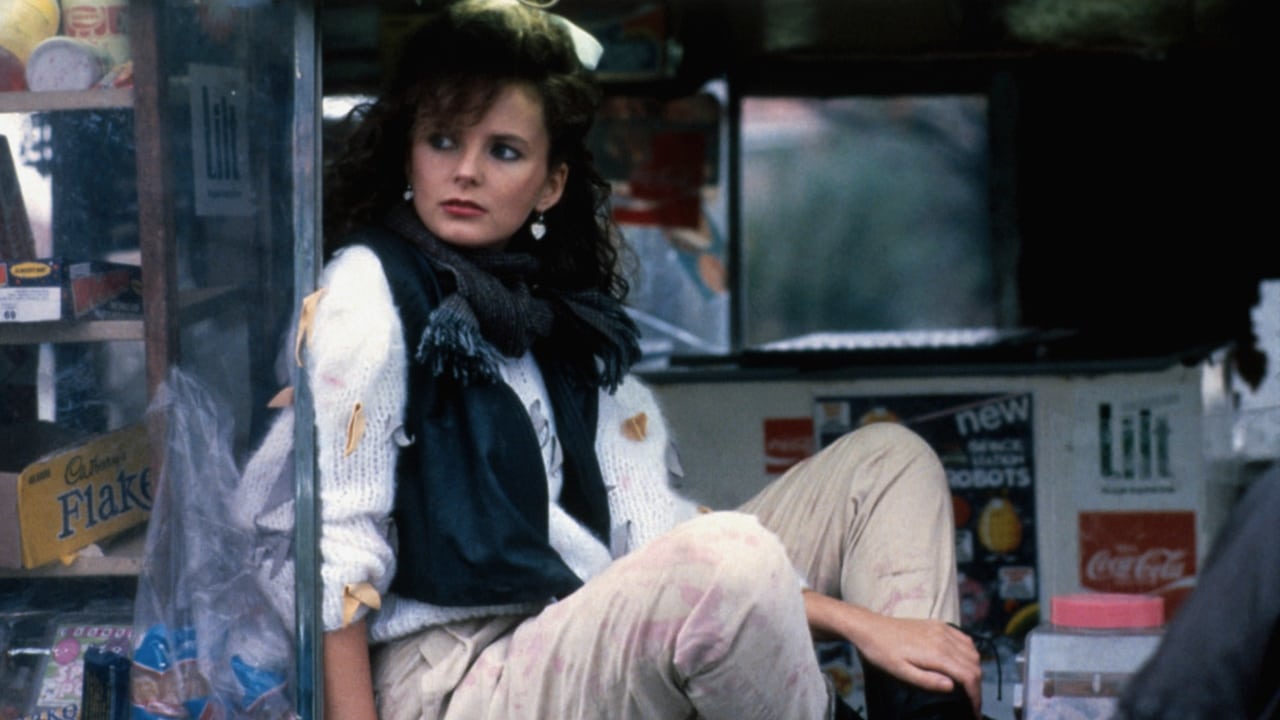
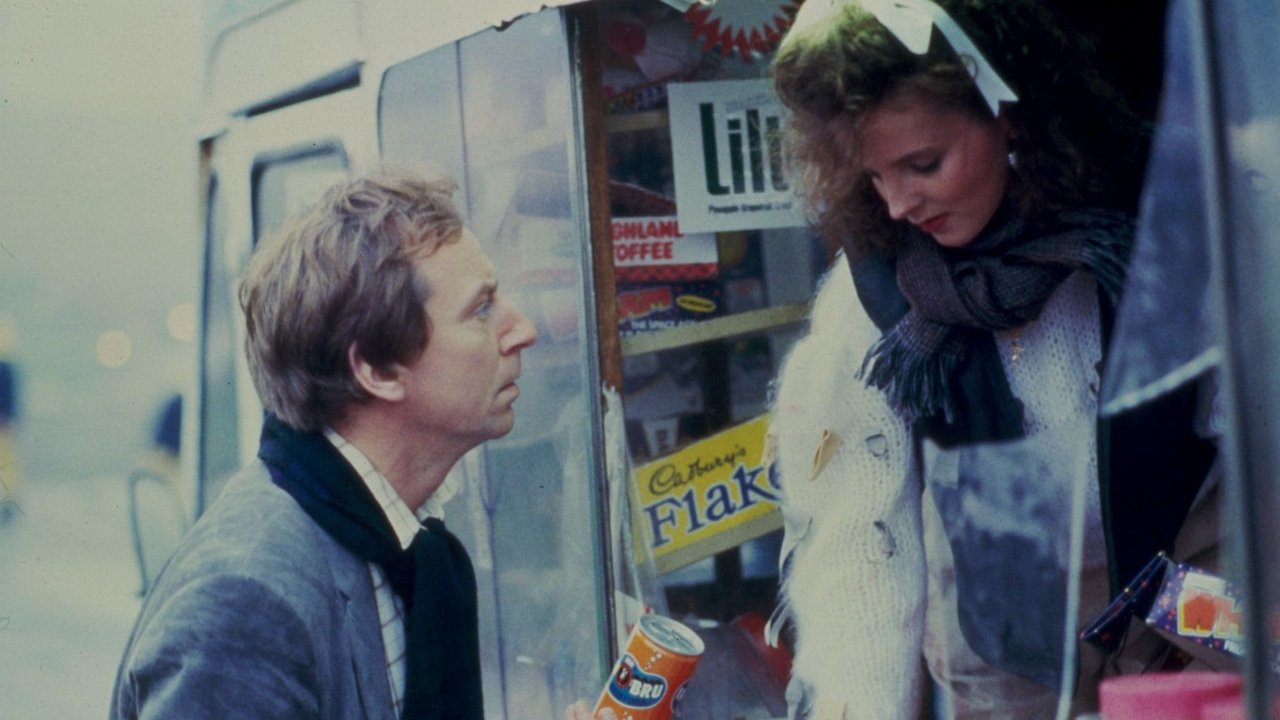
That distraction arrives in the most unexpected, typically Forsythian way: Dicky witnesses an attack on an ice cream van. Not just any van, but a "Mr. Bunny" van, ambushed by rivals working for "Mr. McCool" (also known as "Frosty Hots"). He finds himself drawn into the escalating, slightly pathetic turf war between two Italian-Scottish families vying for Glasgow's frozen treat market. This plot thread, believe it or not, was loosely inspired by the very real and sometimes violent "Glasgow Ice Cream Wars" of the early 1980s, where vans were allegedly used as fronts for more illicit trades. Forsyth taps into the inherent absurdity of this, contrasting the childishness of ice cream rivalries with the undercurrent of genuine menace and Dicky's own personal crisis. It's a conflict played not for broad laughs, but for a kind of bewildered observation. How often does life present us with problems so strange they momentarily eclipse our own?
Glasgow's Melancholy Tune
Forsyth, a Glaswegian himself, uses his native city not just as a backdrop, but as a character. The film captures a specific mood – the festive lights struggling against the winter damp, the particular architecture, the rhythm of the streets. It feels authentic, lived-in. This atmosphere is amplified immeasurably by Mark Knopfler's score. Returning after his iconic work on Local Hero, Knopfler provides a soundtrack that is less overtly magical and more subtly poignant, weaving gentle guitar melodies that underscore Dicky's loneliness and the film's bittersweet tone. It’s the kind of score that lingers, much like the Glasgow drizzle.
Finding the Funny in the Quiet
This isn't a film built on punchlines or slapstick. Forsyth's humour is observational, rooted in character and situation. The deadpan interactions between the rival ice cream bosses, the earnestness with which they discuss territorial jingles, Dicky’s fumbling attempts at mediation – it’s all played with a straight face that makes the underlying absurdity shine brighter. C. P. Grogan (credited here under her birth name, Clare Grogan, known to many from Gregory's Girl) appears in a smaller but memorable role as Charlotte, an employee at the radio station who represents a potential, if uncertain, path forward for Dicky. The performances across the board feel naturalistic, contributing to the film’s gentle, almost documentary-like feel at times. It stands in quiet contrast to the louder, brasher comedies that often defined the mid-80s VHS shelves.
Retro Fun Facts: Behind the Scoop
Comfort and Joy had the unenviable task of following Local Hero. While well-received, it didn't quite capture the same global affection, perhaps due to its more specific Glaswegian setting and downbeat tone. Forsyth apparently toyed with the title "Private Investigations" early on. While Bill Paterson feels utterly perfect as Dicky Bird, there were early murmurs suggesting Forsyth's friend Billy Connolly might be considered, though Paterson was reportedly Forsyth's consistent choice for the inwardly-focused DJ. The film’s budget was modest, relying on capturing the authentic feel of Glasgow rather than elaborate set pieces – the ice cream van clashes are charmingly low-key, relying more on tension and implication than explosive action. It’s a testament to making something distinctive resonate from the seemingly mundane. I distinctly remember finding this tape nestled between more colourful boxes at the local rental store, drawn in by Forsyth’s name, and being surprised by its quiet, introspective charm.
A Lingering Aftertaste
The film doesn't offer easy answers. Dicky's attempt to broker peace between the ice cream factions leads to a strange, perhaps even slightly unsettling, conclusion. Does he find true comfort and joy? Or just a temporary, bizarre distraction? Forsyth leaves it deliberately ambiguous, allowing the viewer to sit with the feeling. It’s a film that rewards patience, settling over you rather than hitting you over the head. It might not have the immediate warmth of Gregory's Girl or the soaring magic of Local Hero, but Comfort and Joy possesses a unique, bittersweet flavour all its own – a snapshot of mundane absurdity and quiet longing captured on flickering magnetic tape.
Rating: 7/10
This rating reflects the film's undeniable charm, Bill Paterson's wonderful central performance, and Bill Forsyth's unique directorial voice, capturing a specific time and place with gentle humour and melancholy. It avoids a higher score mainly because the central ice cream war plot, while quirky, can sometimes feel a little thin, and the pacing might test viewers seeking more conventional narrative drive. However, its understated mood and observational wit make it a worthwhile discovery or rediscovery for fans of thoughtful 80s cinema.
What stays with you isn't necessarily the plot, but the feeling – the quiet chuckle at human folly, the pang of recognition in Dicky's loneliness, and the gentle hum of Knopfler's guitar against the Glasgow grey. A true slice of understated 80s filmmaking.